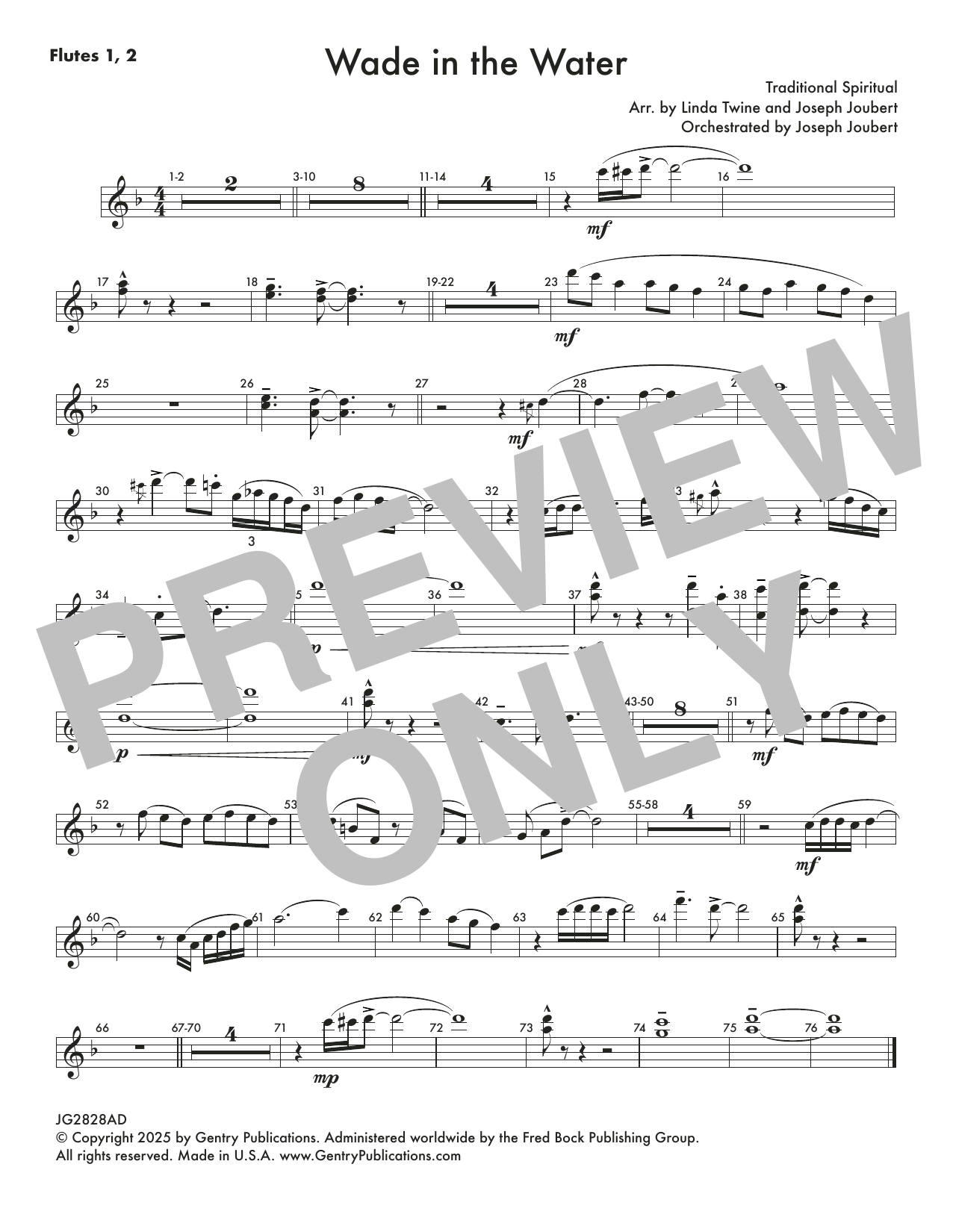
The History of Wade in the Water: Tracing the Evolution of a Spiritual Through Time
"Wade in the Water" is a seminal African American spiritual that evolved from an 18th-century plantation work song into a multifaceted cultural artifact, serving historically as both a religious expression and a coded guide for enslave...
"Wade in the Water" is a seminal African American spiritual that evolved from an 18th-century plantation work song into a multifaceted cultural artifact, serving historically as both a religious expression and a coded guide for enslaved people seeking freedom. Its journey through time reflects the broader narrative of the African American struggle for liberation, artistic evolution, and the preservation of oral traditions in the face of systemic erasure.
Contents
The Antebellum Origins and Coded Functions
The historical roots of "Wade in the Water" are inextricably linked to the experience of enslaved people in the American South. While the exact origins of the melody and text remain anonymous—a hallmark of traditional folk spirituals—the song became widely documented during the 19th century.
Crucially, "Wade in the Water" is categorized as a "Coded Spiritual" or a "Negro Spiritual." Beyond its religious message, which references the biblical baptism of Jesus and the healing powers of the pool of Bethesda, historians and ethnomusicologists have long identified its use as a tactical communication tool for the Underground Railroad. The lyric "wade in the water" served as a literal directive: to avoid detection by slave catchers and their tracking hounds, freedom seekers were instructed to walk through water, as water masks human scent, making it nearly impossible for dogs to track their path.
The song functioned as a mnemonic device, weaving survival tactics into a framework of faith. By cloaking instructions in religious imagery, the lyrics were often perceived by overseers as mere hymns, allowing enslaved people to communicate vital information in plain sight without raising immediate suspicion.
Scholarly Analysis and Oral Traditions
Because the song relied on oral transmission, early variations differed significantly across regions. The transition from field work songs to congregational singing helped solidify the structure of the song. As the spiritual moved from private, hushed gatherings into communal church settings, the rhythmic qualities of the melody were refined.
In 1901, the song was formally published in New Jubilee Songs as Sung by the Fisk Jubilee Singers. The Fisk Jubilee Singers played a pivotal role in the formalization of African American spirituals, bringing this "sorrow song" to international stages. Their arrangement transformed the piece into a concert-standard work, ensuring that the history of the song was preserved in written music theory while maintaining the emotional resonance of its folk roots.
Key Evolutionary Milestones
| Period | Format/Context | Primary Significance |
|---|---|---|
| Pre-1865 | Oral Tradition | Coded communication for escaping enslavement via water paths. |
| 1901 | Sheet Music | Published in New Jubilee Songs; established formal structure. |
| 1920s–1940s | Field Recordings | Preservation by folklorists like John and Alan Lomax. |
| 1950s–1960s | Civil Rights Era | Recontextualized as a protest song for social justice. |
| 2026 | Digital Archive | Study via computational musicology and historical databases. |
The Role of Field Recordings in Preservation
During the early to mid-20th century, the cultural significance of "Wade in the Water" was bolstered by the work of folklorists. Figures such as John Lomax and his son Alan Lomax traversed the American South, capturing the voices of elderly singers who carried the music of the previous century.
These field recordings are essential to the history of the song because they reveal performance practices that notation cannot capture: the syncopated vocal phrasing, the use of call-and-response, and the microtonal adjustments that give the spiritual its characteristic urgency. In 2026, these recordings are accessible through the Library of Congress and university digital archives, serving as primary evidence for how the song’s intensity evolved to reflect the specific anxieties of different generations.
Recontextualization During the Civil Rights Movement
In the 1950s and 1960s, "Wade in the Water" underwent a thematic metamorphosis. The civil rights movement repurposed the spiritual, shifting its focus from the physical flight from slavery to the metaphorical struggle for civil equality and desegregation.
During marches and sit-ins, the song provided comfort and courage. Its lyrics—centered on the crossing of the Jordan River or the healing at Bethesda—mirrored the aspirations of protesters seeking liberation from Jim Crow laws. The song became a symbol of perseverance, and its recurring refrain served to unify disparate groups of demonstrators under a shared history of struggle. This era solidified the song’s status not just as a religious text, but as a political anthem.
Technical Considerations for Modern Research
For those looking to research or study the history of this spiritual in 2026, the process requires an interdisciplinary approach. The study of "Wade in the Water" is no longer confined to music theory; it now incorporates:
- Linguistic Anthropology: Examining how the song’s dialectal shifts track the migration patterns of enslaved populations.
- Computational Musicology: Using software to compare digitized versions of the song to identify variations in tempo and harmonic structure over the last century.
- Historical Geography: Mapping the geographical markers referenced in oral histories of the song against known routes of the Underground Railroad.
Researchers should note that sources vary in their interpretation of "coded" versus "religious" intent. It is considered best practice to view the song as a "dual-purpose" document; the presence of religious sincerity does not preclude the presence of coded instructions.
Frequently Asked Questions
Is "Wade in the Water" exclusively a slave song? It originated within the culture of enslaved African Americans, but its lifecycle has expanded significantly. It is now a foundational piece of American folk music, performed across genres including jazz, gospel, and classical.
Did the song actually help people escape on the Underground Railroad? Historical consensus suggests that spirituals were indeed used as navigational or warning signals. While evidence is often anecdotal from former enslaved people, the song’s specific instructions regarding water navigation are consistent with the survival methods used by freedom seekers.
Where can I find the most accurate historical version? There is no single "original" version. The versions collected by the Fisk Jubilee Singers in the early 20th century are generally regarded as the most historically significant standardized transcriptions.
How is the song interpreted in modern settings? Today, the song is viewed as a testament to human resilience. It is frequently used in academic and religious settings to teach the history of the African American experience and the power of music as a vehicle for cultural survival.
Are there copyright restrictions on the song? The traditional melody and lyrics are in the public domain. However, specific modern arrangements or studio recordings by contemporary artists remain under copyright.
Next Actions for Further Exploration
To deepen your understanding of "Wade in the Water," consider the following steps:
- Consult the Library of Congress: Search the National Jukebox for early field recordings of "Wade in the Water" to hear the raw, unrefined vocal traditions.
- Review Ethnomusicological Journals: Access databases like JSTOR to read peer-reviewed articles on the relationship between slave spirituals and maritime navigation tactics.
- Visit the Smithsonian National Museum of African American History and Culture: Their exhibits frequently feature the role of music in the historical resistance of the 19th century.
By engaging with these primary sources, you can move beyond general history and gain a nuanced appreciation for how a single song functioned as a bridge between survival and liberation.
Image Gallery