What Maglev Stands For: The Mechanics and Future of Magnetic Levitation
Maglev stands for Magnetic Levitation, a highly advanced transportation technology that uses powerful electromagnets to lift, guide, and propel vehicles over a guideway. By eliminating mechanical contact between the train and the track...
Maglev stands for Magnetic Levitation, a highly advanced transportation technology that uses powerful electromagnets to lift, guide, and propel vehicles over a guideway. By eliminating mechanical contact between the train and the track, maglev systems remove rolling resistance, allowing for significantly higher speeds, lower maintenance, and quieter operation than traditional rail.
Contents
The Core Principles of Magnetic Levitation
To understand what maglev stands for in a technical sense, one must look at the two primary forces at work: levitation and propulsion. Traditional trains rely on the friction between steel wheels and steel rails to move and stay on the track. This friction, while useful for braking and basic movement, creates a "speed ceiling" where the energy required to overcome resistance and the wear on components become prohibitively expensive.
Maglev technology bypasses these physical limitations by utilizing the Lorentz force and Lenz’s Law. In a maglev system, magnets are used to create both lift and thrust. Because the vehicle "floats" on a cushion of air—usually between 10 to 100 millimeters thick depending on the specific technology used—there is no physical contact. This absence of friction means that the only major resistance the vehicle encounters is aerodynamic drag, which is why maglev trains are designed with highly streamlined, needle-like noses.
The "Mag" and the "Lev"
The "Mag" (Magnetic) refers to the use of electromagnetic fields, which can be precisely controlled by adjusting electrical current. The "Lev" (Levitation) refers to the state of being suspended in the air. In modern engineering, this is achieved through two main methods: electromagnetic suspension (EMS) and electrodynamic suspension (EDS). Both systems allow for speeds exceeding 600 km/h (373 mph), placing them in a category of ground transport that competes directly with short-haul aviation.
Technical Architectures: EMS vs. EDS
While all maglev systems stand for the same basic principle of magnetic flight, the engineering implementation varies significantly between the two dominant global standards.
Electromagnetic Suspension (EMS)
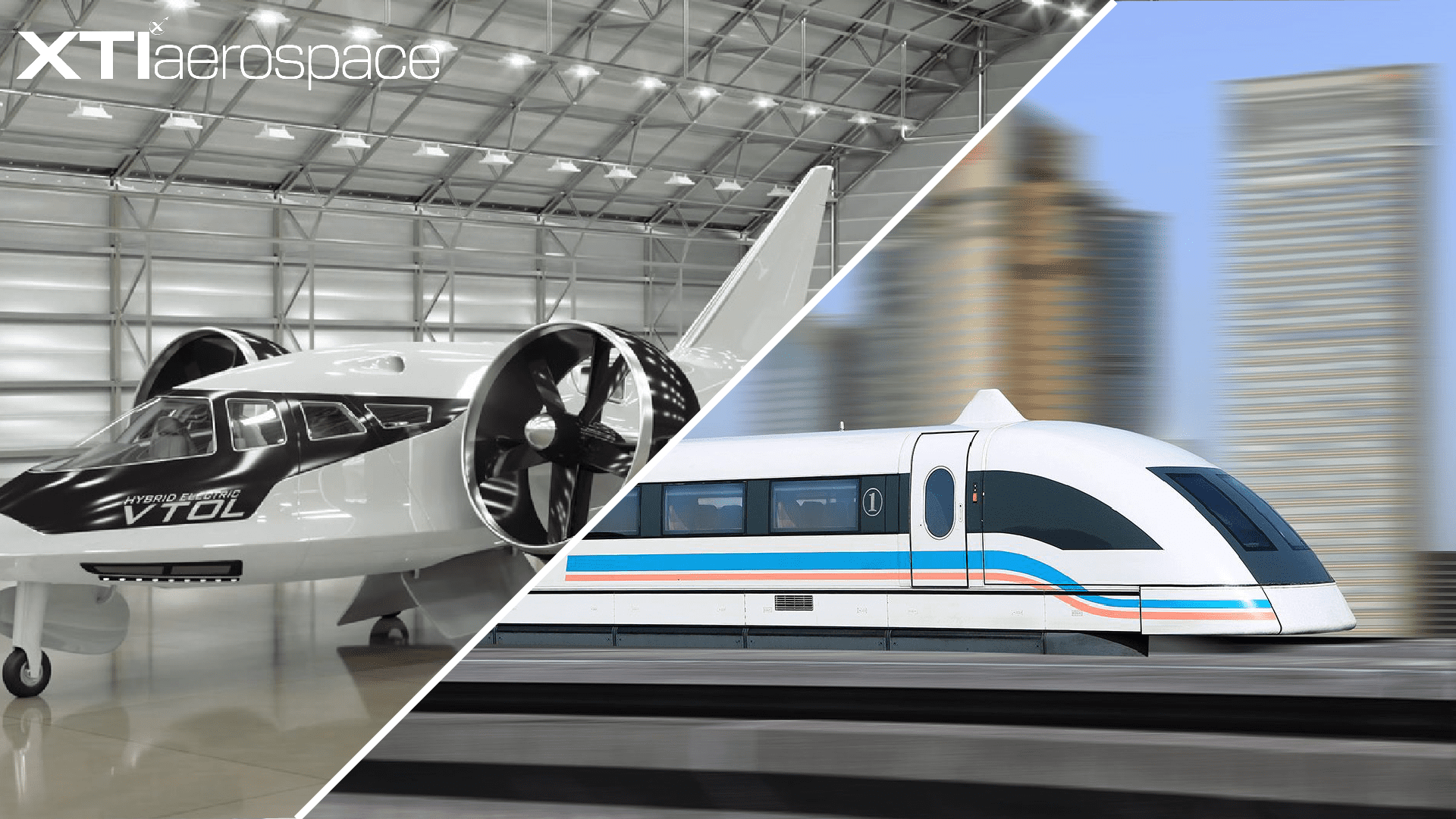
EMS systems, most famously utilized by the Transrapid technology seen in the Shanghai Maglev, rely on attractive magnetic forces. The bottom of the train wraps around the guideway. Electromagnets on the train are attracted upward to ferromagnetic rails on the underside of the guideway.
- Gap Control: The levitation gap is very small, typically around 10 to 15 millimeters. This requires extremely sophisticated high-speed electronic sensors and feedback loops to ensure the magnets do not touch the rail.
- Low Speed Performance: One of the primary advantages of EMS is that it can levitate even when at a complete standstill. This makes it ideal for urban environments where frequent stops are necessary.
Electrodynamic Suspension (EDS)
EDS systems, such as the Japanese SCMaglev (Superconducting Maglev), utilize repulsive forces. These systems use superconducting magnets that are cooled to cryogenic temperatures (using liquid helium) to create extremely powerful magnetic fields. As the train moves, it induces currents in coils within the guideway, which create a repulsive force that pushes the train upward.
- Stability: EDS is inherently stable. If the train gets too close to the guideway, the repulsive force increases naturally, pushing it back.
- The Wheel Requirement: Because EDS relies on the motion of the train to induce the magnetic field in the guideway, the train cannot levitate at very low speeds. Consequently, EDS trains are equipped with rubber tires for taxiing and reach "take-off" speed at approximately 150 km/h (93 mph), at which point they retract their wheels and float.
Propulsion and Guidance: The Linear Motor
A maglev train does not carry a traditional engine or motor that turns wheels. Instead, it uses a Linear Synchronous Motor (LSM). In a standard electric motor, the "stator" (stationary part) and the "rotor" (rotating part) are arranged in a circle. If you were to "unroll" that motor and lay it flat along the track, you would have a linear motor.
The guideway acts as the stator, and the magnets on the train act as the rotor. By alternating the polarity of the magnets in the guideway, the system creates a magnetic wave that "pulls" the train forward from the front and "pushes" it from the back. To go faster, the frequency of the alternating current in the guideway is increased. This design means the train's power source is actually the track itself, allowing the vehicle to be lighter since it doesn't need to carry heavy fuel or large internal combustion engines.
Guidance is achieved through a similar process. Side-mounted magnets or coils ensure the train stays centered. If the train begins to drift to one side, the magnetic forces automatically increase on that side to push it back into the center of the guideway channel.
Comparing Maglev to Conventional High-Speed Rail
As of 2026, the debate between Maglev and High-Speed Rail (HSR) continues to center on the balance between performance and infrastructure compatibility.
| Feature | Maglev (Magnetic Levitation) | Conventional High-Speed Rail (HSR) |
|---|---|---|
| Maximum Speed | 600+ km/h (Record: 603 km/h) | ~350 km/h (Commercial limits) |
| Friction | None (Aerodynamic drag only) | Rolling friction + Aerodynamic drag |
| Maintenance | Low (No contact wear) | High (Track and wheel wear) |
| Gradient Capacity | Can climb steep hills (up to 10%) | Limited (usually ~4% max) |
| Interoperability | None (Requires dedicated guideway) | High (Can use existing rail networks) |
| Initial Cost | Extremely High | High |
| Noise Profile | Quiet at low speeds; wind noise at high | Mechanical rumble + wind noise |
The Global Landscape in 2026
By 2026, the implementation of maglev technology has moved from experimental prototypes to critical infrastructure milestones in several key regions.
China: The High-Speed Leader
China remains the only country operating a high-speed commercial maglev line, the Shanghai Maglev, which connects Pudong International Airport to the city's outskirts. However, the most significant recent development is the deployment of the 600 km/h high-speed maglev prototype developed by CRRC Qingdao Sifang. This system is designed to fill the "speed gap" between 350 km/h high-speed rail and 900 km/h commercial jet travel.
Japan: The Chuo Shinkansen
Japan is currently making significant progress on the Chuo Shinkansen line. Utilizing SCMaglev technology, this line is designed to connect Tokyo and Nagoya in approximately 40 minutes—a journey that takes over 90 minutes by existing Shinkansen. While environmental challenges in Shizuoka Prefecture have impacted the timeline, the project represents the pinnacle of EDS technology, utilizing Niobium-Titanium superconducting magnets.
South Korea and Europe
South Korea continues to utilize medium-speed maglev for urban transit, focusing on the Incheon Airport Maglev as a showcase for quiet, vibration-free metropolitan transport. In Europe, while the German Transrapid projects were largely shelved in favor of traditional rail, several private startups are exploring "Passive Maglev" or "Inductrack" systems for cargo and short-haul passenger pods.
Advantages of Magnetic Levitation
The reasons why engineers and urban planners continue to pursue maglev, despite its high costs, are rooted in several unique benefits:
- Reduced Operational Costs: Because there are no wheels, axles, or transmissions to wear out, the long-term maintenance costs of the vehicles are significantly lower than those of traditional trains. The guideway also suffers less wear because the weight is distributed magnetically rather than concentrated at specific contact points.
- Safety: Maglev trains are virtually impossible to derail. The train "wraps" around the guideway (in EMS) or sits inside a deep U-shaped channel (in EDS), making it physically constrained. Furthermore, because the propulsion is controlled by the guideway, two trains on the same track cannot collide because they are "locked" into the same magnetic wave frequency.
- Environmental Impact: Maglevs are 100% electric. When powered by renewable energy sources, they produce zero operational carbon emissions. Additionally, they produce less noise pollution than conventional trains because there is no "click-clack" of wheels on rails.
- Weather Resilience: Because the propulsion system does not rely on friction, maglev trains are less affected by snow, ice, or heavy rain, which can cause traditional trains to lose traction.
Implementation Challenges and Hurdles
The primary reason maglev has not yet replaced traditional rail globally is interoperability. A conventional high-speed train can leave a dedicated high-speed track and continue its journey on older, slower tracks to reach a city center. A maglev train is tethered to its guideway; once the guideway ends, the journey ends. This requires the construction of entirely new, expensive corridors through densely populated areas.
Furthermore, the initial capital expenditure (CAPEX) for maglev is immense. Building a maglev guideway is more expensive than laying steel tracks because the guideway must be embedded with complex coils and power electronics. This makes the "price per mile" a significant barrier for many developing nations.
Frequently Asked Questions
Is maglev faster than a plane?
In terms of pure cruising speed, commercial jets are faster (typically 800–900 km/h). However, for distances under 1,000 kilometers, maglev is often faster "door-to-door." This is because maglev stations can be located in city centers, eliminating the long commute to airports, security lines, and taxiing times.
Does maglev use a lot of electricity?
Maglev is highly efficient at high speeds because it eliminates rolling resistance. However, at lower speeds, the energy required to maintain levitation (especially in EMS systems) can be significant. Overall, per passenger mile, maglev is more energy-efficient than short-haul flights but comparable to or slightly higher than modern high-speed electric rail.
Is the magnetic field dangerous for passengers?
No. The magnetic fields are highly localized to the area between the train and the guideway. Modern maglev vehicles utilize extensive shielding to ensure that the magnetic flux inside the passenger cabin is lower than that of many common household appliances. People with pacemakers or sensitive medical devices can safely ride maglev trains.
Why doesn't the United States have a maglev?
The U.S. has several proposed projects, most notably the Northeast Maglev (NEM) which aims to connect Washington D.C. to New York City using Japanese SCMaglev technology. The primary hurdles in the U.S. are land acquisition, environmental reviews, and the massive federal funding required for dedicated infrastructure that does not integrate with the existing Amtrak network.
Does maglev stand for something different in other industries?
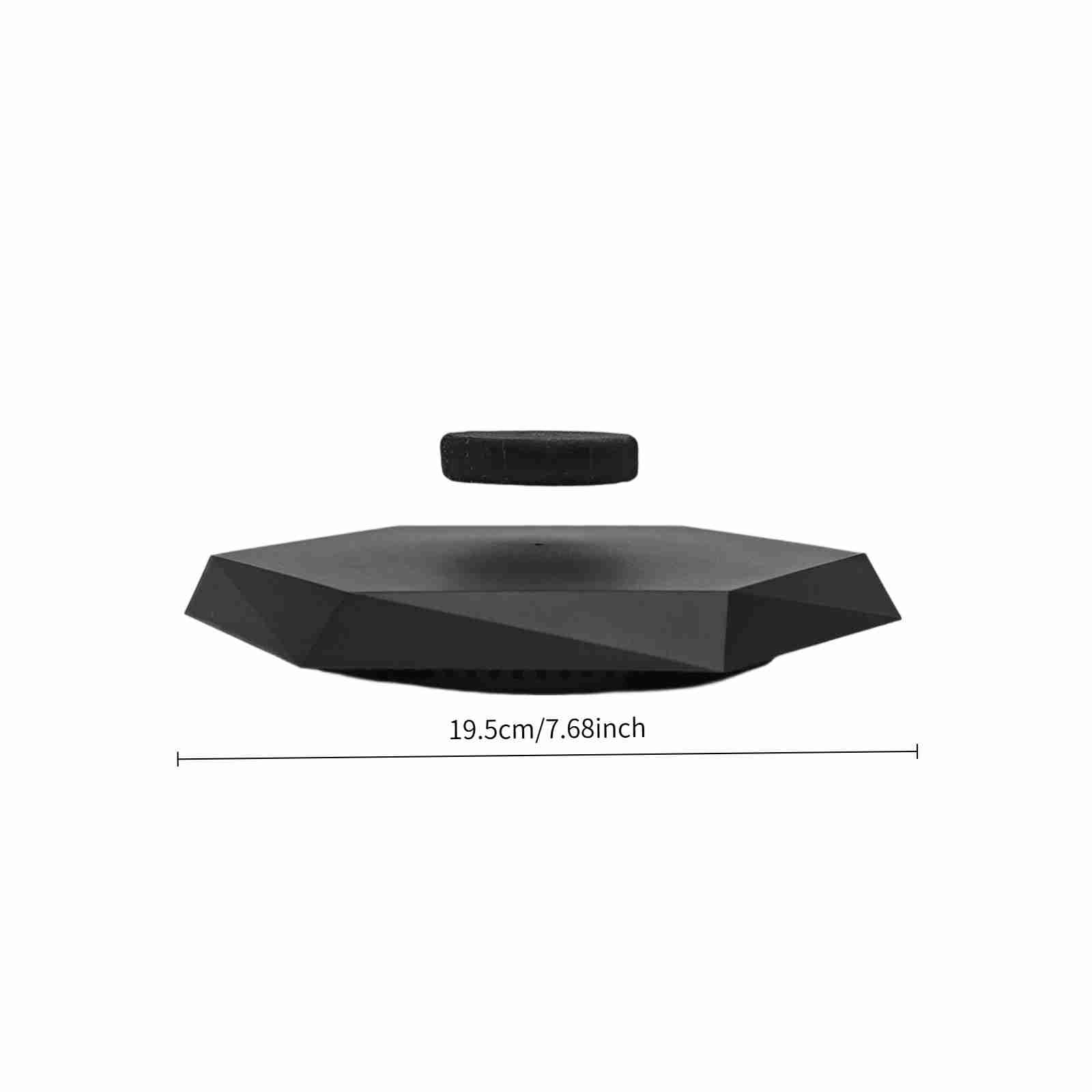
While "Magnetic Levitation" is the universal definition in transport, the term is also used in laboratory settings for "magnetic levitation-based density measurement" and in high-end audio for "maglev turntables." In these cases, the principle—using magnetic fields to negate gravity and friction—remains exactly the same.
Summary of Next Actions
For those looking to explore the practical application or potential of maglev technology in 2026, the following steps are recommended:
- For Professionals: Consult the International Maglev Board for updated standards on electromagnetic compatibility and guideway engineering.
- For Travelers: If visiting East Asia, the Shanghai Maglev remains the most accessible way to experience high-speed EMS technology, while the SCMaglev Park in Nagoya, Japan, provides a comprehensive look at the upcoming Chuo Shinkansen system.
- For Investors: Focus on companies involved in the "Superconductivity" sector and "Linear Motor" manufacturing, as these are the primary sub-sectors driving the reduction in maglev infrastructure costs.
Image Gallery