What Happens on the Wedding Night: A Realistic Guide to Expectations and Experiences
The wedding night is often a blend of profound exhaustion, emotional reflection, and varying levels of physical intimacy. While popular media frequently portrays it as a night of non-stop romance, many 2026 couples find themselves eati...
The wedding night is often a blend of profound exhaustion, emotional reflection, and varying levels of physical intimacy. While popular media frequently portrays it as a night of non-stop romance, many 2026 couples find themselves eating late-night snacks, removing dozens of hairpins, or falling asleep immediately after a 12-hour event. It marks the first private transition into a legal and emotional partnership.
Contents
The Disconnect Between Media and Reality
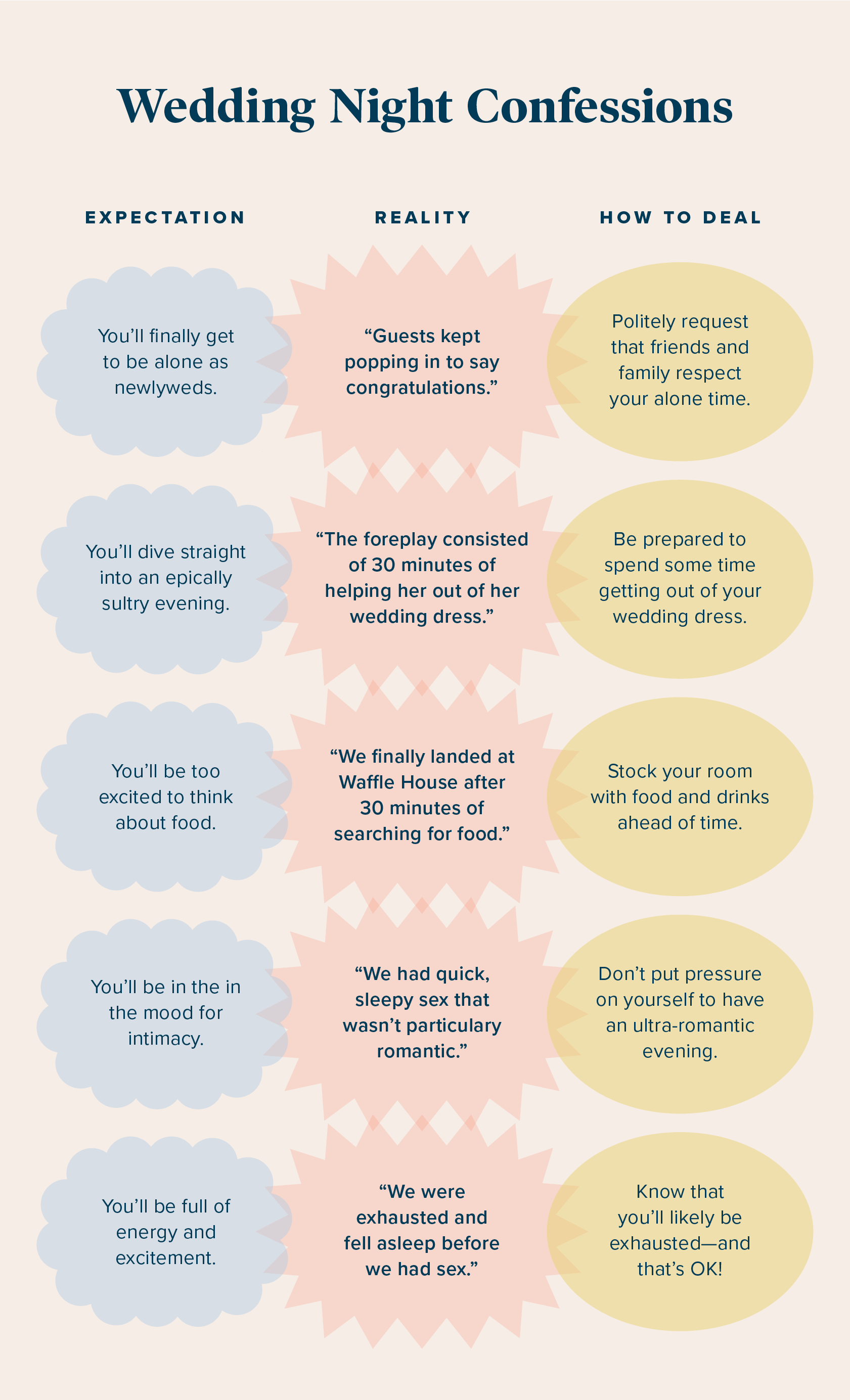
For decades, cinema and literature have painted the wedding night as the pinnacle of romantic and sexual achievement. In these narratives, the couple retreats to a candlelit suite, radiates energy despite a full day of socializing, and engages in effortless intimacy. In reality, the wedding night is the conclusion of a high-pressure marathon.
By the time most couples reach their hotel room or home in 2026, they have been awake for 15 to 18 hours, stood for several hours, and engaged in hundreds of social interactions. This leads to a physiological state of "adrenaline crash." When the nervous system finally realizes the "threat" (the performance of the wedding) is over, it signals for immediate rest. Understanding that exhaustion is the most common guest on the wedding night helps couples manage their expectations and reduce unnecessary performance anxiety.
The Physical Reality: Fatigue and the Adrenaline Drop
The physical toll of a wedding day is often underestimated. From the early morning "getting ready" phase to the final dance, the body is under constant stress. In 2026, many weddings have become multi-sensory productions involving heavy attire, loud music, and constant movement.
The Sensory Overload
Couples often experience a form of sensory processing fatigue. After hours of being photographed, hugged, and spoken to, the sudden silence of a hotel room can be jarring. It is common to feel "touched out"—a state where further physical contact, even from a spouse, feels overwhelming rather than inviting. This is a temporary biological response to overstimulation and is not a reflection of the couple's attraction to one another.
The "Hunger Gap"
A surprising number of newlyweds realize they haven't eaten a full meal all day. Despite planning an expensive menu, the "host duties" of greeting guests often prevent the couple from actually consuming their dinner. It is very common for the first hour of the wedding night to be spent ordering room service or finding a late-night food delivery app that is still operating in the early hours of the morning.
Logistics: The Unromantic Tasks
Before any romance can occur, several practical hurdles must be cleared. These tasks are rarely discussed but consume a significant portion of the night.
- Removing the Attire: Modern wedding gowns and formal suits are complex. A dress may have fifty hidden buttons, intricate lacing, or internal corsetry that requires assistance to remove.
- The Hair and Makeup Deconstruction: Professional styling involves high-hold products. Removing dozens of bobby pins and heavy waterproof makeup is a time-consuming process that often leaves the bride feeling more "grubby" than glamorous.
- Managing Gifts and Belongings: Couples often arrive at their suite with a "wedding card box," leftover bouquets, and various bags of accessories. Organizing these items so they aren't lost or stolen is a necessary, if tedious, task.
- Hydration: Due to the combination of alcohol, dancing, and talking, most newlyweds arrive at their wedding night severely dehydrated. Drinking water often takes priority over drinking more champagne.
| Aspect of the Night | Hollywood Expectation | 2026 Common Reality |
|---|---|---|
| Energy Levels | Boundless romance and vitality. | Intense physical and mental fatigue. |
| First Activity | Immediate physical intimacy. | Removing hairpins, jewelry, and shoes. |
| Food & Drink | Champagne and strawberries. | Ordering pizza or late-night fast food. |
| Conversation | Poetic vows and declarations. | Reliving funny "blooper" moments from the party. |
| Sleep | Staying up until sunrise. | Falling asleep mid-sentence by 1:00 AM. |
| Attire | Effortless transition to lingerie. | Struggling with complex zippers and corsets. |
The Emotional Connection and "The Download"
One of the most rewarding parts of the wedding night is "the download." This is the period where the couple finally has privacy to share their individual experiences of the day. Because the bride and groom are often separated or busy talking to different guests during the reception, the wedding night is the first time they can compare notes.
They might discuss:
- Which guest gave the most surprising toast.
- The relief of the ceremony being over.
- Small mishaps that the guests didn't notice.
- The shared feeling of being officially "The [Last Name]s."
This emotional bonding is frequently more significant than physical intimacy on this specific night. It cements the partnership through shared secrets and mutual relief. For many, this quiet conversation is the moment the reality of being married actually sinks in.
Managing Expectations Around Intimacy
There is often a perceived pressure to "consummate" the marriage on the wedding night. However, statistics from major bridal publications like The Knot and Brides consistently show that a significant percentage of couples—sometimes upwards of 50%—do not have sex on their wedding night.
The Impact of Alcohol and Stress
Alcohol consumption during the reception can impair physical performance and lead to dehydration, making intimacy less appealing or physically difficult. Additionally, high levels of cortisol (the stress hormone) can suppress libido.
Consent and Comfort
The wedding night should be governed by the same principles of enthusiastic consent as any other night. If one or both partners are too tired, it is healthier to prioritize rest. Pressuring oneself or a partner to perform simply because of the date on the calendar can create a negative start to the marriage. Many couples find that the following morning, after a few hours of sleep and a meal, is a much more romantic and successful time for intimacy.
Preparing for the Night: Practical Tips
To make the wedding night as smooth as possible, couples in 2026 often utilize "Wedding Night Kits" or pre-planned logistics.
- Pack a "Go-Bag": Ensure your overnight bag has essentials like makeup remover, extra-strength moisturizer, comfortable pajamas, and phone chargers.
- Pre-order Food: If the hotel doesn't offer 24-hour room service, have non-perishable snacks or a pre-arranged delivery option ready.
- Hydration Stations: Leave a few liters of water by the bedside before you head to the ceremony.
- Communicate Early: Discuss your expectations a week before the wedding. Saying, "I might be too tired for anything but sleep," removes the "rejection" element if that proves true on the night.
- Hotel Check-in: Ensure someone (a bridesmaid or groomsman) has dropped off your bags at the hotel and checked you in earlier in the day so you aren't standing at a front desk in a tuxedo at 2:00 AM.
Cultural and Religious Variations
While the "exhaustion" narrative is common in Western secular weddings, cultural traditions can drastically change what happens on the wedding night.
In some cultures, the wedding night is preceded by specific rituals, such as the Joota Chupai (shoe hiding) in South Asian weddings, which can extend the festivities well into the night. In other traditions, the couple may be expected to host a small group of close family members for a final blessing or meal before being left alone. For couples entering marriage within religious frameworks that prioritize the wedding night as the first instance of intimacy, the evening may carry more weight and nervous anticipation. In these cases, prioritizing patience and communication is even more vital.
The Transition to the Morning After
The wedding night officially ends when the couple wakes up the next morning. In 2026, the "morning after" is often when the romance truly begins. Without the pressure of a schedule or hundreds of watching eyes, the couple can enjoy a slow breakfast and begin their new life together.
The first morning often involves:
- Checking Social Media: Seeing the photos and videos guests posted while the couple was busy.
- Opening Envelopes: Many couples enjoy reading the cards and well-wishes from their guests over coffee.
- The "Post-Wedding Blues": It is normal to feel a slight emotional dip after the "high" of the wedding. Having a quiet, supportive morning together helps navigate this transition.
Frequently Asked Questions
Do most couples have sex on their wedding night? No, it is increasingly common for couples to wait until the next morning or the start of the honeymoon. Factors like exhaustion, alcohol consumption, and the physical effort of the wedding day often lead to sleep being the primary activity.
What should we do if we are too tired for romance? Normalize it. The most important thing is to be together. Focus on "the download"—talking about your favorite parts of the day—and prioritize getting quality rest so you can enjoy your first day as a married couple.
How long does it take to get ready for bed? Expect it to take 30 to 60 minutes. Between unpinning complex hairstyles, removing heavy makeup, and getting out of formal wear, the "deconstruction" process is much longer than a standard nightly routine.
Should we stay at the wedding venue or a separate hotel? Staying at a separate hotel or a nearby suite provides a psychological break from the event. It allows you to "leave the party behind" and transition into your private space, which can help with relaxation.
Is it normal to feel sad or empty on the wedding night? Yes. This is often referred to as an "adrenaline crash." After months or years of planning, the sudden conclusion of the event can leave a temporary emotional vacuum. This feeling usually passes within 24 to 48 hours.
Final Recommendation
To ensure a positive wedding night experience, prioritize comfort over performance. Ensure you have a plan for food and hydration, and give yourselves permission to simply exist in each other's company without the need for a "perfect" romantic finale. The wedding night is the beginning of a lifetime together; there is no rush to accomplish everything in the first few hours of marriage.
Image Gallery