Happy Gilmore 2: Cast Members, Returning Favorites, and New Additions
The production of Happy Gilmore 2 marks the highly anticipated return of Adam Sandler’s iconic 1996 character to the golf course. The ensemble cast features a strategic mix of original stars reprising their roles and high-profile newco...
The production of Happy Gilmore 2 marks the highly anticipated return of Adam Sandler’s iconic 1996 character to the golf course. The ensemble cast features a strategic mix of original stars reprising their roles and high-profile newcomers from the worlds of professional sports, music, and comedy, blending nostalgia with fresh comedic dynamics for a modern audience.
Contents
The Return of Adam Sandler and Legacy Characters
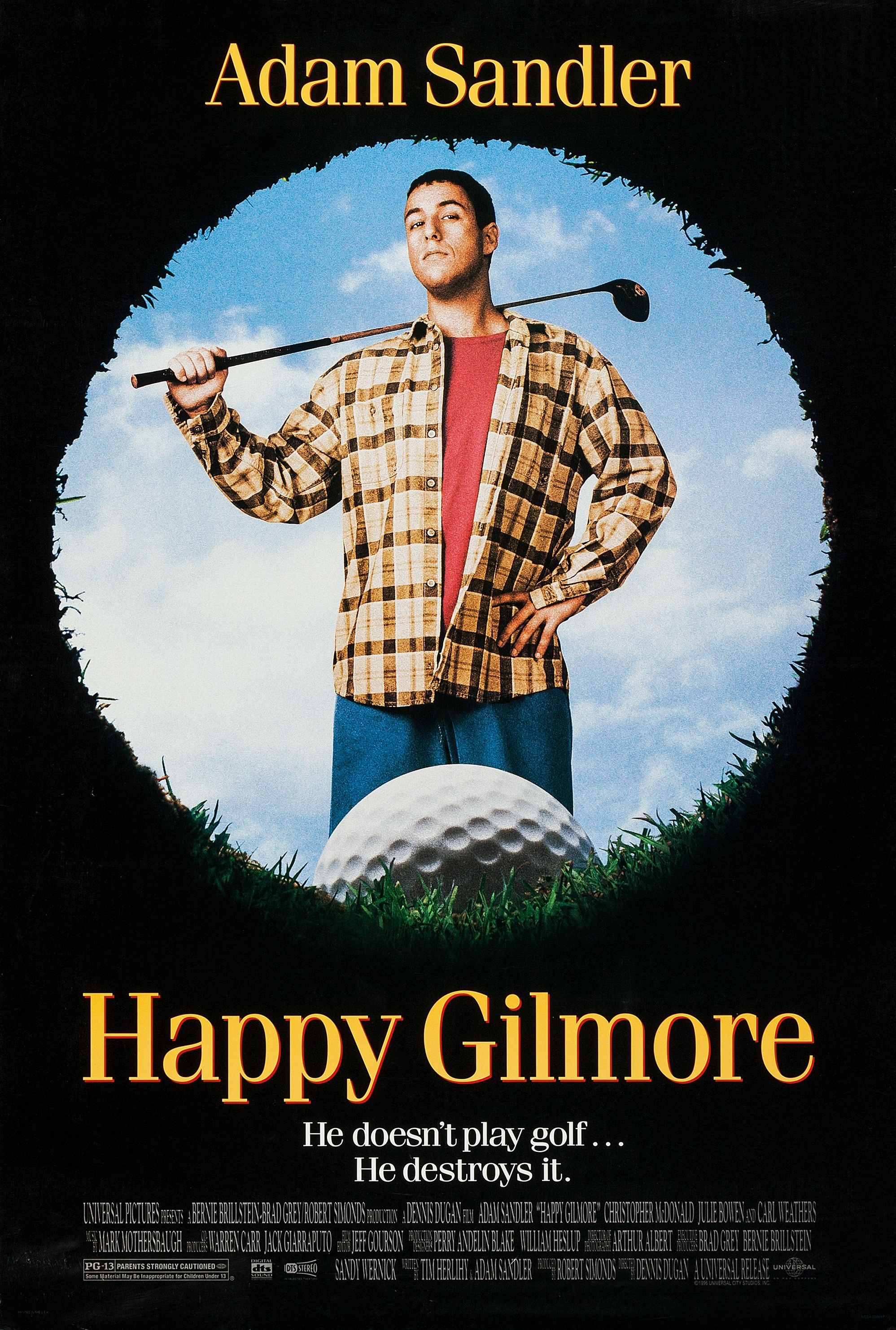
The centerpiece of Happy Gilmore 2 is the return of Adam Sandler as the titular character, Happy Gilmore. After nearly three decades, the film picks up with the former hockey player turned professional golfer navigating a vastly different sports landscape. Sandler’s involvement serves as the primary anchor for the narrative, maintaining the abrasive yet lovable persona that defined the original cult classic.
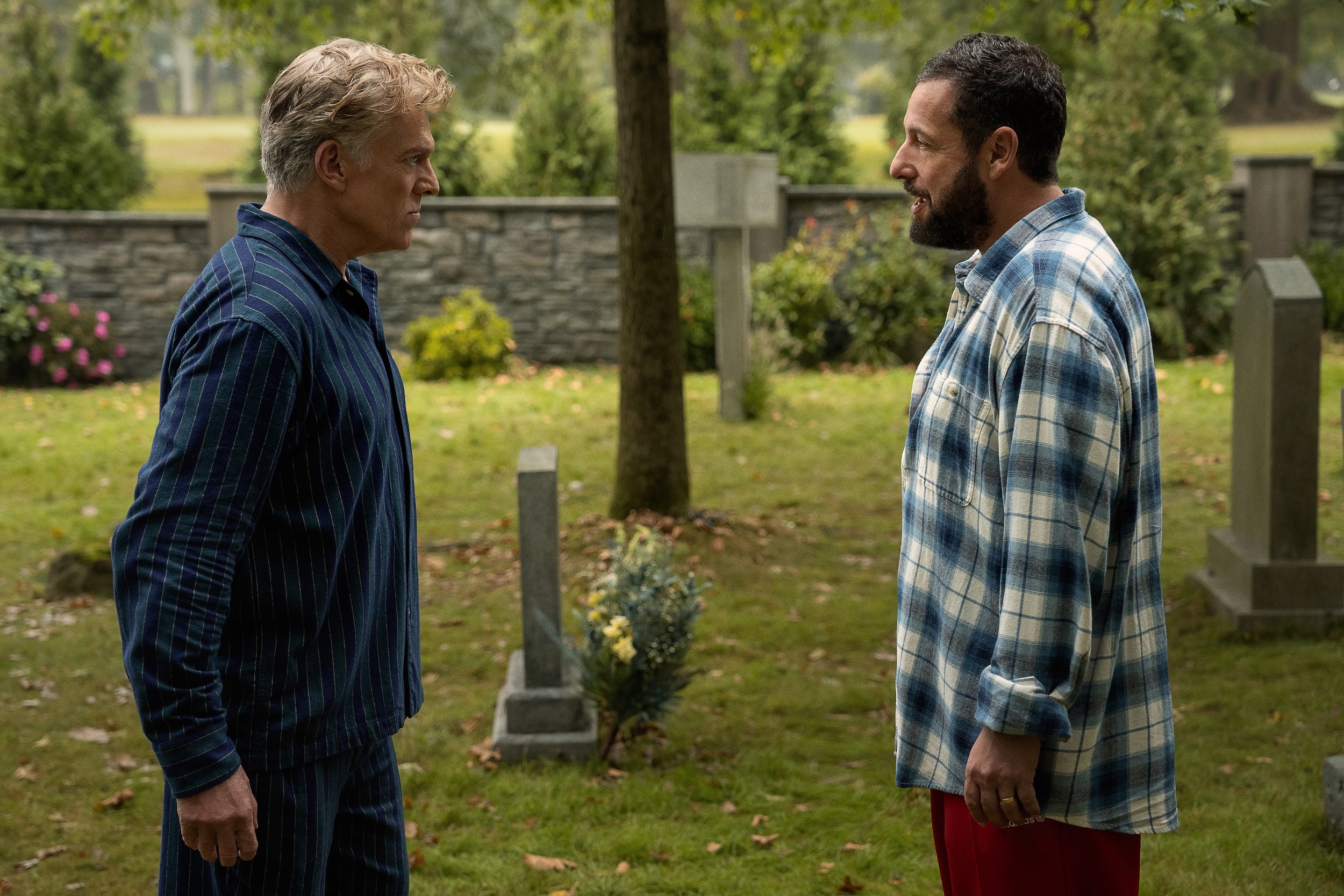
Alongside Sandler, the production brings back key figures from the 1996 film. Christopher McDonald returns to portray Shooter McGavin, Happy’s legendary antagonist. McDonald’s ability to slip back into the role of the arrogant, hyper-competitive professional golfer is central to the film’s conflict. His dynamic with Sandler remains the engine of the movie, providing the necessary adversarial tension required for the high-stakes, slapstick-driven narrative.
Julie Bowen also reprises her role as Virginia Venit, the public relations director who eventually becomes Happy’s love interest. Her return provides a necessary emotional bridge between the original film and the sequel, offering continuity as the character evolves in the 2026 setting.
New Additions and Cameo Appearances
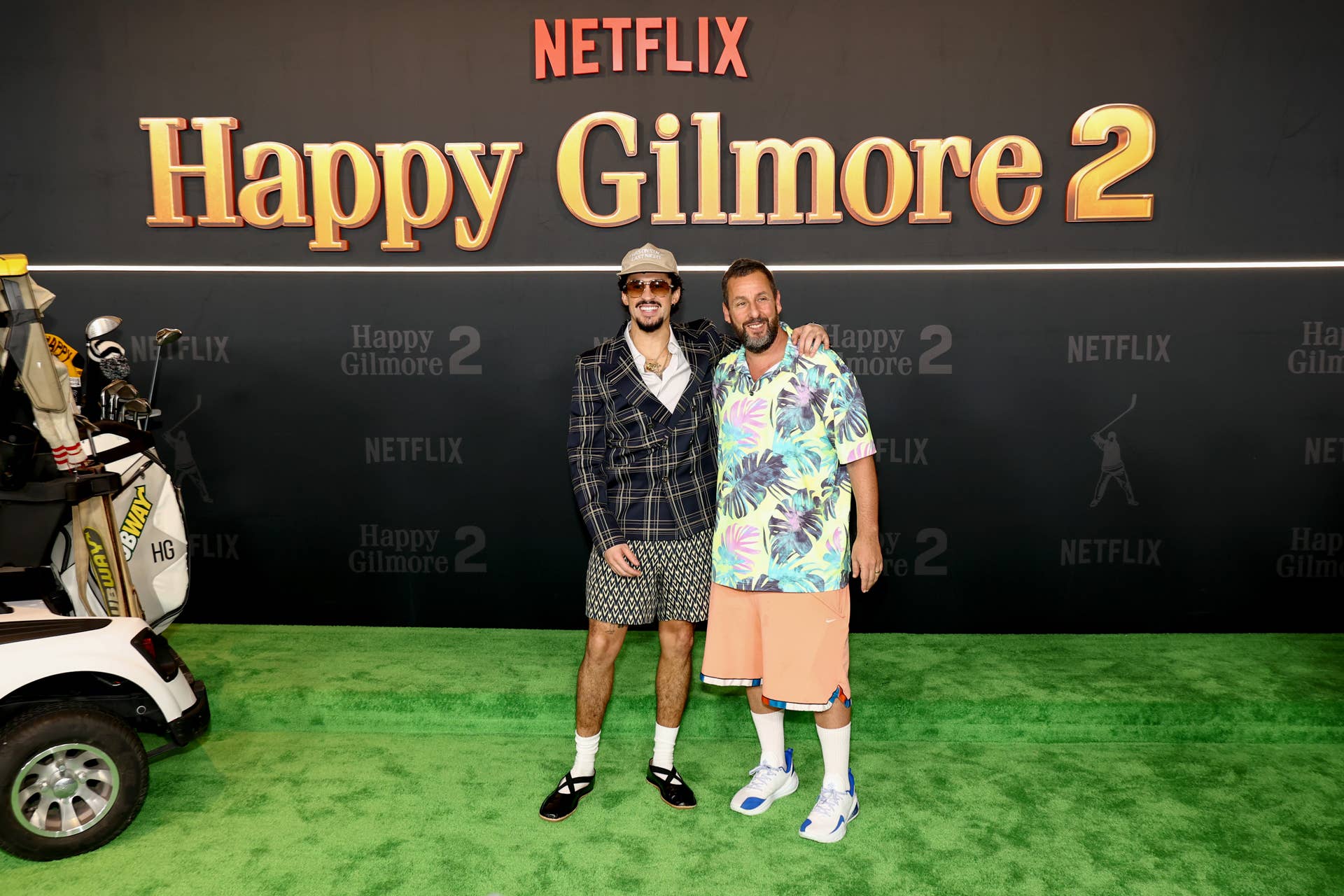
The cast expansion for Happy Gilmore 2 reflects a broader strategy to integrate contemporary cultural icons. A major addition to the roster is Bad Bunny, the internationally renowned musical artist and actor, who joins the ensemble in an undisclosed but significant capacity. His inclusion highlights the film's effort to reach a wider, cross-generational audience, moving beyond the niche of traditional sports-comedy fans.
Professional sports integration remains a hallmark of the franchise. Given the original film’s reliance on real-world golf cameos, the sequel continues this tradition by featuring Kansas City Chiefs quarterback Patrick Mahomes. His presence, alongside other professional athletes, reinforces the film's "world of sports" setting and underscores the crossover appeal that defines the franchise. By embedding recognizable names from the NFL and professional golf circuits, the filmmakers ground the absurdity of the plot in a recognizable, high-profile reality.
Comparison of Key Cast Roles
The following table outlines the returning and new cast members who play essential roles in the production, categorized by their narrative function within the film.
| Actor | Role | Status | Character Archetype |
|---|---|---|---|
| Adam Sandler | Happy Gilmore | Returning | The Protagonist |
| Christopher McDonald | Shooter McGavin | Returning | The Primary Antagonist |
| Julie Bowen | Virginia Venit | Returning | The Moral Compass |
| Bad Bunny | TBD | New | Wildcard / Supporting |
| Patrick Mahomes | Himself | Cameo | Sports Cultural Icon |
Expanding the Comedic Ensemble
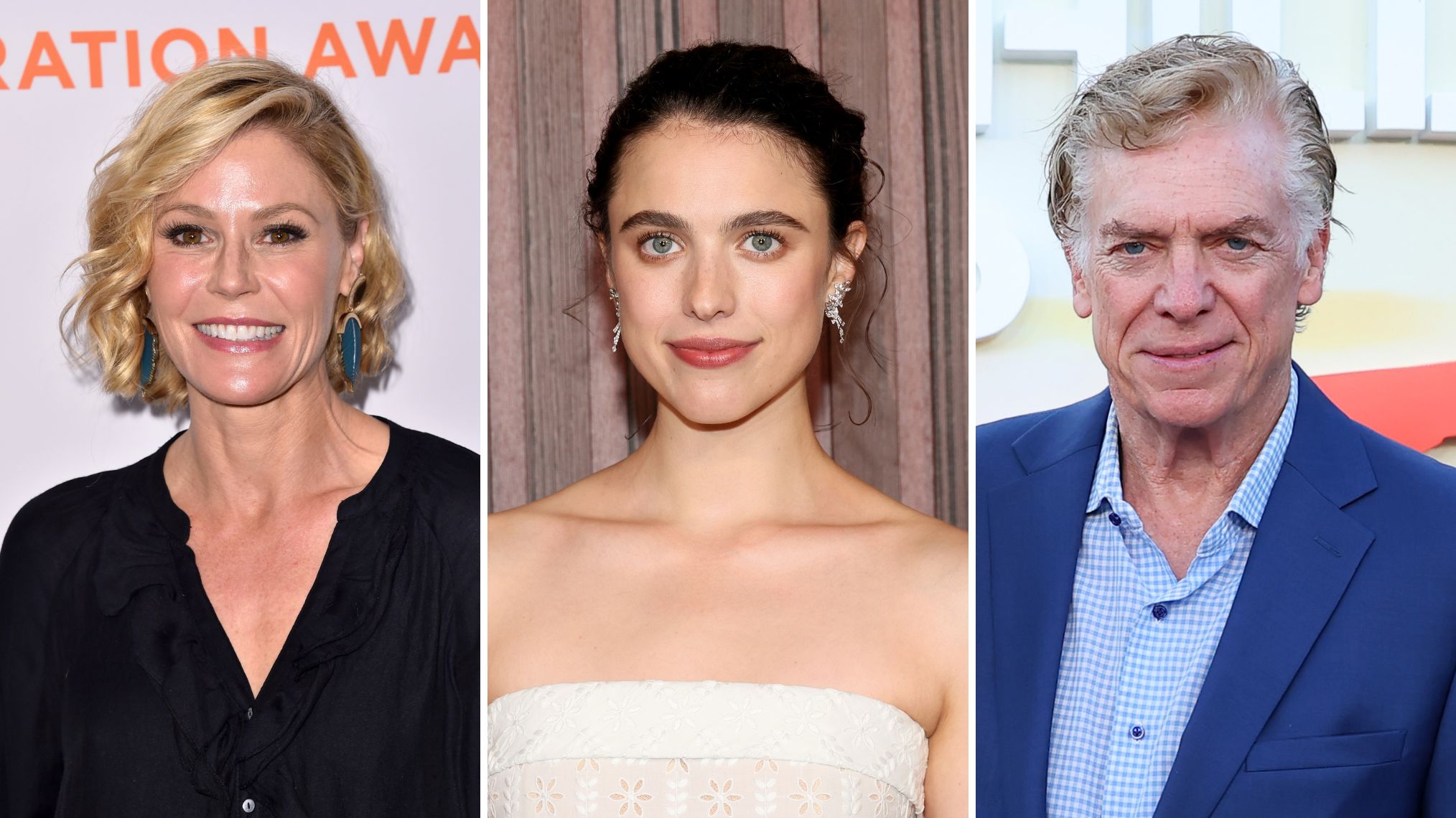
The inclusion of Margaret Qualley, a rising star in dramatic and comedic roles, adds a layer of depth to the supporting cast. Her role is designed to contrast with the chaotic energy of Sandler and McDonald, likely serving as a grounding element for the newer plot developments. Furthermore, the film features Nick Swardson, a long-time collaborator of Sandler’s, who brings a distinct brand of absurd humor that complements the tone established in the 1990s.
The casting decisions prioritize chemistry over traditional genre expectations. By pairing legacy comedy performers with modern pop culture figures, the producers ensure that the comedic rhythm remains consistent with the original film while avoiding the stagnation that often affects sequels produced decades later. The interaction between the established "old guard" of Happy and Shooter and the "new guard" of fresh faces suggests a generational clash that likely forms the crux of the new plot.
Navigating the 2026 Sports Landscape
The setting of 2026 is critical to understanding the roles played by the actors. Unlike the 1996 film, where Happy Gilmore was an outlier in a rigid, traditional golf world, the 2026 iteration acknowledges the current professional golf industry—which is characterized by high-stakes media rights, influencer culture, and significant shifts in professional tours.
The actors playing athletes or industry insiders are tasked with embodying these modern shifts. The role of the "athlete" has evolved from the buttoned-up professionalism seen in the original to the highly curated, personality-driven brand management visible in 2026. This environment provides a wealth of comedic fodder for the cast, particularly for characters like Shooter McGavin, who must now navigate a landscape where his outdated ego is pitted against contemporary trends.
Behind the Scenes: Casting Directives
The casting process for Happy Gilmore 2 was characterized by a heavy reliance on established personal relationships within the production team. Adam Sandler’s production company, Happy Madison, historically favors a collaborative environment where long-term professional relationships dictate the cast list. This explains the return of supporting actors who have appeared in multiple Sandler projects over the last twenty years.
The integration of new talent like Bad Bunny represents a shift toward "event casting." In the 2026 film market, having high-profile figures from outside the film industry is a common strategy to boost visibility across social media platforms. These appearances are rarely intended to carry the narrative load, but rather to function as "anchor points" that draw in fans of the individual performers, thereby diversifying the audience base.
FAQ: Understanding the Cast of Happy Gilmore 2
Are any original actors missing from the sequel? Due to the passage of time, some cast members from the 1996 original are unable to participate. Most notably, Carl Weathers, who played Chubbs Peterson, passed away in 2024. His character’s legacy is expected to be addressed in the film through a narrative tribute rather than a recast, maintaining respect for his specific contribution to the franchise.
How do the new actors change the film's tone? The new additions bring a more contemporary, fast-paced comedic rhythm to the sequel. By balancing the familiar slapstick humor of the 90s with modern, high-energy performances, the cast creates a bridge between the nostalgia of the original and the expectations of 2026 audiences.
Is Patrick Mahomes a major character? Patrick Mahomes appears in a cameo role that reflects his status as a major sports icon. He does not serve as a primary lead; his inclusion is designed to ground the film in the modern sports atmosphere, similar to how the original film featured various professional golfers to add an element of authenticity.
Why was Bad Bunny cast in this film? Bad Bunny was selected as part of an effort to broaden the film's appeal. His global popularity and history of playing eccentric, memorable characters in film make him a strategic addition to a comedic ensemble that relies on high-energy, personality-driven performances.
Will the film rely heavily on improvisational comedy? Consistent with the filmography of Adam Sandler, the cast was encouraged to lean into improvisation. The chemistry between the veteran cast members and the new additions is bolstered by unscripted moments, allowing for the character dynamics to develop naturally on set.
Recommendation for Viewers
To fully appreciate the roles of the actors in Happy Gilmore 2, it is recommended that viewers revisit the 1996 original to understand the established history between Happy, Shooter, and Virginia. Understanding the original character arcs provides the necessary context for the shifting dynamics in the 2026 installment, particularly how these characters have adapted—or failed to adapt—to the modern era of professional golf.
Image Gallery