Why the Right Office Chair Matters for the Overweight
Selecting a specialized office chair is a critical decision for overweight individuals to ensure workplace safety, long-term musculoskeletal health, and sustained productivity. Unlike standard models, these chairs utilize reinforced fr...
Selecting a specialized office chair is a critical decision for overweight individuals to ensure workplace safety, long-term musculoskeletal health, and sustained productivity. Unlike standard models, these chairs utilize reinforced frames and heavy-duty components that prevent structural failure while providing the specific ergonomic geometry required to support larger frames without restricted circulation.
Contents
Standard office furniture is typically engineered to accommodate the 5th to 95th percentile of the population, which usually caps weight limits at 250 pounds (113 kg). For users exceeding this limit, the "standard" chair is not merely uncomfortable; it is a specialized tool that has been underspecified for the task. In 2026, the integration of advanced materials and data-driven ergonomics has made it clear that the right seating is a fundamental requirement for inclusive, healthy workspaces.
The Structural Integrity Gap: Beyond Weight Limits
The most immediate reason the right chair matters is basic structural safety. Office chairs are complex mechanical assemblies consisting of a base, a gas lift cylinder, a seat plate, and a backrest. Each of these components has a failure point.
When a user exceeds the rated capacity of a standard chair, the most common point of failure is the gas lift cylinder. This pressurized component allows for height adjustment, but in an underspecified chair, the seals can fail, leading to a "sinking" chair or, in rare cases, a catastrophic pressure release. Heavy-duty chairs (often categorized as "Big and Tall") utilize Class 4 or higher gas cylinders, which are designed to handle 400 to 500 pounds or more through reinforced steel casings and high-durability internal valving.
Furthermore, the base of the chair is often a point of overlooked danger. Standard chairs frequently use nylon or low-grade plastic bases. Overweight users put significant lateral stress on these bases when shifting weight or leaning. A specialized chair uses reinforced aluminum or heavy-gauge steel bases with a wider diameter to increase the center of gravity and prevent tipping. In 2026, many high-end manufacturers have transitioned to single-piece cast metal bases for their heavy-duty lines to eliminate the weld points that traditionally served as weakness markers.
Ergonomic Geometry and Pressure Distribution
Ergonomics is the science of fitting the task to the person. For an overweight individual, a standard chair's geometry often forces the body into a "pinched" posture. This occurs because the seat pan is typically too narrow, and the armrests are set too close together.
Seat Pan Width and Depth
The "right" chair provides a seat pan that is wide enough to accommodate the hips without the user feeling the pressure of the armrest supports. If a seat is too narrow, it creates "thigh-pinching," which can compress the lateral femoral cutaneous nerve, leading to numbness or pain in the outer thigh.
Seat depth is equally vital. A seat pan that is too deep will press against the back of the knees, restricting blood flow through the popliteal artery. Conversely, a seat that is too shallow does not provide enough surface area to distribute weight, leading to high-pressure points on the ischial tuberosities (sit bones). For users with more significant body mass, a deeper seat pan with a "waterfall" front edge is essential to ensure that weight is distributed across the largest possible area of the thighs, reducing the risk of pressure sores and improving lower-limb circulation.
Lumbar Support Placement
Many standard chairs feature a lumbar curve that is fixed or has limited vertical travel. For a larger individual, the "depth" of the lumbar support—how far it protrudes—is often more important than its height. The right chair for the overweight offers adjustable lumbar depth. This allows the user to fill the gap between the chair and their spine, maintaining the natural S-curve of the back and preventing the slouching that leads to herniated discs and chronic lower back pain.
Health Implications: Circulation and Nerve Health
The long-term health consequences of using the wrong chair are significant. For individuals with higher body mass, the risk of Deep Vein Thrombosis (DVT) and peripheral edema is already statistically higher due to potential circulatory challenges. An ill-fitting chair exacerbates these risks.
When a chair is too small, it acts as a tourniquet. The edges of the seat pan and the tension of the fabric can restrict venous return—the process of blood moving from the extremities back to the heart. This leads to swelling in the ankles and feet, which over time can cause permanent damage to the valves in the veins (venous insufficiency).
Furthermore, the right chair matters because of heat dissipation. Many standard office chairs use thick, non-breathable foam covered in low-grade polyester or faux leather. These materials trap body heat, leading to perspiration and skin irritation, which can develop into dermatitis or heat rashes in a professional setting. Modern heavy-duty chairs in 2026 prioritize high-tensile mesh or specialized antimicrobial fabrics that facilitate airflow, keeping the user cool and protecting skin integrity.
Comparison: Standard vs. Heavy-Duty Ergonomic Chairs
| Feature | Standard Office Chair | Heavy-Duty (Big & Tall) Chair |
|---|---|---|
| Weight Capacity | 200 – 250 lbs (90 – 113 kg) | 350 – 500+ lbs (158 – 226+ kg) |
| Seat Width | 17" – 20" | 22" – 28" |
| Gas Lift Cylinder | Class 2 or 3 (Standard) | Class 4 (Heavy-Duty/Reinforced) |
| Base Material | Nylon or Plastic | Reinforced Aluminum or Steel |
| Foam Density | Low to Medium (2.5 lb/cu ft) | High-Density (5.0+ lb/cu ft) |
| Warranty Focus | General mechanical failure | Structural integrity and 24/7 use |
The Impact on Productivity and Psychological Comfort
Beyond the physical and medical reasons, the right office chair is a tool for mental focus. It is difficult to remain productive when one is constantly adjusting their position to avoid a "bottoming out" feeling.
Standard chair foam is often rated by its Indentation Load Deflection (ILD). Low-density foam may feel soft initially but will compress completely under higher weights, leaving the user sitting on the hard plywood or plastic substrate of the seat pan. Specialized chairs use high-resiliency (HR) foam that maintains its shape and support over 8–10 hours of use. This consistency allows the user to focus on their work tasks rather than the mounting physical discomfort of an inadequate cushion.
There is also the factor of "equipment anxiety." Individuals who know they are over the weight limit of their office furniture often live with the subtle, persistent fear that the chair will break during a meeting or in front of colleagues. This creates a stressful work environment. Providing or purchasing the correct chair eliminates this psychological burden, fostering a sense of belonging and professional respect in the workplace.
BIFMA Standards: The Technical Benchmark
When selecting a chair, it is essential to look for BIFMA (Business and Institutional Furniture Manufacturers Association) certification. Specifically, BIFMA X5.11 is the standard for "Large Occupant Office Chairs." This standard was developed specifically to ensure that chairs intended for users weighing between 253 and 400 pounds meet rigorous safety and durability requirements.
Testing for this certification involves:
- Backrest Strength: Ensuring the backrest can withstand high pressure without snapping or losing its tilt tension.
- Base Stability: Testing for tipping when the user is at the extreme edge of the seat pan.
- Drop Testing: Dropping weights onto the seat to simulate the force of someone sitting down quickly.
A chair that meets these standards is not just a "larger version" of a regular chair; it is an engineered solution designed to withstand the unique physics of higher body mass.
Common Mistakes to Avoid
When companies or individuals try to save money on seating, they often fall into several traps:
- Buying "Wide" instead of "Heavy-Duty": Some chairs are built with wide seats but standard-grade cylinders and bases. Always verify the weight capacity, not just the dimensions.
- Ignoring the Armrests: Ensure the armrests are attached to the seat frame with heavy-duty bolts. Many users use the armrests to assist in standing up; in a standard chair, this lateral force can cause the armrests to snap off.
- Neglecting the Floor Surface: Heavy-duty chairs require heavy-duty casters. Using standard casters on a carpeted floor while supporting high weight can lead to the casters shattering or damaging the floor. Look for "hard-floor" or "reinforced carpet" casters specifically rated for the chair's maximum capacity.
Frequently Asked Questions
Is a mesh chair or a padded chair better for overweight users?
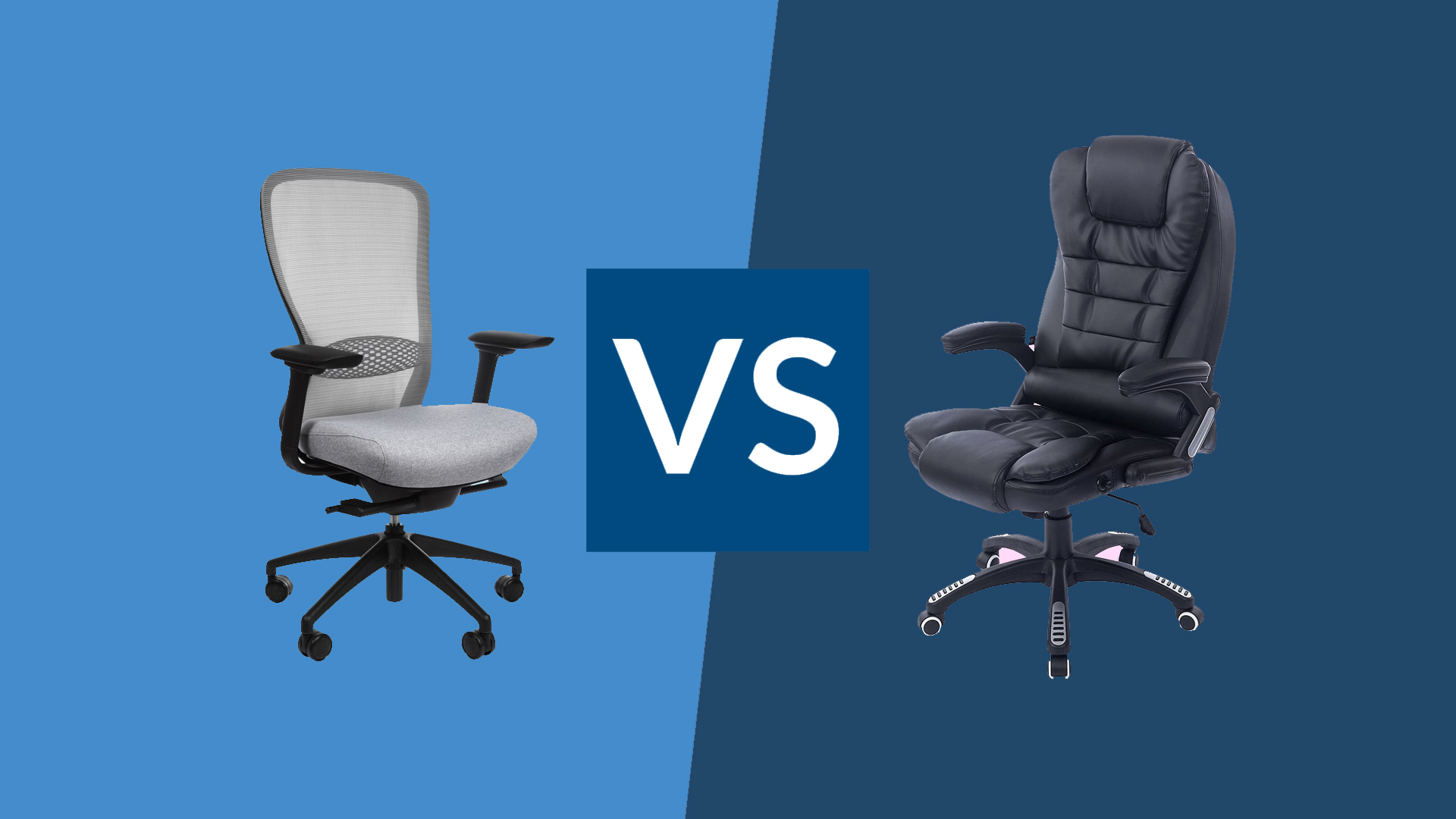
Both have benefits, but mesh is often preferred for temperature regulation. However, it is vital to ensure the mesh is "high-tensile." Low-quality mesh can sag over time, losing its ergonomic shape. High-density padded chairs provide more "cushion," which some users prefer for protecting the sit bones, provided the foam is high-resiliency.
How often should a heavy-duty office chair be replaced?
A high-quality heavy-duty chair should last 7 to 10 years. However, in 24/7 environments (like call centers), this may be reduced to 5 years. Check for signs of "sinking" in the gas lift or flattening of the seat foam as indicators that the chair's structural integrity is waning.
Why are specialized chairs so much more expensive?
The cost is driven by material grade. Heavy-gauge steel, reinforced aluminum, and high-density foam are significantly more expensive than the materials used in mass-market chairs. Additionally, the engineering and testing required to meet BIFMA X5.11 standards add to the manufacturing cost.
Can I just upgrade the gas cylinder on my current chair?
This is generally not recommended. While you can buy a Class 4 cylinder, the rest of the chair (the seat plate, the base, and the bolts) was still designed for a lower weight limit. Upgrading one component creates a "weakest link" scenario where another part of the chair may fail unexpectedly.
How do I know if the seat depth is right for me?
When sitting with your back firmly against the backrest, there should be a gap of about two to three fingers between the front edge of the seat and the back of your knees. If the seat touches the back of your knees, it is too deep and will eventually cause circulatory issues.
Recommendation for Next Actions
To ensure safety and health in the workplace, start by verifying the weight capacity of your current seating. If the user is within 10-15% of the chair's maximum limit, it is time to upgrade. Prioritize chairs that specifically cite BIFMA X5.11 compliance. When testing a new chair, focus on seat width and the "bottoming out" feel of the foam; if you can feel the hard structure of the chair through the cushion within five minutes of sitting, the foam density is insufficient for long-term use. For employers, providing these specialized chairs is not just an ergonomic best practice; it is a vital component of workplace safety and ADA-compliant inclusivity.
Image Gallery