Understanding the Heat Shift in Detroit Neighborhoods: Urban Climate Trends and Resilience
The heat shift in Detroit neighborhoods refers to the intensifying Urban Heat Island (UHI) effect, where specific urban pockets experience temperatures significantly higher—often by 8°F to 14°F—than surrounding rural or suburban areas....
The heat shift in Detroit neighborhoods refers to the intensifying Urban Heat Island (UHI) effect, where specific urban pockets experience temperatures significantly higher—often by 8°F to 14°F—than surrounding rural or suburban areas. As of 2026, this shift is driven by a combination of high-density impervious surfaces, declining tree canopies in specific corridors, and global climate trends that have lengthened the city's extreme heat season.
Contents
Understanding this shift is critical for residents and urban planners alike, as it directly impacts public health, energy expenditures, and the city’s overall infrastructure resilience. This article explores the technical drivers of Detroit’s thermal landscape, the neighborhoods most affected, and the strategies currently being deployed to mitigate these rising temperatures.
The Mechanics of the Urban Heat Island (UHI) in Detroit
The "heat shift" is not a uniform warming of the city; rather, it is a localized phenomenon governed by the physical properties of the urban environment. To understand why certain Detroit neighborhoods, like Southwest Detroit or the North End, feel significantly hotter than Palmer Woods or Indian Village, one must look at three primary scientific factors: thermal inertia, the albedo effect, and evapotranspiration.
Thermal Inertia and Heat Retention
Urban materials such as asphalt, concrete, and brick have high thermal inertia. This means they absorb large amounts of solar radiation during the day and release it slowly at night. In Detroit’s more densely built-up neighborhoods, the ground and buildings act as a "thermal battery." While rural areas cool down rapidly after sunset, Detroit’s urban core and industrial corridors remain warm, preventing the physiological "nighttime recovery" essential for human health during heatwaves.
The Albedo Effect
Albedo measures how much solar energy a surface reflects. Dark surfaces, such as the flat tar roofs common in Detroit’s industrial zones and older commercial strips, have low albedo. They absorb up to 90% of the sun’s energy. The "shift" in Detroit has been exacerbated by the loss of reflective surfaces and the aging of building materials that have darkened over time due to pollution and wear.
Evapotranspiration Deficits
Plants and trees cool the air through a process called evapotranspiration—essentially "sweating" for plants. In neighborhoods with a robust tree canopy, temperatures are moderated by the release of moisture and the provision of shade. However, Detroit has faced a significant "canopy shift" over the last several decades, driven by Dutch Elm disease, the Emerald Ash Borer, and inconsistent maintenance, leaving many blocks with "heat gaps" where vegetation once stood.
The Geography of Heat: Mapping Detroit’s Neighborhood Variance
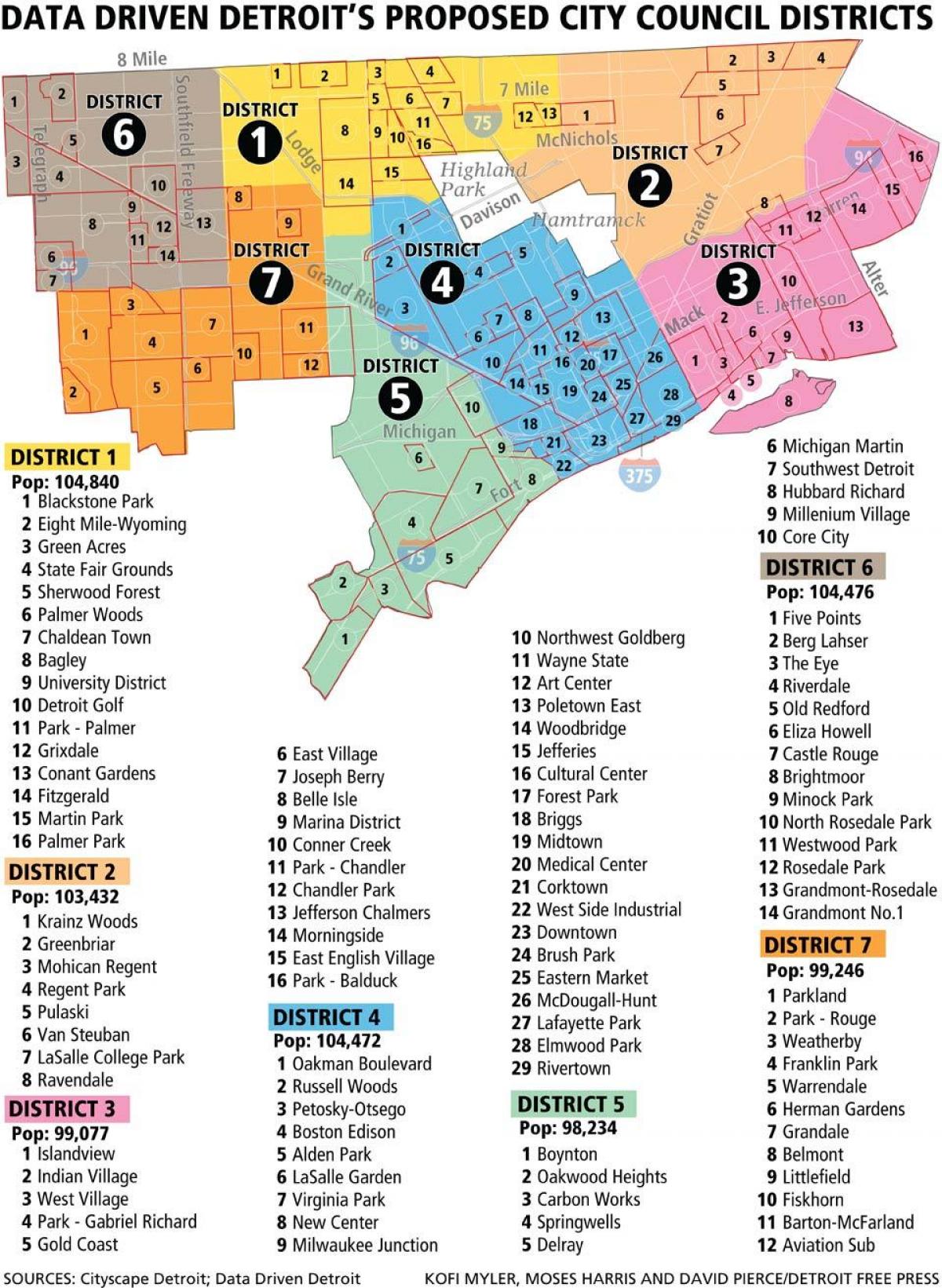
The heat shift is most visible when analyzing neighborhood-level data. The City of Detroit, in collaboration with regional partners like SEMCOG (Southeastern Michigan Council of Governments), has identified specific "hot spots" where the UHI effect is most pronounced.
Southwest Detroit (48209, 48217)
Southwest Detroit represents the epicenter of the heat shift. This area is characterized by heavy industrial land use, proximity to major trucking corridors (I-75 and the Ambassador Bridge), and a high concentration of impervious surfaces. The lack of significant parkland compared to the population density makes this one of the most thermally vulnerable areas in the city.
The North End and Central Districts
Neighborhoods like the North End have seen a shift in heat intensity as vacant lots—which once provided some cooling through grass and weeds—are developed or remain unmanaged with compacted soil that lacks the cooling capacity of healthy turf. The high ratio of dark rooftops to green space in these areas contributes to a sustained "dome" of heat during the summer months.
Brightmoor and the "Green Shift"
Conversely, some neighborhoods are experiencing a reverse shift. In areas like Brightmoor, the increase in urban farming, community gardens, and intentional reforestation projects has begun to create "cool islands." This demonstrates that the heat shift is not irreversible; rather, it is a direct consequence of land-management decisions.
Identifying the Primary Drivers of Detroit’s Thermal Shift
By 2026, several key factors have converged to accelerate the heat shift within the city limits. These are not merely environmental accidents but are the results of decades of infrastructure development and maintenance patterns.
- Impervious Surface Density: Detroit’s extensive network of wide residential streets and large commercial parking lots creates a massive heat-absorbing footprint. As these surfaces age, they often become darker and more heat-absorbent.
- Building Density and Geometry: The "urban canyon" effect occurs when tall buildings or closely packed houses trap heat between them, preventing wind from circulating and cooling the street level. This is particularly noticeable in the Midtown and Downtown corridors.
- Waste Heat Production: Air conditioning units, vehicle engines, and industrial processes vent heat directly into the local atmosphere. In neighborhoods with high traffic volume, this "anthropogenic heat" can add 2°F to 3°F to the ambient temperature.
- Tree Canopy Disparity: According to data from American Forests, Detroit’s tree canopy is unevenly distributed. Wealthier, historically preserved neighborhoods often have double or triple the canopy coverage of lower-income residential areas.
Comparative Analysis of Neighborhood Heat Metrics
The following table illustrates the variance in heat intensity across several representative Detroit neighborhoods based on 2025–2026 climate observations and canopy data.
| Neighborhood | Avg. Surface Temp Elevation (vs. Rural) | Tree Canopy Coverage | Primary Land Use | Vulnerability Rating |
|---|---|---|---|---|
| Southwest Detroit | +11.4°F | 12% | Industrial/Heavy Transit | Extreme |
| Jefferson-Chalmers | +4.2°F | 26% | Residential/Waterfront | Moderate |
| Palmer Woods | +1.8°F | 44% | Historic Residential | Low |
| North End | +8.9°F | 18% | High-Density Residential | High |
| Warrendale | +7.1°F | 21% | Mid-Density Residential | Elevated |
| Brightmoor | +3.5°F | 31% | Open Space/Urban Farm | Low-Moderate |
Public Health and Economic Consequences of the Heat Shift
The heat shift is more than a matter of discomfort; it is a significant driver of inequity in Detroit. The consequences are bifurcated into health risks and financial burdens.
Health Impacts and "Heat Equity"
Extreme heat is the leading cause of weather-related deaths in the United States. In Detroit, the shift toward higher nighttime temperatures is particularly dangerous for the elderly and those with pre-existing respiratory or cardiovascular conditions. When the body cannot cool down at night, the cumulative stress leads to heat exhaustion and heatstroke. Furthermore, the UHI effect exacerbates air quality issues; higher temperatures accelerate the formation of ground-level ozone, a major trigger for asthma, which already affects Detroiters at higher-than-average rates.
The Economic Burden of Cooling
As the heat shift intensifies, the cost of maintaining a safe indoor environment rises. Residents in high-heat neighborhoods face significantly higher utility bills. For many Detroiters living in older, poorly insulated homes, the "energy burden"—the percentage of household income spent on energy—is unsustainable. This often leads to a dangerous trade-off where residents forgo air conditioning to save money, increasing their risk of heat-related illness.
Mitigation Strategies: Reversing the Trend in 2026
The City of Detroit, through its Office of Sustainability, has implemented several initiatives to counter the heat shift. These strategies focus on long-term infrastructure changes rather than temporary fixes.
- The "10,000 Trees" Initiative: A concentrated effort to restore the canopy in neighborhoods with low "Tree Equity" scores. By 2026, thousands of new trees have been planted in the North End and Southwest Detroit to provide natural cooling.
- Cool Roof Requirements: New developments and major renovations in the city are increasingly encouraged or required to use high-albedo roofing materials (cool roofs) that reflect sunlight rather than absorbing it.
- Permeable Pavement and Bioswales: By replacing traditional asphalt with permeable materials and installing bioswales, the city is reducing heat retention while also managing stormwater—a dual-benefit approach for neighborhoods like Jefferson-Chalmers that face both heat and flooding risks.
- Expanding Cooling Centers: Recognizing the immediate danger, Detroit has expanded its network of "Cooling Centers" in libraries and recreation centers, ensuring that no resident is more than a 15-minute walk or bus ride from a climate-controlled environment.
Frequently Asked Questions
What is the primary cause of the heat shift in Detroit?
The shift is primarily caused by the Urban Heat Island (UHI) effect, where human-made surfaces like asphalt and concrete absorb and re-radiate solar heat. This is worsened by a lack of tree canopy and the presence of industrial waste heat in specific neighborhood corridors.
Which Detroit neighborhoods are the hottest?
Southwest Detroit (including the 48217 zip code) and the North End are among the hottest areas due to high industrial activity and low vegetation. Conversely, neighborhoods like Palmer Woods and Sherwood Forest remain cooler due to their extensive, mature tree canopies.
How does the heat shift affect my electricity bill?
Residents in high-heat neighborhoods often pay 15% to 30% more for cooling because their homes are surrounded by heat-absorbing surfaces that prevent the building from cooling down naturally at night, forcing air conditioning systems to work harder for longer durations.
Are there programs to help Detroiters manage heat?
Yes. The City of Detroit offers weatherization assistance programs to help improve home insulation. Additionally, the Detroit Water and Sewerage Department (DWSD) and various non-profits provide assistance for residents struggling with high utility burdens during extreme heat months.
How can planting trees help my neighborhood?
Trees provide two types of cooling: direct shade, which can reduce surface temperatures of walls and roofs by up to 20°F–45°F, and evapotranspiration, which cools the surrounding air. Over time, a healthy canopy can lower a neighborhood's ambient temperature by several degrees.
Strategic Recommendations for Residents
To navigate the ongoing heat shift in Detroit, residents should prioritize home weatherization and participate in local greening efforts. Installing reflective window films, maintaining existing shade trees, and utilizing "cool" paving materials for driveways are effective individual actions. On a community level, advocating for "Tree Equity" in local planning meetings ensures that municipal resources are directed toward the neighborhoods that need thermal relief the most. For those in immediate need of cooling assistance, contacting the Detroit Health Department for the current list of active cooling centers is a vital safety step during the peak summer months.
Image Gallery