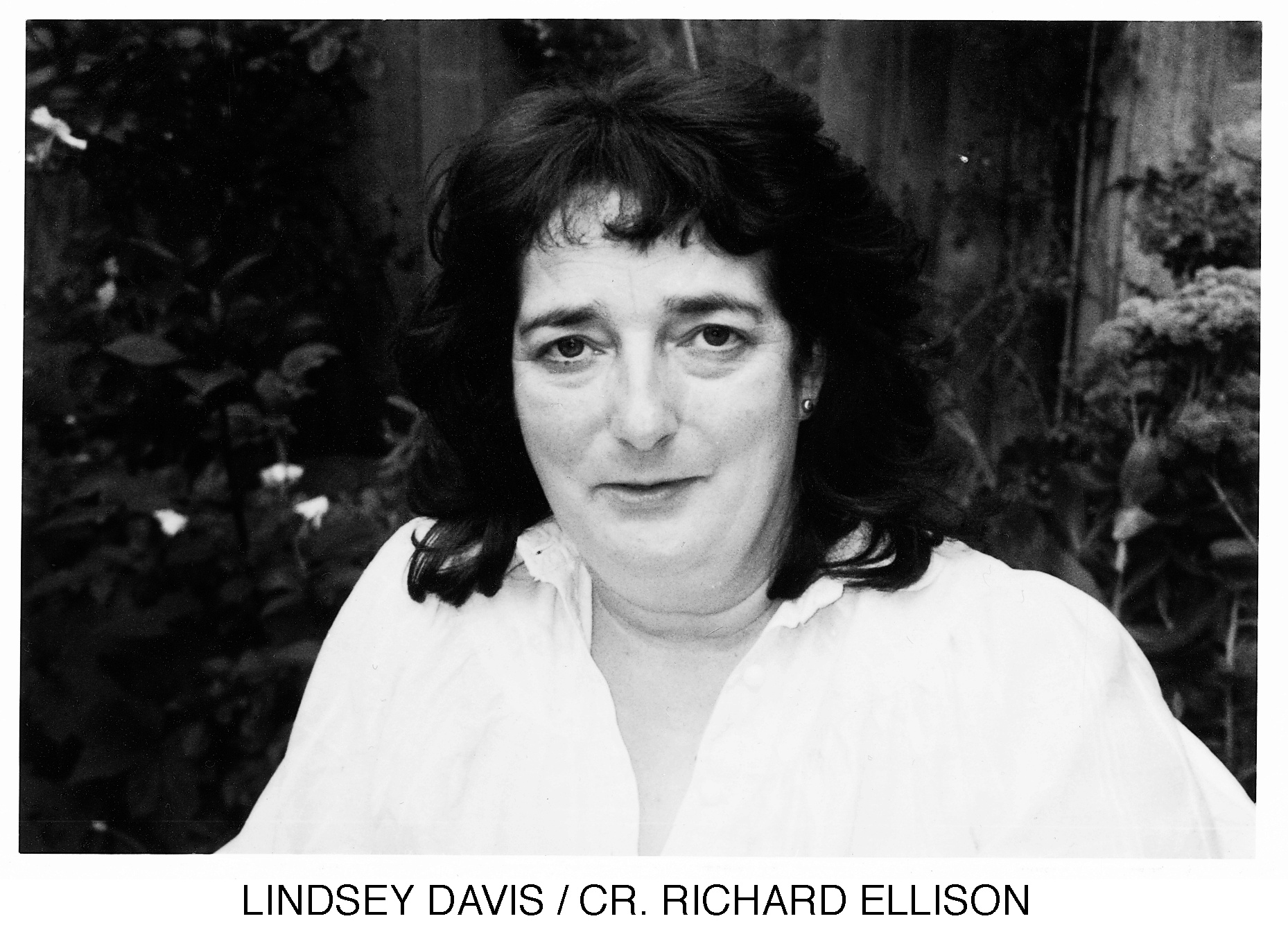
A Comprehensive Guide to the Literary Contributions of Author Lindsey Davis
Lindsey Davis is a highly acclaimed British historical novelist best known for her iconic Falco series, which follows the adventures of Marcus Didius Falco, a private informer in first-century Rome. As of 2026, her expansive body of wo...
Lindsey Davis is a highly acclaimed British historical novelist best known for her iconic Falco series, which follows the adventures of Marcus Didius Falco, a private informer in first-century Rome. As of 2026, her expansive body of work remains a cornerstone of historical mystery literature, celebrated for its meticulous research, sharp wit, and authentic portrayal of Ancient Roman life.
Contents
The Evolution of the Falco Series
The foundation of Lindsey Davis's literary reputation is the Marcus Didius Falco series, a collection of novels that pioneered the "historical mystery" genre by blending noir-style detective tropes with rigorous historical accuracy. The narrative arc follows Falco through the reign of Emperor Vespasian, beginning with the 1989 publication of The Silver Pigs.
Throughout her career, Davis has masterfully navigated the complexities of Roman social stratification, including the roles of the plebeians, the equestrian order, and the imperial administration. Her work is recognized for its ability to humanize figures from antiquity, moving beyond the marble-statue archetypes often found in historical fiction. By 2026, the series has grown to encompass over twenty installments, each building on the political instability and daily urban struggles of Rome.
Literary Style and Historical Methodology
What distinguishes Davis from many of her contemporaries is her commitment to the "detective" structure applied to a pre-modern setting. She balances the investigative procedural with an immersive atmospheric experience. Readers often note that while the mysteries are compelling, the true value of the books lies in the granular details of Roman domesticity, commerce, and law.
Key Elements of Davis’s Writing
- Topographical Accuracy: Davis utilizes her extensive knowledge of Roman archeology to ground her mysteries in real locations, from the Subura slums to the lavish palaces on the Palatine Hill.
- Linguistic Tone: She employs a distinctively modern, cynical, and humorous voice for her protagonists, which creates an immediate connection for the contemporary reader while maintaining historical integrity.
- Social Commentary: The series frequently explores themes of corruption, class disparity, and the fragile nature of political power, themes that remain resonant in 2026.
- Evolution of Characters: Unlike many procedural series, Falco’s life progresses naturally; he ages, experiences career shifts, enters into complex relationships, and faces genuine personal loss, providing a multi-decade character study.
Chronological Overview of Significant Works
The following table outlines key markers in the publishing history of the Falco series and her transition into the Flavia Albia series, which focuses on Falco’s adopted daughter.
| Publication Era | Series Focus | Notable Developments |
|---|---|---|
| 1989 – 1995 | Early Falco | Establishment of the "Informer" archetype in Vespasian's Rome. |
| 1996 – 2005 | Mid-Career Falco | Deepening of the Falco-Helena relationship and political intrigue. |
| 2006 – 2013 | Late Falco | Conclusion of the primary Falco narrative arc. |
| 2013 – 2026 | Flavia Albia | Transition to the next generation of investigators in Rome. |
The Transition to Flavia Albia
In 2013, Lindsey Davis shifted her primary creative focus to the Flavia Albia series. Flavia, a British-born Roman citizen and a professional informer in her own right, operates during the reign of Emperor Domitian. This shift allowed Davis to explore a different, arguably darker, period of Roman history. For readers in 2026, the Flavia Albia series represents the maturation of Davis’s craft, where the mysteries have become increasingly complex and the social critiques more pointed.
Why the Shift Mattered for Fans
Transitioning from the established voice of Marcus Didius Falco to his daughter provided a fresh perspective on the Roman underworld. Where Falco was a product of the post-civil war era, Albia deals with the paranoia and rigid hierarchy of Domitian’s imperial court. This change has been widely praised by critics for preventing the stagnation often seen in long-running mystery series.
Analyzing Davis’s Influence on Historical Fiction
Davis's work serves as a benchmark for authors aiming to balance historical fidelity with commercial accessibility. Her influence is visible in the way the genre has moved toward more "grounded" portrayals of the ancient world. In 2026, the literary community views her not just as a genre writer, but as a significant historical commentator whose work has encouraged a wider interest in Roman studies among the general public.
Research and Authenticity Standard
Lindsey Davis consistently prioritizes the integration of classical source material. Her research often involves examining primary texts from Roman historians such as Tacitus, Suetonius, and Pliny the Younger. This academic rigor ensures that the political and social backdrops of her novels are not merely decorative but are essential components of the plot architecture.
Frequently Asked Questions
What is the best starting point for reading Lindsey Davis?
The most effective way to enter the author’s body of work is to begin with the first published Falco novel, The Silver Pigs. While individual books often feature standalone mysteries, the character development and overarching social themes are best appreciated by following the chronological order of publication.
Does Lindsey Davis focus only on Ancient Rome?
While Ancient Rome is her primary creative domain, Davis has written outside of this era, though the vast majority of her bibliography is dedicated to the Roman world. Her primary professional identity remains inextricably linked to the mystery traditions established during the Roman Empire.
Are the Falco and Flavia Albia series connected?
Yes, they are set in the same universe. Flavia Albia is the adopted daughter of Marcus Didius Falco and Helena Justina. Characters from the original series occasionally reappear, providing a sense of continuity and rewarding long-term readers who have followed the family’s history.
What is the tone of a typical Lindsey Davis mystery?
The tone is characterized by a blend of hard-boiled detective grit and sophisticated, often ironic, humor. She avoids the temptation to romanticize the ancient world, opting instead to present a gritty, realistic, and often uncomfortable version of life in antiquity.
How does Lindsey Davis maintain historical accuracy in 2026?
Davis relies on established archaeological findings and classical historical texts. Even as our understanding of Roman life evolves through new excavations and analytical techniques, her work remains grounded in the foundational historical records that continue to be accepted by the academic community.
Recommendations for Further Reading
For those who have completed the core series, exploring her standalone historical works or her non-fiction contributions provides a deeper understanding of her research process. As you continue to explore the Roman world through her lens, focus on the social conditions of the 1st century, as these are the primary drivers of the conflicts in her narratives.
If you are a new reader, start with the early Falco novels to establish a baseline for the characters. If you prefer a more modern, fast-paced investigative narrative, the later Flavia Albia novels provide a refined look at the later Roman imperial period. Engaging with her work in its entirety offers a comprehensive view of how one author can sustain interest in a historical setting over nearly four decades of writing.
Image Gallery