Mark Redwine Case Wiki: Comprehensive 2026 Legal Timeline and Case Analysis
Mark Redwine is a Colorado resident convicted in 2021 for the second-degree murder and child abuse resulting in the death of his 13-year-old son, Dylan Redwine, in November 2012. As of 2026, Redwine remains incarcerated at the Sterling...
Mark Redwine is a Colorado resident convicted in 2021 for the second-degree murder and child abuse resulting in the death of his 13-year-old son, Dylan Redwine, in November 2012. As of 2026, Redwine remains incarcerated at the Sterling Correctional Facility, serving a 48-year sentence after exhausting his primary state-level appeals.
Contents
The disappearance and subsequent murder investigation of Dylan Redwine remain among the most documented criminal cases in the history of La Plata County, Colorado. Spanning over a decade from the initial missing persons report to the final appellate rulings, the case utilized advanced forensic anthropology, canine search evidence, and circumstantial digital footprints to secure a conviction in the absence of a confession. This comprehensive wiki-style overview details the legal framework, the investigation’s progression, and the current 2026 status of the offender.
The Disappearance of Dylan Redwine (November 2012)
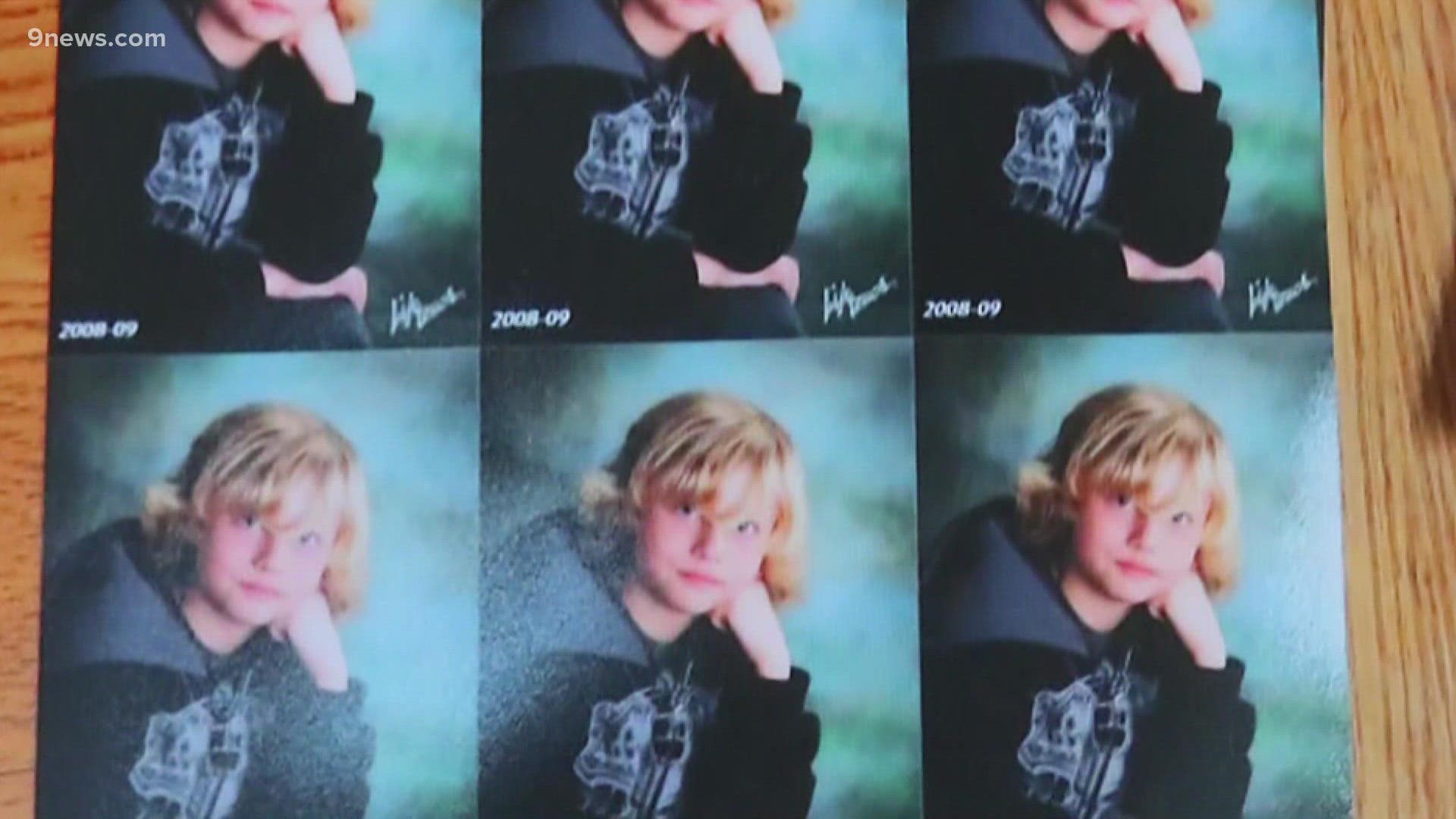
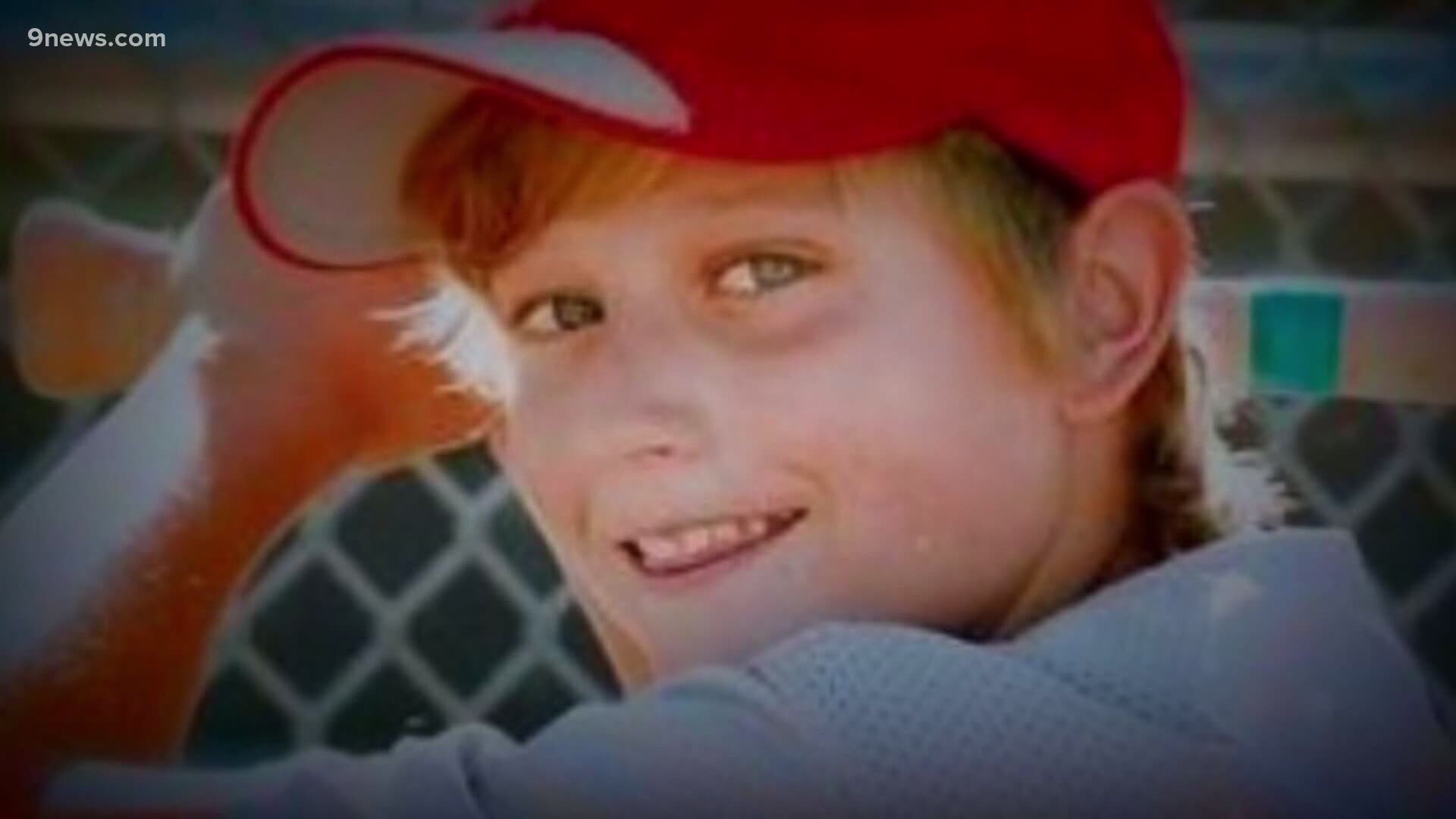
The criminal trajectory began on November 18, 2012, when Dylan Redwine arrived in Durango, Colorado, for a court-ordered visitation with his father, Mark Redwine. Dylan, who lived with his mother, Elaine Hall, in the Colorado Springs area, was reportedly reluctant to visit his father due to a deteriorating relationship.
The tension between father and son was exacerbated by Dylan’s discovery of "compromising photos" of Mark Redwine, which Dylan and his brother, Cory Redwine, had intended to use as leverage or confrontation during the visit. The prosecution later established that these photos served as a primary catalyst for the fatal confrontation.
Last Known Movements and Initial Report
Dylan was last seen alive on the evening of November 18, 2012. Surveillance footage from a local Walmart and a McDonald's in Durango captured the pair shortly after Dylan's flight landed. By the morning of November 19, 2012, Mark Redwine claimed he awoke to find Dylan gone, suggesting his son had gone to visit a friend. When Dylan failed to respond to text messages or show up at a friend's house, he was reported missing.
The initial search involved local law enforcement, the FBI, and hundreds of volunteers. Despite the scale of the effort, no trace of Dylan was found in the immediate vicinity of Mark Redwine's home in Vallecito.
Forensic Discovery: The Middle Mountain Evidence (2013–2015)
The investigation shifted from a missing person case to a recovery operation as months passed without contact or sightings. The rugged terrain of the San Juan National Forest posed significant logistical challenges for search teams.
2013: Partial Remains Found
In June 2013, search teams discovered several of Dylan's bones on Middle Mountain, approximately eight miles from Mark Redwine’s home. The location was significant because it was accessible by a road that Mark Redwine was known to frequent. Despite this discovery, the La Plata County Sheriff's Office did not have sufficient evidence to file charges at that time, and the cause of death remained undetermined.
2015: Discovery of the Skull
A pivotal turn in the case occurred in 2015 when hikers found Dylan’s skull further up Middle Mountain. Forensic anthropologists identified marks on the skull consistent with "sharp force injuries." This discovery allowed investigators to conclude that Dylan’s death was a homicide. The placement of the skull, separate from the other remains, suggested either animal scavenging or deliberate concealment.
The Indictment and Legal Proceedings
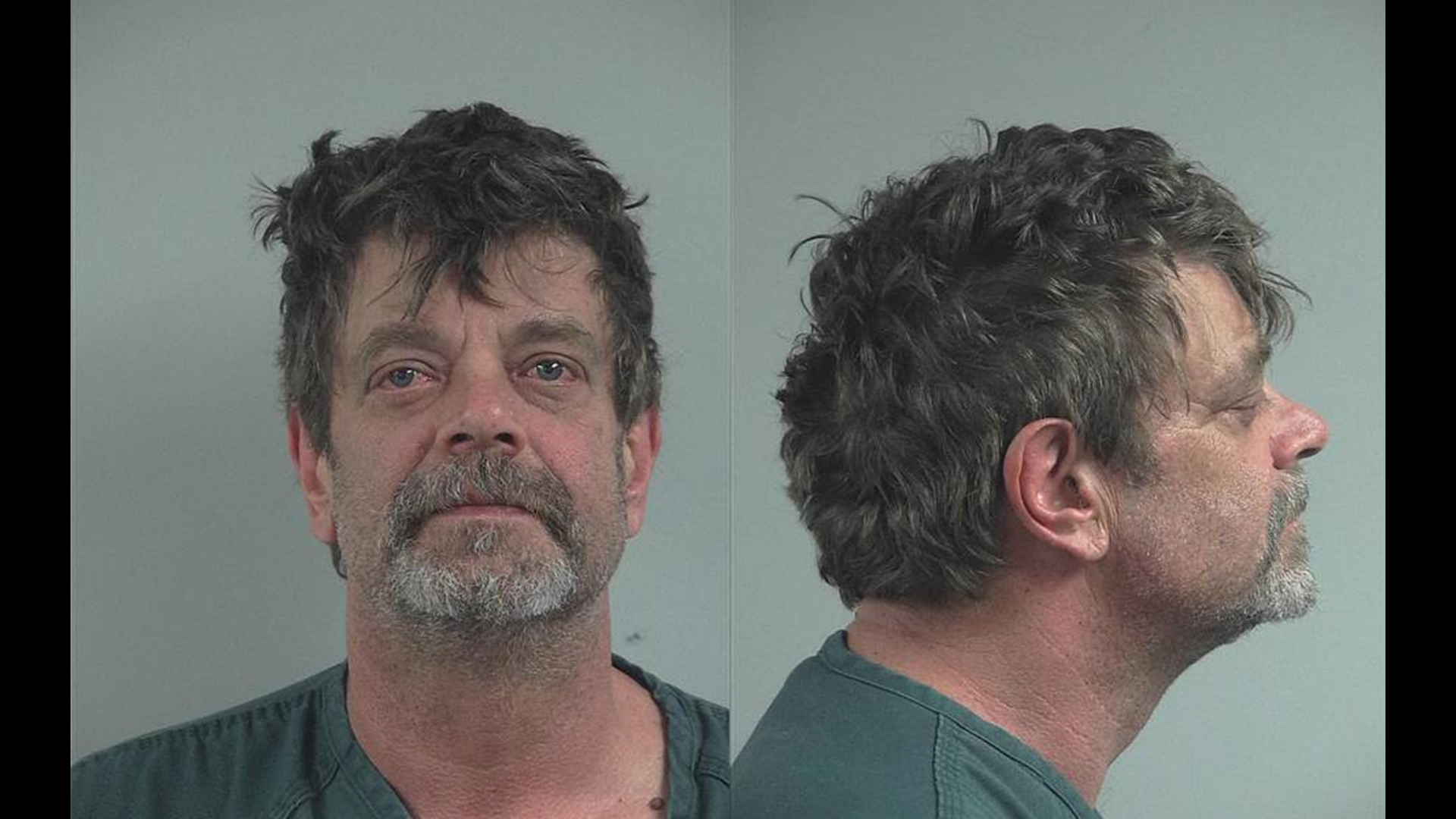
It took nearly five years from the initial disappearance for a grand jury to indict Mark Redwine. In July 2017, Redwine was arrested in Bellingham, Washington, and extradited to Colorado to face charges of second-degree murder and child abuse resulting in death.
Trial Delays and Complications
The path to the 2021 trial was marred by numerous delays:
- Defense Attorney Issues: Lead defense attorneys faced legal troubles of their own, including arrests and disciplinary actions, leading to multiple withdrawals.
- COVID-19 Pandemic: The judicial system shutdown in 2020 postponed the trial several times to ensure juror safety and constitutional rights to a public trial.
- Venue Challenges: The defense repeatedly requested a change of venue, arguing that the high-profile nature of the case in La Plata County would prevent a fair trial. These motions were largely denied.
Prosecution Theory and Evidence Analysis
During the trial, which finally commenced in June 2021, the prosecution built a circumstantial but powerful case. The lack of an eyewitness or a murder weapon required a heavy reliance on forensic technology and behavioral analysis.
Blood Evidence and Cadaver Dogs
Investigators utilized cadaver dogs that alerted to the scent of human remains in several locations within Mark Redwine’s living room, including on the floor and a couch. Forensic testing using Bluestar reagent revealed trace amounts of Dylan’s blood beneath the carpet and on the furniture, despite evidence of attempted cleaning.
The "Compromising Photos" Motive
A central pillar of the prosecution's motive was the psychological impact of the photos Dylan had discovered. These images, which depicted Mark Redwine in fetishistic and "disgusting" acts (as described by the prosecution), were characterized as the trigger for a "fit of rage." The prosecution argued that Mark Redwine’s pride was wounded when his son confronted him with the images, leading to a violent outburst.
Behavioral Anomalies
Witnesses testified to Mark Redwine's unusual behavior following Dylan's disappearance. Unlike a grieving father, Redwine was described as defensive, detached, and more concerned with his own reputation than the search efforts. His appearance on the "Dr. Phil" show in 2013 was a notable moment where his public persona was scrutinized by a national audience.
Verdict and Sentencing
On October 8, 2021, after several days of deliberation, the jury found Mark Redwine guilty on both counts:
- Second-Degree Murder: Indicating an intent to cause serious bodily injury or death without premeditation.
- Child Abuse Resulting in Death: Reflecting the age of the victim and the nature of the crime.
The 48-Year Sentence
In October 2021, Judge Jeffrey Wilson sentenced Redwine to the maximum allowable term of 48 years in the Colorado Department of Corrections. During the sentencing hearing, the judge noted that Redwine’s lack of remorse and the "depravity" of his actions warranted the harshest possible penalty.
Judicial Summary of Sentencing Factors
Nature of the Crime The court recognized the extreme vulnerability of the victim, a 13-year-old child in the care of his father. The forensic evidence suggested a violent struggle followed by an elaborate attempt to dispose of the body and deceive the public.
Defendant’s Conduct Mark Redwine’s refusal to provide information regarding the location of the remains for years caused additional, unnecessary trauma to the family and the community. This behavior was cited as an aggravating factor in the maximum sentencing.
2026 Status: Incarceration and Appeals
As of early 2026, Mark Redwine remains incarcerated. The legal landscape for the case has transitioned from active litigation to the appellate phase.
Current Facility: Sterling Correctional Facility
Redwine is currently housed at the Sterling Correctional Facility, a high-security prison in Sterling, Colorado. This facility is known for housing high-profile offenders and managing long-term sentences. His projected release date, barring successful legal intervention or parole, remains late in the 2050s, given the 48-year mandate.
Appellate History (Updated 2026)
Following his conviction, Redwine’s legal team filed several appeals. The primary arguments included:
- Admissibility of Cadaver Dog Evidence: The defense argued that the alerts from the dogs were unreliable and should not have been presented to the jury.
- Juror Bias: Claims that the intense media coverage in Durango prejudiced the jury pool.
- Forensic Testimony: Challenges to the expert testimony regarding the marks on the skull.
By 2026, the Colorado Court of Appeals has upheld the conviction. State supreme court petitions for review have been denied, and Redwine has moved into the phase of seeking federal habeas corpus relief, which is a standard but rarely successful path for long-term inmates.
Case Timeline Summary (2012–2026)
| Date | Event | Outcome |
|---|---|---|
| Nov 2012 | Dylan Redwine goes missing | National search effort initiated. |
| June 2013 | Partial remains found | Bones discovered on Middle Mountain; case turns to homicide. |
| Nov 2015 | Discovery of the skull | Forensic evidence of sharp force trauma identified. |
| July 2017 | Mark Redwine Indicted | Arrested in Washington State; charged with 2nd-degree murder. |
| June 2021 | Trial Commences | Prosecution presents blood and canine evidence. |
| Oct 2021 | Conviction and Sentencing | Found guilty; sentenced to 48 years in prison. |
| 2022-2024 | State Appeals Process | Conviction upheld by the Colorado Court of Appeals. |
| 2026 | Current Status | Serving sentence at Sterling Correctional Facility. |
Impact on Colorado Law and Community
The Dylan Redwine case prompted significant discussion regarding the "Missing Endangered" criteria for children. While no specific "Dylan's Law" was passed at the federal level, the case led to changes in how La Plata County and surrounding jurisdictions handle court-ordered visitations when a child expresses fear or reluctance.
The community of Durango maintains a memorial for Dylan, and the "Justice for Dylan" movement remains active in advocating for child safety and victims' rights. The case serves as a cautionary example for the legal system regarding the risks of forced visitation in high-conflict custody disputes where evidence of parental instability is present.
Frequently Asked Questions (FAQ)
What were the "compromising photos" mentioned in the Mark Redwine trial?
The photos involved Mark Redwine engaged in fetishistic behavior, including wearing women’s clothing and consuming what appeared to be human waste from a diaper. Prosecutors argued that Dylan’s discovery of these photos led to a violent confrontation when Dylan confronted his father about them.
Where is Mark Redwine now in 2026?
Mark Redwine is serving his 48-year sentence at the Sterling Correctional Facility in Colorado. He has been in state custody since his conviction in 2021 and his subsequent transfer from the La Plata County Jail.
Did Mark Redwine ever confess to the murder?
No, Mark Redwine has maintained his innocence throughout the investigation, trial, and appellate process. His defense team initially suggested that Dylan might have been killed by a mountain lion, a theory that was debunked by forensic experts during the trial.
What was the key evidence that led to his conviction?
The conviction was based on a combination of cadaver dog alerts in Redwine's home, Dylan's blood found under the living room carpet, the location and condition of the remains on Middle Mountain, and the psychological motive regarding the photos Dylan found.
Can Mark Redwine be paroled before his 48-year sentence is up?
Under Colorado law for crimes committed at the time, Redwine must serve a significant portion of his sentence before becoming eligible for parole. Given the 48-year sentence handed down in 2021, he would not be eligible for a parole hearing until well into the 2040s or 2050s, depending on earned time credits.
Was Dylan Redwine’s mother involved in the investigation?
Elaine Hall, Dylan’s mother, was a primary advocate for her son and worked tirelessly with law enforcement and the media to keep the case active. She was never a suspect and testified for the prosecution during the trial about the hostile relationship between Dylan and his father.
For those tracking the legal developments of Colorado's most high-profile cold cases and subsequent convictions, the Mark Redwine case remains a cornerstone of forensic jurisprudence. Monitoring the Colorado Department of Corrections offender portal provides the most up-to-date information on his housing and legal status as of 2026.
Image Gallery