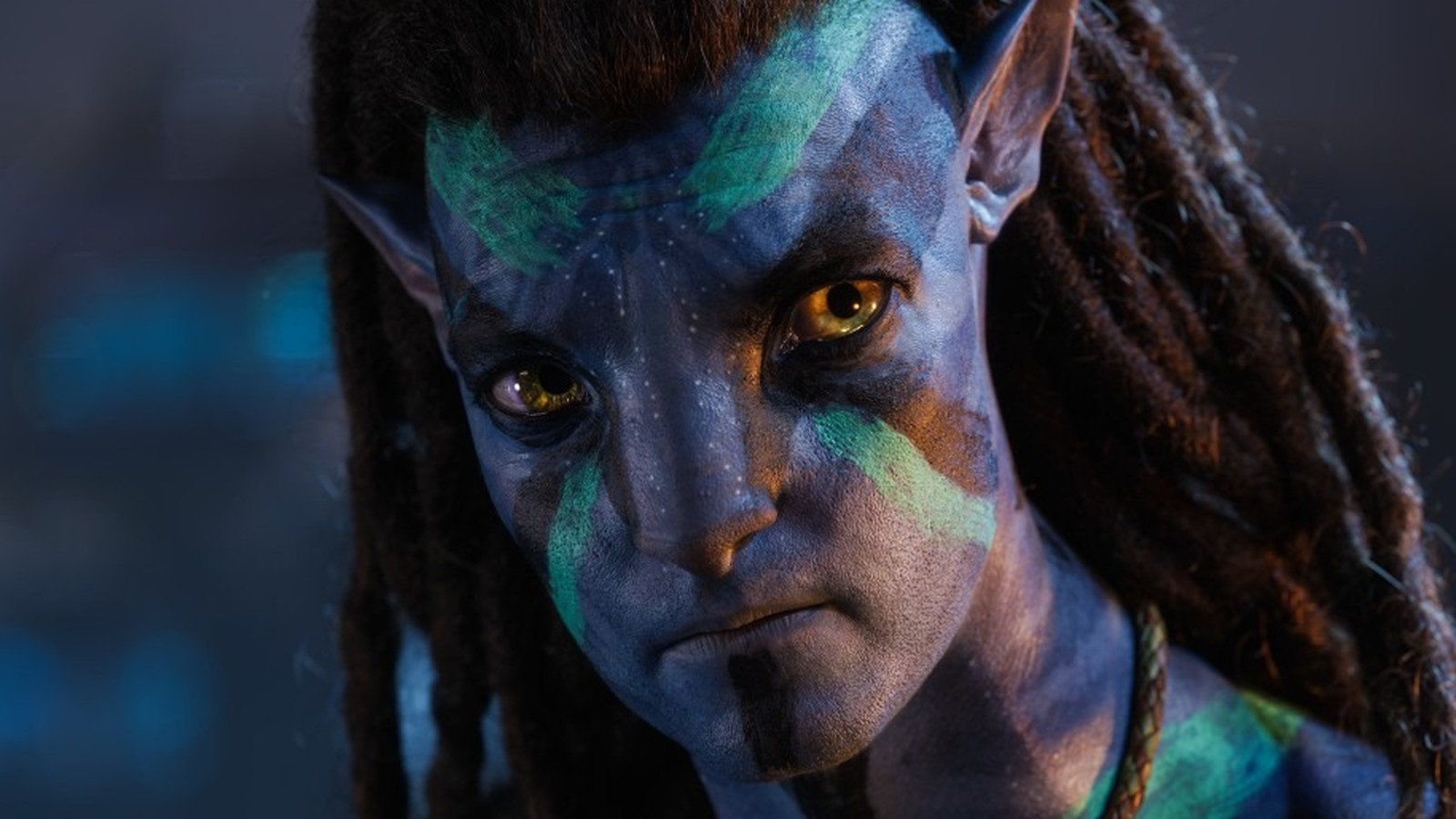
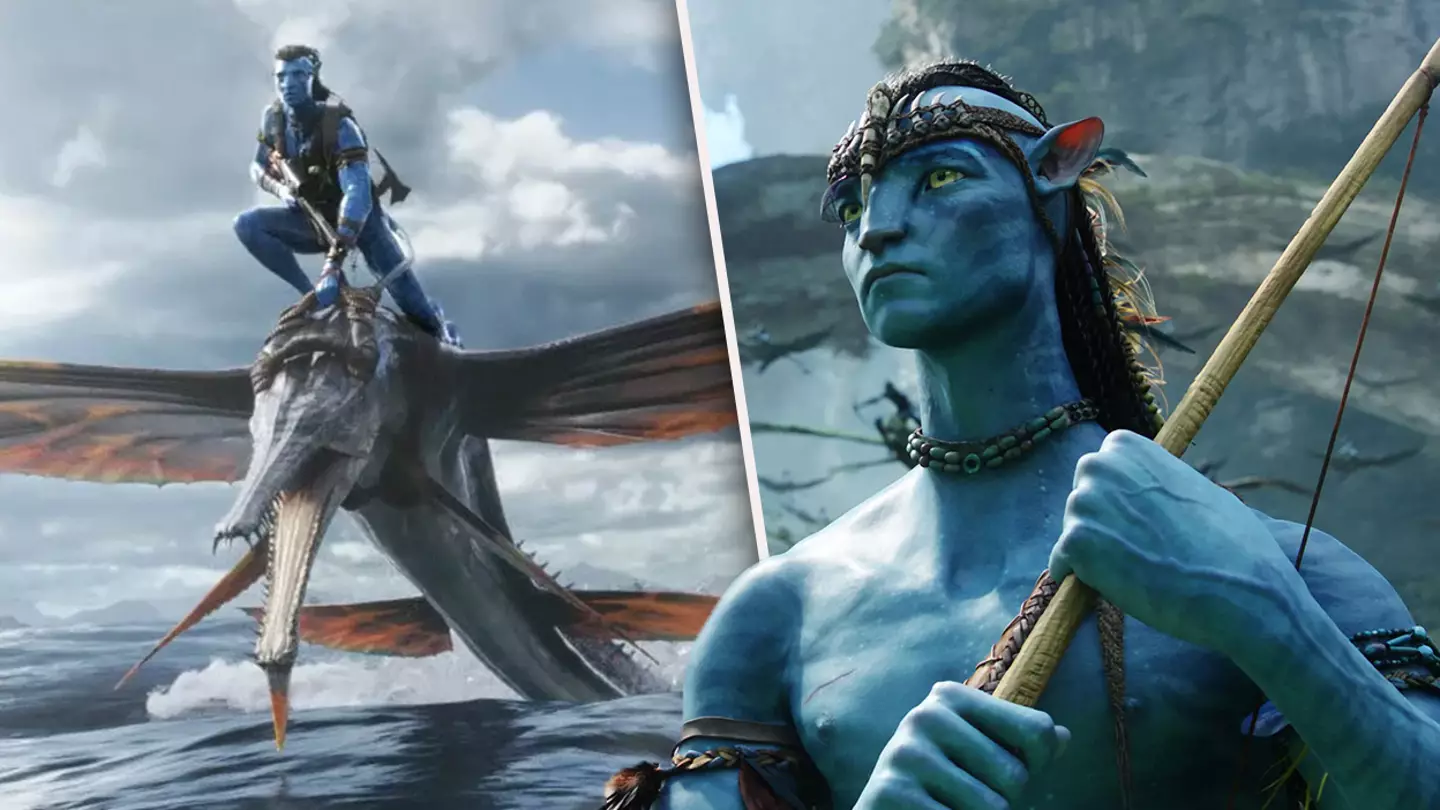
Avatar 2 Runtime Explained: Why James Cameron Made The Way of Water 190 Minutes Long
Avatar: The Way of Water features an official theatrical runtime of 192 minutes—frequently referenced as 190 minutes or roughly 3 hours and 12 minutes. Director James Cameron extended the sequel 30 minutes beyond the 2009 original to a...
Avatar: The Way of Water features an official theatrical runtime of 192 minutes—frequently referenced as 190 minutes or roughly 3 hours and 12 minutes. Director James Cameron extended the sequel 30 minutes beyond the 2009 original to accommodate expanded family character arcs, intricate world-building of Pandora’s oceanic ecosystems, and photorealistic underwater visual effects.
Contents
Official Length and Context: 192 Minutes of Pandora
When Avatar: The Way of Water debuted in theaters, its extensive runtime became a major point of discussion among moviegoers, box office analysts, and film critics. Officially clocking in at 192 minutes and 10 seconds (including nearly 12 minutes of end credits), the movie is half an hour longer than its 2009 predecessor, Avatar, which ran for 162 minutes.
The standard theatrical duration of high-budget Hollywood blockbusters generally ranges between 120 and 150 minutes. Operating well beyond the three-hour mark places Avatar: The Way of Water in an elite category of epic filmmaking alongside titles like Titanic (194 minutes), Avengers: Endgame (181 minutes), and The Lord of the Rings: The Return of the King (201 minutes).
Understanding the precise composition of those 192 minutes clarifies why the movie requires such a lengthy theatrical commitment:
- Narrative Feature Length: Approximately 180 minutes of active storyline, dialogue, and sequence transitions.
- End Credits Sequence: Approximately 11 to 12 minutes, driven by the hundreds of visual effects artists across digital houses such as Wētā FX, alongside performance capture technical crews, aquatic safety teams, and audio engineers.
While initial industry chatter questioned whether a 190-minute runtime would limit daily theater showtimes and deter audience attendance, the structural investment paid off both narratively and commercially.
James Cameron’s Rationale: Why the Sequel Needed Over Three Hours
James Cameron has never shied away from extended cut durations when he feels the scope of the story demands it. During the press tour leading up to the film's release, Cameron addressed concerns regarding the movie's duration directly, emphasizing that the decision was driven by emotional depth and character development rather than redundant action sequences.
- Expanding from 2 Main Characters to an 8-Member Ensemble Family
- Establishing the Metkayina Reef Culture and Aquatic Ecology
- High-Frame-Rate (HFR) Visual Pacing for Photorealistic Immersion
- Multi-Layered Antagonism (Quaritch's Recombinant Arc vs. RDA Mechanics)
1. Expanding the Focus to an Ensemble Family Narrative
The 2009 original Avatar focused primarily on two central figures: Jake Sully and Neytiri. Their journey followed a classic, linear path: arrival, immersion, conflict, and resolution.
By contrast, The Way of Water expands the emotional core to encompass an entire family unit. The film introduces five children, each requiring distinct character development, internal conflicts, and emotional arcs:
- Neteyam: The dutiful oldest son bearing the weight of responsibility.
- Lo'ak: The rebellious middle son who feels isolated and bonds with the Tulkun outcast, Payakan.
- Kiri: The adopted daughter connected to Eywa, whose mysterious lineage connects directly to Grace Augustine.
- Tuk: The youngest daughter through whose eyes much of the family's wonder is filtered.
- Spider (Miles Socorro): A human child left behind on Pandora, whose torn loyalty between the Na'vi and his biological father (Miles Quaritch) creates pivotal narrative friction.
Cameron noted in interviews that cutting 20 or 30 minutes from the film would have meant sacrificing the quiet, character-building scenes that make the final act’s emotional stakes resonant.
2. World-Building and Ecological Immersion
A hallmark of the Avatar franchise is transporting audiences to a fully realized alien world. Switching environments from the rainforest canopy of the Olangi and Omaticaya clans to the pristine oceans of the Metkayina reef required extensive world-building.
The middle act of the movie intentionally slows down to allow the audience to acclimate to the water alongside the Sully children. Viewers are introduced to the Metkayina leadership (Tonowari and Ronal), their specialized adaptation to marine life, their spiritual relationship with the sentient Tulkun, and the biology of Pandoran sea life. Cameron prioritized visual immersion, choosing to let scenes breathe rather than rushing from one battle sequence to another.
3. TV Binge-Culture and Shifting Audience Habits
Cameron famously argued against runtime critiques by pointing to modern consumer habits. He noted that modern audiences regularly binge-watch three to eight hours of television in a single sitting. In his view, expecting audiences to sit through a three-hour theatrical experience is entirely reasonable, provided the narrative engagement and visual quality remain high throughout.
Narrative Breakdown: Structural Breakdown of the 190-Minute Cut
To understand how Avatar: The Way of Water manages its pacing across 192 minutes, it helps to analyze the movie by narrative acts. The film is divided into three distinct movements, each fulfilling a specific storytelling function:
| Act | Timing |
|---|---|
| Act I: Return of the RDA & Exile from the Forest | ~45 Minutes / Mins 000-045 |
| Act II: Immersion in the Ocean & Cultural Adapting | ~75 Minutes / Mins 045-120 |
| Act III: The Battle for the Sea & Final Survival | ~60 Minutes / Mins 120-180 |
Act I: Return of the RDA and Exile (Minutes 0–45)
The opening act establishes the passage of time over the decade following the original film. It shows Jake and Neytiri raising their family, the return of the Resources Development Administration (RDA) with massive industrial colonization landers, and the introduction of "Recombinants"—avatar bodies embedded with the memories of deceased RDA soldiers, including Colonel Miles Quaritch.
When Quaritch targets Jake's family directly, Jake makes the painful decision to step down as Toruk Makto and flee the Omaticaya forest to protect his tribe from retaliatory strikes.
Act II: Ocean Immersion and the Metkayina (Minutes 45–120)
The longest segment of the film shifts the setting to the Metkayina village of Awa'atalu. This portion of the runtime operates almost as a natural documentary within a narrative film. Key developments include:
- The Sully children learning to swim, dive, and ride Ilus.
- Lo'ak's struggle with acceptance, leading to his exile outside the reef and his fateful rescue by Payakan, a solitary Tulkun.
- Kiri’s spiritual connection with the marine life and her sudden seizure while bonded with the Underwater Cove of Ancestors.
- Quaritch’s ruthless marine search operations using sea-drakes and hydrofoils to interrogate coastal tribes.
Act III: The Battle of the Sea and the Sinking SeaDrake (Minutes 120–180)
The final hour accelerates into an extended, multi-tiered action sequence. It begins with the RDA's Tulkun-hunting vessel (the SeaDragon) killing a mother Tulkun, sparking an all-out confrontation.
The battle transitions from open-water naval combat into a localized survival thriller inside the capsizing, burning vessel. Mirroring structural elements of Titanic, the closing 45 minutes force Jake, Neytiri, Lo'ak, and Kiri to navigate submerged flooded compartments to rescue their trapped family members.
Technical Considerations: HFR, 3D, and Digital Processing
The length of Avatar: The Way of Water presented unusual technical challenges for digital cinema presentation, particularly regarding High Frame Rate (HFR) and 3D rendering.
| Specification | Details |
|---|---|
| Aspect Ratio | 1.85:1 (IMAX) / 2.39:1 (Standard Theatrical) |
| Projection Formats | RealD 3D, IMAX 3D, Dolby Vision 3D, 2D |
| Frame Rate | Variable HFR (48 fps for action/underwater, 24 fps) |
| Audio Mastering | Dolby Atmos, DTS:X, 7.1 / 5.1 Surround |
Variable High Frame Rate (48 FPS)
Cameron utilized a variable frame rate approach, projecting action sequences and smooth underwater tracking shots at 48 frames per second (fps) while keeping dialogue and standard narrative scenes at traditional 24 fps.
This switching required meticulous editing pacing. Fast-paced scenes render motion blur reduction crisp and readable in 3D, preventing the eye fatigue that often accompanies long 3D movie screenings. This technical design enabled audiences to remain comfortable throughout the full 190-minute experience.
Digital Rendering Load
Because virtually every frame of the marine sequences involved complex fluid dynamics simulation—calculating how light refraction, water density, and foam interact with digital Na'vi skin and clothing—rendering the 180-minute feature required petabytes of data processing by Wētā FX. The length of the movie multiplied the required rendering budget, making it one of the most expensive post-production pipelines in cinematic history.
Blockbuster Runtime Comparisons
To provide context on how Avatar: The Way of Water fits into modern cinematic history, the following table compares its runtime, act structure, and theatrical box office performace with other notable long-form blockbusters.
| Movie Title | Release Year | Official Runtime | Box Office Gross (Global) | Primary Genre / Setting Focus |
|---|---|---|---|---|
| Avatar: The Way of Water | 2022 | 192 min (3h 12m) | $2.32 Billion | Sci-Fi Epic / Oceanic World-Building |
| Avatar | 2009 | 162 min (2h 42m) | $2.92 Billion | Sci-Fi Epic / Rainforest World-Building |
| Titanic | 1997 | 194 min (3h 14m) | $2.26 Billion | Historical Romance / Survival Disaster |
| Avengers: Endgame | 2019 | 181 min (3h 01m) | $2.79 Billion | Superhero Ensemble / Time Heist |
| The Lord of the Rings: Return of the King | 2003 | 201 min (3h 21m) | $1.15 Billion | High Fantasy Epic / Final Siege |
| The Batman | 2022 | 176 min (2h 56m) | $772 Million | Neo-Noir Crime / Investigation |
| Oppenheimer | 2023 | 180 min (3h 00m) | $957 Million | Historical Biography / Drama |
Box Office Impact: Did the 190-Minute Length Affect Revenue?
Prior to the film’s release, financial analysts raised concerns about how a 192-minute runtime might limit total revenue. The core mathematical issue was simple showtime math:
$$\text{Showtimes Per Screen} = \frac{\text{Theater Operating Hours (e.g., 14 Hours)}}{\text{Runtime (192 mins)} + \text{Turnaround Time (30 mins)}}$$
A standard 120-minute movie can easily fit five to six screenings per screen per day. A 192-minute movie, when combined with 20 minutes of trailers and 10 to 15 minutes of theater cleaning time between sessions, can generally only fit three to four screenings per screen per day.
- Standard 120-Min Film: 2h 00m + 30m turnaround = 2.5h per block
- 14 operating hours / 2.5h = ~5.6 screenings / day
- Avatar 2 (192-Min): 3h 12m + 30m turnaround = ~3.7h per block
- 14 operating hours / 3.7h = ~3.7 screenings / day
Premium Format Surcharges Offset Fewer Showtimes
Despite having fewer overall showtimes per screen daily, Avatar: The Way of Water overcame the limitation through premium exhibition channels:
- IMAX, Dolby Cinema, and 3D Premium Tickets: Over 65% of the film’s global opening weekend box office came from 3D and premium large format (PLF) auditoriums. These tickets command a $3 to $8 surcharge over standard 2D seats.
- Sustained Box Office Legs: Because the movie resonated with audiences, theater owners retained it on high-end screens for months. Rather than opening to massive numbers and dropping off sharply in week two, The Way of Water demonstrated multi-month stability, ultimately crossing the $2.3 billion mark worldwide.
This performance reaffirmed a lesson Cameron previously proved with Titanic: if an audience finds an extended runtime compelling, they will return for repeat viewings regardless of duration.
Home Viewing Guide: Finding Natural Pause Points
For audiences watching Avatar: The Way of Water at home via streaming services or physical 4K UHD media, sitting straight through 192 minutes without a break can be challenging. Because the theatrical cut does not contain a built-in intermission, here are three natural pause points based on scene shifts:
- Break 1: The Departure from the Omaticaya Forest (Timestamp: ~0h 42m)
- Break 2: Lo'ak's Integration & Bonding with Payakan (Timestamp: ~1h 25m)
- Break 3: The Gathering of the Hunters / Pre-Battle (Timestamp: ~2h 05m)
Pause Point 1: Leaving the Forest (Timestamp: ~0h 42m)
- Context: Jake and Neytiri officially hand over leadership of the Omaticaya clan to Tarsem and fly away with their children on Ikrans.
- Why It Works: This concludes Act I. The narrative completely shifts location from the jungle canopy to the oceans, making it a natural break point.
Pause Point 2: Lo'ak Meets Payakan (Timestamp: ~1h 25m)
- Context: After being left behind by the Metkayina youths outside the reef, Lo'ak is rescued from an ocean predator by the solitary Tulkun, Payakan, and removes an old harpoon tip from his fin.
- Why It Works: This resolves an immediate tension sequence and marks the transition from basic survival adaptation to deep personal connections with the ocean fauna.
Pause Point 3: Before the Final Escalation (Timestamp: ~2h 05m)
- Context: The RDA whaling vessel SeaDragon kills a Tulkun mother, leading the Metkayina to prepare for war, while Jake attempts to counsel caution.
- Why It Works: This is the calm before the storm. Pausing here allows viewers to rest before the final 70 minutes of non-stop aquatic combat and survival sequences.
Frequently Asked Questions
Is there an extended cut or director's cut of Avatar 2 that is longer than 190 minutes?
No. James Cameron has stated that the 192-minute theatrical release is his definitive director's cut. While rumors circulated during production regarding an early 9-hour assembly cut, assembly cuts include raw, unrendered footage used solely by editors to refine scenes. The official released cut remains 192 minutes.
How long are the end credits in Avatar: The Way of Water?
The end credits run for approximately 11 minutes and 45 seconds. The active story concludes around the 2-hour and 60-minute mark (3 hours exact), after which the credits roll accompanied by Simon Franglen’s score and the original song "Nothing Is Lost (You Give Me Strength)" performed by The Weeknd.
Why didn't theaters include a built-in intermission for a 3-hour movie?
Modern Hollywood studio distribution agreements generally disallow intermissions in major theatrical releases unless specifically authored into the film by the director. Studio contracts require uninterrupted presentation to ensure narrative pacing remains as designed. Additionally, intermissions lengthen total screen usage, slightly reducing the maximum number of showtimes a theater can fit into a day.
Is Avatar 2 longer than the original 2009 Avatar movie?
Yes. The 2009 theatrical cut of Avatar runs for 162 minutes. Avatar: The Way of Water runs for 192 minutes, making the sequel 30 minutes longer than the original theatrical release.
Does the runtime feel slow due to its 3-hour length?
Pacing subjectivity varies by viewer, but critical consensus noted that the mid-section of the film intentionally slows its pace to prioritize visual immersion and world-building over constant narrative action. The final 60 minutes accelerate significantly into high-intensity battle and survival sequences.
Practical Viewing Recommendations
Whether revisiting Avatar: The Way of Water on home display setups or catching future theatrical re-releases in anticipation of subsequent sequels, planning your viewing experience enhances comfort without interrupting narrative flow:
- Choose the Right Format: For home viewing, 4K UHD Blu-ray or high-bitrate HDR streaming provides the dynamic contrast needed to appreciate the underwater rendering. If viewing in 3D, ensure proper lighting conditions to avoid display dimness.
- Plan Intermissions in Advance: If viewing with family or groups, utilize the suggested pause points at the 42-minute or 125-minute timestamps rather than stopping mid-sequence during the final act.
- Adjust Motion Settings: If watching on high-refresh-rate televisions, consider leaving motion interpolation ("soap opera effect" settings) off, as the native variable frame rate encoding handles motion clarity naturally without artificial television processing artifacts.
Image Gallery