Tennessee Goal Posts in the River: The History, Logistics, and Tradition Behind Neyland Stadium's Famous Celebration
The tradition of fans carrying University of Tennessee goalposts out of Neyland Stadium and throwing them into the Tennessee River is one of the most famous off-field celebrations in college football history. Occurring after landmark v...
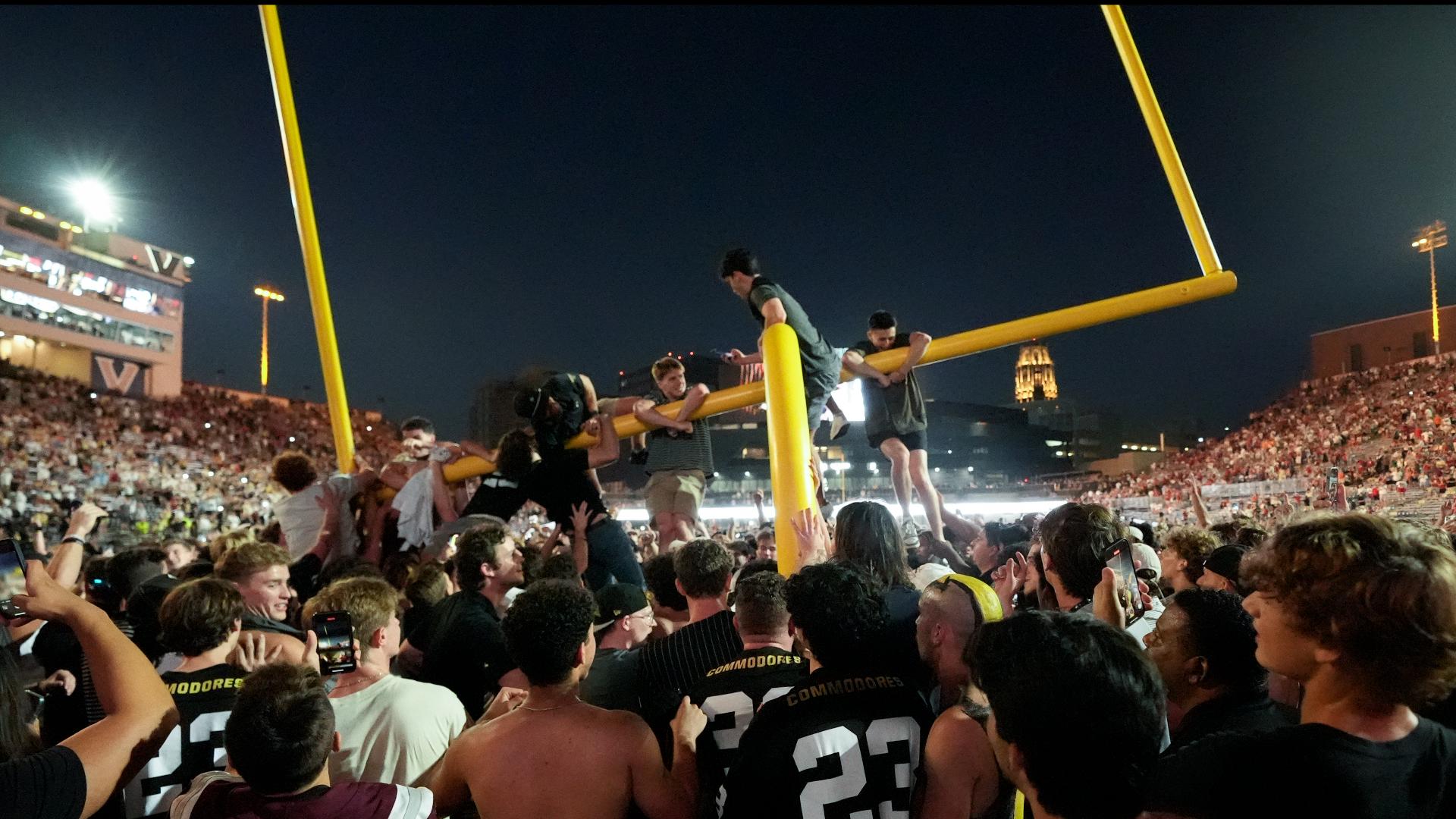
The tradition of fans carrying University of Tennessee goalposts out of Neyland Stadium and throwing them into the Tennessee River is one of the most famous off-field celebrations in college football history. Occurring after landmark victories—most notably against Florida in 1998 and Alabama in 2022—this display combines stadium geography, fan culture, and remarkable crowd engineering.
Contents
Stadium Geography: Why Neyland Stadium and the River Are Connected
The physical location of Neyland Stadium plays a direct role in how this celebration occurs. Situated in Knoxville, Tennessee, the stadium sits along the banks of the Tennessee River, specifically along the stretch of water impounded as Fort Loudoun Lake. The south end of Shields-Watkins Field rests just a few hundred yards from the riverbank, making the water visible from the upper decks and surrounding concourses.
Unlike many major college football venues that are landlocked by suburban surface parking lots or dense urban high-rises, Neyland Stadium is integrated into a unique waterfront environment. The university's famous "Vol Navy"—a fleet of hundreds of boats that dock along the river bank during home game weekends—occupies the water directly adjacent to the venue along Volunteer Landing and Neyland Drive.
Because the riverfront promenade sits at the bottom of the slope below the stadium's south and west perimeters, fans exiting through the south gates face a direct, downhill path toward the water. This natural gradient and physical proximity mean that once a massive crowd successfully uproots a goalpost, the path of least resistance leads directly down to the riverbank.
- Neyland Stadium (Shields-Watkins Field)
- South Gates / Philip Fulmer Way
- Downhill Slope / Concourses
- Neyland Drive & Volunteer Landing Promenade
- Tennessee River / Fort Loudoun Lake
The Historic Occurrences: 1998 Florida and 2022 Alabama
While fans often discuss goalposts in the river as a recurring myth, documented instances of full goalpost removal reaching the water center on two defining games in modern Tennessee football history.
The 1998 Victory Over Florida
On September 19, 1998, the Tennessee Volunteers faced the Florida Gators at Neyland Stadium. Tennessee had suffered five consecutive losses to Florida under head coach Steve Spurrier, making the matchup a psychological hurdle for the program. The game went into overtime tied at 17–17. After Tennessee kicker Jeff Hall converted a 33-yard field goal, Florida kicker Collins Cooper missed his attempt, securing a 20–17 victory for the Volunteers.
The win triggered an explosion of emotion from the 107,000 fans in attendance. Thousands of spectators rushed Shields-Watkins Field, swarming the goalposts in both end zones. Fans applied downward weight to the crossbars until the steel structures failed at their mounting points.
Once dismantled, a collective group of fans hoisted the heavy steel components, paraded them out of the stadium concourses, navigated past stadium security, and carried them down to the banks of the Tennessee River, submerging them near the docks. That victory propelled Tennessee to an undefeated season and the 1998 BCS National Championship.
The 2022 Victory Over Alabama
Twenty-four years later, on October 15, 2022, a similar scene played out after the Third Saturday in October rivalry match against the Alabama Crimson Tide. Tennessee entered the game seeking to break a 15-game losing streak against Alabama. In an offensive duel, Tennessee kicker Chase McGrath hit a 40-yard field goal as time expired to secure a 52–49 win.
Immediately after the ball fluttered over the crossbar, tens of thousands of fans flooded onto Shields-Watkins Field. Within minutes, fans scaled the goalposts in the south end zone. Using synchronized swaying and heavy leverage, the crowd snapped the single-post steel assembly at its base sleeve.
- Chase McGrath 40-Yard Field Goal
- Field Invasions by ~100,000 Fans
- Goalpost Base Structural Failure
- Parade Down Philip Fulmer Way to River
- Submersion into Tennessee River
The fans carried the multi-hundred-pound steel assembly through the stadium tunnels, down Philip Fulmer Way, across Neyland Drive, and dumped the goalpost into the Tennessee River. Live drone footage and social media video captured thousands of spectators marching through downtown Knoxville while chanting and carrying the giant yellow structure.
The Engineering and Physical Effort Required
Dismantling and transporting a modern collegiate goalpost is a significant physical undertaking. Modern NCAA goalposts are engineered to withstand extreme weather, high winds, and the physical weight of footballs hitting the superstructure.
Mechanical Specifications of NCAA Goalposts
Standard college football goalposts feature a "gooseneck" design consisting of a single heavy-gauge steel or high-strength aluminum support pipe rooted into a ground sleeve anchor.
- Crossbar Height: 10 feet from the field surface.
- Crossbar Width: 18 feet, 6 inches.
- Upright Height: Extends 35 feet above the crossbar.
- Total Weight: Between 600 and 1,000 pounds, depending on the wall thickness of the structural steel and internal reinforcement.
- Anchor Assembly: Heavy steel ground sleeve embedded in reinforced concrete beneath the turf.
Structural Mechanics of Upgrades and Failures
Goalposts are designed to endure vertical live loads, such as wind or snow, but they are not engineered for asymmetric lateral force. When dozens of fans climb the uprights or hang from the crossbar, they act as extended lever arms.
This leverage produces severe bending moments at the base curve of the gooseneck and the primary mounting collar. The metal undergoes plastic deformation—stretching beyond its yield point—until the material experiences structural shear or snaps off at the base sleeve joint.
Transporting the Structure Out of the Venue
Moving a fully assembled or partially broken goalpost out of a stadium requires coordination among scores of people:
- Dismantling: Fans pull and bend the frame to separate the 35-foot uprights from the 18-foot crossbar, making the structure manageable to carry through tight spaces.
- Navigation: The crowd maneuvers the long steel poles past stadium exit tunnels, narrow concrete stairwells, and emergency access gates.
- The March: Carried by dozens of fans at a time, the poles are marched nearly 0.7 miles down city streets, avoiding power lines, traffic signals, and street infrastructure before reaching the water.
Financial Impact, SEC Fines, and Athletic Department Responses
While tearing down goalposts is a celebrated tradition among fans, it carries legal, financial, and logistical consequences for the university.
Southeastern Conference (SEC) Field Storming Policies
The SEC enforces strict regulations regarding access to the competition area to ensure player, coach, and official safety. When fans storm the field, the conference issues automated financial penalties to the host institution.
In 2022, following the win over Alabama, the SEC fined the University of Tennessee $100,000 under the conference’s access to competition area policy (which mandated stepping fines for successive offenses). Following widespread field-storming incidents across the league, the SEC updated its policy in 2023, raising initial fines for access violations to $100,000 for a first offense, $250,000 for a second offense, and $500,000 for subsequent violations.
Replacement Costs and Stadium Logistics
Replacing a high-end gooseneck goalpost system is expensive and time-sensitive, especially when the team has another home game scheduled short notice:
- Goalpost Hardware: Replacement goalpost assemblies cost between $10,000 and $20,000 per post, excluding rush freight charges.
- Ground Sleeve Repair: If the concrete footing or underground sleeve is damaged when the post snaps, repairs can exceed $10,000 in masonry and turf restoration work.
- Expedited Installation: The university's facilities team must locate, ship, align, and install replacement equipment before the next home fixture.
Viral Fundraising Campaign
Following the 2022 victory, University of Tennessee Vice Chancellor and Director of Athletics Danny White turned the financial liability into a viral fundraising opportunity. White posted a humorous statement on social media asking fans to help fund the replacement goalposts, providing a direct link to the Tennessee Fund.
The campaign quickly went viral, raising hundreds of thousands of dollars from alumni and fans across the country within 48 hours. The funds raised comfortably covered the cost of new goalposts, the SEC fine, and structural stadium repairs, with leftover proceeds directed to general student-athlete support.
- Goalpost Destroyed
- $100K SEC Fine & Costs
- Viral Crowdfunding
- Costs Covered + Excess Raised
Retrieval, Memorabilia, and Preservation
Once a goalpost enters the Tennessee River, it undergoes a distinct recovery process managed by university officials, local law enforcement, and environmental agencies.
Recovery Operations
Submerged steel presents a navigational hazard for river traffic and the Vol Navy. Following the 2022 incident, local authorities, including the Knoxville Police Department's lake patrol unit and local salvage divers, located the submerged goalpost sections near Volunteer Landing.
Equipped with crane-assisted boats, recovery teams retrieved the heavy steel components from the riverbed within days of the game to restore safe navigation along the waterway.
Monotizing and Preserving History
Rather than scrapping the bent, retrieved metal, the university turned the recovered goalposts into authenticated collector items:
- Cutting Sections: Facilities staff and contractors sliced the goalpost tubes into small, individual metal fragments.
- Laser Engraving: Each piece was engraved with game details, final scores, and authenticity markers.
- Donor Rewards and Auctions: The university offered these limited-edition steel pieces to high-level donors, season ticket holders, and public auction bidders. Fans purchased framed shadow boxes containing net pieces, turf samples, and goalpost fragments, generating additional athletic department revenue.
Comparative Breakdown: 1998 vs. 2022 Goalpost Incidents
The table below contrasts the two most famous instances of Tennessee goalposts ending up in the river:
| Aspect | September 19, 1998 (vs. Florida) | October 15, 2022 (vs. Alabama) |
|---|---|---|
| Final Score | Tennessee 20, Florida 17 (OT) | Tennessee 52, Alabama 49 |
| Deciding Play | Jeff Hall 33-yard field goal in OT | Chase McGrath 40-yard field goal at 0:00 |
| Streak Broken | 5-game losing streak against Florida | 15-game losing streak against Alabama |
| Goalpost Destination | Tennessee River (Volunteer Landing) | Tennessee River (Volunteer Landing) |
| SEC Fine Imposed | None (SEC field storming rule established later) | $100,000 |
| Primary Route | Gate 10 / South concourses to riverbank | Philip Fulmer Way down to Neyland Drive |
| Post-Game Utilization | Scrap retrieval; unoffical souvenir hunting | Official authentication, cut into memorabilia, donor framing |
| Fundraising Mechanism | None | Public crowdfunding campaign (raised over $150k+) |
Safety Risks and Modern Engineering Countermeasures
While goalpost tear-downs remain legendary in college football lore, universities and stadium engineers continuously work to prevent field stormings due to the major liability risks involved.
Structural and Human Safety Risks
- Crush Hazards: Falling goalpost crossbars weigh several hundred pounds and can inflict severe blunt-force trauma or spinal injuries on spectators below.
- Electrical Wiring: Modern stadium goalposts often contain internal wiring for cameras, LED lighting, or target sensors, creating electrocution risks when severed.
- Submersion Risks: Carrying heavy metal objects down steep, wet banks into deep river currents poses drowning hazards for intoxicated or crowded fans.
Engineering Solutions: Hydraulic and Latching Posts
To protect fans and preserve equipment, several collegiate venues have deployed specialized goalpost technology:
- Hinged Base Plates: Posts feature a heavy-duty hinge pin at the base. Security personnel can pull a locking pin, allowing the post to lie flat on the field within seconds before fans can reach it.
- Hydraulic Drop Systems: Modern installations allow stadium operations teams to lower the entire assembly into a subterranean vault below the end zone turf using automated hydraulic controls.
- Breakaway Shearing Pins: Engineered fail-safes cause the post to detach cleanly at the crossbar under specific weight loads, preventing the entire gooseneck from falling over onto crowds.
Despite these engineering advances, the physical scale of a crowd exceeding 100,000 people often renders mechanical controls difficult to execute in real time, leaving the legendary threat of a river trip alive whenever major rivalries are settled on the final play.
Frequently Asked Questions
Has any other college football team thrown goalposts into a river?
Yes, but it is rare. Iowa State fans have thrown goalposts into Lake LaVerne, and Oklahoma State fans have tossed goalposts into Theta Pond. However, the University of Tennessee's proximity to a major navigable waterway makes its river tradition the most famous in college sports.
How heavy is a standard college football goalpost?
A standard gooseneck college football goalpost weighs between 600 and 1,000 pounds. The assembly consists of thick-walled structural steel coated in yellow or white weather-resistant powder finish, anchored into deep concrete footings.
Did the SEC fine Tennessee for the 2022 goalpost incident?
Yes. The SEC fined the University of Tennessee $100,000 for violating its access to competition area policy during the 2022 field storming against Alabama. The university covered this expense along with goalpost replacement costs through a viral fundraising effort.
What happened to the 2022 goalposts after they were retrieved from the river?
Knoxville agencies and underwater salvage teams retrieved the goalposts from the riverbed. The athletic department cut the steel structure into small, authenticated sections, which were mounted, laser-engraved, and sold to fans and donors to support athletic programs.
How far do fans have to carry the goalposts from Neyland Stadium to reach the water?
Fans must carry the goalposts approximately 0.5 to 0.7 miles, depending on the exit route taken out of Neyland Stadium. The walk involves navigating stadium exits, going down Philip Fulmer Way or public ramps, crossing Neyland Drive, and reaching Volunteer Landing along the Tennessee River.
Key Takeaways for Fans and Event Management
The tradition of sending goalposts into the Tennessee River highlights the intersection of stadium architecture, rivalry history, and fan culture at the University of Tennessee. For sports historians and venue operators alike, the key takeaways remain clear:
- Geographic Vulnerability: Venue designs located near bodies of water naturally turn rivers and lakes into focal points during major unscripted celebrations.
- Modern Monetization: Institutional leaders can turn costly safety breaches into effective public relations and fundraising wins through modern digital engagement strategies.
- Evolving Stadium Tech: Modern stadium engineering continues to lean toward deployable hydraulic drop posts and quick-release hinges to protect public safety while respecting historic traditions.
For fans visiting Neyland Stadium, taking a walk down to Volunteer Landing offers a direct look at the riverfront spot where college football's most unique post-game celebration finishes.
Image Gallery