Solar Power Installations Global Trends and Unresolved Questions
Global solar power installations have experienced exponential growth, transforming energy matrices worldwide through utility-scale farms, commercial rooftop arrays, and distributed residential systems. Understanding this expansion requ...
Global solar power installations have experienced exponential growth, transforming energy matrices worldwide through utility-scale farms, commercial rooftop arrays, and distributed residential systems. Understanding this expansion requires analyzing current capacity trajectories, regional deployment drivers, technological advancements, and the persistent infrastructural, regulatory, and economic bottlenecks that continue to challenge the sector's long-term integration.
Contents
The Current State of Global Solar Capacity
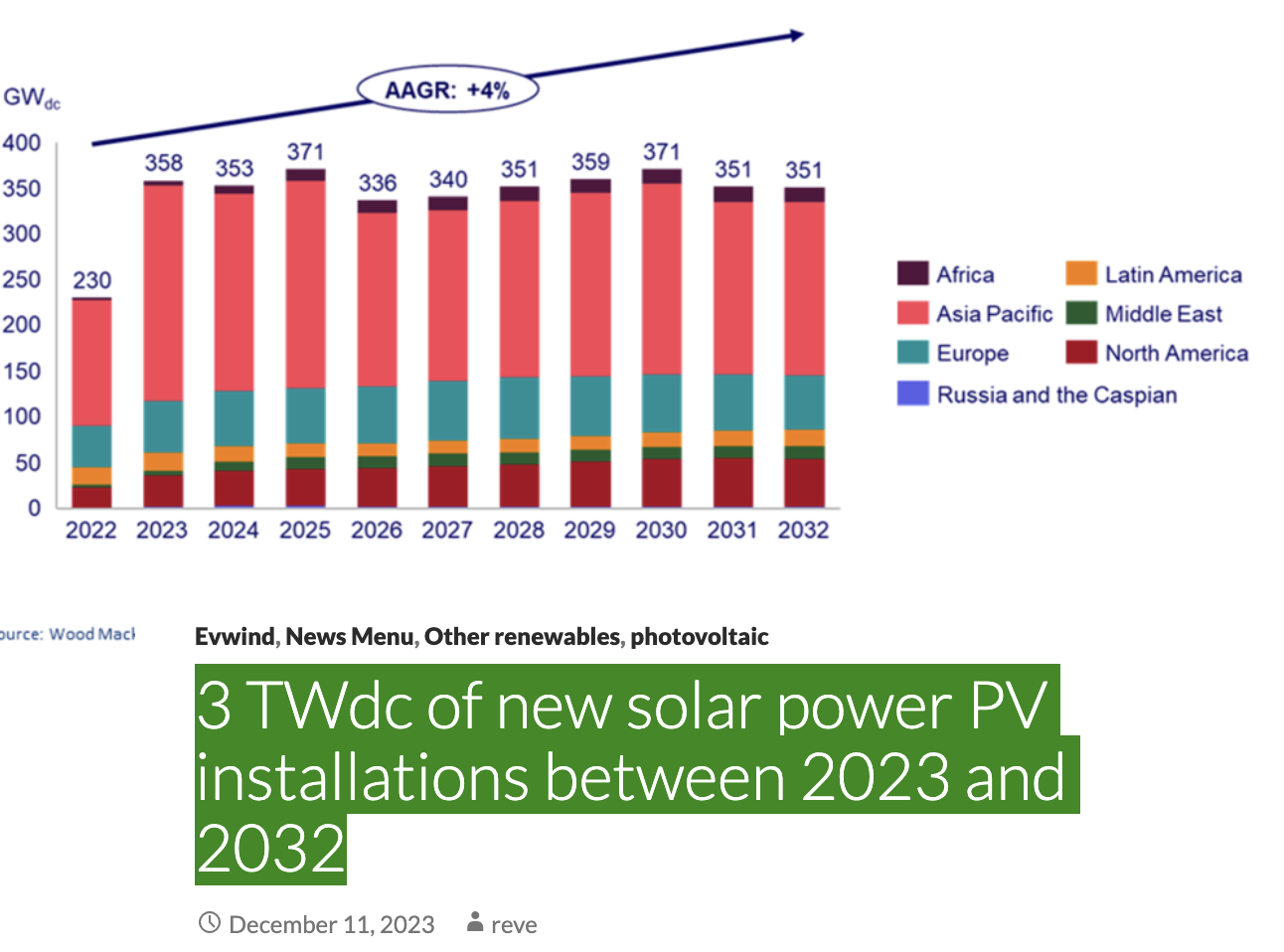
The deployment of photovoltaic (PV) technology has accelerated dramatically over the past decade, driven by steep reductions in hardware costs, supportive public policies, and an urgent global push toward decarbonization. According to data from the International Energy Agency (IEA), solar photovoltaics continue to account for the vast majority of all new renewable energy capacity additions globally, outstripping wind, hydro, and fossil-fuel alternatives combined.
This expansion is no longer concentrated in just a few wealthy nations. While traditional markets in Europe and North America maintain steady growth, emerging economies across Asia, Latin America, and the Middle East have become primary engines of deployment. Large-scale utility projects benefit from economies of scale, pushing levelized costs of electricity (LCOE) down to levels that frequently undercut conventional coal and natural gas generation, even without direct subsidies.
At the same time, distributed generation—comprising rooftop systems on residential homes, commercial buildings, and industrial facilities—is fundamentally altering grid dynamics. Prosumers (consumers who both consume and produce electricity) are reshaping local distribution networks, creating new decentralized power hubs that reduce transmission losses and enhance local energy security.
Regional Variations in Deployment and Policy Drivers
While the global trajectory points upward, the pace, scale, and structure of solar installations vary significantly by region. These differences are largely dictated by local regulatory frameworks, grid readiness, and financing structures.
Asia-Pacific Leadership
The Asia-Pacific region commands the lion's share of global solar capacity. China remains the undisputed global leader in both manufacturing and domestic installation, accounting for a substantial percentage of annual worldwide additions. Backed by robust state-level industrial policy, streamlined land-use approvals for massive desert utility projects, and integrated supply chains, Chinese deployment continues to break historical records. Other markets in the region, such as India, Vietnam, and Japan, exhibit diverse models ranging from ambitious utility-scale auctions to aggressive commercial rooftop mandates.
European Market Dynamics
European solar expansion is propelled by twin pressures: ambitious climate legislation under the European Green Deal and heightened energy security concerns following geopolitical disruptions in natural gas supplies. Governments across the continent have simplified administrative permitting procedures, introduced attractive feed-in tariffs, and implemented tax incentives for residential storage integration. Germany, Spain, and the Netherlands lead the European market, increasingly focusing on agrivoltaics (combining agricultural production with solar arrays) and floating solar farms on artificial water bodies to bypass land-use constraints.
Americas and Emerging Markets
In the Americas, the United States market is heavily influenced by federal legislation such as the Inflation Reduction Act (IRA), which provides long-term tax credits for clean energy manufacturing and deployment. However, domestic installations face persistent headwinds, including inter-state transmission bottlenecks, complex interconnection queues, and ongoing trade policy debates regarding module imports. In Latin America, countries like Brazil have seen explosive growth in distributed generation, encouraged by favorable net-billing regulations and abundant solar irradiance.
Key Technological Advancements
The rapid scaling of solar power installations is underpinned by continuous hardware and software innovation. Efficiency gains and manufacturing refinements have transformed standard system performance over the past decade.
- Advanced Photovoltaic Cells: The commercial dominance of PERC (Passivated Emitter and Rear Cell) technology is steadily giving way to higher-efficiency architectures, notably tunnel oxide passivated contact (TOPCon) and silicon-perovskite tandem cells, which push laboratory and commercial conversion efficiencies past previous theoretical ceilings.
- Bifacial Modules: Capturing reflected light from the ground on both sides of the panel, bifacial modules have become standard practice for utility-scale ground-mounted projects, boosting overall energy yields by 10% to 30% depending on albedo conditions.
- Smart Inverters and Grid-Forming Tech: Modern installations rely on sophisticated power electronics that do more than simply convert DC to AC power. Smart inverters provide voltage support, frequency regulation, and reactive power control, easing the integration of variable generation into aging grid infrastructure.
Major Global Trends in Solar Installations
| Trend Category | Primary Driver | Dominant Impact | Main Challenge |
|---|---|---|---|
| Utility-Scale Agrivoltaics | Land competition and dual-use efficiency | Optimizes agricultural yield while generating clean power | Higher initial capital expenditure and specialized mounting structures |
| BESS Integration | Grid congestion and intermittency mitigation | Shifts solar generation to peak demand evening hours | Battery supply chain constraints and raw material costs |
| Floating PV (FPV) | Land scarcity near urban demand centers | Reduces water evaporation and utilizes idle reservoir space | Specialized anchoring requirements and harsher maintenance environments |
| Distributed Microgrids | Energy resilience and climate-related grid failures | Keeps critical infrastructure operational during blackouts | Complex regulatory approval and cybersecurity management |
Unresolved Questions and Infrastructural Bottlenecks
Despite remarkable technical and commercial successes, the global solar sector faces several critical, unresolved questions that threaten to cap its growth velocity if left unaddressed.
Grid Interconnection Backlogs
The most pressing systemic bottleneck globally is the grid connection queue. Transmission system operators in both developed and developing nations are overwhelmed by the volume of utility-scale solar and storage projects requesting grid access. In many regions, developers face wait times of five to ten years simply to receive an interconnection study, let alone physical connection. Upgrading high-voltage transmission lines requires massive capital investment, complex environmental reviews, and often contentious public land acquisitions.
Energy Storage and Intermittency
Solar energy is inherently variable, generating power only when the sun shines. While lithium-ion battery energy storage systems (BESS) have advanced rapidly, balancing diurnal generation curves with nocturnal demand requires massive deployment of short- and long-duration storage technologies. Questions remain regarding the long-term degradation rates of utility-scale batteries, recycling infrastructure for spent cells, and the environmental and social impacts of mineral extraction for lithium, cobalt, and nickel.
Supply Chain Resilience and Geopolitics
The global solar supply chain exhibits a high degree of geographic concentration, particularly across polysilicon refining, ingot slicing, and wafer production. This centralization exposes the entire global market to trade disputes, export controls, and supply shocks. While various nations are investing heavily in domestic manufacturing capacity, building competitive, vertically integrated supply chains outside established hubs remains an expensive and time-consuming endeavor.
Frequently Asked Questions
What are the main factors driving the global growth of solar power?
The primary growth drivers are drastically reduced hardware costs, supportive government policies and tax incentives, corporate sustainability mandates, and the superior economic competitiveness of solar generation compared to new fossil-fuel infrastructure in most global markets.
Why do solar projects face long delays in connecting to the power grid?
Grid interconnection queues are delayed because traditional electricity grids were designed for centralized, fossil-fuel power plants rather than thousands of dispersed, variable renewable generators. Transmission system operators lack the capacity and infrastructure to process and accommodate the massive influx of new project requests.
How do agrivoltaics work, and why are they becoming popular?
Agrivoltaics combine agricultural activity and solar photovoltaic electricity generation on the same piece of land. They are gaining popularity because they alleviate land-use competition, protect certain crops from extreme heat and water evaporation via partial shading, and provide farmers with a diversified, stable income stream.
What is the role of battery storage in modern solar installations?
Battery energy storage systems store excess solar energy generated during peak daylight hours and discharge it during evening demand peaks or grid outages. This mitigates solar intermittency, reduces curtailment (wasted generation), and provides crucial grid stabilization services.
Are current global solar supply chains secure against disruptions?
Current supply chains remain vulnerable due to high geographic concentration in raw material processing and module manufacturing. While regional diversification initiatives are underway, establishing fully independent domestic supply chains involves significant capital outlays and regulatory hurdles.
Practical Next Actions for Industry Stakeholders
For developers, investors, and policymakers navigating the current landscape, addressing these trends requires strategic foresight. Stakeholders must prioritize early engagement with grid operators to assess hosting capacity before site acquisition, integrate energy storage into project designs from inception to maximize revenue opportunities, and diversify procurement strategies to mitigate supply chain volatility. By confronting infrastructural bottlenecks proactively, the solar sector can sustain its vital contribution to the global energy transition.
Image Gallery