Understanding Permanent Life Insurance: Policies That Combine Protection with Cash Value
Permanent life insurance is the category of coverage designed to provide a death benefit throughout your entire lifetime while simultaneously building an internal savings component known as cash value. Unlike term insurance, which only...
Permanent life insurance is the category of coverage designed to provide a death benefit throughout your entire lifetime while simultaneously building an internal savings component known as cash value. Unlike term insurance, which only covers a specific window of time, these policies remain in force as long as premiums are paid and the policy is properly maintained, serving as both a financial safety net for beneficiaries and a potential asset for the policyholder.
Contents
The Mechanism of Cash Value Accumulation
At its core, a permanent life insurance policy functions by splitting your premium payment into three distinct buckets: the cost of insurance (the death benefit), administrative fees, and the cash value component. When you pay your premium, a portion of those funds is deposited into the policy's cash value account, which grows over time.
This growth is generally tax-deferred, meaning you do not pay income tax on the gains while they remain inside the policy. Depending on the type of policy, this value may grow through fixed interest, dividends credited by a mutual insurance company, or performance tied to external market indices. As the cash value accumulates, it provides the policyholder with liquidity. You can typically access these funds during your lifetime through policy loans or partial surrenders, which can be useful for supplemental retirement income, educational expenses, or emergency liquidity. It is important to note, however, that taking money out of the policy may reduce the death benefit provided to your beneficiaries upon your passing.
Types of Permanent Insurance Policies
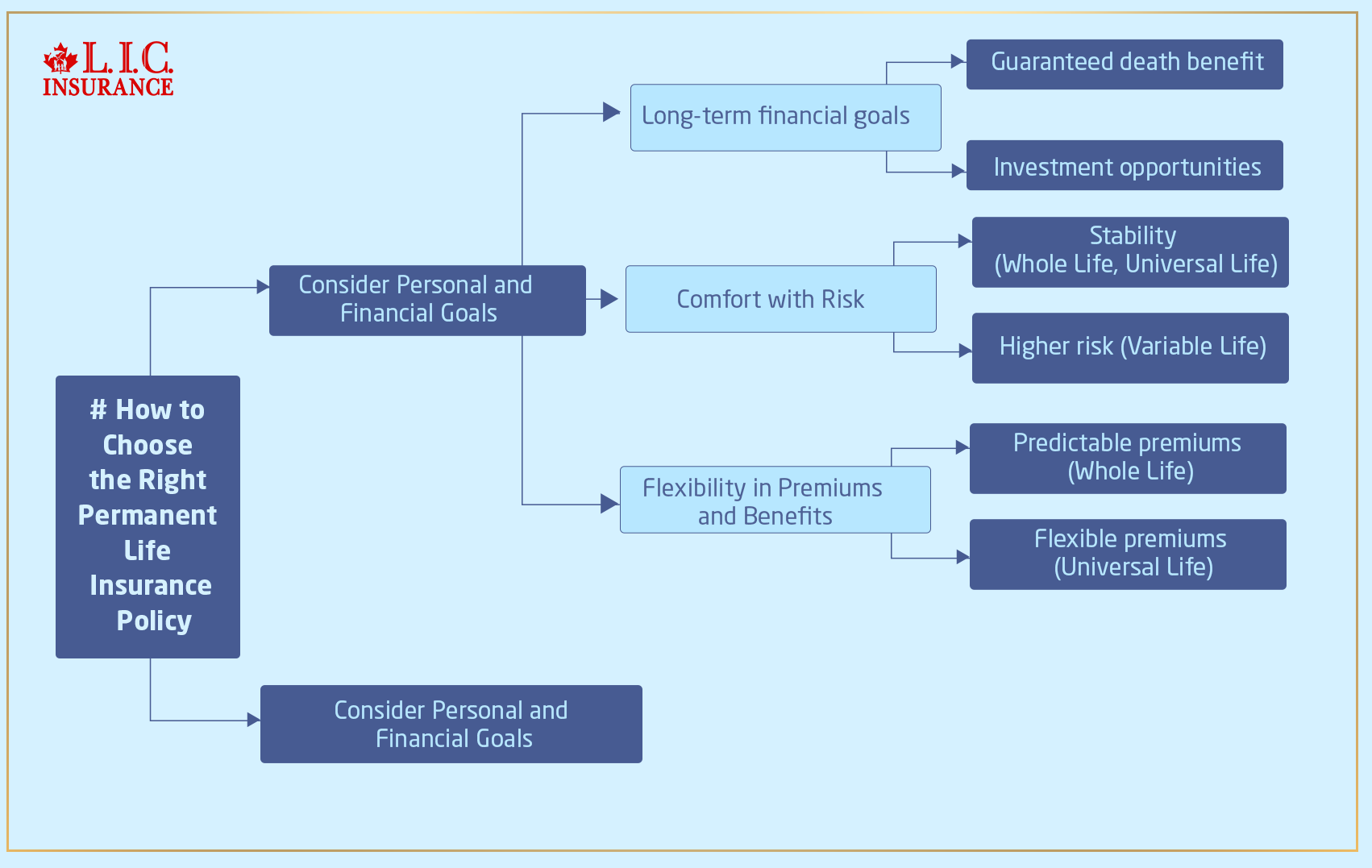
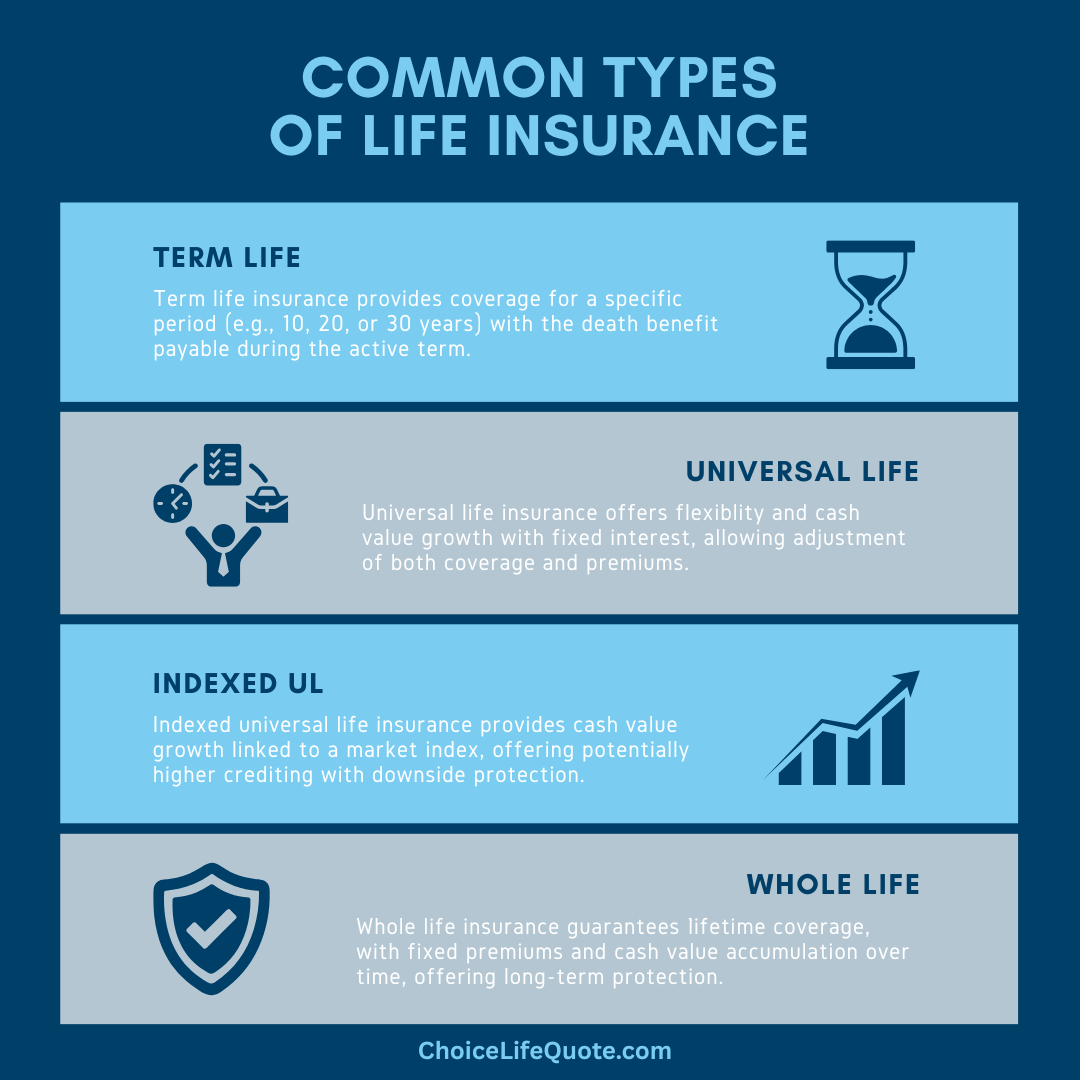
While they all share the commonality of combining protection with cash value, not all permanent policies are structured the same way. The primary varieties include:
Whole Life Insurance
Whole life insurance is the most traditional form of permanent coverage. It features fixed premiums that never change, a guaranteed death benefit, and a cash value account that grows at a guaranteed rate of interest. Many whole life policies, particularly those issued by mutual insurance companies, may also pay annual dividends. While these dividends are not guaranteed, they can be used to pay premiums, increase the death benefit, or accumulate additional cash value. Because of its stability and guarantees, whole life typically commands the highest premium among permanent options.
Universal Life (UL) Insurance
Universal life offers more flexibility than whole life. It allows policyholders to adjust their premiums and, within certain limits, their death benefit levels as their financial circumstances change. The cash value component of a UL policy earns interest based on a rate set by the insurer, which may fluctuate. If the cash value grows sufficiently, you may be able to use those funds to cover the cost of the insurance, effectively lowering or even eliminating your out-of-pocket premium payments.
Variable Universal Life (VUL) Insurance
Variable Universal Life is a sophisticated product that introduces market risk. Similar to a standard universal life policy, it offers flexibility in premiums and death benefits. However, the cash value is invested in a variety of sub-accounts, which function similarly to mutual funds. Because the growth of the cash value is tied to the performance of these investments, the potential for growth is higher, but so is the risk of loss. If the sub-accounts perform poorly, the policyholder may be required to pay higher premiums to keep the policy from lapsing.
Indexed Universal Life (IUL) Insurance
Indexed Universal Life policies tie the interest credited to the cash value to the performance of a specific stock market index, such as the S&P 500. These policies usually include a "floor" that protects the cash value from market declines, meaning you do not lose money due to a market crash, though there is also a "cap" that limits the maximum interest you can earn during bull markets.
Comparison of Permanent Life Insurance Features
| Feature | Whole Life | Universal Life | Variable Universal Life | Indexed Universal Life |
|---|---|---|---|---|
| Premiums | Fixed | Flexible | Flexible | Flexible |
| Death Benefit | Guaranteed | Adjustable | Adjustable | Adjustable |
| Cash Value Growth | Fixed/Dividends | Credited Rate | Market-based | Index-linked |
| Market Risk | Low/None | Low | High | Moderate |
| Complexity | Low | Moderate | High | High |
Essential Considerations Before Purchasing
Choosing a policy that combines protection with cash value is a long-term commitment. Before moving forward, evaluate your financial objectives and your ability to maintain the policy over several decades.
- Financial Stability: Permanent insurance is more expensive than term insurance. If you cannot sustain the premiums, the policy may lapse, resulting in a loss of coverage and potential tax consequences if there was a loan balance.
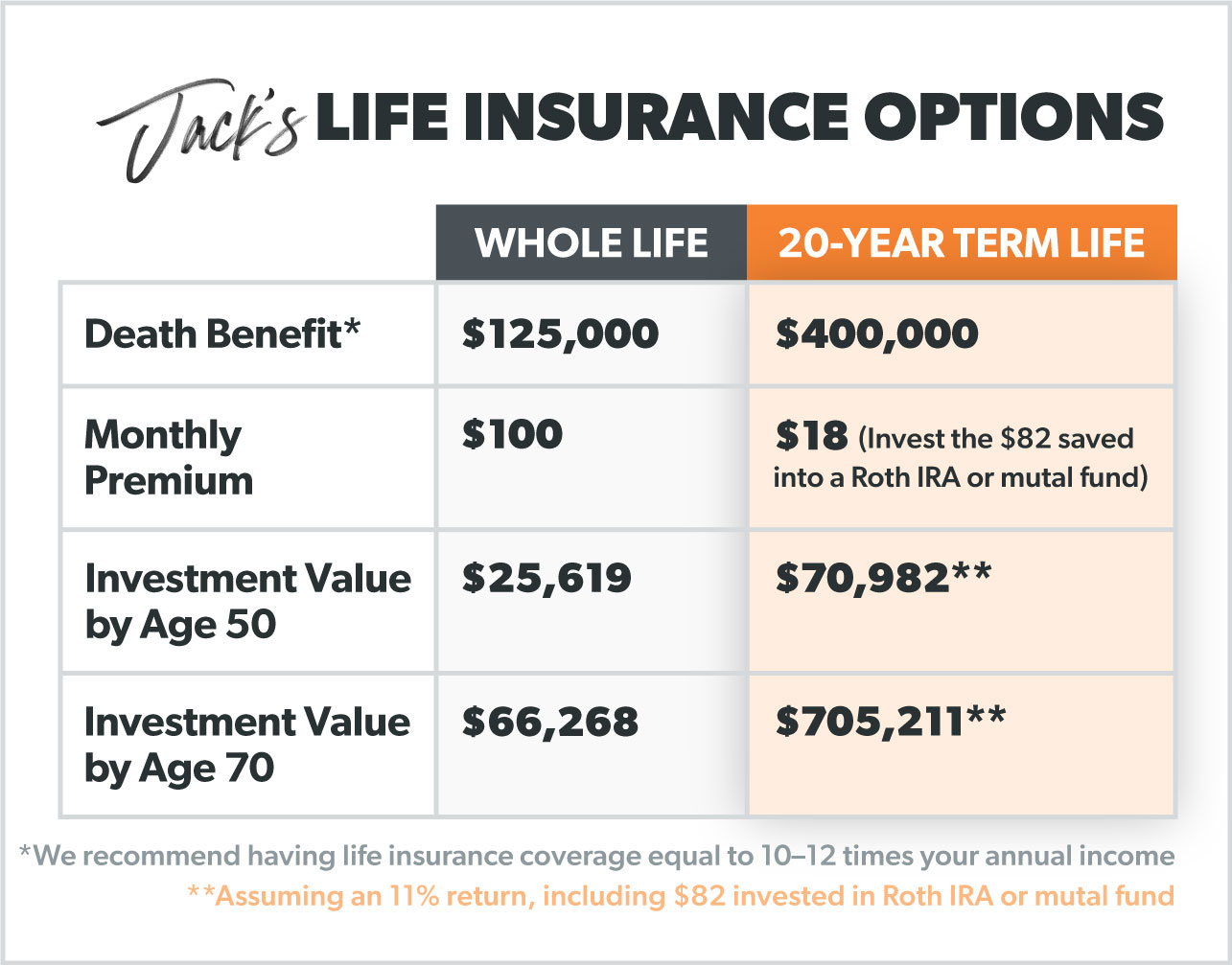
- Purpose of Coverage: Ask yourself if you need the policy primarily for income replacement for your family or as a tool for tax-advantaged wealth accumulation. If your primary need is inexpensive coverage for a specific period (such as until your mortgage is paid off), term insurance might be a more cost-effective choice.
- Regulatory Framework: In 2026, insurance regulations remain governed at the state level. Ensure the insurance company you choose is licensed in your jurisdiction and check their financial strength ratings through independent agencies like A.M. Best or Moody’s.
- Fees and Loads: Examine the "prospectus" or policy illustration carefully. All permanent policies have internal costs, including surrender charges—fees you pay if you cancel or take out too much cash value in the early years of the policy.
Frequently Asked Questions
Can I withdraw cash value without losing my death benefit? Yes, but with caveats. You can typically take a policy loan against your cash value. If you do not repay the loan before you pass away, the amount of the loan, plus accrued interest, will be subtracted from the death benefit paid to your beneficiaries.
Are the gains on cash value taxable? Generally, the growth within the cash value account is tax-deferred. If you withdraw cash up to the amount of the premiums you have paid (the "cost basis"), it is usually considered a return of principal and is not taxed. However, amounts withdrawn exceeding your cost basis may be subject to income tax.
What happens if I stop paying premiums? Depending on how much cash value has accumulated, the policy may use that value to continue paying the premiums for a period of time. Eventually, if no more premiums are paid and the cash value is exhausted, the policy will lapse, and you will lose both the death benefit and any remaining cash value.
Is permanent life insurance a good retirement tool? It can be, for specific scenarios. Because of the tax-deferred growth and the ability to take tax-efficient loans, it is often used by high-earners who have already maxed out their 401(k) and IRA contributions. However, it is not a substitute for traditional retirement accounts.
Do I need a medical exam to get this type of policy? Many permanent policies require a medical exam, though "simplified issue" or "guaranteed issue" versions exist. These typically carry higher costs or lower death benefit limits because the insurer takes on more risk without knowing your full health history.
Next Steps for Evaluating Your Options
If you are considering a policy that combines protection with cash value, start by assessing your current financial position and long-term goals. Consult with a qualified financial advisor who can run a "policy illustration"—a detailed projection showing how your premiums, death benefit, and cash value are expected to behave over the life of the policy. Because these products are complex and long-term in nature, ensure you understand the specific surrender charges and interest-crediting methodologies before signing any agreements.
Image Gallery