Understanding LWC EDI Requirements for Workers’ Compensation Reporting
The Louisiana Workforce Commission (LWC) mandates that insurance carriers, self-insured employers, and third-party administrators submit workers' compensation claim data via Electronic Data Interchange (EDI). By utilizing the IAIABC st...
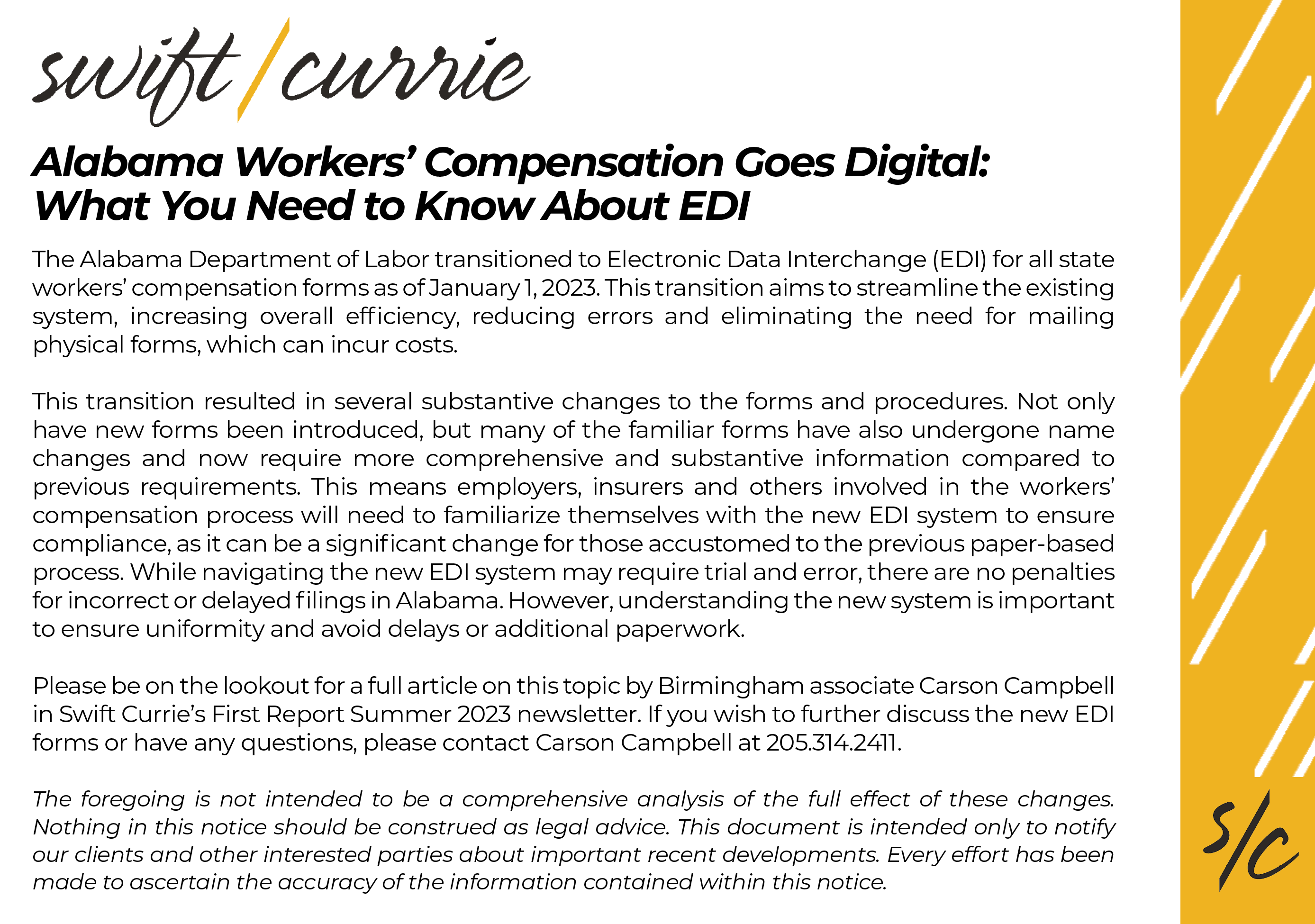
The Louisiana Workforce Commission (LWC) mandates that insurance carriers, self-insured employers, and third-party administrators submit workers' compensation claim data via Electronic Data Interchange (EDI). By utilizing the IAIABC standard format, the LWC streamlines the intake of First Report of Injury (FROI) and Subsequent Report of Injury (SROI) filings, ensuring regulatory compliance and efficient claims administration within the state.
Contents
The Role of EDI in Louisiana Workers’ Compensation
Electronic Data Interchange (EDI) serves as the backbone of modern workers' compensation reporting in Louisiana. The Louisiana Workforce Commission, specifically under the jurisdiction of the Office of Workers' Compensation Administration (OWCA), requires entities responsible for managing claims to transmit data digitally rather than through paper-based reporting. This system is designed to minimize manual data entry errors, accelerate the processing of benefits, and maintain a standardized record of workplace injuries across the state.
When an employer reports a work-related injury, the claim information must be transmitted to the LWC in a format that their systems can ingest directly. This process relies on the International Association of Industrial Accident Boards and Commissions (IAIABC) standards. These standards define the specific data elements, file layouts, and transmission protocols that insurers and administrators must follow to remain in good standing with the state’s regulatory body.
Identifying Compliance Requirements
Compliance with LWC EDI mandates is not optional for those operating within the Louisiana workers' compensation ecosystem. Entities that qualify as "data reporters"—including insurance carriers, self-insured employers, and state funds—are required to participate in the EDI program. The reporting obligation is triggered by the occurrence of a compensable injury that meets the reporting thresholds established by Louisiana law.
Technical Standards and Versioning
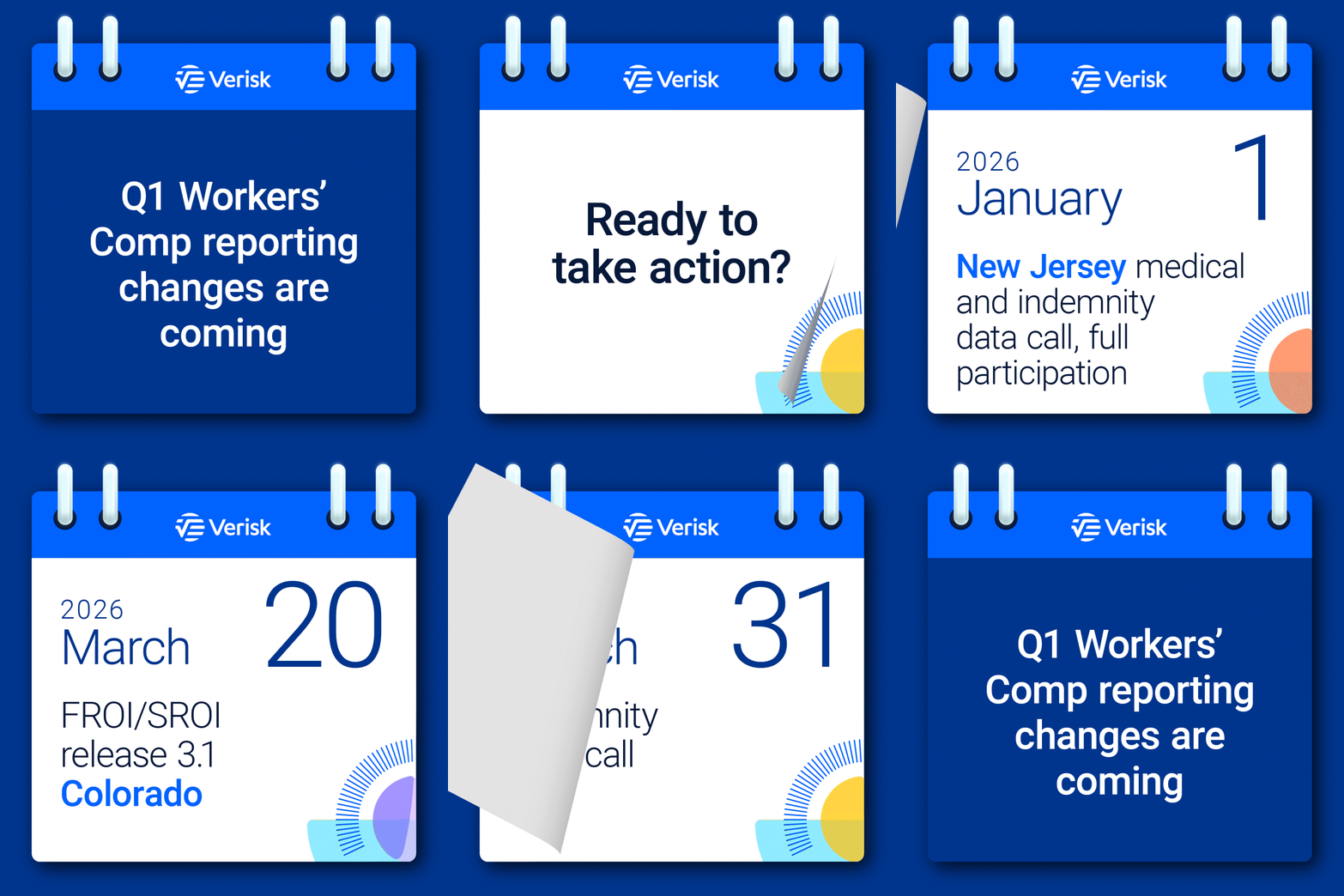
The LWC utilizes specific versions of the IAIABC standard. As of 2026, it is critical that all reporting entities verify their technical specifications against the latest implementation guide provided by the LWC. Technical requirements typically include:
- File Format: Data must be submitted in the standardized record format defined by the IAIABC Release 3.1.
- Transmission Protocol: Secure File Transfer Protocol (SFTP) is the standard method for uploading data batches.
- Data Validation: Files undergo a series of "edit checks" to ensure that mandatory fields (such as employer ID, employee social security number, and injury date) are populated correctly.
Failure to meet these technical requirements results in "transaction rejections," which can lead to administrative penalties or enforcement actions by the OWCA.
The Reporting Process: FROI and SROI
The EDI process is categorized into two primary types of submissions. Understanding the distinction is essential for operational accuracy.
First Report of Injury (FROI)
The FROI is the initial notification of a claim. This document establishes the basic facts of the injury, including the date of the incident, the nature of the injury, and the parties involved. In the EDI environment, this is often referred to as the "00" or "Original" transaction. The FROI must be submitted within the timelines established by Louisiana statute to avoid late-filing fines.
Subsequent Report of Injury (SROI)
Following the initial report, the SROI is used to provide updates on the claim’s status. This includes changes in benefit payments, the return-to-work status of the employee, or the closure of the claim. Maintaining a consistent SROI trail is vital, as it allows the LWC to monitor the duration of medical treatment and the appropriateness of compensation payments being issued to the injured worker.
Comparison of Reporting Methods
| Feature | Paper/Manual Reporting | EDI Reporting (IAIABC) |
|---|---|---|
| Processing Speed | Slow; manual entry required | Real-time or batch-automated |
| Error Rate | High; subject to transcription errors | Low; system-validated schemas |
| Compliance Cost | Low upfront; high labor cost | High upfront; low maintenance |
| Data Integrity | Difficult to audit | Standardized and searchable |
| State Preference | Deprecated/Restricted | Mandatory for most entities |
Common Implementation Challenges
Transitioning to or maintaining an EDI system for LWC reporting often presents unique challenges for insurance carriers and third-party administrators. One of the most frequent hurdles is "Data Mapping." Organizations often have their internal claim systems organized differently than the IAIABC standards. Mapping internal fields to the required EDI elements requires precision; a mismatch in a single field can cause an entire batch file to be rejected.
Another challenge is "Acknowledgement Processing." After a file is sent, the LWC returns an acknowledgement file (often referred to as an AKC file). This file confirms whether the transmission was accepted or rejected. Many entities fail to monitor these acknowledgements closely, leading to a backlog of uncorrected errors that only become apparent during a regulatory audit.
Best Practices for Maintaining Compliance
To remain compliant with the LWC’s EDI requirements, stakeholders should adopt a proactive management approach:
- Monitor Implementation Guides: Always ensure your IT department or EDI vendor is using the most current Implementation Guide (IG) published by the Louisiana Office of Workers' Compensation.
- Test Environment Utilization: Never send new file formats directly to production. Utilize the LWC’s designated test environment to validate new data feeds before going live.
- Dedicated Compliance Monitoring: Assign a specific staff member to track transmission acknowledgements and resolve rejected transactions within 24 to 48 hours.
- Security Protocols: Since EDI transmissions contain sensitive PII (Personally Identifiable Information) and PHI (Protected Health Information), ensure that all data is encrypted during transit and at rest, aligning with HIPAA and state privacy laws.
Frequently Asked Questions (FAQ)
What happens if an EDI submission is rejected?
If a submission is rejected, the LWC will provide an error code in the acknowledgement file. The reporter must identify the specific data element that failed validation, correct the information, and resubmit the transaction. Failure to resubmit corrected data within the statutory timeframe can lead to fines.
Do small employers need to file EDI reports?
Generally, the responsibility to report via EDI falls on the insurance carrier or the third-party administrator handling the claim on behalf of the employer. Employers should coordinate with their insurance provider to ensure they are fulfilling their reporting obligations.
Is the IAIABC standard the same for all states?
No. While the IAIABC provides the framework, individual states like Louisiana adapt the standard to fit their specific regulatory statutes. You must always refer to the Louisiana-specific implementation guides rather than generic IAIABC documentation.
How often are EDI transmissions sent?
Most entities operate on a daily or weekly batch schedule. The frequency is often determined by the volume of claims and the internal processing capacity of the insurance carrier or administrator.
Where can I find the latest technical manuals for LWC EDI?
The Louisiana Workforce Commission provides resources through the Office of Workers' Compensation Administration. Their official website contains the most up-to-date technical requirements, bulletins, and contact information for the EDI support desk.
Next Actions for Claim Administrators
If you are currently managing workers' compensation claims in Louisiana, the first step is to conduct an audit of your current reporting status. If you are outsourcing your EDI reporting to a third-party vendor, request a report of all "Rejected" transactions from the last 90 days. Verify that these have been corrected and re-transmitted. If you are managing your own EDI infrastructure, perform a gap analysis against the current year’s technical specifications to ensure that your system is prepared for any recent rule updates mandated by the OWCA. Consistent communication with the LWC’s EDI help desk is the most reliable way to stay ahead of changing compliance requirements.
Image Gallery