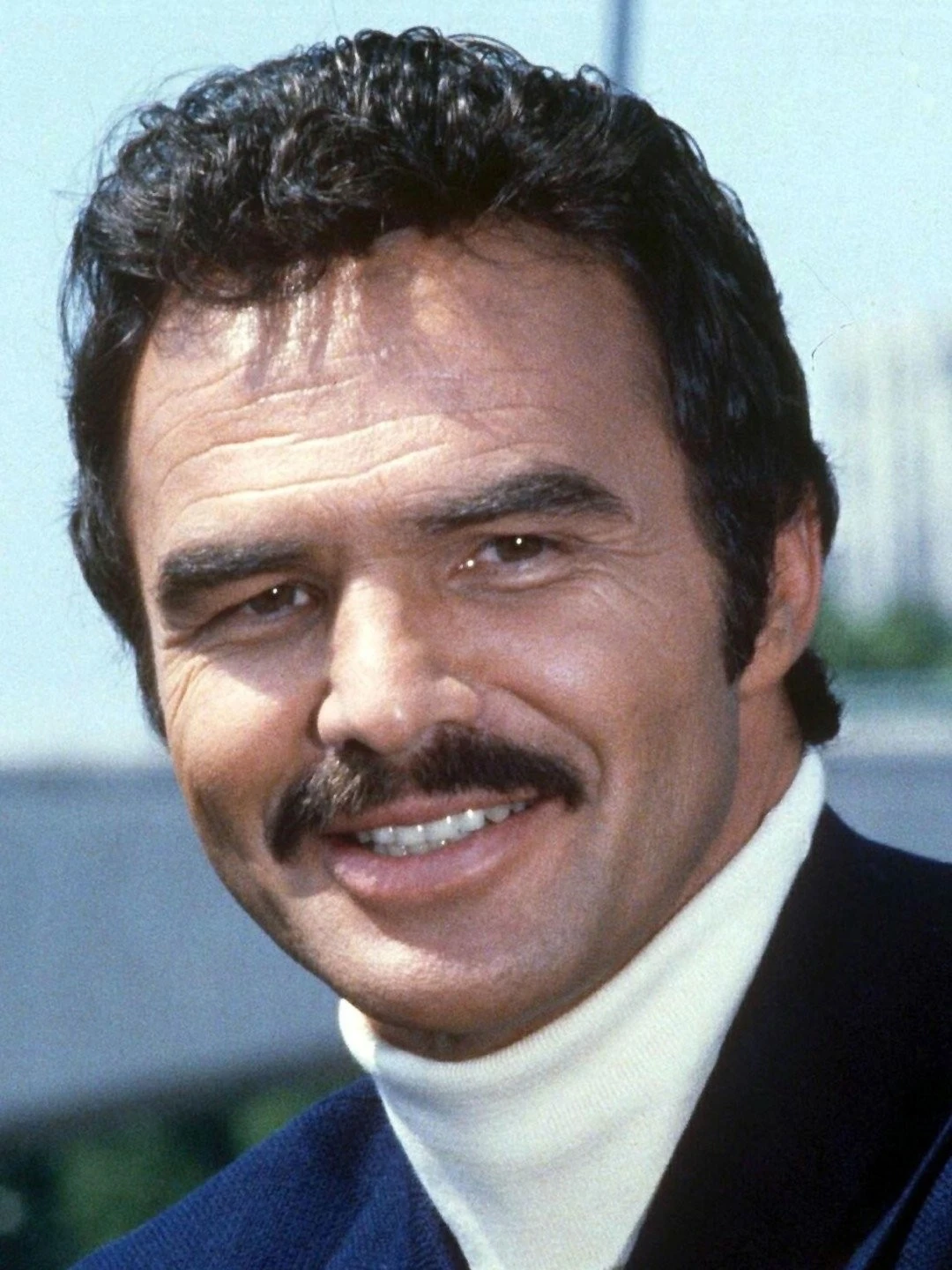
Burt Reynolds: Iconic Actor and Emmy-Winning Legacy
Burt Reynolds remains one of the most recognizable figures in American cinematic history, celebrated for his transition from a college football athlete to a top-tier Hollywood box-office king. While best remembered for his charismatic...
Burt Reynolds remains one of the most recognizable figures in American cinematic history, celebrated for his transition from a college football athlete to a top-tier Hollywood box-office king. While best remembered for his charismatic on-screen persona and high-energy action films, his professional career earned him critical acclaim, including an Emmy Award for his role in the television series Evening Shade.
Contents
The Rise of a Cinematic Icon
Burt Reynolds (1936–2018) established himself as a cultural phenomenon during the 1970s and 1980s. Born Burton Leon Reynolds Jr. in Lansing, Michigan, his early life was defined by athletic prowess. A standout running back at Florida State University, his football career was curtailed by injuries, leading him to pivot toward acting. This background in sports often informed the physicality and rugged charm he brought to his roles.
His breakthrough in television during the late 1950s and 1960s—notably in series like Gunsmoke and Dan August—laid the groundwork for his superstardom. However, it was his transition to feature films that cemented his status as an icon. His performance in Deliverance (1972) provided the first major indication of his dramatic range, moving beyond his public persona as a lighthearted action hero.
Defining Roles and Box-Office Dominance
Throughout the late 1970s, Reynolds was the definition of a "movie star." For five consecutive years, from 1978 to 1982, he was the top-grossing actor in Hollywood, a feat that remains rare in the history of the industry. This era was defined by high-octane entertainment and a distinct, self-aware charm that audiences found magnetic.
The Smokey and the Bandit franchise (1977–1983) is arguably the centerpiece of this era. His portrayal of Bo "Bandit" Darville solidified his image as the ultimate anti-establishment figure—a carefree, fast-talking protagonist who consistently outsmarted authority. Other projects, such as The Longest Yard (1974) and Hooper (1978), leaned into his athletic background, successfully blending comedy, action, and sentimentality.
Emmy-Winning Recognition and Television Return
While feature film success defined his mid-career, Reynolds maintained a complex relationship with critical acclaim. He transitioned back to television in the early 1990s, where he found significant success with the sitcom Evening Shade (1990–1994). In the series, he played Wood Newton, a former professional football player who returns to his small hometown to coach a high school team.
The role was a perfect synthesis of his real-life history and his natural charisma. For his performance, Reynolds received the Primetime Emmy Award for Outstanding Lead Actor in a Comedy Series in 1991. This victory served as a milestone, providing industry validation for a performer who had often been dismissed by critics during his peak movie-star years.
Key Professional Milestones
| Milestone | Year | Context |
|---|---|---|
| Deliverance Release | 1972 | Critical recognition for dramatic acting |
| Box-Office King | 1978–1982 | Five-year streak as #1 grossing star |
| Evening Shade Debut | 1990 | Return to network television |
| Emmy Award Win | 1991 | Outstanding Lead Actor in a Comedy Series |
| Boogie Nights Release | 1997 | Academy Award nomination for Best Supporting Actor |
Later Career and Critical Resurgence
The late 1990s offered a profound shift for Reynolds, characterized by a more introspective approach to his craft. His portrayal of pornographic film director Jack Horner in Paul Thomas Anderson’s Boogie Nights (1997) is frequently cited by film scholars as a masterful performance. This role allowed him to subvert his own "tough guy" image, exposing the vulnerability and bitterness behind the Hollywood facade. The performance earned him a nomination for the Academy Award for Best Supporting Actor and a Golden Globe win, proving that his utility as a dramatic force remained strong.
In the final decades of his life, Reynolds participated in various independent films and television projects, frequently appearing as a mentor figure or a caricature of his past self. His legacy continues to be debated in academic circles, primarily concerning the tension between his massive popular appeal and the critical establishment's evolving view of his work.
Understanding the "Burt Reynolds" Persona
To evaluate his impact, one must distinguish between the "Burt Reynolds" product—the mustachioed, charming, and slightly irreverent cultural icon—and the actor behind the performance. The persona was a carefully cultivated brand that dominated the public consciousness.
Why His Performance Style Resonated
- Charismatic Relatability: Unlike the stoic heroes of the previous generation, Reynolds’ characters were flawed, often reactive, and deeply human.
- Comedic Timing: His ability to deliver self-deprecating humor kept his action films from becoming overly somber.
- Authenticity: By drawing upon his own history as an athlete and his experiences in the South, he brought a level of grounding to roles that could have otherwise felt hollow.
Frequently Asked Questions
Did Burt Reynolds win an Oscar?
Burt Reynolds did not win an Academy Award, though he received a nomination for Best Supporting Actor for his role in Boogie Nights (1997). He did, however, win a Golden Globe for that same performance.
What is the origin of his Emmy Award?
Reynolds won the Primetime Emmy Award in 1991 for his work as the lead actor in the CBS sitcom Evening Shade, where he played the character Wood Newton.
Which films define his box-office success?
His peak as a box-office draw was anchored by Smokey and the Bandit, The Cannonball Run, and The Longest Yard. These films showcased his ability to draw large, mainstream audiences throughout the late 1970s and early 1980s.
How did his football background influence his acting?
His athletic training contributed significantly to his physical presence on screen. It influenced his choice of roles, such as the football-centric plots in The Longest Yard and Evening Shade, and helped him perform many of his own stunts early in his career.
What is his most critically acclaimed dramatic performance?
Most film critics point to Boogie Nights (1997) as the definitive late-career dramatic performance that demonstrated his ability to play complex, layered characters beyond his established Hollywood persona.
Recommendation for Further Exploration
For those interested in a deeper analysis of Reynolds' transition from a blockbuster star to a nuanced character actor, it is recommended to view Deliverance alongside Boogie Nights. Contrasting these two films provides a comprehensive look at the range he possessed across different stages of his life, illustrating both the raw intensity of his early dramatic work and the reflective maturity of his later career.
Image Gallery