Watchmen Movie Explained: Deconstructing the Plot, Characters, and Ending
Zack Snyder’s 2009 adaptation of Watchmen is a complex deconstruction of the superhero genre, set in a dystopian 1985 where costumed vigilantes have been outlawed. The film follows a group of retired heroes as they investigate the murd...
Zack Snyder’s 2009 adaptation of Watchmen is a complex deconstruction of the superhero genre, set in a dystopian 1985 where costumed vigilantes have been outlawed. The film follows a group of retired heroes as they investigate the murder of one of their own, eventually uncovering a global conspiracy to prevent nuclear war through a catastrophic act of mass deception.
Contents
As of 2026, Watchmen remains a seminal piece of comic book cinema, frequently cited for its visual fidelity to the source material and its darker, more cynical take on heroism compared to the mainstream Marvel and DC cinematic universes. To understand the film, one must look past the masks and into the conflicting philosophies that drive its main characters toward a world-altering conclusion.
The World of 1985: An Alternate Reality
The movie takes place in an alternate version of the 1980s. In this timeline, the presence of real costumed adventurers and a literal god-man has fundamentally altered history. The United States won the Vietnam War in a matter of weeks thanks to Dr. Manhattan, Richard Nixon has been elected to multiple terms, and the Cold War with the Soviet Union has escalated to the brink of total nuclear annihilation.
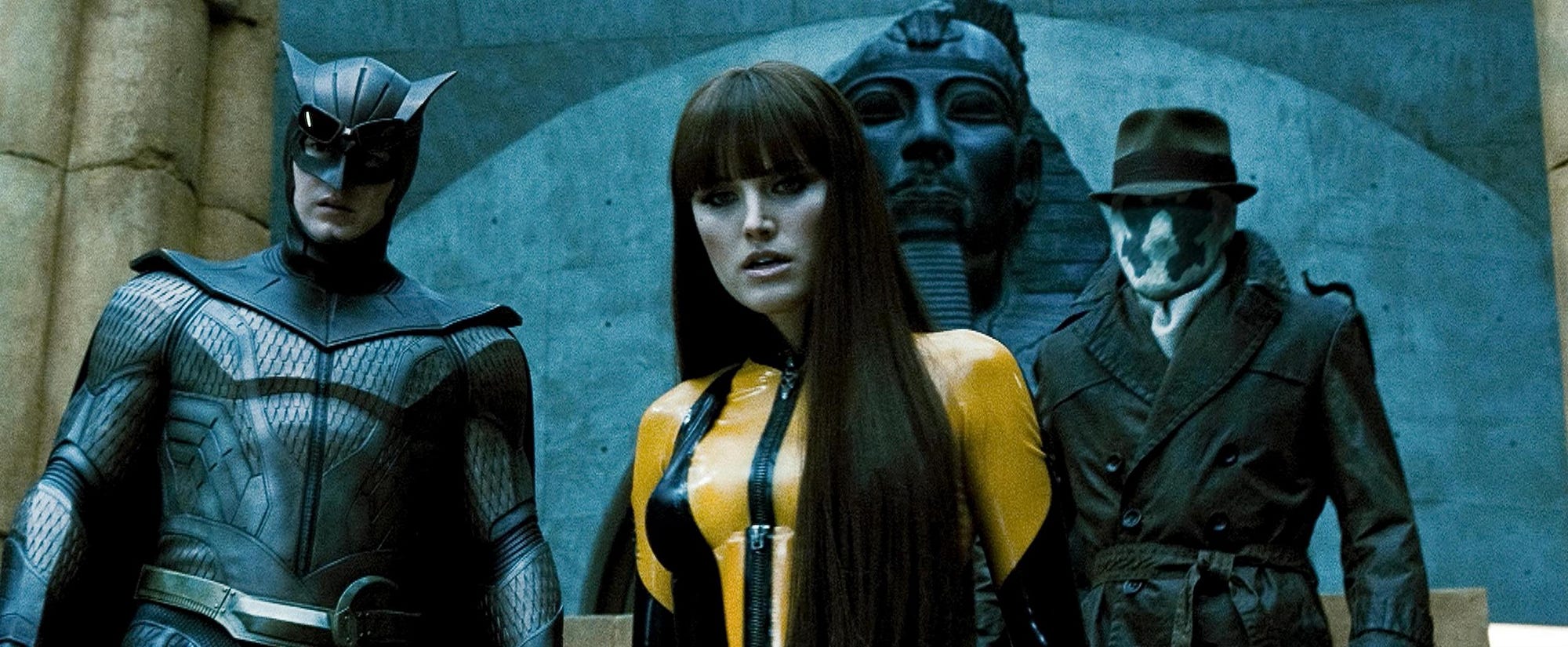
By the time the movie begins, costumed heroics have been banned by the Keane Act of 1977. This law was a response to police strikes and public rioting against vigilantes who operated outside the law. Most heroes retired and revealed their identities, while a few, like the Comedian and Dr. Manhattan, became government agents. Only one, Rorschach, continues to operate as an illegal vigilante, refusing to compromise his personal moral code.
The Catalyst: The Death of Edward Blake
The narrative engine of the movie is the murder of Edward Blake, also known as The Comedian. Blake was a cynical, brutal operative who viewed the world as a dark joke. His death is the first domino to fall. Rorschach, investigating the crime scene, suspects a "mask killer" is targeting former heroes to eliminate potential threats to an unknown plan.
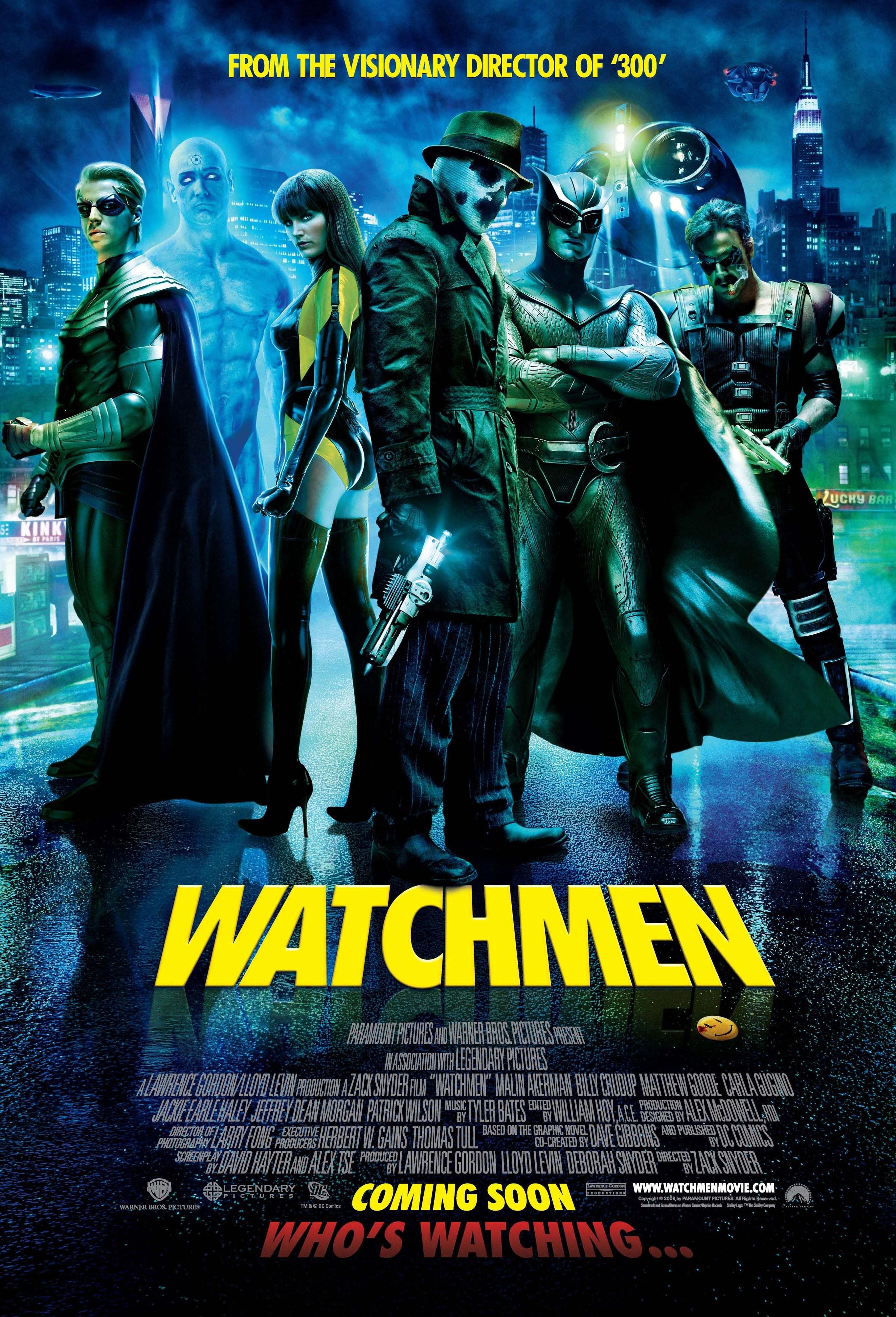
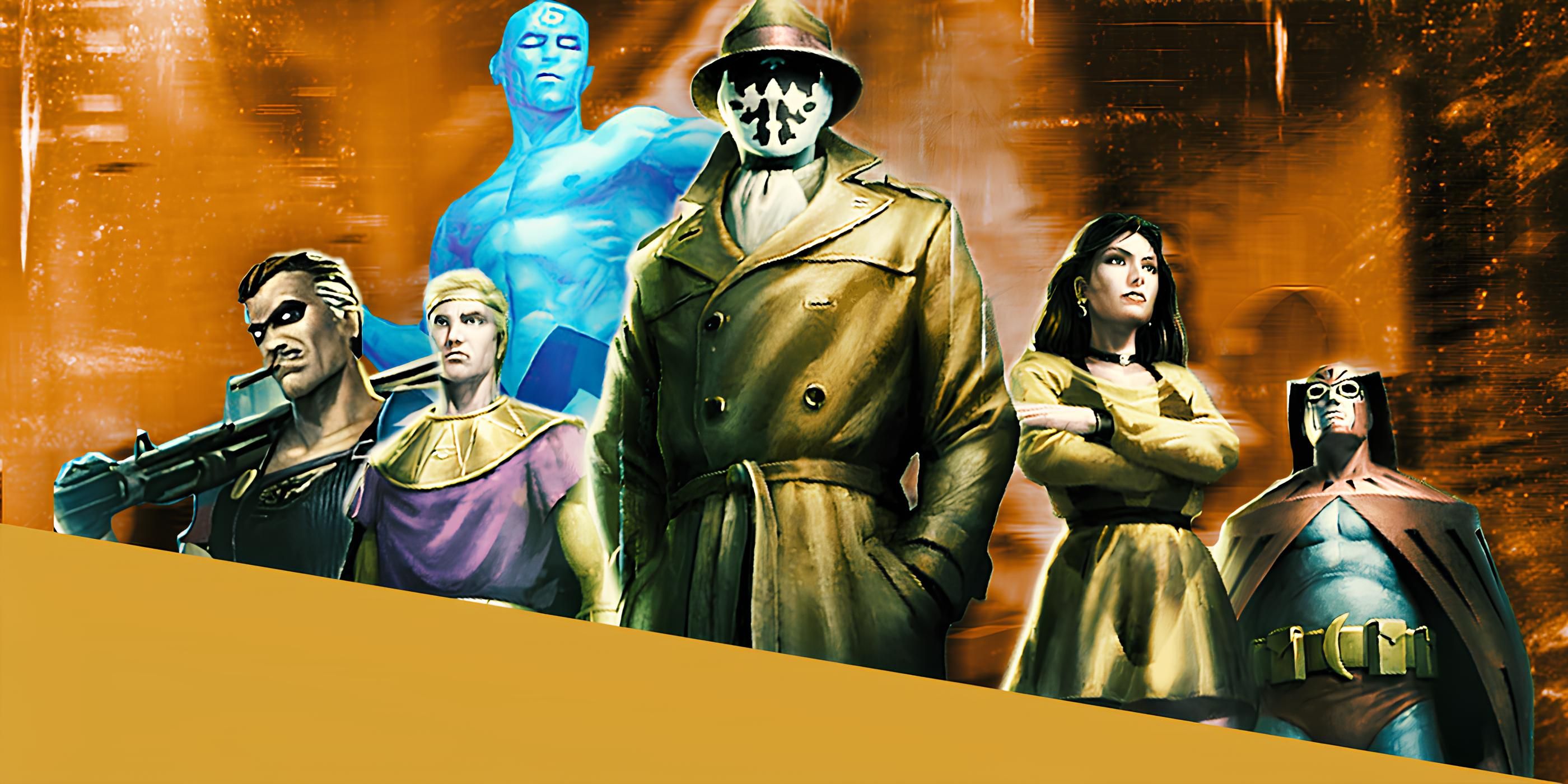
As Rorschach warns his former colleagues—Dan Dreiberg (Nite Owl II), Laurie Jupiter (Silk Spectre II), Adrian Veidt (Ozymandias), and Jon Osterman (Dr. Manhattan)—the audience learns through flashbacks that the "Watchmen" (referred to as the Crimebusters in the comics) were never a cohesive or particularly heroic team. They were a collection of traumatized, ego-driven, or socially detached individuals who failed to make a meaningful difference in the world's social problems.
Key Character Philosophies
The conflict in Watchmen is not just between "good guys" and "bad guys," but between competing moral frameworks. Each character represents a different way of viewing justice and humanity.
Rorschach: Moral Absolutism
Walter Kovacs, known as Rorschach, views the world in black and white. To him, there is good and there is evil, and evil must be punished without exception. His philosophy is Deontological; he believes that certain actions are inherently right or wrong regardless of the consequences. This is why he refuses to ignore the truth, even if revealing that truth would result in global catastrophe.
Dr. Manhattan: Determinism and Nihilism
Jon Osterman is the only character with actual superpowers. Following a laboratory accident, he gained control over matter and energy. However, he perceives time all at once—past, present, and future are a single "solid" block to him. This perspective makes him detached from human life. He views humans as "nothing more than a thermodynamic miracle," but he struggles to find a reason to save a species that seems intent on destroying itself.
Ozymandias: Utilitarianism
Adrian Veidt, the "smartest man in the world," believes that the end justifies the means. His philosophy is Utilitarian; he seeks the greatest good for the greatest number. If killing millions of people is the only way to save billions from nuclear war, he considers it a logical and necessary sacrifice.
Nite Owl II and Silk Spectre II: The Human Middle Ground
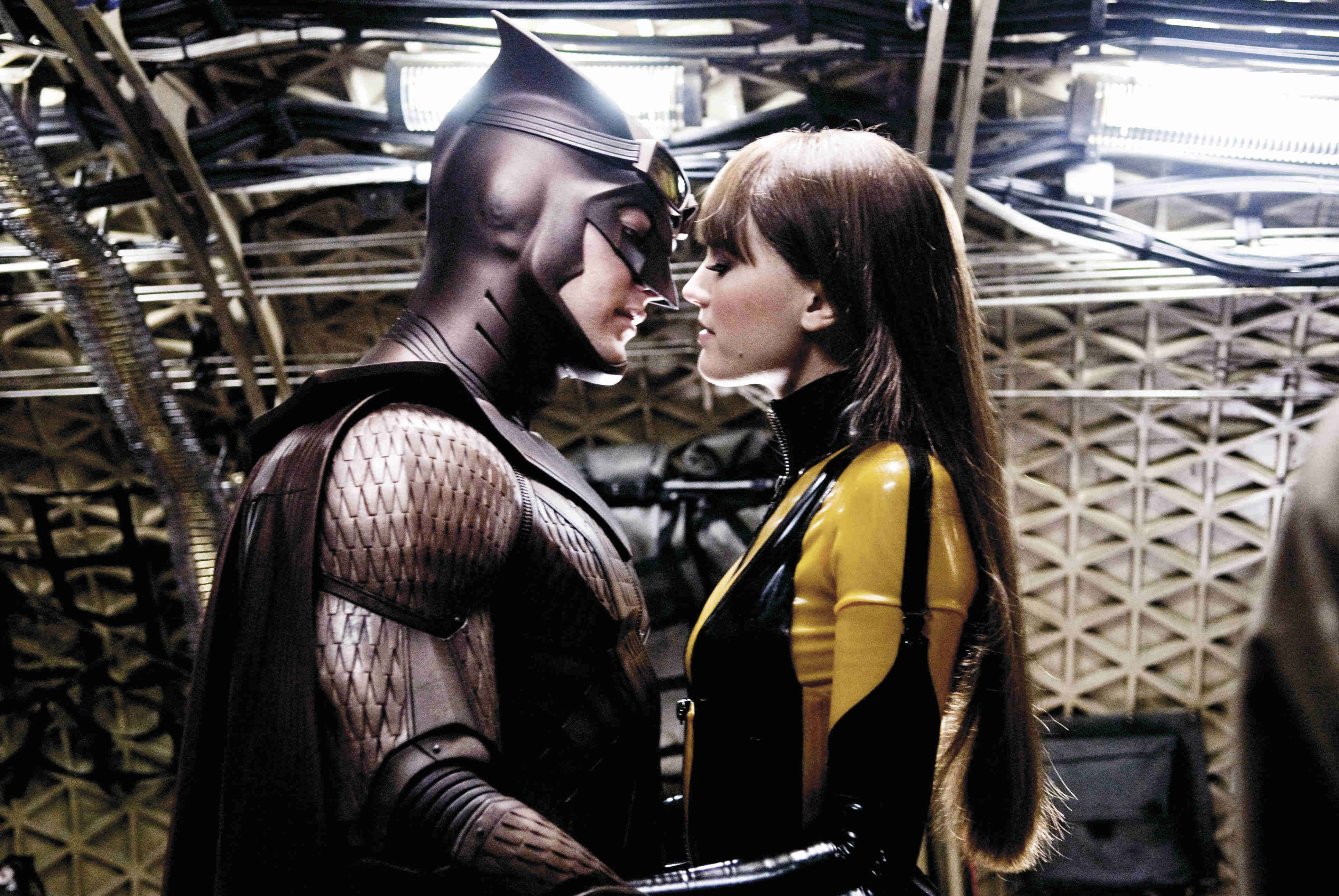
Dan Dreiberg and Laurie Jupiter represent the more relatable, human side of the story. They struggle with their identities outside of their costumes. Their journey is one of rediscovering their agency and humanity in a world that is moving toward an apocalypse they feel powerless to stop.
The Grand Conspiracy Explained
As the investigation progresses, it is revealed that there is no "mask killer." Instead, Adrian Veidt is the architect of the entire plot. Veidt realized that the U.S. and the Soviet Union were locked in a "Doomsday Clock" scenario that would inevitably end in nuclear winter. To prevent this, he concluded that the world needed a common enemy to unite against.
To achieve this, Veidt:
- Orchestrated the exile of Dr. Manhattan: By giving Manhattan’s former associates cancer, Veidt manipulated the public and Manhattan himself into believing he was a danger to humanity, causing the god-man to leave Earth for Mars.
- Eliminated The Comedian: Edward Blake had accidentally discovered Veidt's plan while on a government mission. Veidt killed him to maintain secrecy.
- Framed Rorschach: He ensured Rorschach was arrested to keep the most persistent investigator out of the way.
The Ending: How the Movie Differs from the Novel
The climax of the film takes place at Veidt’s Antarctic retreat, Karnak. Rorschach and Nite Owl arrive to stop him, only to realize they are too late. Veidt has already triggered his plan.
In the original graphic novel, Veidt teleports a giant, genetically engineered "alien" squid into the heart of New York City. The psychic blast from the creature’s death kills millions, and the world unites against a perceived extraterrestrial threat.
In the 2009 movie, Zack Snyder changed this to make the plan more streamlined for a cinematic audience. Veidt uses Dr. Manhattan’s energy signature to trigger massive explosions in major cities across the globe (New York, London, Moscow, etc.). Because the energy matches Manhattan's, the world believes that the U.S.'s own "super-weapon" has turned against humanity. This forces the U.S. and the USSR to stop fighting each other and unite to face the threat of a "vengeful god."
The Sacrifice of Rorschach
When Dr. Manhattan returns and realizes what Veidt has done, he agrees with Veidt’s logic. The "peace" is built on a lie, but it is a functioning peace. Exposing the lie would return the world to the brink of nuclear war.
Dan and Laurie also agree to keep the secret. However, Rorschach refuses. He cannot compromise his "Never abandon the truth" stance. He walks out into the snow, intending to return to civilization and tell the world. Dr. Manhattan intercepts him. Knowing that he cannot let Rorschach destroy the hard-won peace, Manhattan kills him, vaporizing him instantly.
| Character | Final Stance | Motivation |
|---|---|---|
| Adrian Veidt | Successful Architect | Saved humanity through mass murder; feels justified by the result. |
| Dr. Manhattan | The Enforcer | Leaves Earth permanently; chooses the "greater good" over individual life. |
| Rorschach | The Martyr | Refuses to compromise; dies to protect his absolute moral code. |
| Nite Owl II | The Survivor | Accepts the lie to find a quiet life with Laurie; disillusioned by the cost. |
| Silk Spectre II | The Survivor | Reconciles with her past and moves on, accepting the peace. |
The Meaning of the Final Scene
The movie ends with a sense of "unstable peace." Dr. Manhattan leaves our galaxy for one "less complicated." Dan and Laurie start a new life under assumed names. However, the final shot shows the offices of the New Frontiersman, a right-wing tabloid that Rorschach favored.
Before heading to Antarctica, Rorschach mailed his detailed journal—containing his findings on Veidt and the conspiracy—to the magazine. A young assistant reaches for the journal as the film ends. This suggests that the "truth" is still out there, and Veidt's utopia might be destroyed by the very man he thought he had silenced. The cycle of human conflict is likely to begin again, questioning whether the sacrifice was ever truly worth it.
Philosophical Implications: Who Watches the Watchmen?
The title and the central theme, Quis custodiet ipsos custodes?, refers to the lack of accountability for those in power.
- Veidt acts as a self-appointed judge, jury, and executioner for the entire planet.
- Dr. Manhattan has the power of a god but lacks the human empathy to use it predictably.
- The Government uses heroes as political tools until they are no longer convenient.
The film argues that when individuals take it upon themselves to "save the world," they inevitably lose their humanity in the process. The "heroes" of Watchmen are often more dangerous than the villains of traditional stories because their power is unchecked by any law or common morality.
Frequently Asked Questions
Why did the movie change the ending from the comic?
Director Zack Snyder argued that introducing a giant alien squid in the final ten minutes of the film would be too jarring for audiences who hadn't read the book. By using Dr. Manhattan as the "threat," the movie ties the ending more closely to the established plot point of Manhattan being a source of global tension. It also makes Manhattan’s departure from Earth more meaningful.
Is Dr. Manhattan a villain or a hero?
Manhattan is neither. He is amoral. He operates on a level of physics and causality where human concepts of "good" and "evil" don't apply. While he allows Veidt's plan to succeed, he does so because he sees it as the only path that results in human survival, not out of a desire to be heroic.
Did Rorschach's journal actually get published?
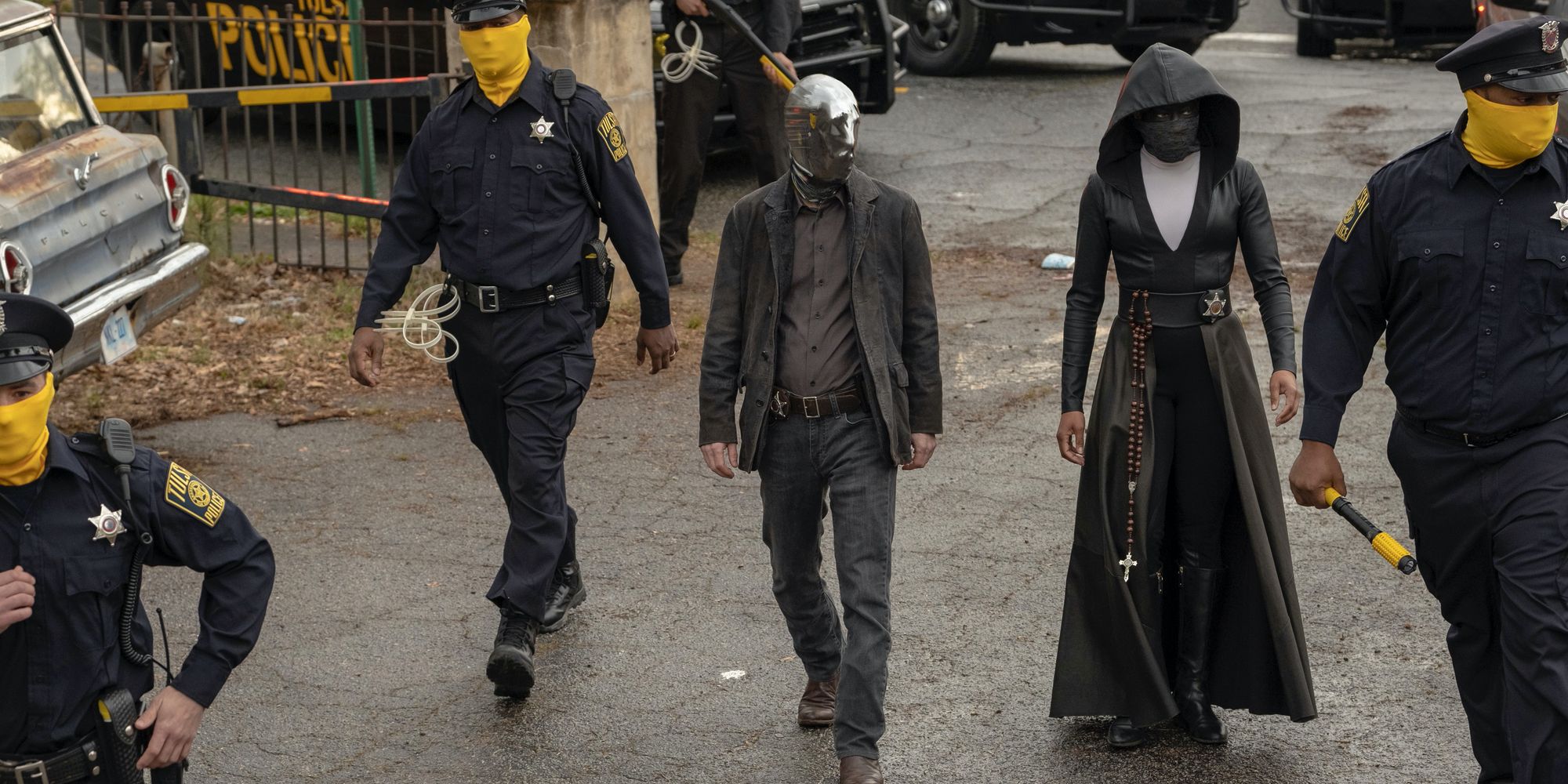
The movie leaves this open-ended, but in the context of the story's cynical tone, it is implied that the truth will eventually come out. Whether the public believes a fringe tabloid like the New Frontiersman is another question entirely. The 2019 HBO sequel series (which follows the comic timeline) confirms that the journal was eventually published but largely dismissed as a conspiracy theory for years.
Why did Veidt kill the Comedian if they were on the same side?
They weren't truly on the same side. The Comedian worked for the government, while Veidt worked for himself. When the Comedian stumbled upon Veidt's secret island and his plan for the energy weapon, he was horrified—not because he was a "moral" man, but because even he found Veidt's cold, calculated genocide more monstrous than his own nihilistic violence.
Is there a "Director's Cut" that explains more?
Yes. The Ultimate Cut of the movie is 215 minutes long and includes the animated "Tales of the Black Freighter" sequences. These sequences serve as a meta-narrative, paralleling Adrian Veidt's descent into monstrous acts for the sake of a "noble" goal. It provides much deeper context for the characters' psychological states.
Conclusion and Recommendations
To fully appreciate the depth of the Watchmen movie, viewers should consider watching the Director's Cut or the Ultimate Cut. These versions restore vital character beats that explain why these individuals became so broken.
If you are looking for more context on the world after the movie:
- Read the original 12-issue graphic novel by Alan Moore and Dave Gibbons to see the nuances of the "Squid" ending.
- Watch the 2019 HBO Limited Series, which serves as a thematic sequel and explores the long-term consequences of Ozymandias' lie.
- Examine the Before Watchmen comic prequels for deeper backstories on characters like The Comedian and Rorschach.
The film is not a celebratory superhero story; it is a warning about the dangers of absolute power and the ethical cost of peace. In 2026, its themes of political polarization and the fear of global collapse remain as relevant as they were in 1985 and 2009.
Image Gallery