Dr. Nassir Oncology: Comprehensive Guide to Specialized Cancer Care and Hematology
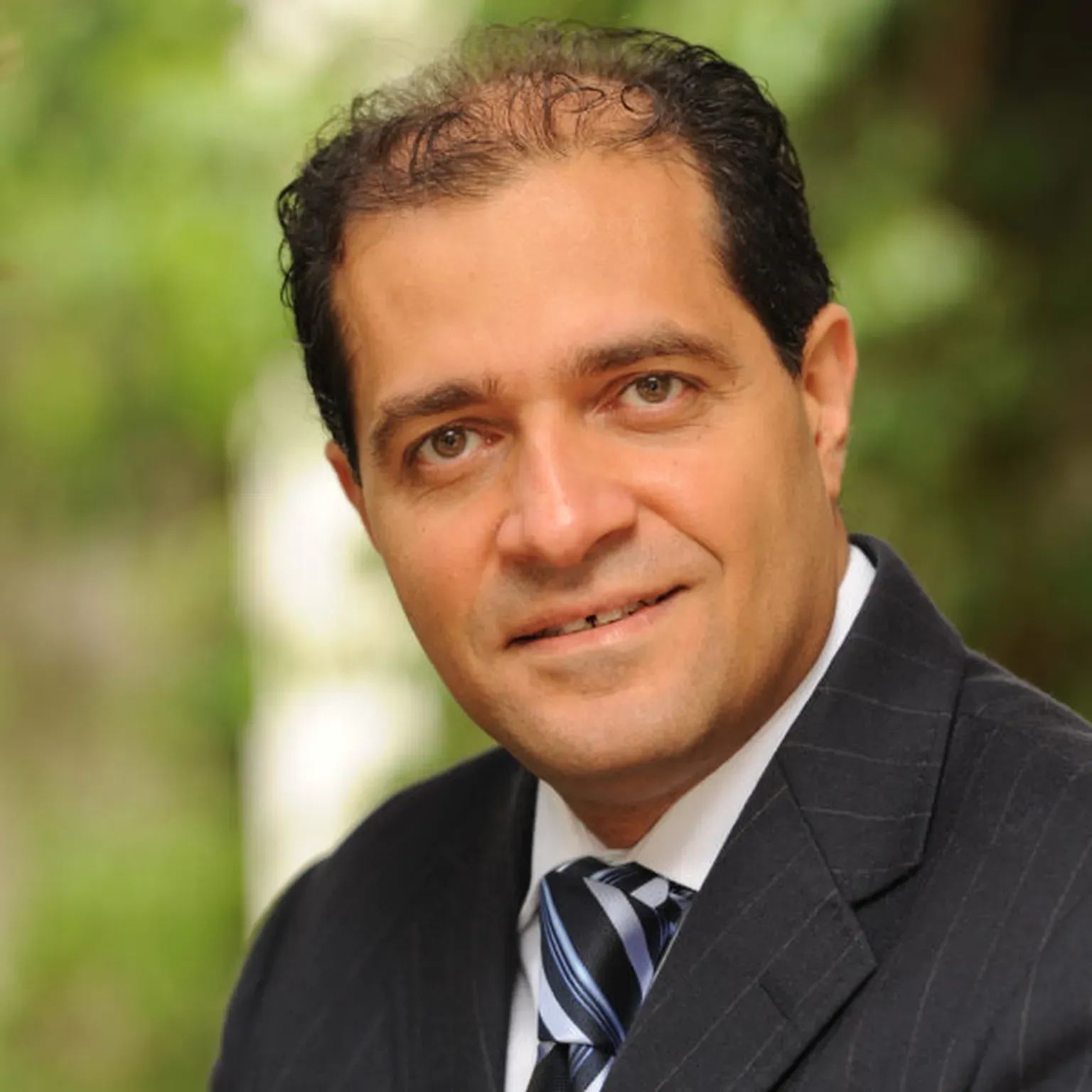
Dr. Yousef Nassir is a prominent medical oncologist and hematologist based in Southern California, recognized for his leadership at the Cancer Care Institute. As of 2026, he remains a central figure for patients seeking personalized tr...
Dr. Yousef Nassir is a prominent medical oncologist and hematologist based in Southern California, recognized for his leadership at the Cancer Care Institute. As of 2026, he remains a central figure for patients seeking personalized treatment plans for complex malignancies and blood disorders through a combination of traditional chemotherapy, cutting-edge immunotherapy, and targeted molecular therapies.
Contents
Choosing an oncologist is one of the most critical decisions a patient or family member can make following a cancer diagnosis. Dr. Nassir’s practice is built on a multidisciplinary approach that bridges the gap between high-level clinical research and compassionate, community-based care. This guide provides a detailed examination of his clinical background, the specific services offered at his facilities, and what patients can expect when navigating the oncology landscape under his supervision.
The Clinical Profile of Dr. Yousef Nassir
Dr. Yousef Nassir, M.D., is a board-certified physician specializing in the fields of internal medicine, medical oncology, and hematology. His career has been defined by a commitment to the Southern California medical community, where he has established multiple practice locations to increase accessibility for diverse patient populations.
Educational Background and Training
The foundation of Dr. Nassir’s expertise lies in a rigorous academic and clinical training path. He completed his medical education and subsequent residency and fellowship training at prestigious institutions, often cited as the University of California, Irvine (UCI) and affiliated medical centers. This training provided a dual focus:
- Hematology: The study and treatment of blood-related conditions, ranging from benign anemias to malignant disorders like leukemia and lymphoma.
- Medical Oncology: The systemic treatment of solid tumors using pharmacological agents.
Board Certifications and Professional Standing
In 2026, board certification remains the gold standard for verifying a physician’s expertise. Dr. Nassir holds certifications from the American Board of Internal Medicine (ABIM) in both Medical Oncology and Hematology. These credentials signify that he has met the national standards for knowledge and clinical skill in these highly specialized areas. For a patient, this means the physician is current with the latest protocols for staging, diagnosing, and treating various forms of cancer.
Specialized Oncology Services and Treatment Modalities
The field of oncology has shifted significantly toward "precision medicine." Dr. Nassir’s practice at the Cancer Care Institute reflects this shift, moving away from a one-size-fits-all model toward treatments tailored to the genetic profile of the tumor and the specific health needs of the patient.
Systemic Chemotherapy
While newer therapies have emerged, chemotherapy remains a cornerstone of cancer treatment. Dr. Nassir utilizes systemic chemotherapy to eliminate rapidly dividing cancer cells. In 2026, the focus is on "dose-dense" or "metronomic" scheduling where appropriate to maximize efficacy while managing the toxicity that leads to side effects like fatigue, nausea, and immunosuppression.
Immunotherapy and Biologics
One of the most significant advancements in Dr. Nassir’s repertoire is the use of immunotherapy. These treatments do not attack the cancer directly but rather "unmask" the cancer cells so the patient’s own immune system can identify and destroy them. This is particularly effective in treating advanced melanoma, non-small cell lung cancer, and certain types of renal cell carcinoma.
Targeted Molecular Therapy
For patients with specific genetic mutations (such as EGFR in lung cancer or HER2 in breast cancer), Dr. Nassir employs targeted therapies. These drugs interfere with the specific molecules involved in the growth, progression, and spread of cancer. Because these drugs are targeted, they often cause less damage to normal cells than traditional chemotherapy.
Hematologic Care
Beyond solid tumors, Dr. Nassir manages a wide array of blood disorders. This includes:
- Coagulation Disorders: Managing patients with high risks of blood clots (thrombosis) or bleeding disorders (hemophilia).
- Malignant Hematology: Treating cancers of the blood and bone marrow, including Multiple Myeloma and various types of Leukemia.
- Anemia Management: Identifying the root cause of chronic fatigue and low red blood cell counts, often a side effect of other chronic illnesses.
Navigating the Cancer Care Institute
Dr. Nassir is the founder and medical director of the Cancer Care Institute, an organization designed to provide a "one-stop" environment for oncology patients. As of 2026, the institute focuses on reducing the administrative burden on patients so they can focus entirely on recovery.
Location and Accessibility
The practice maintains a strong presence in the Los Angeles metropolitan area, with primary offices in Huntington Park and Los Angeles. These locations are strategically placed to serve urban populations that may otherwise face barriers to high-end oncological care. The offices are equipped with infusion centers, allowing patients to receive their treatments in a familiar, outpatient setting rather than a large, impersonal hospital environment.
The Multidisciplinary Team
Treatment under Dr. Nassir’s guidance involves more than just a physician. The Cancer Care Institute utilizes a team of professionals, including:
- Oncology Nurses: Specialized in administering chemotherapy and managing acute side effects.
- Patient Navigators: Professionals who help coordinate appointments between surgeons, radiation oncologists, and primary care doctors.
- Pharmacy Staff: Expertly trained in the handling and mixing of hazardous oncology medications (hazardous drugs/HDs).
Comparison of Common Treatment Approaches
Patients often find the variety of treatment options overwhelming. The following table compares the primary modalities offered by Dr. Nassir to help clarify their roles in a 2026 treatment plan.
| Treatment Type | Mechanism of Action | Common Applications | Primary Advantage |
|---|---|---|---|
| Chemotherapy | Kills rapidly dividing cells throughout the body. | Most solid tumors and blood cancers. | Effective for widespread or metastatic disease. |
| Immunotherapy | Stimulates the patient's immune system to attack cancer. | Melanoma, Lung, Kidney, and Bladder cancers. | Potential for long-term "durable" remission. |
| Targeted Therapy | Blocks specific proteins or genes that help cancer grow. | Breast, Colorectal, and specific Lung cancers. | Generally fewer systemic side effects than chemo. |
| Hematologic Support | Use of growth factors or transfusions to boost blood counts. | Anemia, Neutropenia, and Leukemia. | Improves quality of life and allows for continued treatment. |
What to Expect During the First Consultation
The initial visit with Dr. Nassir is a comprehensive evaluation that typically lasts significantly longer than a standard check-up. This process is essential for establishing an accurate diagnosis and a viable path forward.
Diagnostic Review
Dr. Nassir will review all previous imaging (CT scans, PET scans, MRIs) and pathology reports. If a biopsy has already been performed, he may request the "blocks and slides" for a second look by a specialized pathologist to ensure the molecular markers are correctly identified.
Genomic Testing
In the 2026 clinical environment, Dr. Nassir frequently orders genomic sequencing of the tumor. This "fingerprinting" helps determine if the patient is a candidate for any specific clinical trials or targeted drugs that are not part of the standard frontline therapy.
Performance Status Assessment
The "ECOG Performance Status" is a scale used by oncologists to assess how a patient's disease is affecting their daily living abilities. Dr. Nassir uses this to determine if a patient is healthy enough to tolerate aggressive treatments or if a more palliative, supportive approach is necessary to maintain quality of life.
The Role of Clinical Trials
As a specialist at the forefront of oncology, Dr. Nassir often facilitates access to clinical trials. These studies offer patients the opportunity to receive new drugs or combinations of therapies that are not yet widely available to the public. Participation in a trial is always voluntary and is usually considered when standard treatments have failed or when the trial drug shows significant promise in early phases.
Insurance, Costs, and Financial Counseling
Oncology care is notoriously expensive, involving high-cost biologic drugs and frequent imaging. Dr. Nassir’s practice works with a wide range of insurance providers, including PPOs, some HMOs, Medicare, and Medi-Cal.
The Cancer Care Institute typically provides financial counselors who assist with:
- Prior Authorizations: Ensuring the insurance company approves the treatment before it begins.
- Co-pay Assistance: Connecting patients with pharmaceutical company programs or non-profit foundations that help cover the out-of-pocket costs of expensive medications.
- Billing Transparency: Providing estimates for the cost of a full course of treatment.
Frequently Asked Questions
Does Dr. Nassir provide second opinions for cancer diagnoses?
Yes. Seeking a second opinion is a standard practice in oncology. Dr. Nassir frequently reviews cases from other facilities to confirm the staging and treatment plan. This can provide patients with peace of mind or offer alternative treatment paths such as immunotherapy that might not have been previously considered.
What hospitals is Dr. Nassir affiliated with?
Dr. Nassir maintains privileges at several major Southern California hospitals. These affiliations allow him to admit patients if they require inpatient surgery or if they experience complications from treatment that cannot be managed in an outpatient clinic. Common affiliations include community hospitals in the Huntington Park and Downtown Los Angeles areas.
How often will I need to see the doctor during chemotherapy?
The frequency of visits depends on the "cycle" of the treatment. Most patients see Dr. Nassir or his advanced practice providers (NPs/PAs) at least once every 2 to 3 weeks. These visits include blood work to check "counts" (white blood cells, red blood cells, and platelets) to ensure the body is recovering sufficiently between doses.
Does the practice offer support for the side effects of cancer treatment?
Comprehensive cancer care involves managing the "whole person." Dr. Nassir’s team addresses common side effects such as neuropathy (numbness in hands/feet), "chemo brain" (cognitive fog), and nutritional deficiencies. They may also refer patients to specialized oncology dietitians or support groups.
Can I receive treatment if I do not have insurance?
The Cancer Care Institute reviews cases on an individual basis. While they primarily work with insured patients, their financial counseling department can often assist in finding state-funded programs or charity care options for those who qualify, particularly given the community-focused mission of the Huntington Park and Los Angeles clinics.
Next Steps for New Patients
If you or a loved one has received a diagnosis of cancer or a complex blood disorder, the first step is to gather all relevant medical records, including pathology reports and recent imaging on a disc or digital portal. Contact Dr. Nassir’s office at the Cancer Care Institute to schedule an initial consultation. It is highly recommended to bring a list of all current medications and a trusted family member to take notes, as the volume of information shared during the first oncology visit can be substantial.
Medical Disclaimer: This article is for informational purposes only and does not constitute medical advice, diagnosis, or treatment. Always seek the advice of a physician or other qualified health provider with any questions regarding a medical condition.
Image Gallery