The Best Face Mask for Men to Try Today: Top Choices for Every Skin Type
Finding the best face mask for men depends on your specific skin type and main dermatological goal, whether that is absorbing excessive oil, clearing clogged pores, or restoring hydration after shaving. The best overall option for oily...
Finding the best face mask for men depends on your specific skin type and main dermatological goal, whether that is absorbing excessive oil, clearing clogged pores, or restoring hydration after shaving. The best overall option for oily or combination skin is a deep-cleansing kaolin or bentonite clay mask, while dry or sensitive skin benefits most from a hydrating sheet mask or cream mask packed with hyaluronic acid and niacinamide.
Contents
Why Men’s Skin Needs Specialized Mask Formulations
Men’s facial skin possesses distinct biological traits compared to women’s skin. Driven primarily by higher levels of testosterone, male skin is approximately 20% thicker, contains a higher collagen density, and produces more sebum (natural oil) due to larger, more active sebaceous glands. These physiological factors make male skin more prone to enlarged pores, blackheads, folliculitis, and persistent shine, especially across the forehead, nose, and chin (the T-zone).
Furthermore, regular facial shaving creates unique localized stressors. Shaving acts as a mechanical exfoliant, but it also repeatedly removes the lipid barrier on the lower face, causing micro-abrasions, razor burn, and ingrown hairs. Incorporating a targeted face mask into a weekly grooming routine helps balance oil production, deeply purify hair follicles, and replenish lost moisture without clogging pores.
Understanding your primary skin condition allows you to select a mask that addresses specific physiological challenges without disrupting your skin's delicate natural moisture barrier.
Key Ingredients to Look For in a Men's Face Mask
When evaluating skincare products, the ingredient list provides the clearest indication of how a product will perform. High-performing masks utilize active compounds formulated to target oiliness, congestion, dullness, or inflammation.
Active Ingredients for Purifying and Mattifying
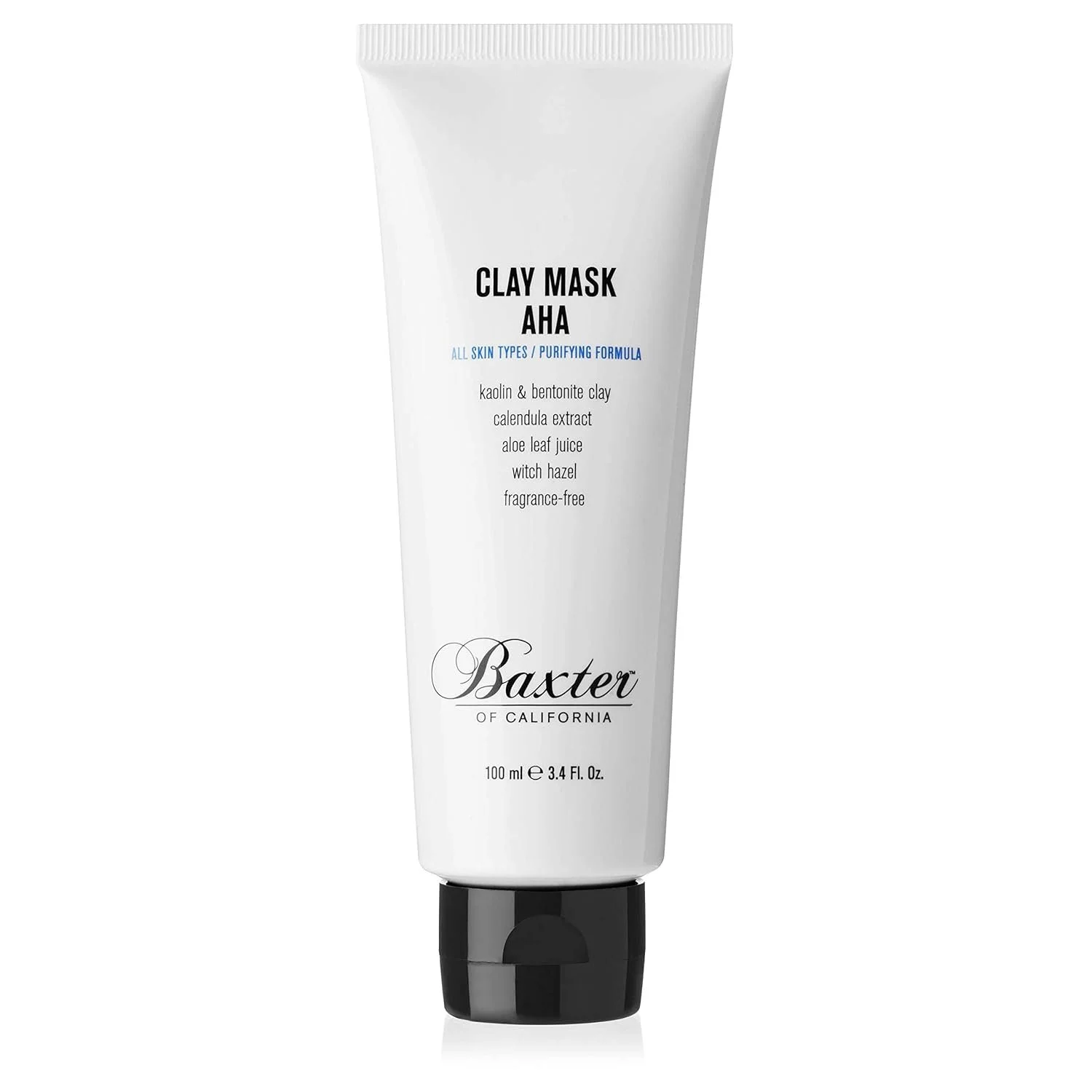
- Bentonite and Kaolin Clay: Natural mineral clays that act like sponges to extract excess surface oils, dirt, and microscopic pollutants from within pores. Bentonite provides intense oil absorption suitable for very oily skin, whereas kaolin offers a milder detoxifying effect suitable for sensitive or normal skin.
- Activated Charcoal: Known for its high porosity, activated charcoal binds to impactions, impurities, and environmental grime, helping to minimize the visual appearance of enlarged pores.
- Salicylic Acid (BHA): A lipid-soluble beta-hydroxy acid that penetrates deep into sebum-filled pores to dissolve dead skin cells and prevent acne breakouts and ingrown beard hairs.
Active Ingredients for Hydration and Barrier Repair
- Hyaluronic Acid: A potent humectant capable of holding up to 1,000 times its weight in water. It pulls water into the epidermis, immediately plumping dehydrated skin and smoothing micro-lines caused by dryness.
- Niacinamide (Vitamin B3): A versatile active that strengthens the skin's protective lipid barrier, reduces redness and blotchiness after shaving, and regulates sebum synthesis.
- Squalane: A lightweight, non-comedogenic lipid that mimics natural skin oils, restoring elasticity and sealing in hydration without leaving a greasy residue.
The Top Face Mask Categories for Men
Different mask formats serve distinct functions. Choosing the correct mask type ensures high active-ingredient delivery with minimal irritation.
- Choosing a Mask Type
- Clay & Mud Masks: Deep Cleaning / Oil Control
- Sheet Masks: Fast Hydration / Post-Shave Soothing
- Exfoliating/AHAs: Texture / Ingrown Hair Prevention
- Cream Masks: Barrier Repair / Intense Moisture
1. Clay and Mud Masks: Ideal for Oily, Acne-Prone Skin
Clay and mineral mud masks are the most popular choices for men dealing with excessive shine, blackheads, and congested pores. They work through capillary action, pulling fluid and lipids out of the upper epidermal layers as the mask dries.
- Primary Benefit: Draws out oil, cleanses hair follicles, and leaves a matte finish.
- Key Ingredients: Kaolin, bentonite, sulfur, activated charcoal, tea tree oil.
- Best Used: 1 to 2 times per week. Do not allow clay masks to dry to the point of cracking, as this strips essential moisture and triggers compensatory oil production.
2. Hydrating Sheet Masks: Best for Dryness and Post-Shave Calming
Sheet masks are fabric or hydrogel sheets saturated with a concentrated serum. They create an occlusive seal over the face, preventing evaporation and forcing hydration and soothing ingredients into the skin.
- Primary Benefit: Rapidly cools irritated skin, restores hydration after shaving or outdoor exposure, and brightens dull complexions.
- Key Ingredients: Hyaluronic acid, aloe vera, centella asiatica, cucumber extract, panthenol (Pro-Vitamin B5).
- Best Used: 2 to 3 times per week, or as a recovery treatment after flying, sunburn, or clean shaving.
3. Exfoliating Chemical Masks: Best for Rough Texture and Ingrown Hairs
Chemical exfoliation masks utilize mild acids rather than abrasive physical scrubs (like crushed walnut shells) to dissolve the cellular glue holding dead skin cells together. This process smooths rough texture and frees trapped hair follicles that lead to painful razor bumps.
- Primary Benefit: Clears dead skin cells, prevents ingrown beard hairs, and evens out rough skin texture.
- Key Ingredients: Salicylic acid (BHA), glycolic acid (AHA), lactic acid, fruit enzymes (papain, bromelain).
- Best Used: 1 time per week, ideally in the evening to prevent sun sensitivity.
4. Nourishing Cream Masks: Best for Sensitive, Aging, or Winter-Dry Skin
Cream masks feature richer formulations designed to remain soft on the skin during application. They supply vital fatty acids, antioxidants, and humectants directly to damaged skin barriers.
- Primary Benefit: Repairs the skin barrier, reduces flaking, and improves skin elasticity.
- Key Ingredients: Ceramides, shea butter, squalane, vitamin E, colloidal oatmeal.
- Best Used: 1 to 2 times per week, or overnight as a deep-recovery treatment during colder weather.
Comparison of Face Mask Types for Men
The table below outlines how different mask styles perform across key skin parameters to help you select the precise formulation for your routine.
| Mask Category | Primary Skin Concern | Active Ingredients | Recommended Skin Type | Typical Usage Frequency |
|---|---|---|---|---|
| Purifying Clay | Excess oil, blackheads, visible pores | Kaolin clay, bentonite, charcoal, tea tree oil | Oily, combination, acne-prone | 1–2 times per week |
| Hydrating Sheet | Dehydration, razor burn, tight skin | Hyaluronic acid, aloe vera, niacinamide | All skin types, dry, sensitive | 2–3 times per week |
| Chemical Exfoliant | Ingrown hairs, dullness, rough texture | Salicylic acid, glycolic acid, fruit enzymes | Rough, textured, beard-prone | 1 time per week |
| Restorative Cream | Barrier damage, flaking, fine lines | Ceramides, squalane, colloidal oatmeal, lipids | Dry, mature, stressed skin | 1–2 times per week |
| Overnight Gel | Stressed skin, lack of sleep, loss of elasticity | Peptides, adenosine, panthenol, green tea | Normal, combination, tired skin | 2 times per week |
How to Apply a Face Mask Correctly: Step-by-Step
Maximizing the performance of your face mask requires proper preparation and application techniques. Skipping basic setup steps can render expensive active ingredients ineffective.
- Cleanse Face: Warm water to open pores
- Apply Mask: Even layer, avoid eye area
- Set & Wait: 10-15 mins max; don't over-dry
- Rinse & Dry: Luke-warm water, pat dry clean
- Lock It In: Apply moisturizer & beard oil
Step 1: Cleanse Your Skin Thoroughly
Wash your face with a gentle, sulfate-free facial cleanser and warm water. Removing surface dirt, sweat, and existing oil ensures active ingredients can directly contact your pores. Never apply a mask over unwashed skin or sunscreen.
Step 2: Open Pores with Warm Steam (Optional)
For clay or deep-cleansing masks, apply a warm, damp towel to your face for 30 seconds before mask application. The mild heat softens sebum plugs in the pores, allowing the clay or charcoal to absorb deeper impurities.
Step 3: Apply an Even Layer
Apply a thin, uniform layer of mask across your face using clean fingertips or a mask brush. Avoid the immediate eye contour, nostrils, and lips, where the skin is significantly thinner and prone to stinging. If you have a full beard, focus application on the upper cheeks, nose, forehead, and exposed neck areas.
Step 4: Respect the Recommended Timing
Follow the product packaging timing strictly—typically 10 to 15 minutes.
- For clay masks: Rinse off when the mask feels firm but still slightly tacky to the touch. Allowing a clay mask to turn chalky white and crack draws moisture directly out of your living skin cells.
- For sheet masks: Remove while the sheet is still damp. Leaving a dry sheet mask on your face causes the dried fabric to reabsorb moisture from your skin.
Step 5: Rinse and Lock in Hydration
Rinse thoroughly using lukewarm water, gently massaging in circular motions. Pat your skin dry with a clean towel. Immediately follow up with a light facial moisturizer or facial oil to lock in hydrating elements and rebuild the lipid barrier.
Common Mistakes to Avoid
Even high-quality skin products fail to deliver results when applied incorrectly. Avoid these common mistakes:
- Using Body Soap Prior to Masking: Harsh bar soaps strip natural oils completely, elevating your skin’s pH balance and causing micro-irritation. Masks applied over disrupted skin can cause burning or severe redness.
- Over-Exfoliating: Combining physical face scrubs, chemical exfoliating masks, and alcohol-based aftershaves in the same 24-hour period destroys the skin barrier, leading to excessive inflammation and severe breakouts.
- Ignoring the Neck and Jawline: The skin beneath your beard line and along your upper neck suffers high friction from collars and razors. Sheet masks or calming gels applied to these areas reduce irritation and smooth ingrown hairs.
- Expecting Overnight Transformation: Face masks support a comprehensive skincare routine; they are not instant cures. Consistent usage over 4 to 6 weeks is necessary to see long-term changes in pore size, texture, and oil balance.
Frequently Asked Questions
Can I use a face mask if I have a beard?
Yes. If you have short stubble, cream and clay masks can be applied directly over the hair, provided you rinse thoroughly. For medium to thick beards, focus clay or exfoliating masks on the upper cheeks, nose, and forehead. Alternatively, use a liquid serum sheet mask directly over your beard, as the fluid easily penetrates facial hair to hydrate the skin underneath.
Should I apply a face mask before or after shaving?
It depends on the mask type. Soothing, hydrating sheet masks or gel masks should be used after shaving to calm skin and restore moisture. Conversely, deep-cleansing clay or exfoliating acid masks should be used before shaving or on non-shaving days, as applying active acids or drying clays to freshly shaved, abraded skin causes intense stinging and irritation.
How often should men use a face mask?
Most men benefit from masking 1 to 2 times per week. Purifying clay masks and chemical exfoliants should strictly be capped at 1 to 2 weekly applications to avoid over-drying. Neutral hydrating sheet masks can be used more frequently—up to 3 or 4 times a week during travel or dry winter months.
Are men's face masks different from women's face masks?
While marketed differently, the fundamental active ingredients (such as kaolin, hyaluronic acid, and niacinamide) function identically on all human skin. However, masks specifically formulated for men often feature lighter, non-greasy base liquids, matte finishes, higher concentrations of oil-absorbing clays, and scents tailored for men's grooming preference.
What should I do if a face mask causes burning or redness?
If you feel intense burning or painful stinging immediately after application, rinse the mask off right away with cool water. Mild tingling can occur with chemical exfoliants like salicylic acid, but severe discomfort indicates a contact allergy or a damaged skin barrier. Follow up with a simple, fragrance-free moisturizer containing ceramides or aloe vera, and discontinue using that product.
Practical Recommendation for Building Your Routine
To get started today without overcomplicating your grooming regimen, identify your baseline skin need:
- For Oily Skin & Blackheads: Pick up a kaolin or bentonite clay mask containing salicylic acid. Apply it once a week on Sunday evening after cleansing, leave on for 10 minutes, rinse, and apply a light gel moisturizer.
- For Dry, Irritated, or Post-Shave Skin: Grab a box of hyaluronic acid sheet masks. Keep them in your refrigerator and apply one for 15 minutes after a hot shower or shave twice a week to instantly calm redness and restore deep skin hydration.
Image Gallery