The Rise of Ethical Political Practices: Frameworks for Transparency and Integrity in 2026
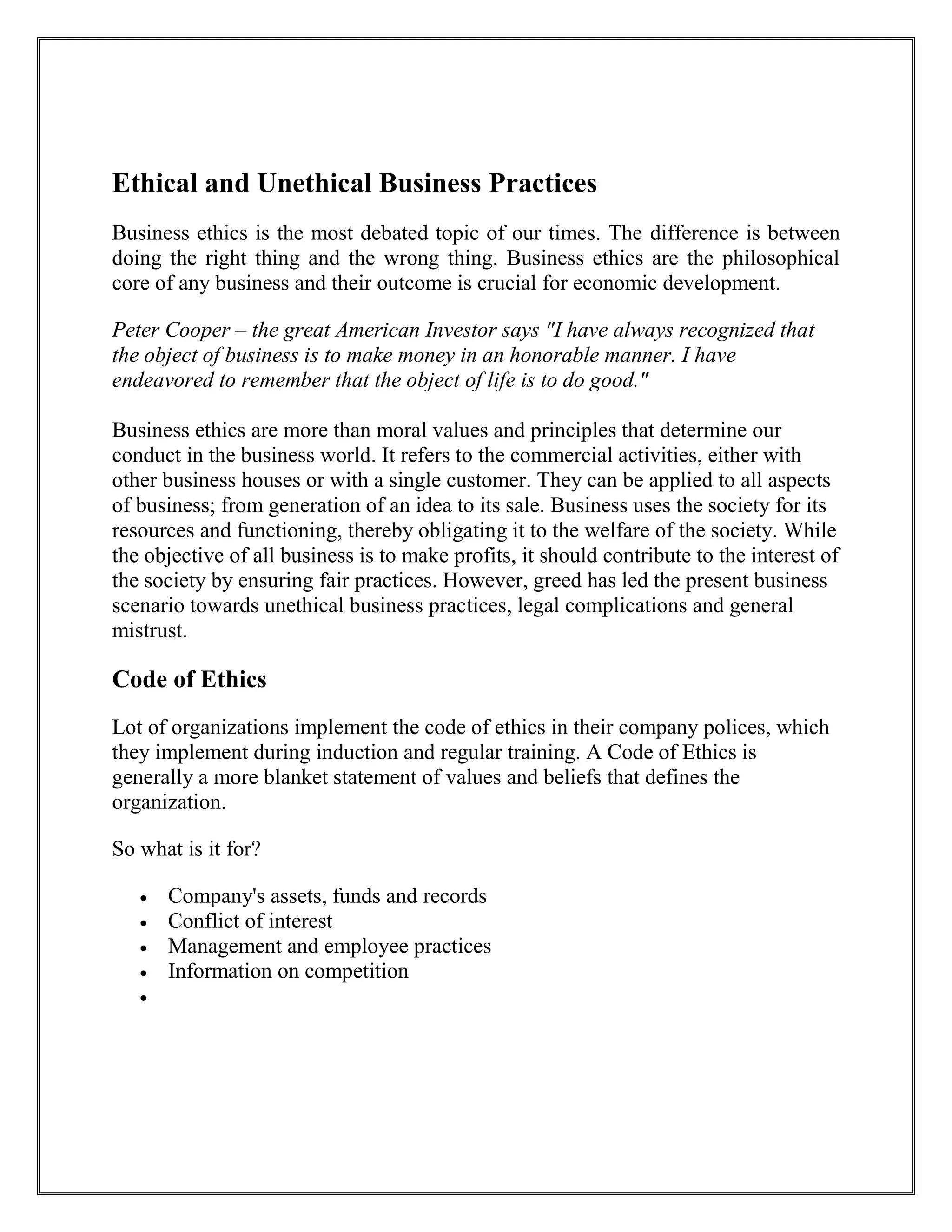
The rise of ethical political practices represents a systemic shift toward transparency, accountability, and institutional integrity in governance. Driven by technological advancements like blockchain and a global demand for trust rest...
The rise of ethical political practices represents a systemic shift toward transparency, accountability, and institutional integrity in governance. Driven by technological advancements like blockchain and a global demand for trust restoration, these practices replace opaque decision-making with verifiable data, rigorous campaign finance oversight, and independent ethical enforcement mechanisms.
Contents
The Catalysts for Ethical Reform in Modern Governance
The movement toward ethical political practices did not emerge in a vacuum. By 2026, the cumulative pressure of several decades of trust erosion reached a breaking point. High-profile corruption scandals in the early 2020s, combined with the increasing sophistication of misinformation, forced a rethink of how democratic and administrative systems function.
Public demand for "clean" politics has shifted from a fringe activist concern to a central electoral requirement. Voters are increasingly prioritizing candidates and parties that adhere to pre-defined ethical charters. This shift is characterized by a move away from "transactional politics"—where favors are traded for support—toward "principled governance," which focuses on long-term societal stability and adherence to the rule of law.
Key drivers include:
- The Trust Deficit: According to longitudinal studies by organizations like the OECD, public trust in national governments hit historic lows in the early part of this decade. Reclaiming this trust required more than rhetoric; it required structural changes in how power is exercised.
- Technological Visibility: The proliferation of open-data initiatives has made it significantly harder for officials to hide conflicts of interest. Real-time tracking of legislative votes and financial disclosures is now a standard expectation.
- Economic Stability: Global investors increasingly view political ethics as a marker of sovereign risk. Nations with robust anti-corruption frameworks generally enjoy lower borrowing costs and higher foreign direct investment.
Core Pillars of Ethical Political Practices
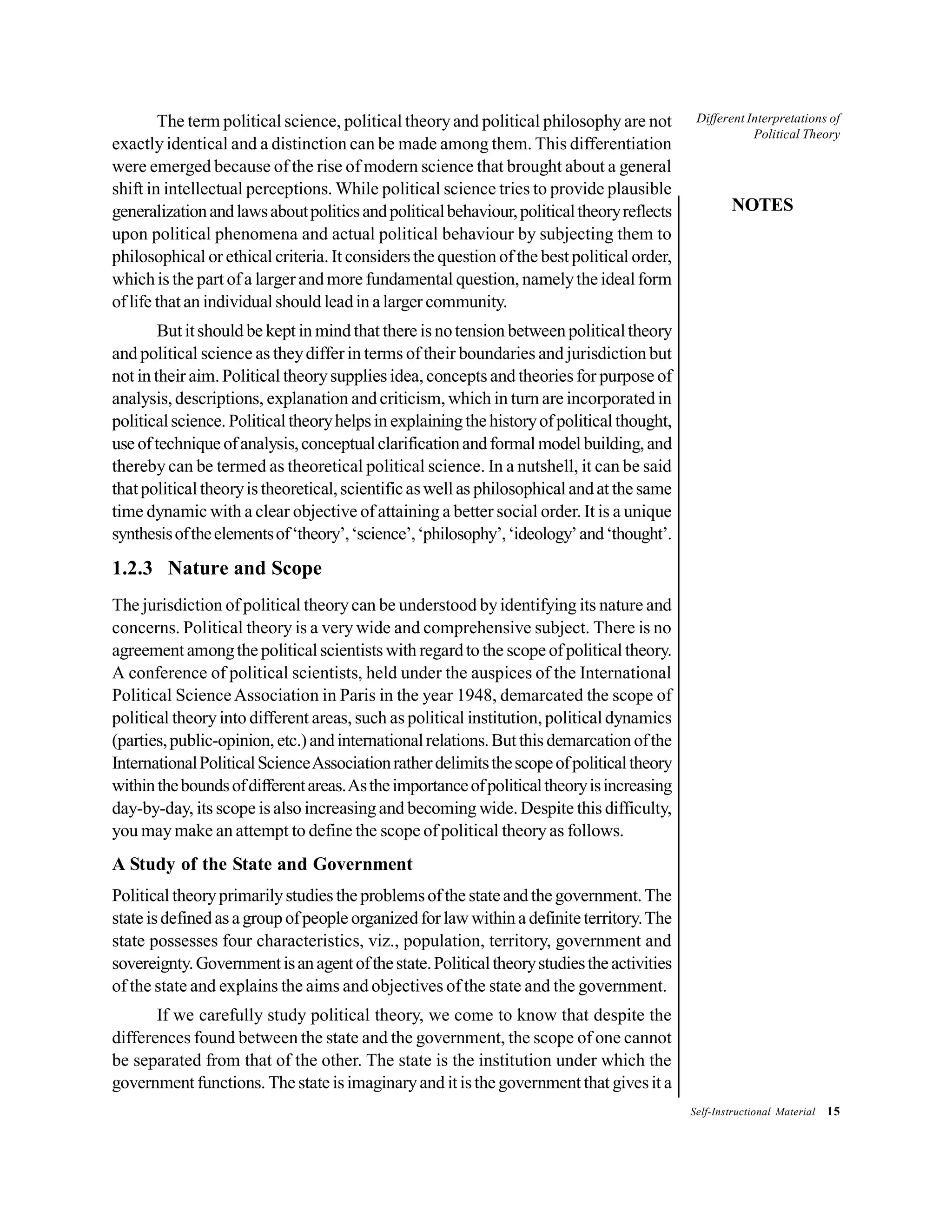
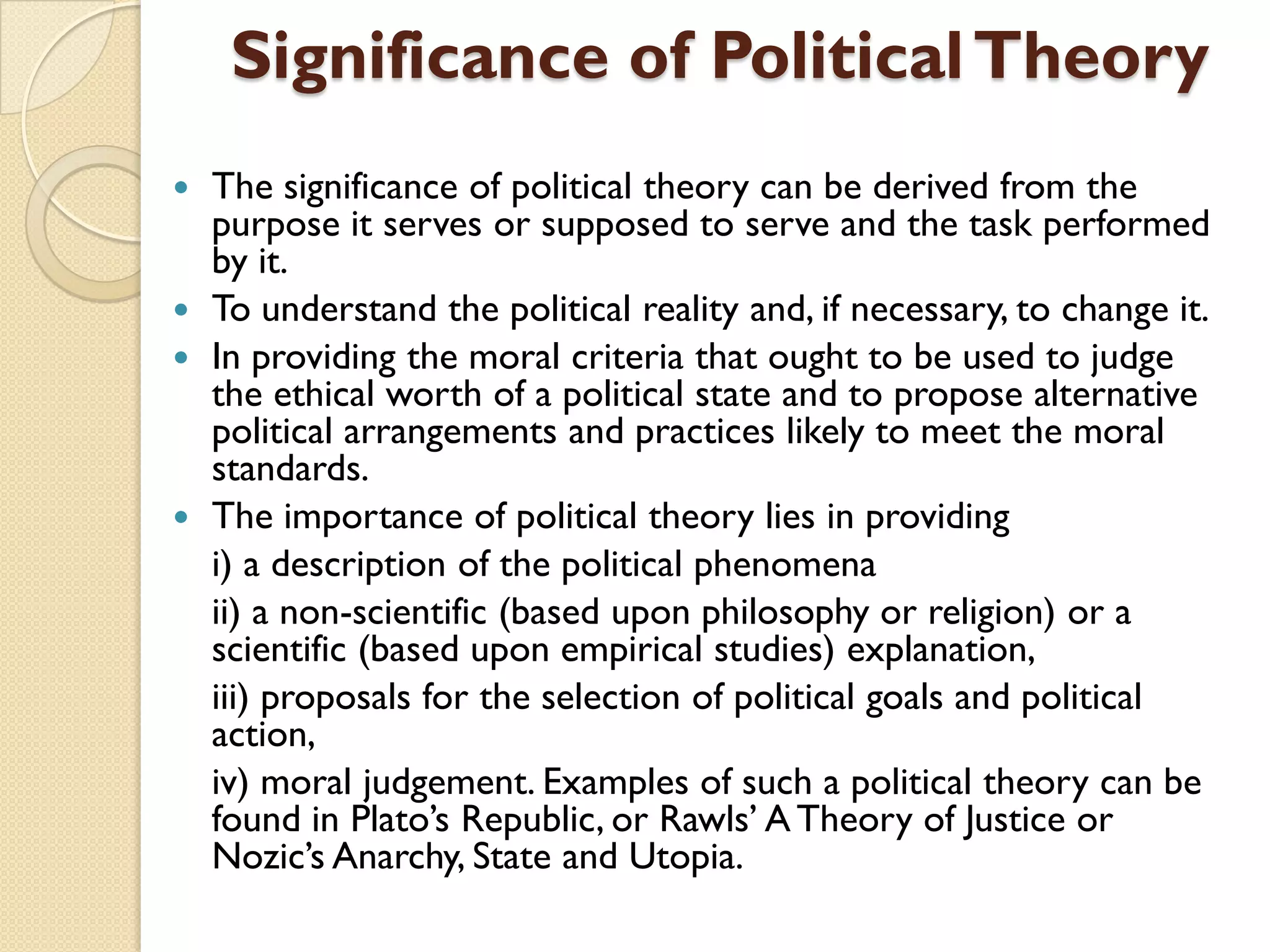
To understand the rise of these practices, one must examine the specific pillars that support an ethical political framework. These are not merely suggestions but are becoming codified into law and institutional policy.
1. Radical Financial Transparency
The most significant change in 2026 is the transition from periodic financial disclosure to real-time or near-real-time transparency. In many jurisdictions, campaign donations are now recorded on distributed ledgers (blockchain), ensuring that the source of every dollar is verifiable and immutable. This eliminates the "dark money" loopholes that previously allowed anonymous interests to influence policy.
2. Independent Oversight and Subpoena Power
Traditional ethics committees often failed because they were composed of the very politicians they were meant to regulate. Ethical politics now relies on independent commissions. These bodies are often led by non-partisan legal experts and have the statutory authority to issue subpoenas, freeze suspicious campaign accounts, and recommend criminal prosecution independently of the executive branch.
3. Algorithmic Accountability in Campaigning
As artificial intelligence became central to political micro-targeting, the ethical rise necessitated "algorithmic accountability." This means political parties must now disclose the parameters of the AI models they use to target voters. This prevents the use of "psychographic profiling" that exploits psychological vulnerabilities or spreads deepfake-driven misinformation.
Technological Enablers of Political Integrity
Technology, once seen primarily as a tool for manipulation, has been repurposed as a shield for political integrity. The rise of ethical practices is inextricably linked to the deployment of "Civic Tech" and "Public Interest Technology" (PIT).
Distributed Ledger Technology (DLT): Beyond campaign finance, DLT is being used to secure voting systems and track the allocation of government contracts. When a contract is awarded, the entire bidding process is logged in a tamper-proof digital record, allowing journalists and auditors to verify that the lowest qualified bidder won without undue influence.
AI-Driven Fraud Detection: In 2026, regulatory bodies are using machine learning to scan thousands of pages of financial disclosures and lobbying reports. These systems can identify patterns indicative of "revolving door" violations—where former officials move into lobbying roles without observing the mandatory cooling-off periods—far faster than human auditors could.
Open Data Portals: Governments are moving toward "default open" data policies. This allows citizens to see exactly how their tax dollars are spent, down to the municipal level. The Open Government Partnership has been instrumental in setting the standards for these portals, ensuring they are searchable and machine-readable.
Comparison of Political Operating Models
The following table contrasts traditional political behaviors with the emerging ethical standards observed in 2026.
| Feature | Traditional Political Practice | Ethical Political Practice (2026) |
|---|---|---|
| Campaign Finance | Opaque "dark money" and PACs | Real-time DLT-verified disclosures |
| Lobbying | Behind-closed-doors meetings | Publicly accessible digital calendars |
| Conflict of Interest | Self-disclosure (often delayed) | Proactive, independent audit of assets |
| Voter Engagement | Manipulative micro-targeting | Transparent, fact-checked communication |
| Policy Development | Lobbyist-driven drafting | Open-source, stakeholder-inclusive design |
| Accountability | Internal "ethics" committees | Independent commissions with legal teeth |
Legislative Frameworks and International Standards
The rise of ethical political practices is supported by a growing body of international and domestic law. For instance, the expansion of the UNCAC (United Nations Convention against Corruption) guidelines has pushed member states to adopt more stringent whistleblower protection laws.
Whistleblower Protection
Ethical politics cannot survive without the protection of those who expose wrongdoing. Modern ethical frameworks include robust legal shields for civil servants and private employees who report political corruption. These protections often include anonymous reporting channels and financial rewards derived from recovered illicit funds.
The "Cooling-Off" Period
A cornerstone of ethical reform is the extension of cooling-off periods. In many regions, former high-ranking officials are now barred from lobbying their former agencies for a minimum of five years. This reduces the incentive for "regulatory capture," where officials make decisions favorable to future employers.
Mandatory Ethics Training
Ethics is no longer treated as an innate trait but as a professional competency. Legislators and their staff in 2026 are frequently required to undergo annual ethics certification. These programs focus on recognizing "soft corruption"—such as the promise of future employment or the use of privileged information for personal gain.
Challenges and "Ethics Washing"
Despite the rise of these practices, the transition is not without resistance. A significant challenge in 2026 is "ethics washing," where political entities adopt the language of integrity without changing their underlying behavior.
- Superficial Compliance: Some organizations create elaborate ethics charters that lack enforcement mechanisms. They may appoint an "Ethics Officer" who has no actual power to stop unethical conduct.
- The Deepfake Arms Race: As ethical campaigns commit to using only verified media, rogue actors continue to use AI to generate "black propaganda." Ethical practices must therefore include aggressive debunking and digital forensic capabilities.
- Data Privacy vs. Transparency: There is an ongoing tension between the need for financial transparency and the right to donor privacy. Ethical frameworks must balance these by anonymizing small-dollar donors while maintaining full transparency for large-scale contributors.
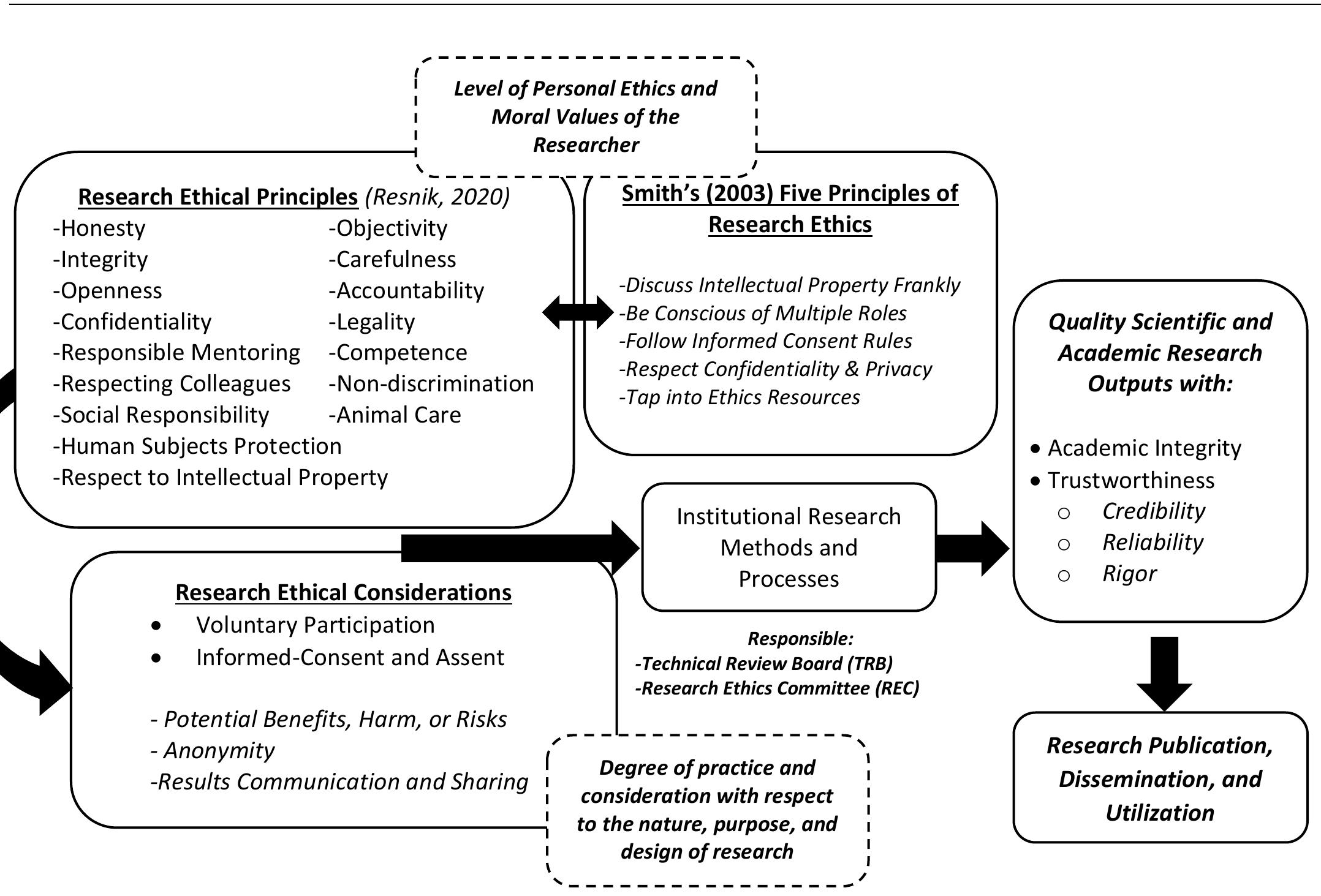
How to Verify Ethical Compliance in Political Entities
For citizens, organizations, and journalists, verifying whether a political entity actually follows ethical practices requires a structured approach.
- Check for Third-Party Certification: Look for endorsements from recognized transparency NGOs or adherence to international standards like the Open Contracting Partnership.
- Audit the Disclosure Frequency: Does the candidate or official disclose their finances annually, or do they provide monthly updates? Ethical leaders prioritize frequency and detail.
- Review Voting Records Against Donors: Use digital tools to cross-reference a representative’s voting history with their campaign contributors. Significant overlaps are red flags for transactional politics.
- Examine Staffing and Lobbying Ties: Investigate whether the official’s staff consists of former lobbyists or if their former staffers have immediately transitioned into lobbying roles.
FAQ
What are the main benefits of ethical political practices?
Ethical practices increase social cohesion by reducing the perception of unfairness. Economically, they lead to more efficient resource allocation, as government contracts are awarded based on merit rather than connections. Furthermore, they provide a stable environment for long-term policy planning, which is essential for tackling global issues like climate change.
How does technology prevent political corruption?
Technology prevents corruption by creating a "digital paper trail" that is difficult to alter. Tools like blockchain ensure that financial transactions are recorded permanently. AI can analyze vast amounts of data to find anomalies that suggest bribery or embezzlement, which would be impossible for human auditors to find manually.
Can ethical politics coexist with traditional party systems?
Yes, but it requires the party systems to evolve. Parties that adopt ethical frameworks often find they have a competitive advantage in attracting younger, more skeptical voters. This internal reform usually involves democratizing the candidate selection process and ensuring that party leadership is held to the same standards as elected officials.
Is there a global standard for political ethics?
While there is no single global law, the Transparency International Corruption Perceptions Index and the UN Convention Against Corruption provide the benchmarks. Many countries are also adopting "Open Government" standards that align with international best practices for transparency.
How do ethical practices impact campaign costs?
Initially, they may increase administrative costs due to the need for rigorous reporting and auditing. However, they often lead to a reduction in total campaign spending by limiting the influence of high-cost, high-impact "dark money" advertisements and focusing instead on grassroots engagement and verified digital communication.
Practical Recommendation for Moving Forward
To foster the rise of ethical political practices, citizens and stakeholders should support the establishment of independent ethics commissions with full investigative powers. Legislative reform is the most durable way to ensure these practices survive beyond a single election cycle. For individuals, the most effective action is to demand "transparency-first" platforms from candidates, where the candidate agrees to full financial disclosure and independent audits as a condition of their candidacy. By rewarding ethical behavior at the ballot box, the public creates a "market for integrity" that eventually makes unethical behavior politically and socially unsustainable.
Image Gallery