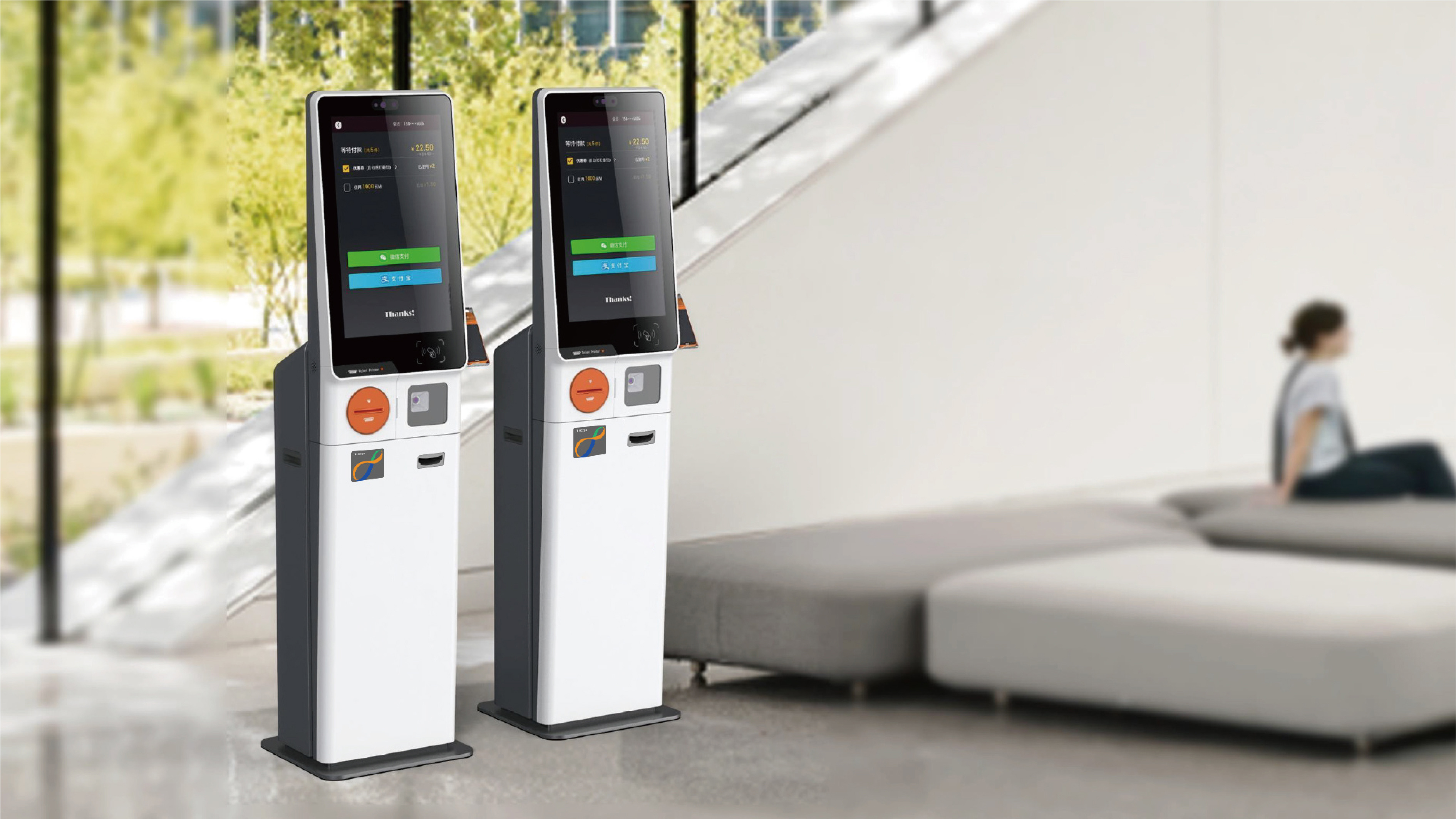
Maryland VEIP Self-Service Kiosks: Complete 2026 Testing Guide
Maryland Vehicle Emissions Inspection Program (VEIP) self-service kiosks allow drivers to complete mandatory On-Board Diagnostics (OBD) emissions tests 24 hours a day, seven days a week, without waiting for an attendant. Costing $10 pe...
Maryland Vehicle Emissions Inspection Program (VEIP) self-service kiosks allow drivers to complete mandatory On-Board Diagnostics (OBD) emissions tests 24 hours a day, seven days a week, without waiting for an attendant. Costing $10 per test—compared to $14 at full-service testing bays—these automated kiosks accept credit cards and test light-duty, gas-powered, and hybrid vehicles from model year 2005 or newer.
Contents
Crucial Eligibility Rule Self-service VEIP kiosks only test 2005 or newer light-duty passenger cars, light trucks, and SUVs. If your vehicle was manufactured before 2005, runs purely on diesel fuel, weighs over 8,500 pounds gross vehicle weight rating (GVWR), or currently has an active Check Engine Light illuminated on the dashboard, you cannot use an automated kiosk.
What Is the Maryland VEIP Self-Service Kiosk?
Administered jointly by the Maryland Department of Transportation Motor Vehicle Administration (MDOT MVA) and the Maryland Department of the Environment (MDE), the Vehicle Emissions Inspection Program is designed to reduce ground-level ozone and volatile organic compounds across designated Maryland counties.
In traditional VEIP lanes, motorists wait in line during standard business hours for a certified technician to inspect gas caps, run tailpipe probes, or plug directly into the vehicle's diagnostic computer. The self-service VEIP kiosk automates this entire diagnostic check. Built into secure, weatherproof outdoor stations at numerous VEIP testing sites and select MVA branch offices across Maryland, these touchscreen terminals guide you through plugging an OBD-II diagnostic tool into your car’s data port.
Once connected, the kiosk communicates with your car’s Engine Control Unit (ECU) to verify that internal emissions monitors are ready and that no Diagnostic Trouble Codes (DTCs) indicate excess tailpipe pollution. Results are immediately transmitted to the central MDOT MVA database, clearing your registration hold electronically.
Vehicle Eligibility: Can You Use a Self-Service Kiosk?
Not every registered vehicle in Maryland qualifies to use an automated VEIP terminal. The kiosk software verifies specific parameters before starting the test to ensure accurate data capture.
Qualifying Criteria
- Model Year: Passenger vehicles, minivans, light trucks, and SUVs from model year 2005 or newer.
- Fuel Type: Gasoline-powered combustion engines and standard hybrid-electric vehicles (HEVs) that pair gas engines with battery assists.
- Weight Class: Vehicles with a Gross Vehicle Weight Rating (GVWR) of 8,500 pounds or less.
- Notice Status: Drivers possessing a standard VEIP testing notice, an MVA registration renewal notice indicating an emissions test is due, or motorists conducting a voluntary/early test within their testing cycle.
Non-Qualifying Criteria
- Vehicles Manufactured Prior to 2005: Model years 2004 and older require tailpipe exhaust gas analysis (idle tests) or legacy OBD-I readouts that the kiosks cannot perform.
- Heavy-Duty Trucks: Any vehicle with a GVWR exceeding 8,500 pounds (or exceeding 10,000 pounds for specific medium-duty categories), such as dual-rear-wheel pickups and commercial transport vehicles.
- Full Battery Electric Vehicles (EVs): 100% electric vehicles (such as Tesla, Rivian, and Nissan Leaf models) produce zero tailpipe emissions and are completely exempt from Maryland VEIP requirements.
- Heavy Diesel Vehicles: Diesel-powered vehicles manufactured prior to modern OBD-II clean-diesel integration or those requiring specialized particulate inspection must visit an inspection lane.
- Vehicles with illuminated Check Engine Lights: If your Malfunction Indicator Lamp (MIL) is actively on, the kiosk will record an automatic failure once the OBD scanner connects to your car.
VEIP Kiosk vs. Full-Service Testing Lane
Understanding the functional differences between Maryland's emissions testing pathways helps avoid unnecessary lines, failed tests, and excess fees.
| Feature / Requirement | 24/7 VEIP Self-Service Kiosk | Full-Service Attendant Lane |
|---|---|---|
| Inspection Fee | $10.00 | $14.00 |
| Operating Hours | 24 Hours / 7 Days a Week | Mon–Tue, Thu–Fri (8:30 AM–5:00 PM), Wed (7:00 AM–7:00 PM), Sat (7:00 AM–1:00 PM) |
| Accepted Payment Methods | Visa, MasterCard, Discover, American Express | Credit Cards, Debit Cards, Cash, Personal Checks |
| Eligible Model Years | 2005 and newer | 1995 and newer (Tailpipe idle test for 1977–1995) |
| Gross Vehicle Weight (GVWR) | Up to 8,500 lbs | Up to 26,000 lbs (at designated heavy-duty lanes) |
| Attendant Assistance | None (Touchscreen audio/video prompts) | Full diagnostic service performed by certified technicians |
| Retest Handling | Standard OBD retests allowed if monitors are ready | Comprehensive diagnostics, gas cap pressure tests, tampering visual checks |
| Registration Hold Release | Immediate electronic upload to MVA database | Immediate electronic upload to MVA database |
Step-by-Step Guide: How to Use a Maryland VEIP Kiosk
Conducting your own vehicle emissions test takes less than five minutes if you follow standard operating steps.
1. Locate Your Vehicle's OBD-II Port in Advance
Before driving to the station, find your car’s 16-pin Data Link Connector (DLC). By federal standard, the OBD-II port is located underneath the driver’s side dashboard, within two feet of the steering wheel. Common locations include:
- Directly below the steering column, near the brake pedal.
- Inside a small fuse or utility compartment beneath the dashboard to the left of the steering wheel.
- Behind an access flap located just above the hood-release latch.
- Near the lower edge of the center console stack, low on the driver's side.
2. Prepare the Vehicle at the Kiosk Bay
Pull your car into the designated kiosk parking space. Shift your vehicle into Park (or Neutral with the parking brake securely engaged for manual transmissions). Turn the engine off, but keep your keys inside the vehicle.
3. Initialize the Touchscreen
Touch the kiosk display to begin. The system will prompt you to identify your vehicle using one of two methods:
- Scan Barcode: Hold the barcode printed on your MDOT MVA VEIP notice under the optical scanner on the kiosk face.
- Manual Entry: Type in your Vehicle Identification Number (VIN) and current Maryland license plate number using the on-screen keypad.
4. Connect the OBD-II Testing Cable
The kiosk cabinet will unlock a secure drawer or release an extendable cord equipped with a standard OBD-II scanner head.
- Take the cable over to your driver's seat.
- Align the trapezoidal connector head with your vehicle's DLC port.
- Firmly press the connector straight into the port until it seats securely.
5. Follow Ignition Prompts
The touchscreen will provide exact, synchronized ignition instructions:
- Turn the ignition key to the ON / Accessory position (or press your engine Start/Stop button twice without pressing the brake pedal) to energize the vehicle electronics without starting the engine.
- Once the kiosk confirms initial communication, it may instruct you to start the engine and let it idle.
- Remain seated inside or directly beside the vehicle while the system performs data retrieval.
6. Disconnect the Diagnostic Cable
Once the screen indicates that data extraction is complete:
- Turn off your engine.
- Carefully unseat the OBD-II cable from your vehicle’s port by grasping the plastic connector body (do not pull on the wire).
- Return the cable securely to the designated kiosk dock or drawer, ensuring the latch clicks shut.
7. Process Payment and Retrieve Your Certificate
Insert your credit card into the kiosk payment terminal. The system will bill the standard $10 fee. Upon approval, the kiosk prints your official Maryland VEIP Inspection Certificate. If your vehicle passed, the electronic record clears your testing flag within the MDOT MVA database within minutes, allowing you to proceed with tag renewal online or by mail.
Kiosk Locations Across Maryland
Maryland emissions testing mandates apply across 14 central and western jurisdictions: Anne Arundel, Baltimore City, Baltimore County, Calvert, Carroll, Cecil, Charles, Frederick, Harford, Howard, Montgomery, Prince George's, Queen Anne's, and Washington counties.
Kiosks are stationed outside traditional VEIP centers and select full-service MVA branch facilities to reduce travel times.
Key 24/7 VEIP Kiosk Locations
- Baltimore County:
- Owings Mills VEIP: 11510 Cronridge Dr, Owings Mills, MD 21117
- Halethorpe / Baltimore VEIP: 3001 S Hanover St, Baltimore, MD 21225
- Essex VEIP: 1338 Eastern Blvd, Essex, MD 21221
- Montgomery County:
- Gaithersburg VEIP: 600 Quince Orchard Rd, Gaithersburg, MD 20878
- Glenmont VEIP: 12335 Georgia Ave, Silver Spring, MD 20906
- Prince George's County:
- Beltsville VEIP: 11760 Baltimore Ave, Beltsville, MD 20705
- Upper Marlboro VEIP: 10251 Central Ave, Upper Marlboro, MD 20772
- Anne Arundel County:
- Annapolis VEIP: 160 Gibralter Ave, Annapolis, MD 21401
- Glen Burnie MVA Headquarters: 6601 Ritchie Hwy NE, Glen Burnie, MD 21062
- Howard County:
- Columbia VEIP: 6340 Dobbin Rd, Columbia, MD 21045
- Frederick County:
- Frederick VEIP: 1500 E Patrick St, Frederick, MD 21701
- Harford County:
- Bel Air VEIP: 1631 E Churchville Rd, Bel Air, MD 21015
- Carroll County:
- Westminster VEIP: 110 Airport Dr, Westminster, MD 21157
Troubleshooting Common Kiosk Failures and Errors
If an automated kiosk returns an incomplete test or an outright failure, the printed receipt will specify an error classification code. Here is how to diagnose and resolve the three most common kiosk issues:
1. Readiness Monitor Status: "Not Ready"
Vehicles rely on internal diagnostic software routines called Readiness Monitors to evaluate catalytic converters, oxygen sensors, and evaporative systems. If your car battery recently died, was disconnected, or if trouble codes were cleared with a handheld scanner right before the test, these monitors reset to "Not Ready."
Resolving "Not Ready" Flags An automated kiosk cannot pass a vehicle with unset readiness monitors. You must drive your car under standard conditions (a combination of city street stopping and cruising between 45 and 65 mph on the highway for 50 to 100 miles) over two to three days. This routine executes the vehicle manufacturer's specific Drive Cycle, allowing all sensors to validate their baseline readings.
2. Communication Failure
If the kiosk display states it cannot establish communication with your vehicle:
- Inspect your DLC port for foreign debris, coin obstruction, or broken pins.
- Check your car’s interior auxiliary fuse box. On many domestic and import models, the OBD-II connector shares an electrical circuit with the 12-volt cigarette lighter or accessory power socket. A blown auxiliary fuse cuts electrical power to pin 16 of the diagnostic port, rendering the kiosk scanner unable to turn on.
- Replace any blown 15-amp or 20-amp accessory fuses and re-attempt the test.
3. Failed Test with Stored Diagnostic Trouble Codes (DTCs)
If the test result is marked "Fail," the kiosk detected a malfunction code stored in your car's powertrain control module, even if the Check Engine Light was not actively blinking.
- Review the printed inspection report; it will list the specific alphanumeric DTC (e.g., P0420 for Catalyst System Efficiency Below Threshold, or P0171 for System Too Lean).
- Take your vehicle to a certified emissions repair technician (CERT) or qualified independent mechanic to repair the underlying mechanical or electrical fault.
- Maryland regulations require that you repair the problem and present the vehicle for re-testing within the grace period indicated on your test report.
Maryland VEIP Testing Waivers and Extensions
If your vehicle cannot pass emissions testing due to financial constraints or persistent diagnostic faults, MDOT MVA provides specific statutory exemptions and delay pathways.
The Repair Waiver
If your vehicle fails its initial test and continues to fail after attempted repairs, you may qualify for an MVA VEIP Repair Waiver. To qualify:
- You must show itemized receipts proving you spent a minimum statutory amount on emissions-related repairs performed by a licensed Certified Emissions Repair Technician.
- Routine maintenance items—such as oil changes, general brake jobs, tire rotations, or spark plug replacements unrelated to emissions DTCs—do not count toward the repair expenditure minimum.
- Waiver applications must be submitted directly to an MVA customer service desk or VEIP station manager for review; they cannot be processed automatically at a self-service kiosk.
Hardship Extensions
Motorists facing active military deployment out-of-state, full-time college attendance outside Maryland boundaries, or severe personal illness may request a temporary testing extension online through the MDOT MVA e-Services portal. Extensions defer testing requirements without incurring monthly late registration penalties.
Frequently Asked Questions
Can I test my car at a Maryland VEIP kiosk if my Check Engine Light is on?
No, you should not test your vehicle if the Check Engine Light is illuminated. A lit Check Engine Light triggers an immediate, automatic emissions inspection failure, resulting in a lost $10 fee and requiring an official repair and retest.
Vehicles must run clean without any active diagnostic warnings. If the light is illuminated, have the vehicle diagnosed and repaired by a professional technician before visiting a kiosk. Once repairs are completed and the diagnostic monitors have run their full drive cycle, you can test at the kiosk.
How much does the Maryland VEIP self-service kiosk cost?
A self-service VEIP kiosk test costs $10.00, payable strictly by credit or debit card at the terminal.
This fee offers a $4 discount compared to the $14.00 fee charged in standard full-service bays. If your vehicle fails the test, standard retest regulations apply as specified on your inspection printout.
What should I do if the kiosk says "Vehicle Not Ready"?
A "Not Ready" reading means your vehicle's internal computer has not completed its emissions self-checks, typically because the battery was recently disconnected or replaced.
You cannot pass until these monitors complete their diagnostic cycles. Drive your vehicle for 50 to 100 miles across a mix of highway and stop-and-go city driving over several days to reset the internal monitoring systems, then return to the kiosk for your test.
Do 24/7 VEIP kiosks issue standard vehicle registration stickers?
No, VEIP kiosks only administer emissions tests and print official inspection result certificates; they do not dispense registration month and year stickers.
However, once you complete and pass the test at a kiosk, the results upload electronically to the Maryland MVA database immediately. You can then renew your registration and order updated license plate tabs online via the MDOT MVA website, through a dedicated MVA self-service renewal kiosk, or by mail without needing an in-person branch appointment.
Can an electric or plug-in hybrid vehicle use the VEIP self-service kiosk?
Pure electric vehicles (EVs) are completely exempt from emissions testing and do not need to visit a kiosk, while plug-in hybrid vehicles (PHEVs) with a gas engine from 2005 or newer can use the self-service kiosk.
If you drive a standard hybrid or a plug-in hybrid, plug the scanner directly into the OBD-II port just as you would with a conventional combustion vehicle. Follow all on-screen ignition prompts carefully, as hybrid systems require the electronic accessory circuit to remain powered without engaging electric drive modes during data extraction.
Next Steps for Maryland Drivers
If your Maryland VEIP notice deadline is approaching, check your vehicle’s dashboard for active warning lights, verify that your OBD-II port is clean and accessible, and choose a nearby 24/7 self-service kiosk to complete your inspection on your own schedule. Keep your printed passing certificate in your vehicle records and proceed directly to the MDOT MVA portal to finalize your Maryland vehicle registration renewal.
Image Gallery