Understanding Red Skin Complexion and Its Causes
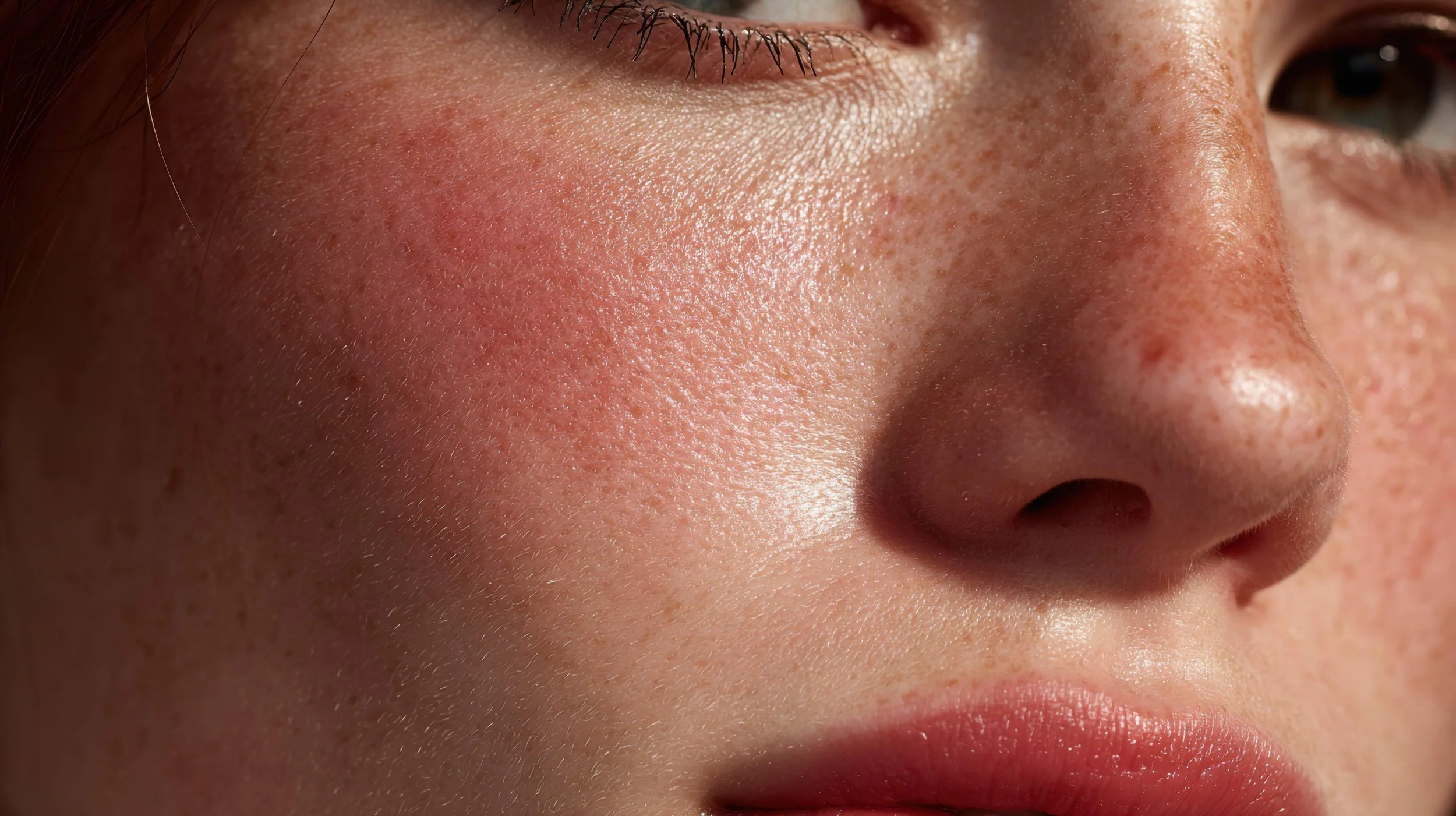
Red skin complexion, clinically known as erythema, is primarily caused by the dilation of blood capillaries near the skin's surface, often resulting from inflammation, infection, or environmental triggers. Common underlying causes incl...
Red skin complexion, clinically known as erythema, is primarily caused by the dilation of blood capillaries near the skin's surface, often resulting from inflammation, infection, or environmental triggers. Common underlying causes include chronic conditions like rosacea and eczema, acute allergic reactions, or physiological responses to temperature and emotional stress.
Contents
The Physiology of Skin Redness and Erythema
To understand why skin turns red, one must first look at the vascular system and the inflammatory response. The human skin is densely populated with a network of tiny blood vessels called capillaries. When the body receives certain signals—whether from the nervous system, the immune system, or external heat—the smooth muscles in the walls of these vessels relax. This process, known as vasodilation, allows more blood to flow close to the surface of the skin, manifesting as a pink, red, or even purple hue depending on the individual’s natural skin tone.
In a healthy state, this flushing is temporary. For example, during exercise, the body dilates vessels to dissipate heat and maintain core temperature. However, persistent redness suggests that the vessels are either permanently dilated (telangiectasia) or that the skin is in a constant state of "alarm." As of 2026, dermatological research has increasingly focused on the neurovascular connection, exploring how the nervous system and the vascular system communicate to trigger chronic redness in response to seemingly minor stimuli.
Inflammation is the second major driver. When the skin barrier is compromised, the immune system releases signaling molecules called cytokines. These chemicals recruit blood cells to the area to repair damage or fight off perceived pathogens. This influx of activity creates the characteristic swelling and redness associated with many dermatological concerns.
Chronic Medical Conditions and Facial Redness
Persistent facial redness is frequently tied to chronic inflammatory conditions. Identifying these is the first step toward effective management, as the treatment for one may exacerbate another.
Rosacea: The Persistent Flush
Rosacea is perhaps the most common cause of chronic facial redness, particularly in the central "mask" area of the face—the nose, cheeks, and forehead. By 2026, our understanding of rosacea has shifted from seeing it as a simple vascular issue to recognizing it as a complex disorder involving the innate immune system and the skin microbiome.
There are several subtypes of rosacea, but the most relevant to complexion is Erythematotelangiectatic Rosacea. This type is characterized by permanent redness and visible blood vessels. Triggers vary by individual but often include spicy foods, alcohol, caffeine, and extreme temperature shifts. Recent studies by the National Rosacea Society highlight the role of Demodex mites—microscopic organisms that live on the skin—and how an overabundance of these mites can trigger an inflammatory response that keeps the skin in a perpetual state of erythema.
Eczema and Atopic Dermatitis
While rosacea usually lacks significant scaling, Atopic Dermatitis (Eczema) often presents as red, itchy, and scaly patches. This condition is rooted in a skin barrier defect. When the "bricks and mortar" of the skin (lipids and proteins like filaggrin) are insufficient, moisture escapes and irritants enter. The resulting immune response causes intense redness. Unlike rosacea, which is often centralized, eczema can appear anywhere on the body, though in adults, it frequently affects the hands, eyelids, and joints.
Psoriasis
Psoriasis is an autoimmune condition where skin cells regenerate at an abnormally fast rate. This buildup of cells creates thick, red plaques covered with silvery scales. The redness in psoriasis is deep and well-defined, caused by the intense underlying inflammation and increased vascularity required to support the rapid cell turnover.
Environmental and Lifestyle Triggers
Not all red skin is indicative of a chronic disease. Often, the environment plays the primary role in altering the complexion.
- UV Exposure and Sunburn: Ultraviolet radiation causes direct damage to DNA in skin cells. The body responds by flooding the area with blood to begin the healing process. Repeated sunburns can lead to "poikiloderma," a condition where the skin takes on a permanently mottled, reddish-brown appearance due to damaged capillaries and pigment changes.
- Temperature Extremes: Both high heat and bitter cold can cause redness. Heat leads to vasodilation to cool the body, while cold can cause "windburn," stripping the skin of its protective oils and causing the blood vessels to react defensively.
- The "Asian Flush" and Alcohol Consumption: Many individuals lack the enzyme acetaldehyde dehydrogenase (ALDH2), which is necessary to break down alcohol byproducts. This deficiency leads to a rapid buildup of acetaldehyde, causing intense flushing, nausea, and a rapid heartbeat. Even in those without this deficiency, alcohol is a known vasodilator that can trigger temporary or worsening redness.
- Dietary Factors: Capsaicin in spicy peppers triggers nerve receptors that sense heat, leading the brain to initiate cooling measures, including flushing. Similarly, high-histamine foods (like aged cheeses or fermented products) can cause redness in sensitive individuals.
Allergic Reactions and Contact Dermatitis
When the skin turns red suddenly after using a new product, the cause is likely Contact Dermatitis. This is divided into two categories:
- Irritant Contact Dermatitis: This occurs when a substance physically damages the skin barrier. Harsh soaps, detergents, or over-exfoliation with acids are common culprits. The redness is usually localized to the exact spot where the substance was applied.
- Allergic Contact Dermatitis: This is a Type IV delayed hypersensitivity reaction. The immune system identifies a specific ingredient—such as a fragrance, a preservative (like parabens), or a metal (like nickel)—as a threat. The redness may not appear until 24 to 48 hours after exposure and can spread beyond the initial contact site.
As we move through 2026, dermatologists are seeing an uptick in "clean beauty" related dermatitis, where high concentrations of essential oils and botanical extracts act as potent allergens for a significant portion of the population.
Comparing Common Causes of Red Complexion
The following table provides a quick reference for distinguishing between the various causes of skin redness based on clinical presentation.
| Condition | Primary Location | Texture and Sensation | Key Identifying Feature |
|---|---|---|---|
| Rosacea | Nose, cheeks, chin | Smooth or bumpy; stinging | Persistent redness with "broken" capillaries |
| Eczema | Flexures, hands, face | Scaly, dry; intense itching | Often starts in childhood; highly itchy |
| Contact Dermatitis | Site of contact | Swollen, blistered; burning | Clear borders; follows product use |
| Psoriasis | Elbows, knees, scalp | Thick, raised; silvery scales | Well-defined red plaques |
| Seaborrheic Dermatitis | T-zone, hairline | Greasy; yellowish scales | Often localized to oily areas |
| Sunburn | Sun-exposed areas | Hot to the touch; painful | Appears 2-6 hours after UV exposure |
Managing Redness and Long-Term Skin Health
Managing a red complexion in 2026 involves a combination of barrier repair, trigger avoidance, and medical intervention. For those with sensitive or reactive skin, the primary goal is to "calm" the immune response.
Barrier Support: Utilizing products with ceramides, fatty acids, and cholesterol helps rebuild the skin’s natural shield. When the barrier is strong, the skin is less reactive to environmental stressors. Ingredients like Niacinamide (Vitamin B3) have become gold standards for reducing redness because they stabilize the barrier and inhibit the release of inflammatory mediators.
Topical and Systemic Treatments: For rosacea, prescriptions containing ivermectin or azelaic acid are frequently used to reduce inflammation and mite populations. In more severe cases, dermatologists may prescribe low-dose doxycycline for its anti-inflammatory properties rather than its antibiotic effects.
Advanced Procedures: If redness is caused by permanently dilated vessels (telangiectasia), topical creams are often insufficient. Laser therapies, such as Pulsed-Dye Laser (PDL) or Intense Pulsed Light (IPL), target the hemoglobin in the blood vessels. The heat from the laser causes the vessel walls to collapse, after which the body naturally reabsorbs them, significantly clearing the complexion.
Note: The information provided here is for educational purposes and does not constitute medical advice. Always consult a board-certified dermatologist for a formal diagnosis and treatment plan.
Frequently Asked Questions
Why does my face stay red even when I’m not hot or embarrassed?
Persistent redness is often a sign of chronic inflammation or damaged blood vessels that can no longer constrict properly. This is most commonly seen in rosacea. If the redness does not fade within a few hours, it may indicate that the underlying "inflammatory cascade" is constantly active, necessitating a clinical evaluation by a healthcare provider.
Can diet alone fix a red complexion?
While diet can significantly reduce "flares" for people with rosacea or certain allergies, it is rarely a total cure for a red complexion. Reducing alcohol, spicy foods, and high-sugar items can lower systemic inflammation, but if the cause is genetic or structural (like thin skin or visible vessels), topical or procedural treatments are usually required alongside dietary changes.
Is "redness-relief" eye drops safe to use on the skin?
This is a common "hack" where people apply eye drops containing vasoconstrictors (like tetrahydrozoline) to red spots. While it works temporarily by shrinking blood vessels, it can cause "rebound erythema." Once the medication wears off, the vessels often dilate even wider than before, making the redness worse in the long run.
How can I tell the difference between a breakout and rosacea?
Standard acne usually involves "comedones" (blackheads and whiteheads). Rosacea (specifically papulopustular rosacea) presents with red bumps and pus-filled pimples but lacks blackheads. Additionally, rosacea is almost always accompanied by a background of persistent facial flushing, whereas acne redness is usually limited to the individual spots.
Does stress actually cause skin redness?
Yes. Stress triggers the release of cortisol and adrenaline. Adrenaline can cause immediate flushing (the "fight or flight" response), while chronic stress increases systemic inflammation, which can worsen conditions like eczema, psoriasis, and rosacea, leading to a more permanently red complexion.
Recommendations for Action
If you are struggling with an unexplained red complexion, start by simplifying your skincare routine to a gentle cleanser, a ceramide-based moisturizer, and a mineral-based (zinc oxide) sunscreen for two weeks. This "elimination diet" for the skin helps rule out irritant contact dermatitis. If the redness persists, keep a "flare-up log" noting your food, stress levels, and weather exposure before seeing a dermatologist. This data is invaluable for accurately diagnosing conditions like rosacea or systemic lupus erythematosus.
Image Gallery