Water Pollution in Mexico: Current Challenges, Causes, and Solutions for 2026
As of 2026, water pollution in Mexico remains a critical national crisis, characterized by the contamination of over 60% of surface water bodies. This environmental challenge is driven by untreated municipal sewage, unregulated industr...
As of 2026, water pollution in Mexico remains a critical national crisis, characterized by the contamination of over 60% of surface water bodies. This environmental challenge is driven by untreated municipal sewage, unregulated industrial discharge, and agricultural runoff, leading to severe public health risks and the degradation of essential aquatic ecosystems across the country.
Contents
The Current State of Water Quality in Mexico (2026)
In 2026, the landscape of water quality in Mexico is a study in contrasts between legislative intent and infrastructural reality. While the Mexican Constitution recognizes the human right to water and sanitation under Article 4, the physical reality of the country's basins tells a different story. According to the National Water Commission (CONAGUA), a significant portion of Mexico’s 653 aquifers and hundreds of river systems are classified as having "poor" or "very poor" water quality.
The "Semáforo de Calidad del Agua" (Water Quality Semaphore), the primary monitoring tool used by the federal government, indicates that the most distressed regions are those with high industrial density and intensive agriculture. While some progress has been made in the mid-2020s regarding the monitoring of "Emerging Contaminants"—such as microplastics and pharmaceutical residues—the primary concern remains traditional pollutants like fecal coliform, heavy metals, and high levels of Chemical Oxygen Demand (COD).
The economic impact of this pollution is profound. It is estimated that water-related environmental degradation costs Mexico approximately 0.5% to 1% of its GDP annually due to health costs, lost agricultural productivity, and the extreme expenses associated with treating heavily contaminated water for industrial and domestic use.
Primary Drivers of Water Contamination
Understanding the sources of pollution is essential for navigating the complex regulatory and environmental landscape of Mexico. The contamination is generally categorized into three primary sectors: municipal, industrial, and agricultural.
Untreated Municipal Wastewater
Perhaps the most persistent issue is the management of domestic sewage. In many Mexican municipalities, the wastewater infrastructure is either non-existent, outdated, or poorly maintained. While many "Plantas de Tratamiento de Aguas Residuales" (PTARs or Wastewater Treatment Plants) have been built over the last two decades, a significant percentage of them do not operate at full capacity—or at all—due to high electricity costs and a lack of specialized technical personnel.
This results in "aguas negras" (black water) being discharged directly into rivers, lakes, and the ocean. This practice is particularly damaging to the tourism industry in coastal regions, where high levels of Enterococcus bacteria can lead to temporary beach closures and long-term ecological damage to coral reefs.
Industrial Effluents and Heavy Metals
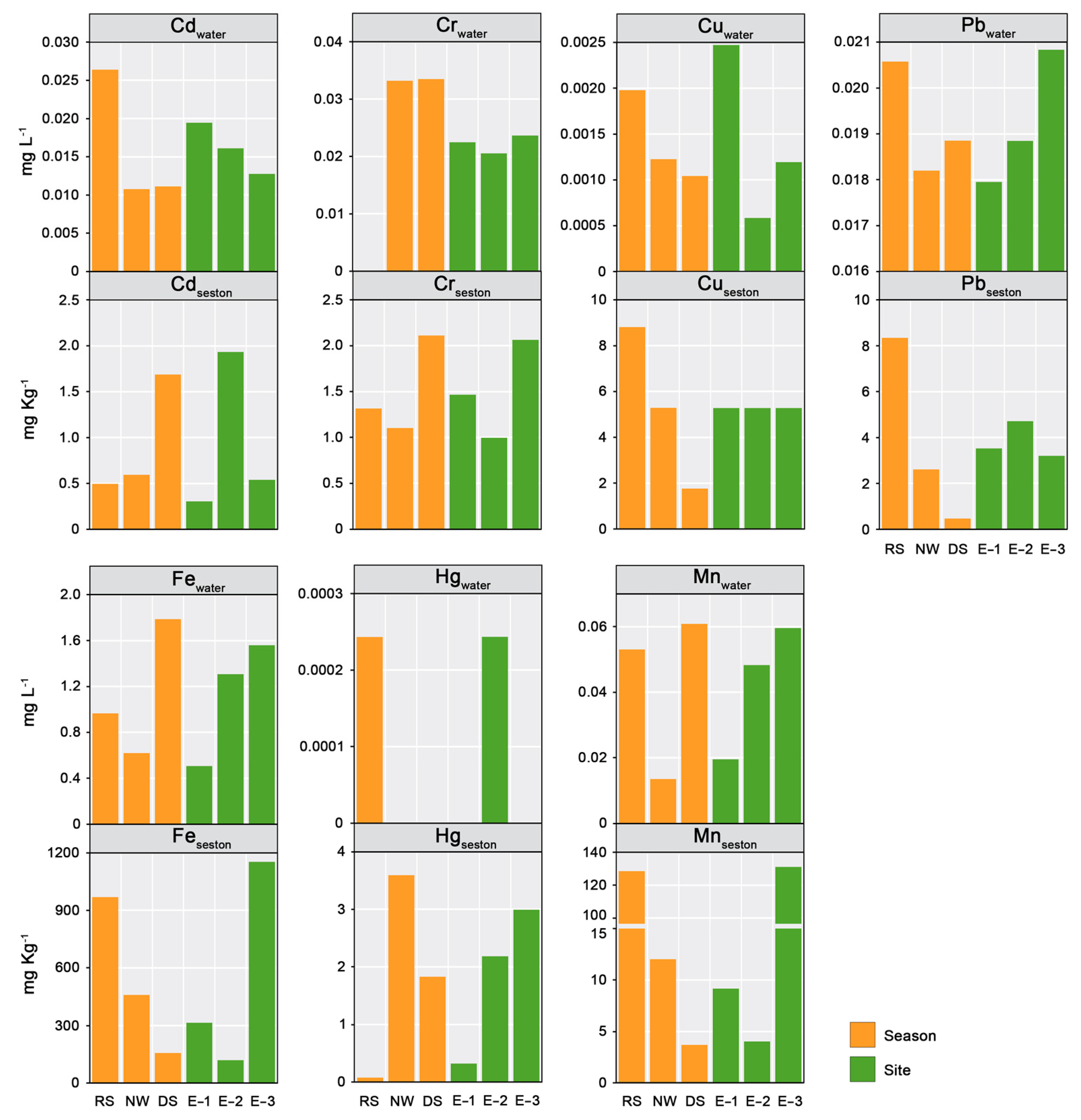
Mexico’s industrial corridor, particularly in the Bajío and Northern regions, is a major contributor to chemical pollution. Industries such as textiles, automotive manufacturing, chemical production, and electronics often discharge effluents containing heavy metals like lead, mercury, hexavalent chromium, and arsenic.
The Lerma-Santiago River basin is the most notorious example of this. For years, activists and international bodies have labeled it a "sacrifice zone" due to the cocktail of industrial chemicals present in the water. Despite updated discharge standards implemented in the early 2020s, enforcement remains a hurdle due to the limited number of inspectors at PROFEPA (Federal Attorney for Environmental Protection).
Agricultural Runoff
Agriculture accounts for approximately 76% of water consumption in Mexico. The runoff from these fields carries high concentrations of nitrates and phosphates from fertilizers, as well as toxic compounds from pesticides. This nutrient loading leads to eutrophication in lakes and reservoirs—most notably in Lake Chapala and the Xochimilco canals—causing oxygen depletion and massive fish kills. Furthermore, in northern states like Sonora and Chihuahua, the leaching of these chemicals into aquifers has compromised the safety of well water used by rural communities.
Geographic Hotspots and Regional Analysis
Water pollution in Mexico is not uniform; it manifests differently depending on the local economy and geography.
The Lerma-Santiago Basin: "Mexico's Chernobyl"
Stretching from the State of Mexico through Jalisco and into the Pacific, this river system is arguably the most polluted in Latin America. In the 2026 context, the basin continues to struggle with high rates of kidney disease and respiratory issues among nearby residents. The pollution here is a mix of industrial waste and municipal sewage that generates toxic foam and overwhelming odors, particularly during the dry season.
The Atoyac River (Puebla and Tlaxcala)
The Atoyac River is severely impacted by the textile and automotive industries. Despite numerous "Sanitation Plans" launched by state governments, the river remains biologically dead in several stretches. The presence of volatile organic compounds (VOCs) and heavy metals has been linked to increased incidences of cancer in the surrounding populations.
The Northern Aquifers: Arsenic and Fluoride
In the "Comarca Lagunera" (Coahuila and Durango) and parts of San Luis Potosí, the problem is subterranean. Over-exploitation of aquifers has led to the extraction of fossil water, which naturally contains high levels of arsenic and fluoride. Long-term consumption of this water leads to arsenicosis and dental/skeletal fluorosis, a major public health challenge that the government is currently attempting to solve through the "Agua Saludable para la Laguna" project.
The Regulatory Framework and NOM-001-SEMARNAT-2021
The turning point for Mexican water regulation in recent years was the implementation of NOM-001-SEMARNAT-2021. This standard replaced the aging 1996 regulations and introduced stricter limits on pollutants discharged into national water bodies.
Key features of this regulation include:
- True Color and Toxicity Parameters: For the first time, industries are required to measure the "true color" of their discharge, a major blow to the textile industry, and conduct toxicity tests.
- Chemical Oxygen Demand (COD): The shift from BOD (Biochemical Oxygen Demand) to COD as a primary metric provides a more accurate assessment of the chemical load in the water.
- Staged Compliance: By 2026, most major industrial and municipal dischargers are expected to have completed the technical upgrades necessary to meet these tighter standards, although many smaller municipalities are still struggling with the financial burden of these upgrades.
| River/Basin | Primary Pollutants | Main Source | Status (2026) |
|---|---|---|---|
| Lerma-Santiago | Heavy Metals, VOCs, Foam | Industrial / Chemical | Critical; high toxicity |
| Atoyac | Dyes, Lead, Pathogens | Textile / Municipal | Poor; ongoing sanitation |
| Grijalva-Usumacinta | Sediment, Pesticides | Agriculture / Logging | Fair; threatened by runoff |
| Valley of Mexico | Nitrates, Bacteria | Urban Wastewater | Poor; reliance on deep wells |
| Rio Grande / Bravo | Salinity, Industrial Waste | Agriculture / Manufacturing | Moderate; transboundary issues |
Public Health and Environmental Impacts
The consequences of water pollution in Mexico extend far beyond the water's edge.
- Waterborne Diseases: Diarrheal diseases remain a leading cause of morbidity in children under five in marginalized urban and rural areas where access to treated water is inconsistent.
- Ecosystem Collapse: The loss of biodiversity in freshwater systems is staggering. Endemic species like the Axolotl in Xochimilco face extinction not just from habitat loss, but from the toxic quality of the water.
- Agriculture and Food Safety: When polluted river water is used for irrigation—common in the Mezquital Valley—heavy metals and pathogens can enter the food chain, affecting crops like lettuce and cilantro that are consumed domestically and exported.
Solutions and Practical Next Actions
Addressing Mexico's water pollution requires a multi-pronged approach involving infrastructure, policy, and technology.
Technical and Infrastructural Solutions
The focus has shifted toward Decentralized Wastewater Treatment. Instead of massive, expensive central plants, smaller decentralized units are being implemented in housing developments and small towns. Additionally, "Nature-Based Solutions," such as constructed wetlands, are proving to be cost-effective ways to treat municipal greywater before it reaches natural bodies.
Industrial Compliance
For businesses operating in Mexico, compliance with NOM-001-SEMARNAT-2021 is no longer optional. Companies are increasingly adopting "Zero Liquid Discharge" (ZLD) technologies, where water is recycled within the plant, significantly reducing the environmental footprint and the risk of regulatory fines or closures by PROFEPA.
Individual and Community Action
For residents and travelers, the use of certified water filtration systems (Reverse Osmosis or UV-C purification) is a necessary precaution. At a community level, "Citizen Observatories" are becoming more common, where local groups use low-cost sensors to monitor river quality and report violations in real-time via digital platforms.
Frequently Asked Questions
Is tap water in Mexico safe to drink in 2026?
Generally, no. While water leaving treatment plants in major cities like Mexico City or Monterrey might meet safety standards, the aging pipe infrastructure often introduces contaminants (lead, bacteria) before it reaches the tap. It is strongly recommended to use bottled water or advanced household filtration systems.
What are the penalties for industrial water pollution in Mexico?
Under the National Water Law and the General Law of Ecological Balance and Environmental Protection (LGEEPA), penalties include substantial fines (reaching millions of pesos), temporary or permanent closure of facilities, and even criminal charges for severe ecological damage. PROFEPA is the primary body responsible for enforcement.
How does the 2021 water regulation affect small businesses?
Small and medium-sized enterprises (SMEs) that discharge into municipal sewers must follow local regulations (NOM-002), while those discharging into rivers must follow NOM-001. By 2026, most SMEs are required to have pre-treatment systems in place to remove oils, greases, and heavy sediments.
Can the "Agua Saludable" project solve the arsenic problem?
The "Agua Saludable para la Laguna" project aims to replace contaminated well water with treated surface water from the Francisco Zarco dam. While it is a major step forward, its success in 2026 depends on the completion of the distribution network and the prevention of further pollution in the source river.
Why does the Lerma River produce so much foam?
The foam is primarily caused by high concentrations of detergents (surfactants) from both household sewage and industrial laundries, combined with the turbulence of the river. These chemicals lower the surface tension of the water, allowing air bubbles to form a stable, often toxic, foam that can travel for miles.
Recommendation for 2026
For stakeholders in Mexico—whether industrial operators, municipal leaders, or concerned citizens—the priority must be prevention at the source. Recovering a dead river is significantly more expensive than treating effluent before discharge. Investors and companies should prioritize water-circularity technologies, while citizens should support local "Integrated Water Resource Management" (IWRM) initiatives that protect watersheds from the top down.
Image Gallery