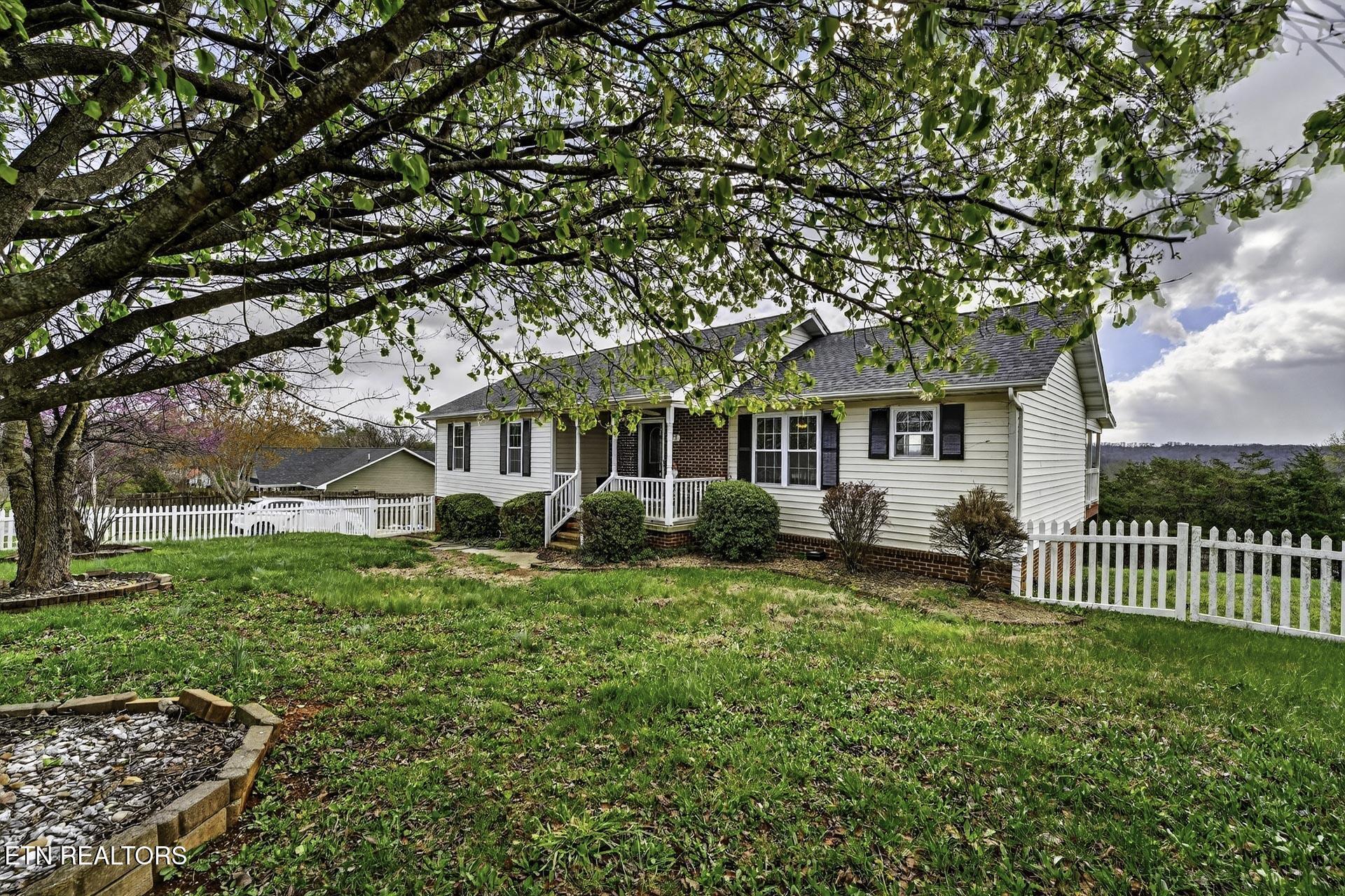
Tennessee Mountain Homes for Sale: The 2026 Comprehensive Buyer’s Guide
Finding Tennessee mountain homes for sale requires navigating distinct regional micro-climates, unique property terrain challenges, and highly localized real estate markets ranging from the Great Smoky Mountains to the Cumberland Plate...
Finding Tennessee mountain homes for sale requires navigating distinct regional micro-climates, unique property terrain challenges, and highly localized real estate markets ranging from the Great Smoky Mountains to the Cumberland Plateau. Whether you are looking for an investment cabin rental, a secluded luxury retreat, or a full-time residential property, understanding local topography, septic regulations, and seasonal market shifts is vital for a successful acquisition in 2026.
Contents
Understanding the East Tennessee Mountain Real Estate Landscape
The topography of East Tennessee dictates property values, buildability, and lifestyle convenience. Mountain real estate markets are heavily fragmented by county lines, elevation changes, and proximity to major infrastructure like McGhee Tyson Airport or Interstate 40 and Interstate 75.
Buyers must differentiate between three primary geographic sectors in the Tennessee mountains:
- The Great Smoky Mountains Region (Sevier, Blount, and Cocke Counties): Dominated by tourism, high short-term rental demand, and communities like Gatlinburg, Pigeon Forge, Wears Valley, and Townsend.
- The Cumberland Plateau (Cumberland, Putnam, and Morgan Counties): Characterized by rolling wooded elevations, master-planned communities like Fairfield Glade, and more affordable acreage relative to the Smokies.
- The Greater Knoxville Mountain Perimeter (Knox, Anderson, and Union Counties): Offering properties with mountain views that remain within a comfortable commuting distance of major urban medical centers and corporate employers.
Evaluating these regions involves balancing the desire for panoramic ridge views against the practical realities of infrastructure, utilities, and year-round accessibility.
Key Micro-Markets for Mountain Property Buyers
Each mountain municipality and county in Tennessee presents distinct investment and lifestyle advantages. Analyzing the unique characteristics of these local markets helps target your property search efficiently.
| Region / County | Median Price Range (2026) | Primary Property Type | Key Investment Driver |
|---|---|---|---|
| Sevier County (Gatlinburg/Sevierville) | $450,000 - $950,000+ | Log cabins, Chalets | High-yield short-term vacation rentals, proximity to Great Smoky Mountains National Park. |
| Blount County (Townsend/Maryville) | $380,000 - $800,000+ | Traditional homes, acreage | "Peaceful Side of the Smokies," balance of rural privacy and municipal access. |
| Cocke County (Cosby/Newport) | $250,000 - $550,000+ | Mountain land, fixer-uppers | Lower entry price point, rugged wilderness views, emerging remote work market. |
| Cumberland County (Crossville/Plateau) | $275,000 - $600,000+ | Golf course homes, ranch houses | Retirement destination, planned communities, moderate topography. |
Critical Technical Due Diligence for Mountain Real Estate
Purchasing a home on a mountain slope involves technical considerations that do not apply to suburban flatland real estate. Securing professional inspections tailored to mountain terrain will protect your capital investment.
Topography, Slope Stability, and Soil Conditions
Mountain homes frequently sit on graded slopes. Geotechnical factors can significantly impact long-term structural integrity.
- Retaining Walls: Inspect all existing retaining walls for drainage weep holes, leaning, and structural cracking. Replacing failed timber or concrete tieback walls can cost tens of thousands of dollars.
- Soil and Rock: Excavating for additions, pools, or outbuildings may require blasting through solid limestone or sandstone, which must be factored into your post-purchase budget.
- Drainage: Surface water runoff management is critical. Ensure proper grading directs rainwater away from the foundation to prevent shifting or basement water intrusion.
Water Systems and Wastewater Management
Unlike urban homes connected to municipal utilities, many Tennessee mountain properties rely on private infrastructure.
- Wells: Verify the gallons-per-minute (GPM) flow rate and water potability via professional testing. Seasonal water table drops can affect shallow wells.
- Septic Systems and Gravity/Pump Systems: In Tennessee, septic permits are dictated by the local Environmental Health Department based on soil texture and perc tests. Verify whether the property utilizes a standard gravity-fed system or an engineered pump-up system, which requires electrical maintenance and periodic inspections.
Road Access, HOA Restrictions, and Winter Weather
Mountain roads can range from well-paved county thoroughfares to steep, single-lane gravel switchbacks.
- Road Maintenance: Determine whether the road is maintained by the county, a municipal entity, or a private road maintenance agreement (or Homeowners Association). Unpaved private roads require coordination among neighbors for snow removal and gravel replenishment.
- HOA Covenants: Many mountain developments enforce strict architectural guidelines, restrictions on short-term rentals, minimum square footage requirements, and prohibitions on RV or mobile home placement.
Step-by-Step Guide to Buying a Mountain Home in Tennessee
Navigating the transaction process requires a systematic approach to ensure all local legal, environmental, and financial factors are properly addressed.
- Define Your Primary Use Case: Determine whether the property will serve as a permanent primary residence, a long-term rental, or a short-term vacation rental. This dictates zoning requirements and municipal tax classifications.
- Engage a Local Specialist Real Estate Agent: Partner with an agent who actively works within the specific mountain county. They understand local road maintenance nuances, zoning changes, and off-market inventory.
- Secure Financing Pre-Approval: Consult lenders familiar with rural properties, acreage limits, and well/septic escrow requirements. Standard conventional loans may have specific underwriting stipulations for homes situated on extensive acreage or unpaved private roads.
- Conduct Specialized Property Inspections: Beyond standard home inspections, hire certified professionals to evaluate the roof (snow/wind load resilience), chimney/flue, septic system, well water quality, and structural foundation.
- Review Title, Easements, and Access Rights: Ensure the property has a legally insured, deeded right-of-way access across any neighboring parcels. Mountain properties are frequently accessed via shared driveways or private easements.
- Close and Establish Local Utilities: Transfer power accounts (such as Tennesse Valley Authority [TVA] distributors like Knoxville Utilities Board or Appalachian Electric Cooperative), establish propane delivery if applicable, and update your homeowner's insurance policy.
Financial Realities: Taxes, Insurance, and Investment Potential
Owning real estate in Tennessee offers distinct tax advantages, though mountain-specific costs require careful financial modeling.
Property Taxes and State Income Advantages
Tennessee has no state income tax, making it a highly attractive destination for out-of-state relocations. Furthermore, property tax rates across East Tennessee counties are generally lower than the national average. However, reassessments can cause tax spikes, and properties located within city limits will pay both county and municipal taxes.
Insurance Considerations
Insuring a mountain home can present unique challenges compared to standard suburban dwellings.
- Wildfire Risk Mitigation: Insurers evaluate the "defensible space" surrounding the structure. Keeping trees, brush, and leaf litter cleared away from the roofline is essential for securing competitive hazard insurance rates.
- Elevation and Weather: High-elevation ridges experience severe wind events, heavy ice accumulation, and occasional heavy snowfall. Verify that your policy covers roof damage and frozen pipe bursts adequately.
Short-Term Rental Regulations
If you are purchasing a mountain home with the intent of operating an Airbnb or VRBO, check local municipal regulations closely. Counties like Sevier County actively encourage tourism and have streamlined permitting processes, whereas other counties enforce strict zoning overlays, noise ordinances, or conditional use permits that limit commercial short-term lodging.
Frequently Asked Questions
Are mountain homes in Tennessee difficult to heat and cool?
Mountain homes can experience wide temperature variations depending on elevation, tree cover, and southern sun exposure. Modern construction with high-efficiency heat pumps, dual-pane windows, and proper insulation maintains comfortable indoor climates efficiently, though older cabins may require supplemental propane or wood-burning heat sources.
Do most Tennessee mountain homes have public sewer and water?
No. While properties located directly inside city limits or master-planned communities typically connect to municipal water and sewer lines, a significant percentage of rural mountain homes rely on private drilled wells and on-site septic tank systems.
Can I build a custom home on vacant Tennessee mountain land?
Yes, but you must complete rigorous site preparation and feasibility studies. This includes obtaining a certified soil perc test for septic placement, securing an electric utility extension estimate, engineering a stable driveway grade, and complying with local county building codes.
How do winter weather conditions impact mountain driving in Tennessee?
Winters in the Tennessee mountains are generally moderate compared to northern states, but high-elevation areas routinely experience ice storms and accumulating snow. Steep gravel roads can become impassable without four-wheel drive (4WD) or all-wheel drive (AWD) vehicles, and some communities experience temporary access disruptions during severe winter weather events.
What is the Greenbelt Law in Tennessee, and how does it affect mountain acreage?
The Tennessee Agricultural, Forest, and Open Space Land Act of 1976 (known as the Greenbelt Law) allows qualifying tracts of agricultural, forest, or open-space land of 15 acres or more to be assessed for property tax purposes based on its current use rather than its market value, potentially lowering annual property tax burdens for large acreage owners.
Strategic Next Steps for Prospective Buyers
Navigating the market for Tennessee mountain homes for sale demands careful preparation, realistic budgeting, and thorough property due diligence. Begin by clarifying your geographic preferences and functional requirements, then connect with a trusted local real estate professional to tour properties that match your long-term lifestyle or investment goals.
Image Gallery