Guaranteed Issue Term Life Insurance Quote: Costs, Options, and Eligibility
A guaranteed issue term life insurance quote provides pricing for life insurance coverage that requires no medical exam, no health questions, and no review of medical history. While standard term life insurance relies on health underwr...
A guaranteed issue term life insurance quote provides pricing for life insurance coverage that requires no medical exam, no health questions, and no review of medical history. While standard term life insurance relies on health underwriting, guaranteed issue products guarantee approval regardless of medical conditions, making them a critical option for individuals facing serious health challenges.
Contents
Disclaimer: This guide is provided for educational and informational purposes only and does not constitute formal financial, legal, or insurance advice. Life insurance policy availability, terms, and regulatory requirements vary by jurisdiction and carrier.
The Reality of Guaranteed Issue Term Life Insurance
When searching for a guaranteed issue term life insurance quote, consumers often encounter a major point of confusion in the insurance market: true individual guaranteed issue term policies are exceptionally rare.
In the retail life insurance industry, the vast majority of guaranteed issue products (often called guaranteed acceptance life insurance) are actually whole life policies or final expense policies. These carry permanent coverage, smaller benefit amounts (typically $2,000 to $25,000), and higher relative premiums.
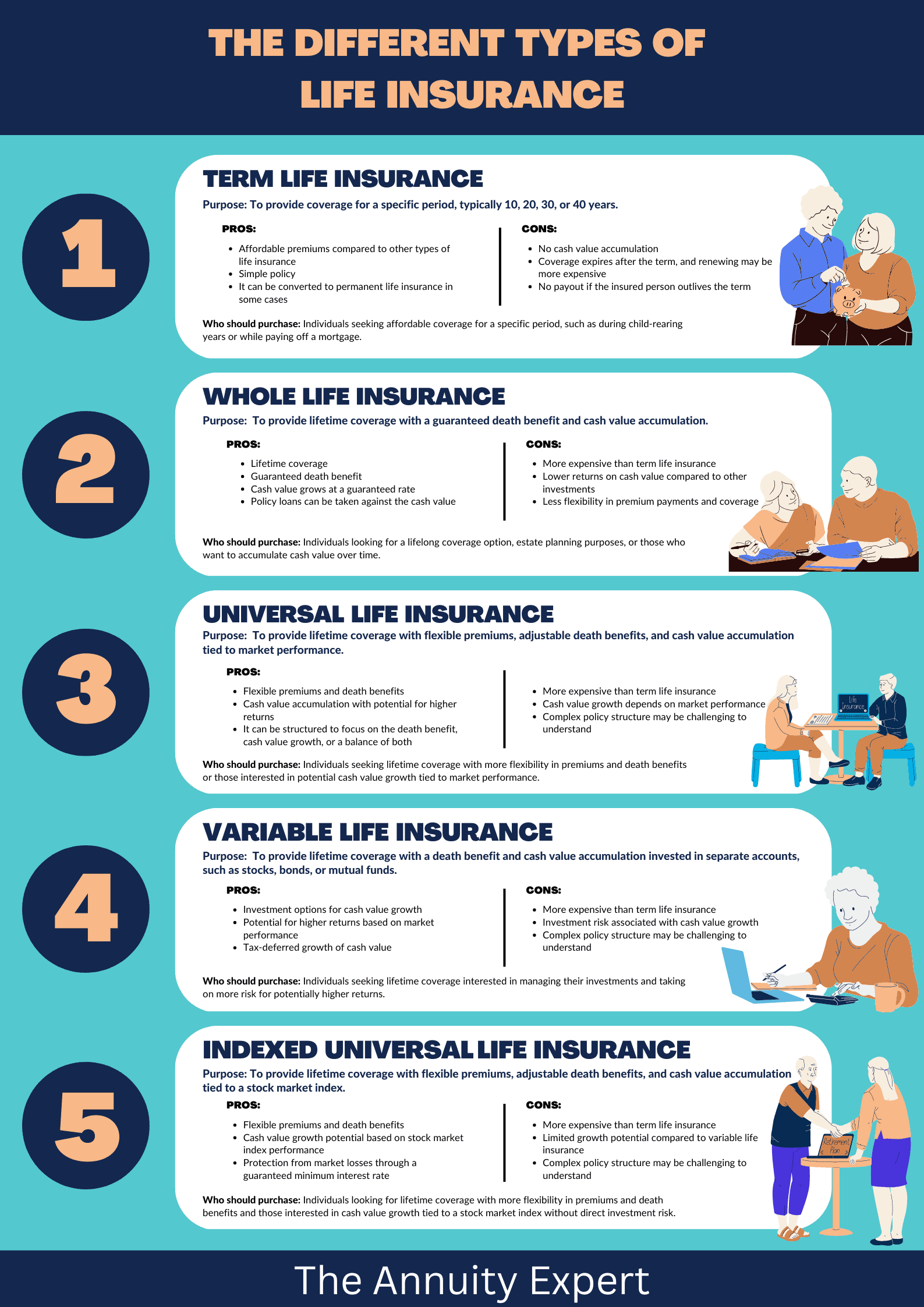
Conversely, term life insurance—which provides a larger death benefit for a specific timeframe (such as 10, 15, 20, or 30 years) at lower rates—traditionally requires underwriting.
However, guaranteed issue term insurance does exist in specific contexts:
- Employer-Sponsored Group Term Plans: Many companies offer guaranteed issue term life insurance as an employee benefit up to a specific coverage limit (e.g., $50,000 or $100,000) during initial enrollment periods without health questions.
- Simplified Issue Term Policies: Often mistaken for guaranteed issue, these policies waive physical medical exams but still ask basic medical questions or check prescription database histories.
- Guaranteed Conversion Riders: Existing term policies often include conversion privileges, allowing policyholders to convert term coverage to permanent guaranteed coverage without submitting new medical evidence.
Understanding this distinction is vital before shopping for quotes, as it prevents applying for a product that does not match your financial needs or health status.
How Guaranteed Issue Policies Work
Guaranteed issue insurance is designed specifically for individuals who cannot qualify for medically underwritten insurance due to pre-existing conditions, advanced age, or terminal illness. Because the insurance company takes on substantial risk by accepting applicants without screening, these policies operate under distinct contractual rules.
1. The Graded Death Benefit Period
Most individual guaranteed acceptance policies include a mandatory waiting period, usually lasting two to three years from the policy's effective date.
- If death occurs during the graded period from natural causes (such as illness or disease), the insurer does not pay the full policy death benefit. Instead, they refund all premiums paid to date, plus a small percentage of interest (typically 10%).
- If death occurs during the graded period due to an accident, the full death benefit is generally paid immediately.
- If death occurs after the graded period expires, the full face value is paid regardless of the cause of death.
2. Age Restrictions and Coverage Limits
Guaranteed acceptance policies typically target older adults, commonly available to applicants between the ages of 50 and 85. Maximum face amounts are deliberately capped to limit financial exposure for the carrier. Coverage limits generally cap between $25,000 and $50,000 for individual policies.
Comparing Life Insurance Types: Guaranteed Issue vs. Alternatives
To decide if a guaranteed issue term life insurance quote meets your objectives, compare how guaranteed acceptance policies contrast with simplified issue and standard term coverage options.
| Policy Type | Medical Exam Required? | Health Questions Asked? | Maximum Coverage Limits | Benefit Structure | Ideal Candidate |
|---|---|---|---|---|---|
| Guaranteed Issue (Individual Whole/Final Expense) | No | No | $2,000 – $25,000 (up to $50,000 with select carriers) | Graded death benefit for first 2–3 years; permanent life coverage. | Individuals with severe pre-existing conditions or recent terminal diagnoses. |
| Employer Group Term (Guaranteed Issue Limit) | No | No | $50,000 – $250,000 (varies by employer plan) | Full immediate benefit; term duration tied to employment or portability terms. | Actively working employees enrolling during initial eligible benefit windows. |
| Simplified Issue Term Life | No | Yes (Basic health questionnaire & prescription check) | $100,000 – $1,000,000 | Full immediate benefit upon approval; set term duration (10–30 years). | Moderate health status; seeking fast approval without physical fluid samples. |
| Fully Underwritten Term Life | Yes (Paramedical exam, blood/urine sample) | Yes (Comprehensive medical & lifestyle review) | $100,000 – $10,000,000+ | Full immediate benefit upon approval; set term duration (10–30 years). | Healthy individuals seeking maximum coverage at the lowest cost per dollar. |
Where to Find True Guaranteed Term Life Insurance Coverage
If you explicitly require term life coverage with guaranteed acceptance, explore these three primary avenues:
1. Group Term Life Insurance Through Employers
The most common source of true guaranteed issue term life insurance is an employer group benefit plan. Under these arrangements, life insurance carriers aggregate risk across an entire company workforce. Employers often offer a "guaranteed issue amount"—a threshold of term insurance coverage (such as 1x or 2x your annual salary) that you can elect without answering medical questions or taking an exam.
For comprehensive guidelines on group insurance standards, consult the National Association of Insurance Commissioners (NAIC).
2. Association and Union Group Plans
Professional organizations, alumni associations, and labor unions frequently contract with insurance carriers to provide group term life coverage to members. Like employer plans, these may offer periodic open-enrollment periods where members can secure term coverage up to moderate limits without medical underwriting.
3. Term Policy Conversions
If you currently hold an active, fully underwritten term life policy, check your policy contract for a guaranteed conversion rider. This contractual provision guarantees your right to convert your existing term policy into a permanent life policy without submitting proof of insurability, regardless of changes to your health.
Key Factors That Impact Your Guaranteed Issue Quote
When requesting quotes for guaranteed issue life insurance, pricing models differ significantly from traditional insurance underwriting. Because medical data is omitted, premiums are priced based on a broad statistical risk pool.
Primary Rate Determinants
- Age: Premium rates rise significantly with each year of age. Securing a quote earlier locks in lower rates for policies with fixed premium schedules.
- Gender: Statistically, women have longer life expectancies than men, resulting in lower premiums for female applicants across identical coverage amounts.
- State of Residence: Insurance policies are regulated at the state level by state insurance departments. State-specific regulations, tax structures, and carrier filings directly influence rate calculations.
- Benefit Amount: Premiums scale relative to the selected face amount (e.g., a $20,000 policy will cost roughly double a $10,000 policy).
Because health status is not evaluated, smokers and non-smokers sometimes pay identical rates on pure guaranteed issue products, though some carriers include a simple tobacco status question to adjust pricing accordingly.
Step-by-Step Guide: How to Get and Evaluate Guaranteed Issue Quotes
Follow this process to gather, analyze, and select the right guaranteed acceptance or simplified life policy:
- Step 1: Determine Actual Coverage Needs (Final Expense vs. Income Replacement)
- Step 2: Check Existing Group Benefits (Employer or Union Open Enrollment)
- Step 3: Test Eligibility for Simplified Issue Policies (Saves Money if Qualified)
- Step 4: Request Quotes from Multiple Independent Brokers or Online Aggregators
- Step 5: Review Graded Benefit Period Terms and Premium Guarantees
- Step 6: Submit Application and Verify Free-Look Period Provisions
Step 1: Clarify Your Financial Objective
Determine whether your goal is paying for burial and final expenses ($5,000–$25,000) or replacing income for dependents ($250,000+). If you need high income replacement, guaranteed issue whole life will likely be cost-prohibitive, making employer group term or simplified issue the necessary path.
Step 2: Exhaust Group and Association Options
Contact your employer's human resources department or professional associations to review group coverage options. Securing guaranteed term coverage through group benefits is almost always less expensive than purchasing an individual guaranteed acceptance policy.
Step 3: Screen for Simplified Issue First
Before purchasing guaranteed issue, evaluate whether you can pass a simplified issue questionnaire. Simplified issue term insurance asks basic health questions but skips physical exams. If you qualify, simplified issue offers higher coverage limits, lower premiums, and immediate death benefit protection without a graded waiting period.
Step 4: Request Comparative Quotes
Gather quotes from multiple independent life insurance agencies that represent several carriers. Ensure that all compared quotes specify:
- Fixed vs. variable premium schedules.
- Exact length of the graded benefit waiting period.
- Carrier financial stability ratings (e.g., AM Best ratings of A- or higher).
Step 5: Read Policy Disclosures Carefully
Verify that the quote is for a level premium policy, meaning the monthly cost will never increase as you age. Avoid policies with escalating rate structures that increase every five years, as these can become unaffordable over time.
Step 6: Utilize the Free-Look Period
Under state law, life insurance policies include a "free-look period" (typically 10 to 30 days). This gives you time to review the policy contract after issuance. If you cancel during this window, the insurer returns 100% of your paid premiums.
Common Mistakes to Avoid When Shopping for Coverage
- Assuming "No Medical Exam" Means "Guaranteed Issue": Many "no medical exam" term products are actually simplified issue or accelerated underwriting plans that review medical databases (e.g., MIB Group records, prescription history, motor vehicle reports). Disclosing false information on these forms can lead to claim denials.
- Ignoring the Graded Waiting Period: Purchasing a guaranteed issue policy assuming full coverage starts on Day 1 is a frequent misunderstanding. Always confirm how the policy handles natural causes of death during the first 24 to 36 months.
- Overlooking Existing Policy Conversion Rights: Policyholders often let term policies expire when health declines, unaware that their existing policy contains a guaranteed conversion clause allowing them to switch to permanent coverage without health checks.
- Buying Flexible Premium Rates Unwittingly: Some budget-friendly guaranteed issue quotes use stepped pricing schedules that increase as you reach age brackets (e.g., 60, 65, 70). Ensure your quote guarantees fixed premiums for life.
Frequently Asked Questions
Can I get a $500,000 guaranteed issue term life insurance policy?
Individual guaranteed issue policies generally do not offer $500,000 in coverage due to the catastrophic financial risk to the insurer. Individual guaranteed acceptance coverage is typically capped between $25,000 and $50,000. However, high coverage amounts may be available without medical exams through employer-sponsored group term life plans or medically underwritten simplified-issue term policies if you can answer brief health questions.
What happens if I die during the waiting period of a guaranteed issue policy?
If you pass away from natural causes (such as an illness) during the graded benefit period—usually the first two or three years—the policy will not pay the full death benefit. Instead, the insurance company refunds all premiums paid up to that point, plus an additional percentage in interest (typically 10%). If death is caused by an accident, most policies pay the full face value immediately.
Is guaranteed issue life insurance more expensive than regular life insurance?
Yes, on a per-dollar-of-coverage basis, guaranteed issue insurance is significantly more expensive than standard underwritten life insurance. Because the insurer cannot evaluate your health risk, they price the policy assuming the applicant pool carries severe health risks. If you are in fair or moderate health, applying for simplified issue or standard underwritten term insurance will yield much lower quotes.
Does a guaranteed issue term life policy ever expire?
True term policies expire after a set period (e.g., 10, 20, or 30 years). However, most individual retail guaranteed issue products sold directly to consumers are whole life insurance policies, which remain active for your entire lifetime as long as required premiums are paid. Always verify whether the quote you receive is for a fixed term or permanent whole life insurance.
Are there medical questions on a guaranteed issue life insurance application?
No. Genuine guaranteed issue life insurance applications contain zero health questions, zero medical exam requirements, and no authorization requests for prescription or medical database checks. Approval is guaranteed based on age, state residency, and payment of initial premiums.
Final Recommendation: Securing the Right Coverage
When seeking a guaranteed issue term life insurance quote, start by determining whether you actually need a guaranteed acceptance product or if you qualify for a simplified issue policy.
If you are currently employed, check your company’s benefits portal during open enrollment to maximize any guaranteed issue group term coverage limits available to you. If you need an individual policy due to critical health conditions, request quotes from multiple independent agencies representing highly rated insurance carriers. Ensure the policy features a level premium, a manageable graded benefit period, and financial strength ratings that guarantee long-term stability.
Image Gallery