Understanding Crime Scene Pictures: Forensic Documentation, Protocols, and Access
Crime scene pictures serve as permanent, objective visual records that capture the precise condition of a location before any alterations occur. These forensic photographs form an essential foundation for criminal investigations, judic...
Crime scene pictures serve as permanent, objective visual records that capture the precise condition of a location before any alterations occur. These forensic photographs form an essential foundation for criminal investigations, judicial proceedings, and forensic pathology assessments in 2026. Because evidence is inherently fragile and susceptible to environmental changes, contamination, or destruction, photographic documentation bridges the gap between the initial discovery of a crime and its eventual presentation in a court of law.
Contents
Forensic photography requires strict adherence to standardized protocols, specialized equipment, and systematic methodologies. Investigators must capture overall, mid-range, and close-up perspectives to establish context, spatial relationships, and minute physical details such as tool marks, footprint impressions, or biological fluids. Beyond field collection, managing these sensitive visual records involves complex legal frameworks governing public access, Freedom of Information Act (FOIA) requests, media publication ethics, and privacy rights for victims and their families.
The Core Objectives and Purpose of Forensic Photography
The primary objective of capturing crime scene pictures is to preserve the integrity of a scene in its unaltered state. Physical evidence can be displaced, degraded by weather, or altered during life-saving medical interventions. Photographs freeze the temporal reality of the environment, allowing detectives, prosecutors, defense attorneys, and expert witnesses to review spatial dynamics long after the physical scene has been released and cleared.
Forensic documentation supports several vital functions across the criminal justice lifecycle:
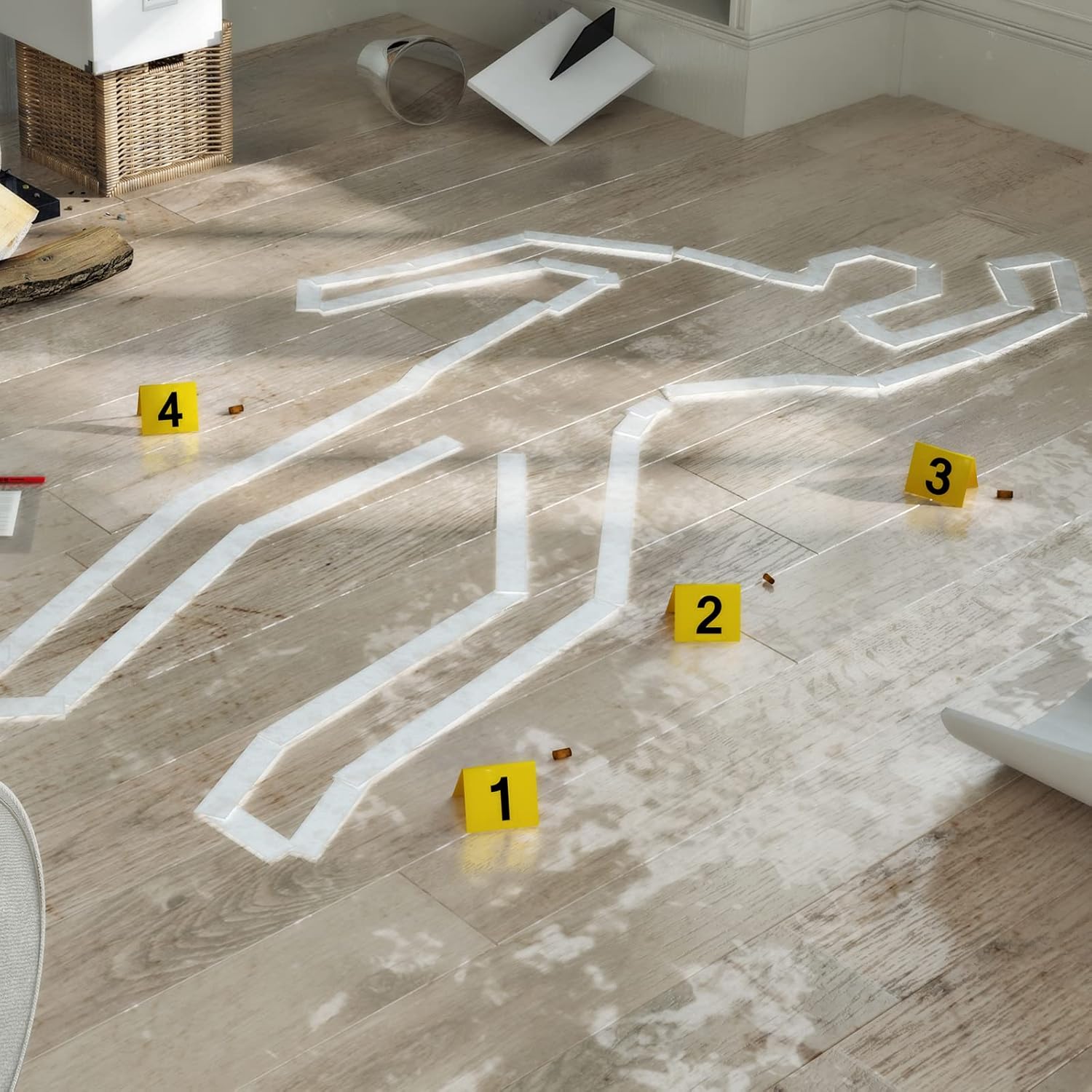
- Spatial Preservation: Captures the exact placement of bodies, weapons, furniture, and transient evidence like blood spatter or footwear impressions.
- Contextual Linkage: Illustrates how different areas of a location connect, establishing lines of sight, entry points, and paths of movement.
- Corroboration of Testimony: Provides an objective visual benchmark to verify or challenge statements provided by witnesses, suspects, and victims.
- Expert Analysis: Enables specialized forensic disciplines, such as bloodstain pattern analysis and ballistics trajectory reconstruction, to perform laboratory examinations using high-resolution imagery.
Methodologies and Technical Standards for Capturing Scene Evidence
Professional crime scene photography is governed by strict technical standards to ensure admissibility in legal proceedings. Investigators avoid relying on automatic camera settings that can misinterpret lighting conditions, preferring manual exposure controls to maintain absolute consistency across a series of frames.
To achieve comprehensive coverage, forensic technicians follow a structured progression from macro to micro perspectives:
| Photographic Tier | Perspective and Scale | Primary Purpose | Technical Equipment |
|---|---|---|---|
| Overall Views | Wide-angle shots capturing the entire scene, exterior boundaries, and nearby landmarks. | Establish geographical context, entry/exit routes, and general environment. | DSLR/Mirrorless camera, wide-angle lens, external flash. |
| Mid-Range Views | Medium shots showing specific items of evidence in relation to surrounding fixed objects. | Demonstrate spatial relationships and distances between key artifacts. | Standard lens, measuring tape/scale for placement reference. |
| Close-Up Views | Macro shots focusing exclusively on individual items of evidence with an L-scale. | Reveal fine physical details, serial numbers, textures, and trauma patterns. | Macro lens, ring flash, forensic scale ruler. |
Essential Rules for Scale and Perspective
Every close-up photograph of physical evidence must be taken twice: once without a scale to show the undisturbed item, and once with a certified forensic scale placed on the same plane as the evidence. This guarantees that distortion-free measurements can be extracted during post-processing or laboratory analysis. Furthermore, camera alignment must remain strictly perpendicular (at a 90-degree angle) to the evidence surface to prevent perspective distortion, which could invalidate comparative analyses like footwear or tire tread evaluations.
Legal Frameworks, Public Access, and Media Ethics
The dissemination and storage of crime scene pictures are strictly regulated by federal and state statutes, evidentiary laws, and ethical guidelines. While transparency is a cornerstone of democratic legal systems, balancing public oversight with the privacy rights of victims and the integrity of active investigations is a delicate operational challenge for law enforcement agencies.
Freedom of Information Act and Public Records Exemptions
In many jurisdictions, crime scene pictures are classified as public records under open-records laws, yet they are routinely shielded from public disclosure under specific statutory exemptions. Law enforcement agencies typically withhold graphic or sensitive imagery based on the following legal principles:
- Ongoing Investigations: Releasing visual evidence prematurely can compromise active investigative leads, alert suspects, or contaminate witness testimonies.
- Right to a Fair Trial: Publication of graphic imagery can prejudice potential jurors, making it difficult to seat an impartial jury.
- Victim Privacy and Dignity: Most states enforce statutory protections shielding deceased victims and their surviving families from severe emotional distress caused by the mass distribution of graphic death images.
Ethical Considerations in Media and True Crime
The growing public fascination with true crime media has created immense commercial demand for authentic crime scene pictures. Ethical journalism and responsible media platforms adhere to strict self-regulatory codes that prohibit the gratuitous publication of gore or explicit trauma. Reputable organizations pixelate or crop sensitive human remains, focusing instead on structural diagrams, court exhibits, and non-graphic physical evidence to inform the public without violating human dignity.
Psychological Impact and Professional Resilience for Investigators
Handling graphic crime scene pictures takes a profound psychological toll on forensic technicians, detectives, medical examiners, and legal professionals. Continuous exposure to violent imagery can lead to secondary traumatic stress, compassion fatigue, and symptoms akin to Post-Traumatic Stress Disorder (PTSD).
Modern law enforcement agencies and forensic laboratories implement comprehensive wellness programs to mitigate these occupational hazards:
- Rotational Assignments: Limiting the continuous duration personnel spend processing graphic visual evidence.
- Peer Support Networks: Establishing confidential peer-led debriefing sessions following high-profile or particularly gruesome cases.
- Mandatory Psychological Counseling: Providing proactive access to mental health professionals specializing in trauma mitigation for first responders.
Frequently Asked Questions
Are crime scene pictures always admissible in court?
Not automatically. To be admissible, the prosecution must authenticate the photographs, proving they accurately represent the scene without manipulation, distortion, or prejudicial bias that outweighs their probative value. Judges evaluate whether the visual evidence clarifies material facts or merely serves to inflame the passions of the jury.
Can families of victims obtain crime scene pictures?
Access policies for victims' families vary significantly by jurisdiction. While some states grant immediate family members legal access to case files upon request, others restrict distribution entirely or require a formal court order to protect the dignity of the deceased and prevent unauthorized leaks.
How are digital crime scene pictures protected against tampering?
Law enforcement agencies use specialized, write-protected storage media, cryptographic hashing algorithms, and secure chain-of-custody software. These digital safeguards ensure that once an image file is captured on the memory card, any subsequent access, transfer, or processing is permanently logged and verifiable.
What is the difference between a forensic sketch and a crime scene photograph?
Photographs capture realistic, detailed color and lighting data but suffer from optical distortion and lack direct measurement overlays. Forensic sketches are simplified, scale-drawn diagrams that map precise distances, angles, and fixed triangulation points, serving as a clean schematic supplement to photographic records.
How do forensic experts recover deleted or altered crime scene pictures?
Digital forensics specialists utilize specialized data recovery software to scan physical storage media at the sector level. Even if an image file is deleted or formatted, raw data fragments often persist in unallocated cluster space until overwritten, allowing forensic analysts to restore original files for court presentation.
Securing Professional Legal and Investigative Consultation
Navigating the complexities of forensic evidence, legal disclosure, and evidentiary standards requires specialized guidance. Whether you are managing an active legal defense, conducting legitimate academic research, or seeking official public records compliance, consult with qualified criminal defense attorneys, certified forensic investigators, or authorized agency public information officers to ensure adherence to applicable local laws and ethical standards.
Image Gallery