How Construction Time Cards Improve Site Tracking and Project Oversight
Construction time cards serve as the primary bridge between on-site labor activities and back-office project management, transforming raw attendance data into actionable site tracking insights. By shifting from manual paper logs to dig...
Construction time cards serve as the primary bridge between on-site labor activities and back-office project management, transforming raw attendance data into actionable site tracking insights. By shifting from manual paper logs to digital or biometric time card systems, project managers can verify exactly where labor hours are being allocated, detect productivity bottlenecks in real-time, and ensure accurate job costing that aligns with actual site progress rather than optimistic estimates.
Contents
The Role of Time Cards in Modern Site Management
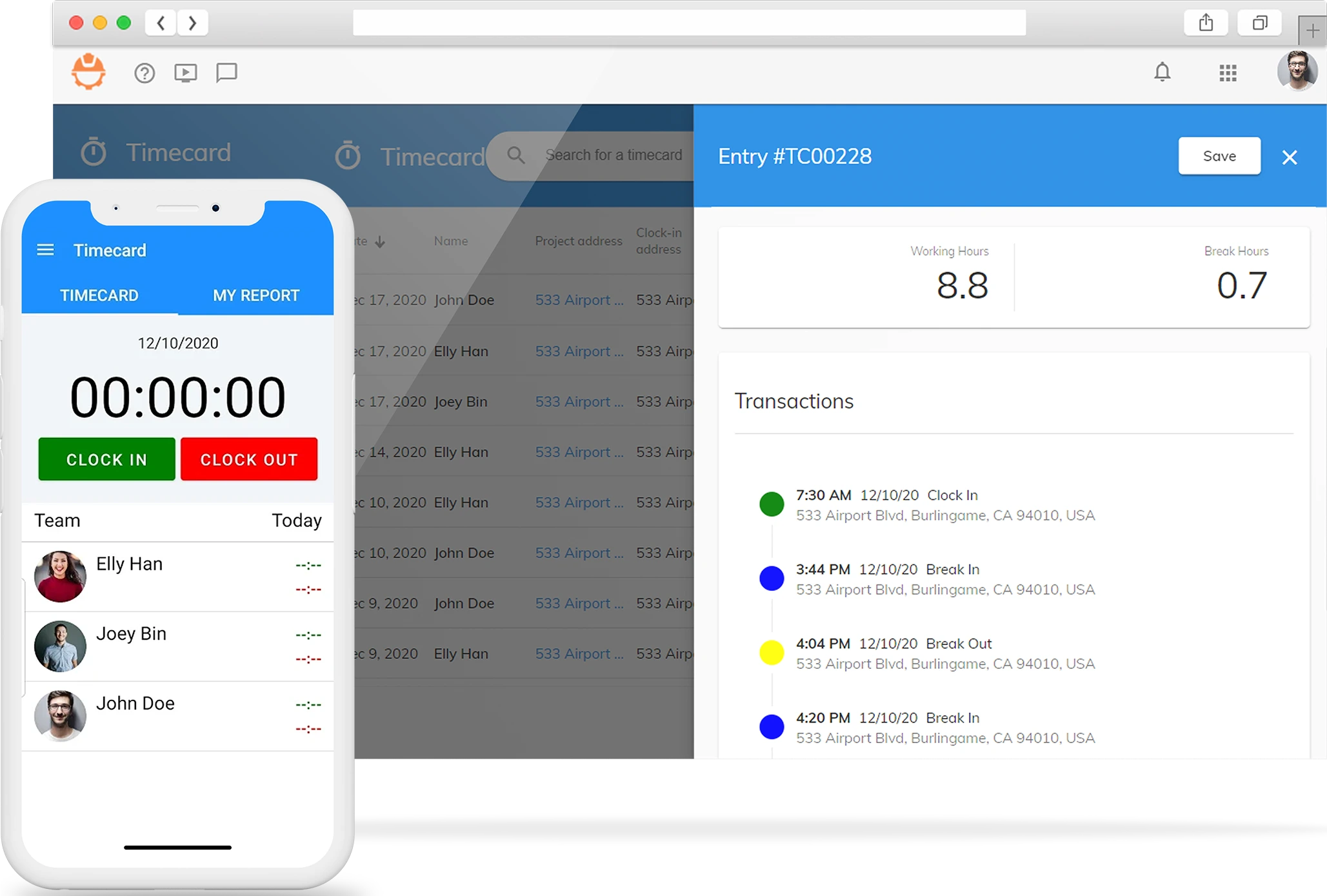
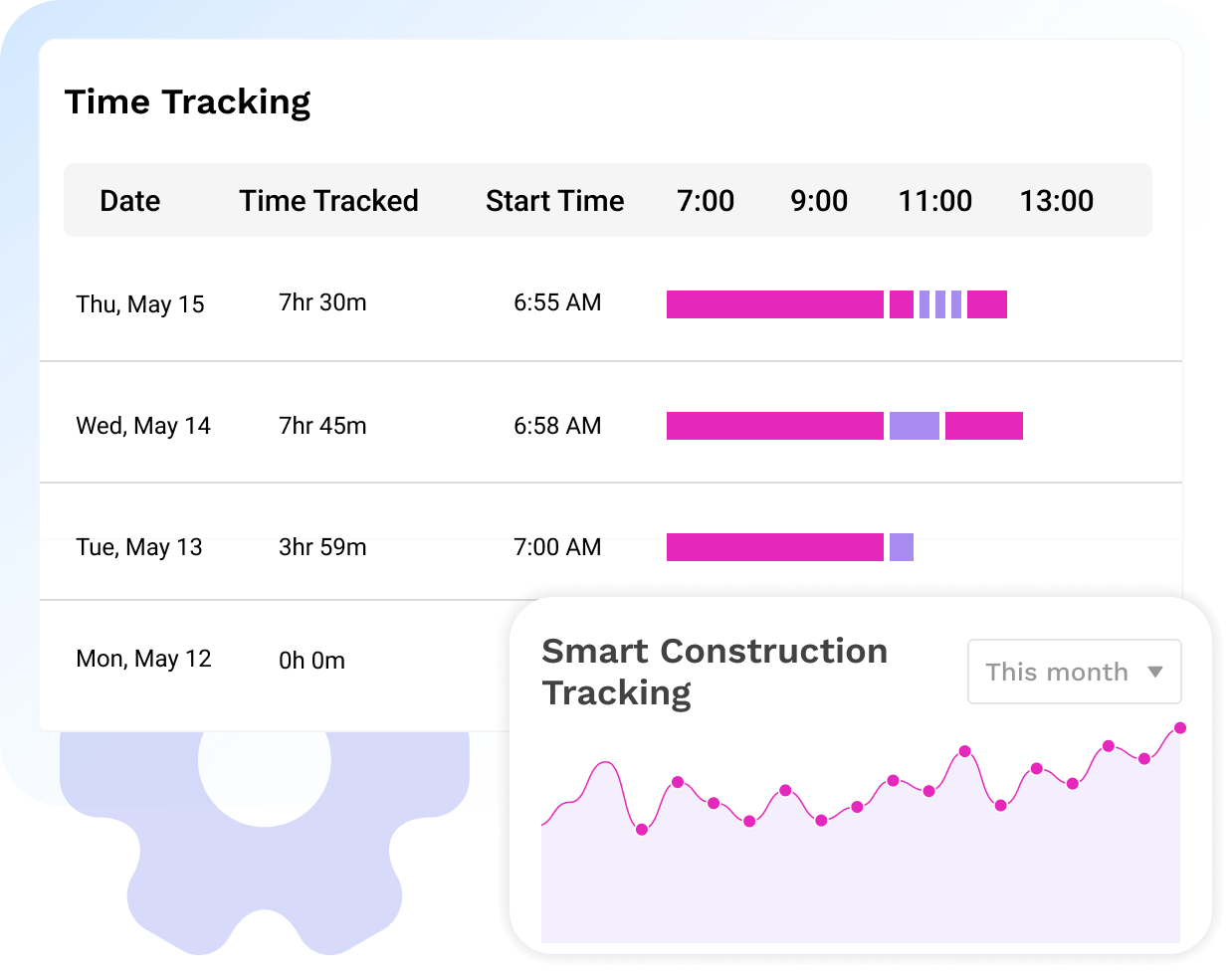
In the construction industry, labor is often the most significant and volatile cost variable. Traditional, paper-based time tracking is prone to inaccuracies, delayed reporting, and a lack of granular detail. Construction time cards have evolved into digital tracking tools that function as a data-collection layer. When a worker clocks in, they often assign their hours to a specific cost code, job phase, or piece of equipment.
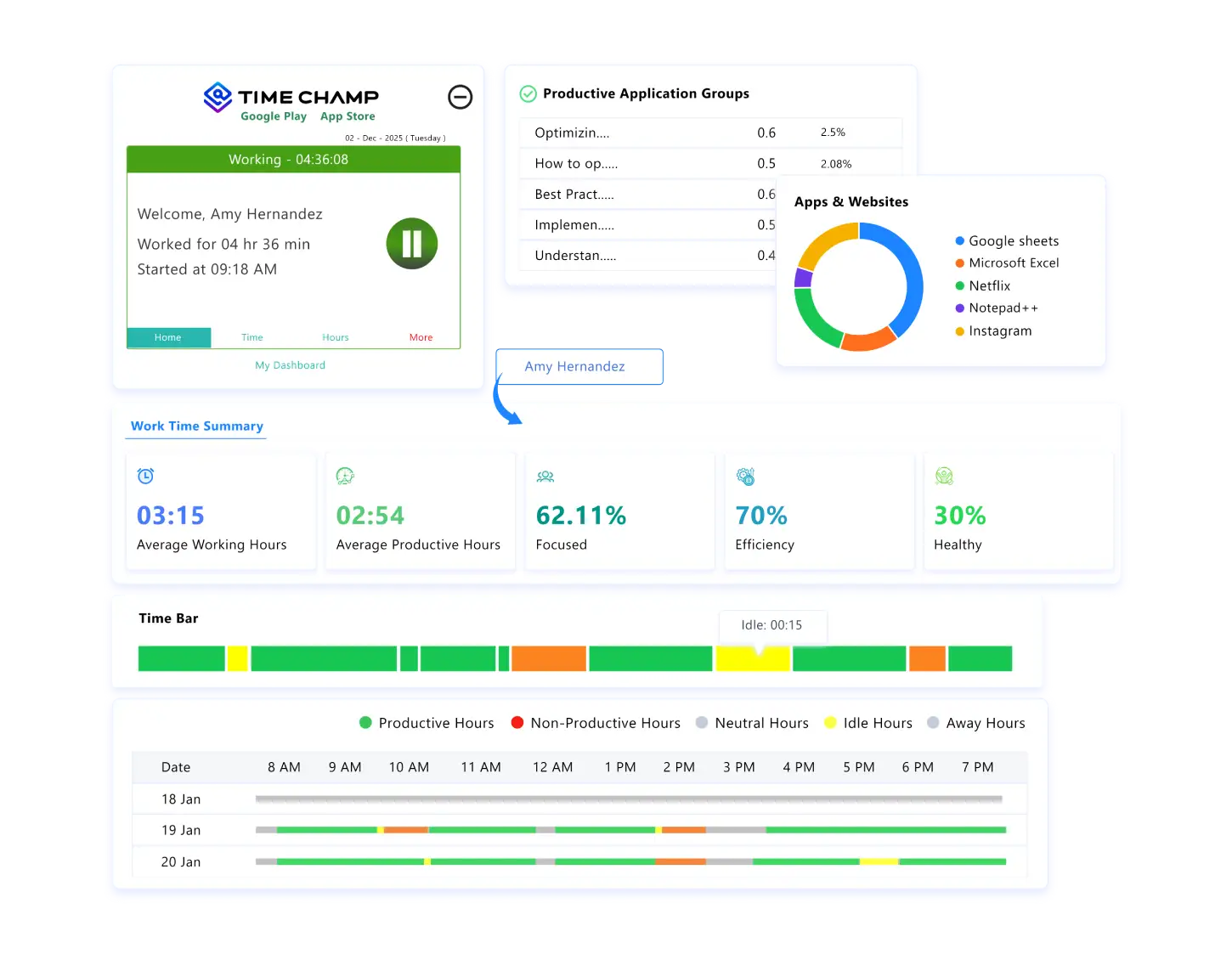
This transition allows site supervisors to view a live labor distribution map. Instead of waiting for weekly payroll reconciliation to determine if a project is over budget, managers can see which crews are exceeding their allotted hours on specific tasks. This immediate visibility is the cornerstone of effective site tracking, enabling proactive intervention rather than reactive damage control.
Core Benefits for Job Site Productivity
Improving site tracking through sophisticated time card systems offers several measurable advantages for project delivery.
Precision in Labor Allocation
Digital time cards allow for "project-based" clock-ins. Instead of a single punch for the day, employees log time against specific WBS (Work Breakdown Structure) codes. If the foundation phase of a project is estimated to require 400 man-hours, managers can monitor the consumption of those hours in real-time. If the crew hits 300 hours with only 50% of the work complete, the system alerts the project manager to investigate potential productivity issues or scope creep immediately.
Integration with Daily Logs
Modern time card systems often integrate with digital daily reporting software. When a worker clocks out of a specific task, the system can prompt them or the site supervisor to input production quantities—such as "500 square feet of drywall installed" or "100 cubic yards of concrete poured." By linking hours spent to physical units installed, the system provides a real-time productivity metric, commonly referred to as "Unit Cost Analysis."
Eliminating Administrative Redundancy
Manual time cards require manual transcription, which is a frequent source of errors and delays. Digital systems automate the flow of information from the field directly to payroll and project management software. This speed ensures that "site tracking" is based on current data, not information that is five to seven days old.
Technical Specifications and Implementation Requirements
For construction companies looking to upgrade their site tracking capabilities, understanding the infrastructure requirements is essential for a successful transition.
| Feature | Paper-Based Tracking | Digital Construction Time Cards |
|---|---|---|
| Data Latency | 3–7 Days | Instant / Real-time |
| Accuracy | Prone to human error | High (GPS and biometric verified) |
| Cost Coding | Manual / Omitted | Integrated / Automated |
| Compliance | Audit heavy | Automated record keeping |
| Productivity Link | Disconnected | Directly linked to job progress |
Prerequisites for Success
- Connectivity: Even in remote sites, mobile-first systems that allow "offline mode" are critical. The system must cache data and sync when a signal is restored.
- User Adoption: Field staff often resist new technology. Selection of a mobile interface that mirrors the simplicity of a punch clock is vital for high compliance.
- Hardware Selection: Decisions must be made regarding whether the company will issue ruggedized tablets, allow "Bring Your Own Device" (BYOD) policies, or install fixed kiosks at entry points.
- Integration Layer: The selected time card solution must have an API or pre-built connector to existing ERP or accounting software to ensure data flows seamlessly without manual intervention.
Common Pitfalls in Site Tracking Implementation
Even with advanced software, failures occur if the management process is flawed. One common mistake is "over-coding." If the system requires workers to select from 150 different cost codes, they will eventually select the first one they see to save time, leading to corrupted data. Simplifying the interface to include only relevant, high-level task codes increases the likelihood of accurate data entry.
Another pitfall is the failure to verify the location of the punch. Without geofencing or GPS stamping, the system lacks the ability to confirm that the employee was actually on the correct site when they clocked in. Implementing geofencing ensures that punches can only be initiated within the project boundaries, adding an essential layer of site security and attendance integrity.
Addressing Compliance and Safety
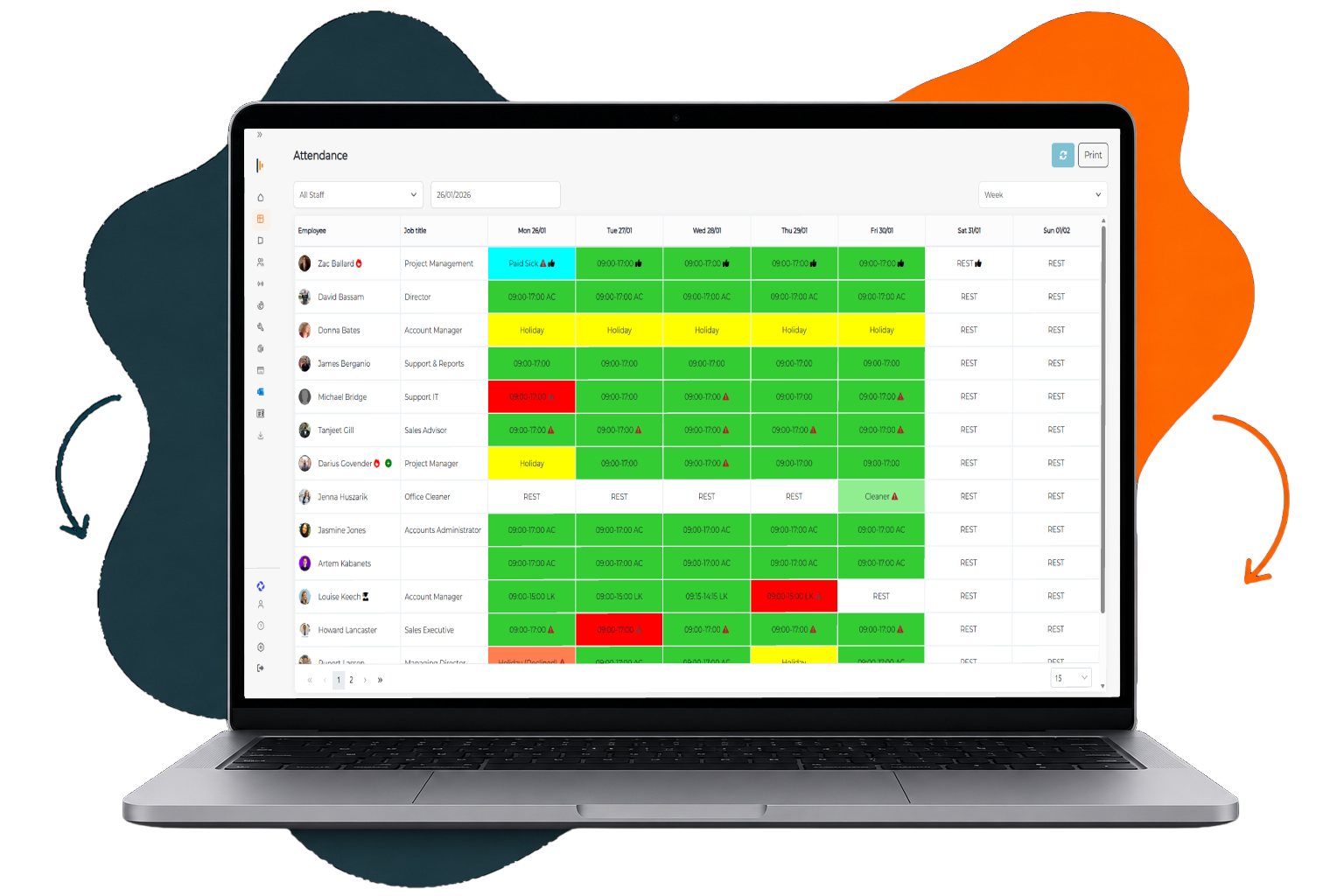
Site tracking is not solely about productivity; it is also a vital component of site safety and legal compliance. In the event of an emergency or evacuation, an accurate digital roster provides a definitive list of everyone checked into the facility. This replaces the outdated practice of headcounts, which can be inaccurate in large or complex environments. Furthermore, automated time tracking ensures consistent adherence to labor laws regarding break times and overtime, providing a digital paper trail that protects the firm during Department of Labor or OSHA audits.
Frequently Asked Questions
How does geofencing within time card software improve site security? Geofencing restricts the ability to clock in or out to a specific geographic perimeter around the job site. This prevents "buddy punching" from off-site locations and ensures that labor hours are strictly attributed to the site where the work is actually being performed.
Can digital time cards handle equipment tracking as well? Yes. Advanced systems allow for "equipment attribution," where an operator logs the hours a specific piece of machinery was used. This tracks the machine's usage, maintenance cycles, and fuel consumption alongside the labor costs.
What is the impact of mobile-first time tracking on payroll accuracy? Mobile-first systems eliminate the "guessing game" of paper timesheets. Because data is digital and verified via GPS, payroll departments spend significantly less time fixing clerical errors, which reduces the incidence of underpayment or overpayment of workers.
How does this improve client reporting? Detailed time logs provide transparency for owners and project stakeholders. If a client questions why a specific phase exceeded its budget, project managers can present itemized labor reports that correlate exactly with work completed during the relevant dates.
Do I need a high-speed internet connection on-site to use these systems? No. Most modern field-grade applications are built to operate offline. They store data locally on the device and perform a "handshake" with the central server once a reliable connection is established, ensuring that data integrity is maintained even in remote construction environments.
Final Recommendation
Transitioning to digital construction time cards should be treated as an operational infrastructure investment rather than just a payroll utility. To maximize your return, start by auditing your current cost codes to ensure they are lean and relevant. Select a platform that offers offline capabilities and seamless integration with your existing accounting system. Begin the rollout with a single project or a pilot crew to refine the data-collection process, then standardize the practice across all sites to achieve full visibility into your labor costs and project progress.
Image Gallery