2018 BMW M550i xDrive HP Overview: Performance, Specs, and Engine Depth
The 2018 BMW M550i xDrive delivers a factory-rated 456 horsepower and 480 lb-ft of torque from its 4.4-liter BMW M TwinPower Turbo V8 engine. This power allows the executive sedan to accelerate from 0 to 60 mph in just 3.9 seconds, mak...
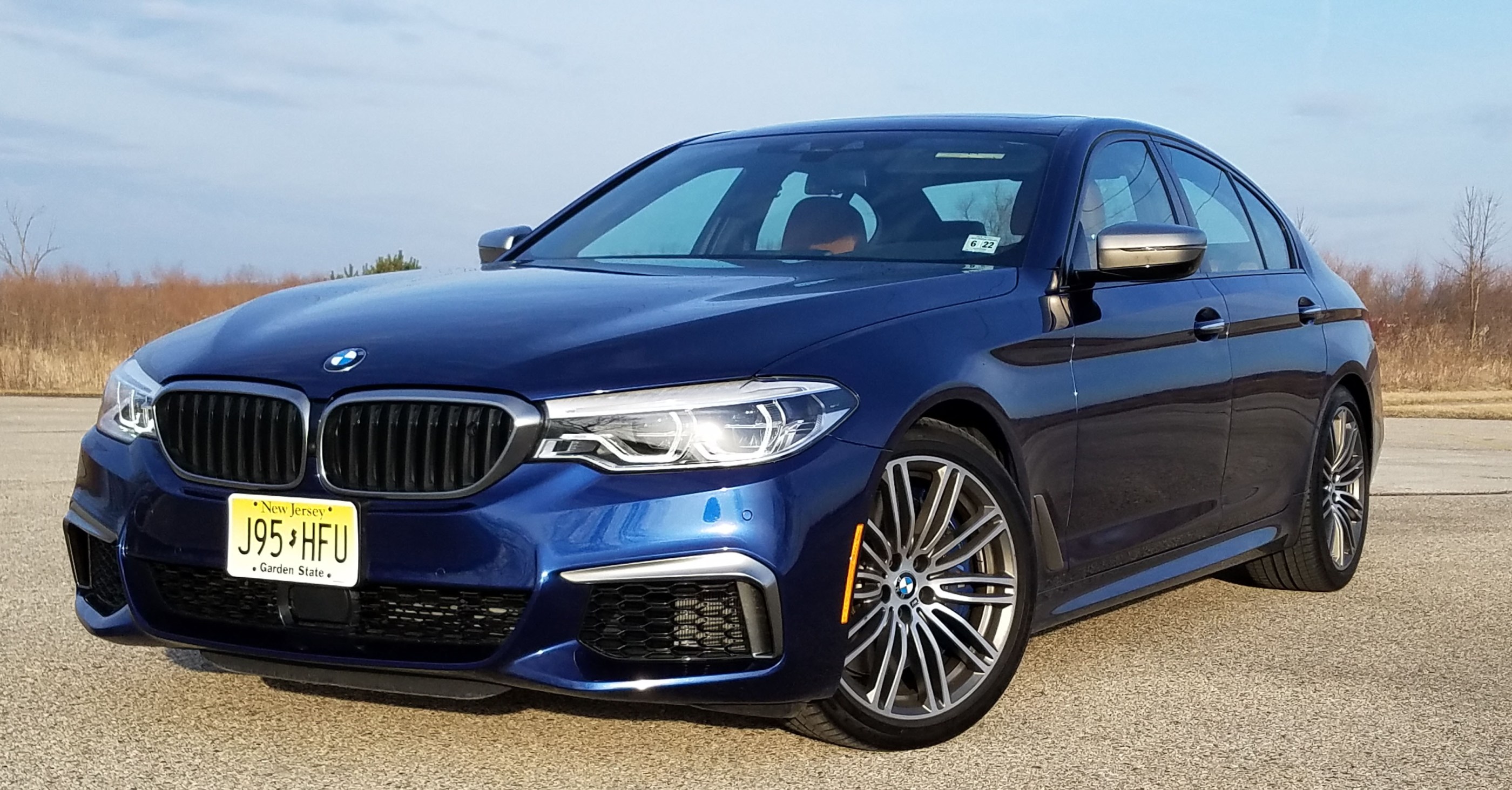
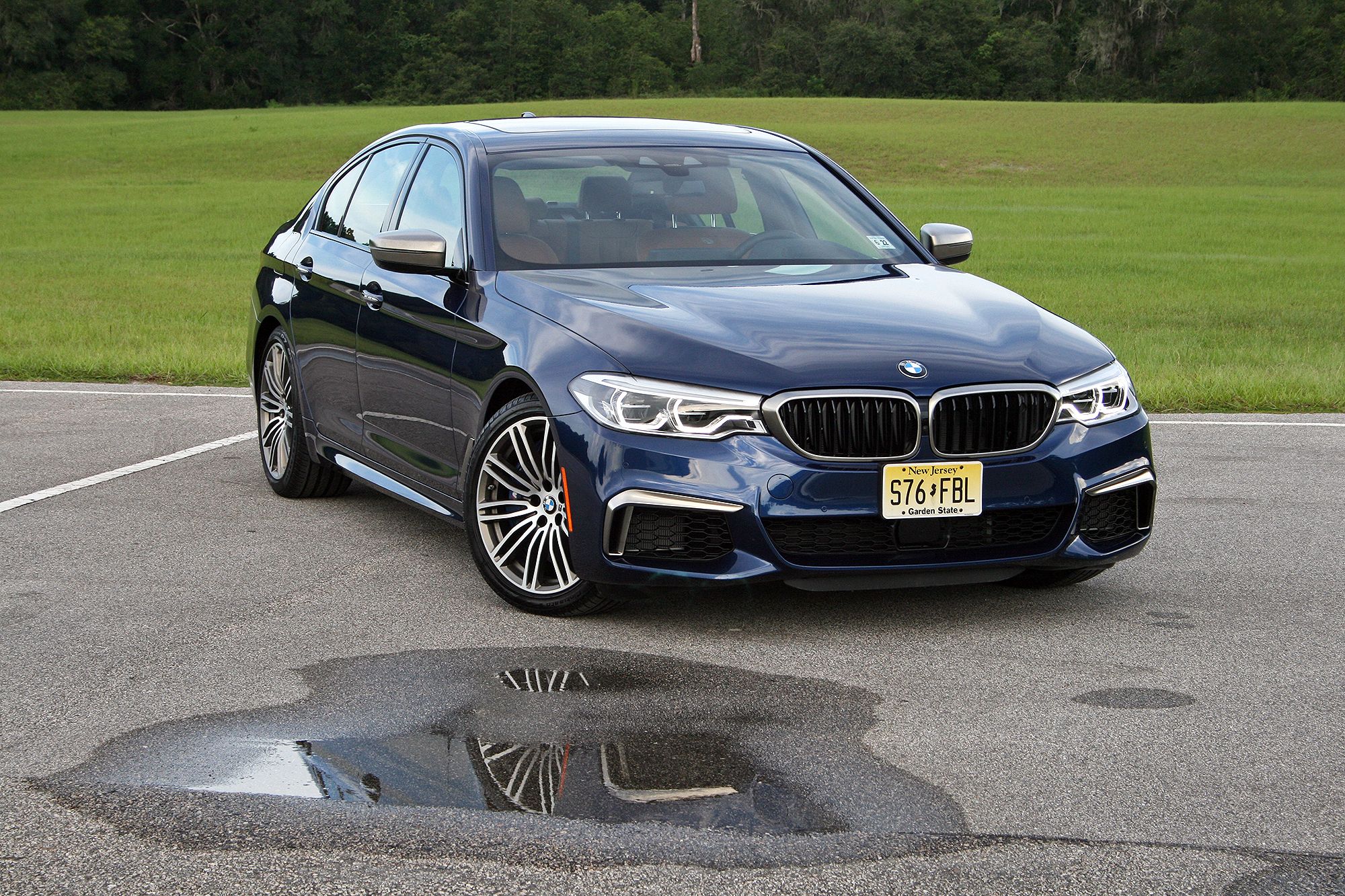
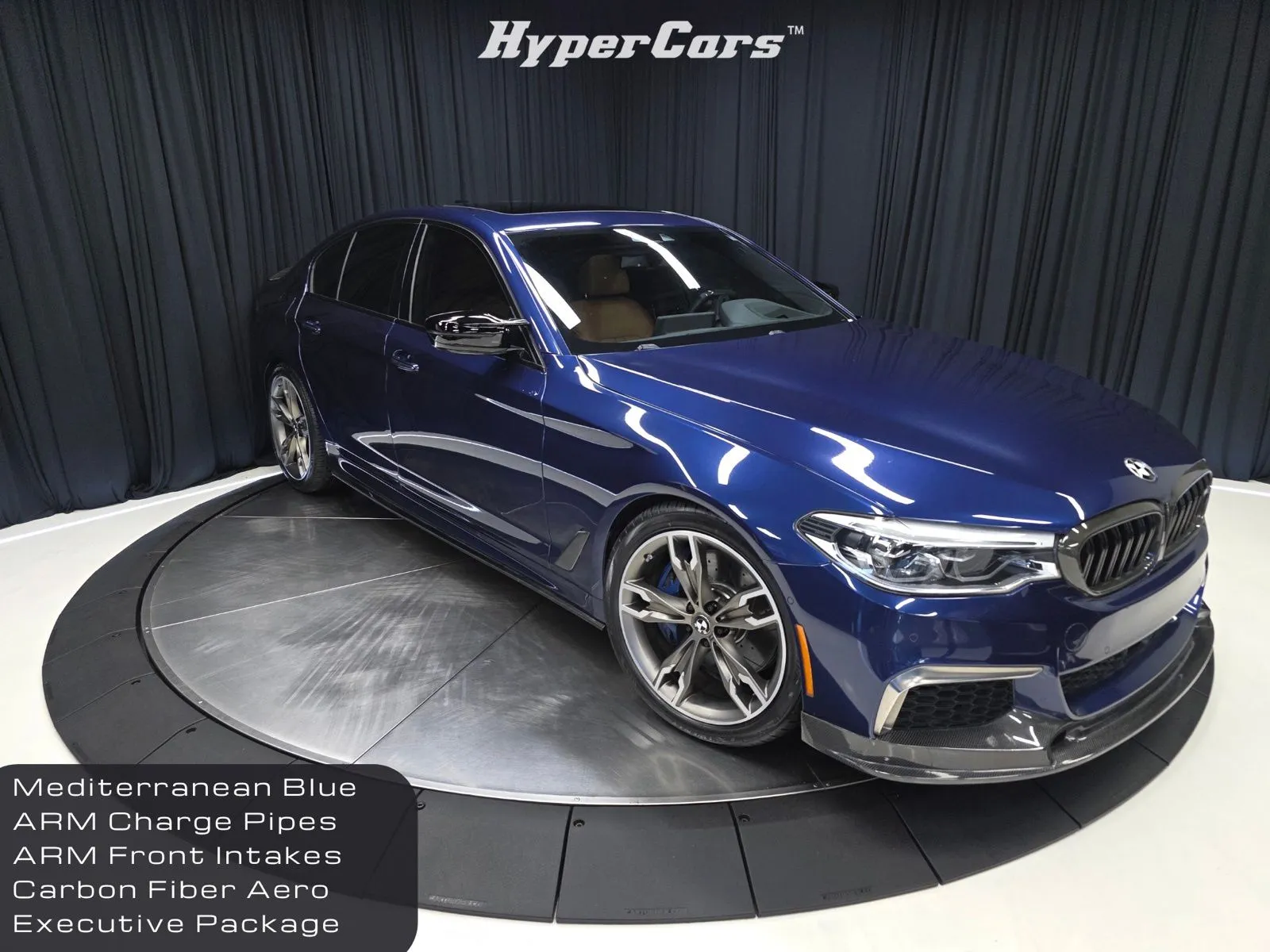
The 2018 BMW M550i xDrive delivers a factory-rated 456 horsepower and 480 lb-ft of torque from its 4.4-liter BMW M TwinPower Turbo V8 engine. This power allows the executive sedan to accelerate from 0 to 60 mph in just 3.9 seconds, making it faster than the previous generation (F10) M5.
Contents
Launched as part of the G30 5 Series generation, the 2018 M550i xDrive represented a new strategy for BMW: the "M Performance" model. It was designed to bridge the gap between the standard 540i and the high-performance M5. By combining a potent V8 with the xDrive intelligent all-wheel-drive system, BMW created an "executive express" that focused as much on refined grand touring as it did on sheer longitudinal acceleration.
As we look at this vehicle in 2026, it remains a highly sought-after pre-owned performance sedan, offering a specific blend of N63-series V8 power and modern G30 technology that still feels contemporary.
The Engineering Behind the 456 Horsepower: The N63TU2 V8
The heart of the 2018 M550i xDrive is the N63TU2 engine, a 4.4-liter, 90-degree V8. This specific iteration of the N63 engine family features several technical advancements over its predecessors to ensure consistent power delivery and improved thermal management.
The "Hot V" Configuration
One of the most defining technical features of this engine is the "Hot V" layout. Unlike traditional V8 engines where the exhaust manifolds are on the outside of the cylinder banks, BMW placed the two twin-scroll turbochargers and the catalytic converters inside the "V" space between the cylinder banks.
This design offers two primary advantages:
- Reduced Turbo Lag: The path from the exhaust ports to the turbochargers is significantly shorter, allowing for faster spooling and more immediate throttle response.
- Compact Packaging: It allows the engine to be more compact, which helps with weight distribution and engine bay heat management, though it does require a sophisticated cooling system to protect surrounding components.
Precision Injection and Valvetronic
To achieve 456 horsepower while maintaining efficiency, the N63TU2 utilizes High Precision Injection (direct injection) and Valvetronic fully variable valve lift. Valvetronic replaces the traditional throttle butterfly's function during most operating conditions, allowing the engine to "breathe" more freely and reducing pumping losses. This contributes to the wide torque plateau, where the full 480 lb-ft is available from as low as 1,800 RPM all the way up to 4,750 RPM.
2018 BMW M550i xDrive Technical Specifications
The following table summarizes the key performance and mechanical specifications for the 2018 model year.
| Feature | Specification |
|---|---|
| Engine Type | 4.4L V8 32V GDI DOHC Twin Turbo |
| Horsepower | 456 hp @ 5,500–6,000 rpm |
| Torque | 480 lb-ft @ 1,800–4,750 rpm |
| 0–60 mph | 3.9 Seconds |
| Top Speed | 130 mph (Limited) / 155 mph (Increased) |
| Transmission | 8-Speed ZF Automatic (8HP) |
| Drivetrain | xDrive Intelligent All-Wheel Drive |
| Curb Weight | 4,372 lbs |
| Fuel Economy (EPA) | 16 City / 25 Highway / 19 Combined |
Drivetrain and Power Application
While 456 horsepower is a substantial figure, the 2018 M550i's real-world speed is a product of how that power reaches the pavement. The combination of the xDrive system and the ZF 8-speed transmission is critical to its performance identity.
xDrive Intelligent All-Wheel Drive
The xDrive system in the M550i is rear-biased by default, preserving the traditional BMW handling characteristics. However, it can shift up to 100% of the torque to either axle within milliseconds when slip is detected. In the 2018 M550i, this system was tuned by the M Division to allow for more aggressive corner exits. Because the car can put all 456 horses to the ground through four contact patches, it avoids the traction issues that often plagued rear-wheel-drive V8 sedans of the era.
The ZF 8-Speed Steptronic Sport Transmission
The M550i utilizes a specially tuned version of the ZF 8HP automatic transmission. In "Sport+" mode, the shift times are significantly reduced, providing crisp, almost dual-clutch-like gear changes. The transmission is also linked to the vehicle’s navigation system (where equipped), allowing it to downshift proactively when approaching a corner or a highway exit, ensuring the engine is always in the optimal power band of 5,500 to 6,000 RPM.
Performance Comparison: M550i vs. The M5 and Competitors
In 2018, the M550i occupied a unique space. It was frequently compared to the F10 M5 (the previous generation) and the then-new F90 M5, as well as German rivals from Mercedes-AMG and Audi.
Internal Rivalry: M550i vs. F10 M5
Surprisingly, the 2018 M550i xDrive was faster to 60 mph than the F10 M5 (which took approximately 4.2 seconds). While the F10 M5 had more peak horsepower (560 hp), its rear-wheel-drive configuration struggled to match the off-the-line traction of the M550i’s xDrive system. This made the M550i the "faster" car in daily stoplight-to-stoplight scenarios, despite having lower rated horsepower.
External Competition
The primary competitors for the 2018 model were the Mercedes-AMG E43 and the Audi S6.
- Mercedes-AMG E43: Utilized a 3.0L V6 Biturbo producing 396 hp. The M550i significantly outperformed the E43 in both horsepower and 0-60 times (3.9s vs 4.5s).
- Audi S6: Featured a 4.0L V8 with 450 hp. While the horsepower figures were nearly identical, the M550i’s newer chassis and transmission tuning generally gave it the edge in acceleration and agility.
Chassis and Handling Dynamics
To manage the 456 horsepower, BMW equipped the M550i with several M-specific chassis upgrades as standard.
- Adaptive M Suspension: The ride height is lowered by 10 millimeters compared to a standard 5 Series. The electronically controlled dampers adjust in real-time to road conditions and driving style.
- M Sport Brakes: Large four-piston fixed calipers at the front and single-piston floating calipers at the rear (identifiable by their blue finish with the M logo) provide the necessary stopping power for a two-ton vehicle.
- Integral Active Steering (Optional): This rear-axle steering system allows the rear wheels to turn in the opposite direction of the front wheels at low speeds (for better maneuverability) and in the same direction at high speeds (for improved stability during lane changes).
Ownership and Reliability in 2026
With the 2018 BMW M550i xDrive now being eight years old, prospective buyers and current owners should be aware of the long-term behavior of the N63TU2 engine.
Common Maintenance Considerations
While the TU2 (Technical Update 2) version of the N63 engine resolved many of the oil consumption and cooling issues found in the original 2009–2013 versions, certain areas still require attention:
- Coolant Lines: The "Hot V" design creates immense heat. Over time, plastic coolant lines can become brittle. Many owners in 2026 opt for updated silicone or aluminum replacements.
- Battery Wear: Due to the sophisticated electronics and the energy required to start a large V8, the M550i is known for being hard on batteries.
- Tires: The xDrive system and the high torque output can lead to rapid tire wear, especially on the inner shoulders if the alignment is not checked regularly.
Aftermarket Power Potential
The 2018 M550i is a favorite in the tuning community. Because the engine is "detuned" relative to the M5, simple software recalibrations (Stage 1 tunes) can often push the horsepower from 456 to over 520 hp without hardware changes. However, this usually voids any remaining extended warranties and increases the thermal load on the turbochargers.
Frequently Asked Questions
What is the actual 0-60 mph time for the 2018 M550i?
While BMW officially claimed 3.9 seconds, several independent automotive publications recorded times as low as 3.7 or 3.8 seconds using launch control under ideal conditions. This discrepancy is common with BMW M Performance vehicles, which are often conservatively rated.
Is the 2018 M550i a "Real" M car?
The M550i is an "M Performance" vehicle, not a "Full M" car like the M5. It is designed to be a more comfortable, usable daily driver. It lacks the M5’s aggressive wide-body fenders, carbon fiber roof, and high-strung suspension, but it offers a smoother ride and more luxury-oriented features.
How does the 456 hp version differ from the 2020+ M550i?
In 2020, BMW updated the M550i with the N63TU3 engine, which increased output to 523 horsepower. The 2018–2019 models remain popular, however, because they are more affordable on the used market while still offering performance that exceeds the needs of most drivers.
Does the 2018 M550i require premium gasoline?
Yes, to achieve the rated 456 horsepower and prevent engine knocking, 91 or 93 octane (AKI) premium unleaded fuel is required. Using lower octane fuel will cause the engine management system to retard timing, resulting in reduced power and efficiency.
Practical Recommendation
If you are evaluating a 2018 BMW M550i xDrive in 2026, prioritize vehicles with a documented service history that includes frequent oil changes (every 5,000–7,000 miles rather than the 10,000-mile factory interval). The 456 horsepower N63TU2 engine is a robust powerplant, but its complexity demands proactive maintenance. For those seeking a blend of V8 soul and executive refinement without the harsher ride of a full M5, the 2018 M550i remains one of the best performance values in the sports sedan segment.
Image Gallery