Inclusive Sport: Frameworks, Adaptations, and Operational Implementation
Inclusive sport refers to the design, delivery, and governance of athletic programs that ensure individuals of all physical abilities, neurodivergent profiles, age groups, and social backgrounds can participate fully and meaningfully....
Inclusive sport refers to the design, delivery, and governance of athletic programs that ensure individuals of all physical abilities, neurodivergent profiles, age groups, and social backgrounds can participate fully and meaningfully. By modifying rules, environments, equipment, and coaching styles, inclusive sport removes barriers to physical activity and fosters equitable community engagement.
Contents
Across amateur clubs, educational institutions, and professional sports bodies, implementing inclusive principles requires shifting from a passive open-door policy to an active, structured framework of accessibility. While conventional athletics often segregates participants based on strict skill or physical capability thresholds, inclusive sport restructures activities so that diverse cohorts can train, compete, and socialise within shared or equitable environments.
Understanding Inclusion Sport: Core Concepts and Key Disambiguations
To build functional programs, sports administrators must distinguish inclusive sport from related operational models. While these terms are frequently conflated in public discourse, they represent distinct structural approaches to athletic participation.
The Inclusion Spectrum:
- Open Activity (Universal)
- Modified Activity (Rule/Equip Changes)
- Parallel Activity (Grouped by Ability)
- Separate/Adapted (Disability-Specific)
Inclusive Sport vs. Adaptive Sport vs. Integrated Sport
- Inclusive Sport: An overarching operational philosophy where mainstream sports activities are proactively designed or modified to welcome all participants regardless of disability, gender, background, or socioeconomic status. The goal is maximum participation within a shared environment.
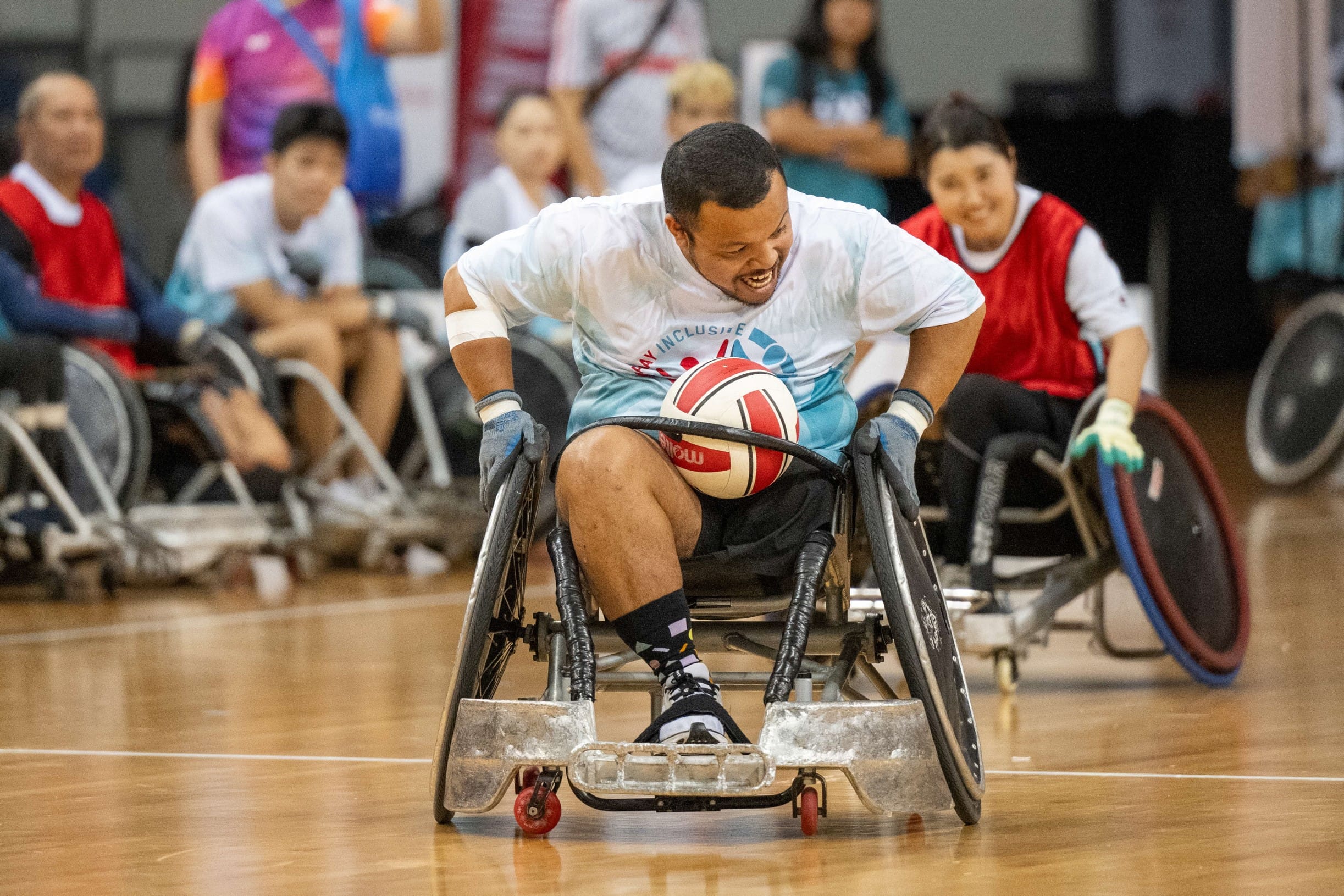
- Adaptive Sport: Programs, equipment, or rule sets specifically created or modified for individuals with specific physical, cognitive, or sensory disabilities. Examples include wheelchair basketball, sled hockey, and goalball. Adaptive sports can exist independently (such as Paralympic pathways) or be embedded within inclusive frameworks.
- Integrated (or Unified) Sport: Structured competition models where individuals with and without intellectual or physical disabilities play together on the same team under identical or standardized rules. Special Olympics Unified Sports represents a primary global implementation of this model.
The Inclusion Spectrum Model
Developed by sports educators to guide program adaptation, the Inclusion Spectrum provides five distinct pathways for participation:
- Open Activity: Everyone participates in the same activity with no modifications (e.g., standard distance running).
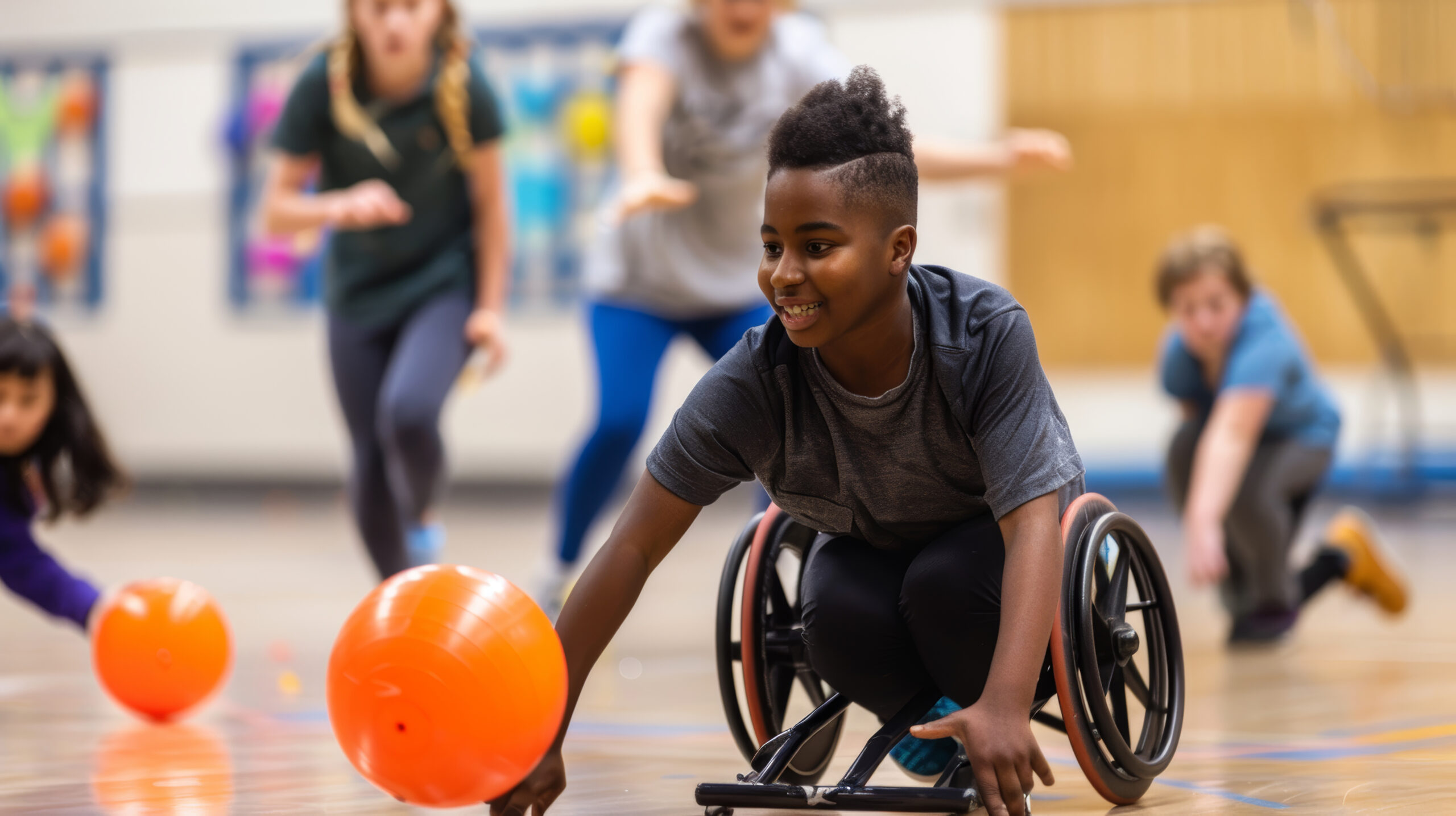
- Modified Activity: Everyone takes part in the same game, but rules, space, or equipment are altered to accommodate varying abilities (e.g., using a larger ball or modifying court dimensions).
- Parallel Activity: Participants play the same game alongside each other, grouped by ability levels or specific mobility needs (e.g., seated throwers competing alongside standing throwers in track and field).
- Separate Activity: A discrete session organized specifically for a target demographic to develop fundamental skills before transitioning into combined activities.
- Disability-Specific / Adapted Activity: Participation in recognized adapted disciplines (e.g., boccia or blind football) where non-disabled peers may join using adaptive apparatus.
The Social Model of Disability in Athletics
Inclusive sport relies fundamentally on the Social Model of Disability. Unlike the traditional medical model—which views disability as a personal deficit requiring cure or mitigation—the social model posits that disability arises from systemic barriers, inaccessible infrastructure, and rigid organizational structures. When a sports organization changes its net height, alters ball visibility, or provides multi-sensory coaching cues, it systematically eliminates the disabling factors of the sport.
Core Pillars of Inclusive Sports Program Design
Designing an inclusive sport environment requires addressing three interconnected operational dimensions: physical facility accessibility, tactical coaching adaptation, and institutional culture.
Pillars of Inclusive Sports Programing:
- Facility & Space Adapt.
- Barrier-free access
- Sensory environments
- Accessible transport
- TREE Coaching Model
- Teaching style
- Rules modification
- Equipment & Environment
- Social & Policy Equity
- Safe sport policies
- Financial access
- Cultural inclusion
1. Universal Design and Physical Accessibility
Physical accessibility extends beyond building code compliance (such as ramp angles or door widths). True universal design in sports facilities includes:
- Low-Friction Entryways: Threshold-free access to changing facilities, sidelines, playing fields, and spectator areas.
- Sensory Considerations: Provision of quiet zones or sensory relief spaces near high-decibel areas (such as indoor arenas) to accommodate neurodivergent athletes.
- Adaptive Changing Infrastructure: Adult changing tables, ceiling hoists, and non-gendered accessible restrooms capable of accommodating mobility devices and support personnel.
2. The TREE Adaptation Framework
Coaches and sports developers rely on the TREE model to adjust practices and games dynamically. By systematically modifying one or more of these four components, coaches can equalize competition without undermining the essence of the game.
- T – Teaching Style: Adjusting communication mechanisms. This includes using visual schedules, physical demonstration, simplified verbal cues, tactile guidance, or sign language interpreters.
- R – Rules & Regulations: Modifying competitive constraints. Examples include allowing multiple bounces in racquet sports, permitting seated play, altering zone boundaries, or allowing support runners.
- E – Equipment: Utilizing specialized or altered apparatus. Options range from auditory-tracking balls (containing internal bells) and lowered nets to high-visibility markers, lighter equipment, or specialized seating.
- E – Environment: Changing the spatial parameters of the activity. This includes reducing court size, adjusting lighting levels, minimizing background noise, or altering surface friction (e.g., moving from grass to hardpack).
3. Socioeconomic, Cultural, and Gender Equity
Inclusion in athletics requires removing non-physical barriers. Comprehensive program design incorporates:
- Financial Accessibility: Sliding-scale membership fees, equipment loan libraries, and transparent bursary programs.
- Cultural Safety: Inclusive scheduling that respects religious holidays, modest uniform policies that permit hijab or full-coverage attire, and culturally competent coaching standards.
- Gender-Affirming Policies: Clear guidelines for trans, non-binary, and gender-diverse inclusion across recreational and competitive tiers, aligned with current international safety and equity standards.
Comparative Analysis of Inclusion Sport Models
The table below outlines how different inclusive program models structure participation, equipment requirements, and governance focus across community and competitive sports settings.
| Inclusion Model | Target Participant Base | Rule & Equipment Modification Level | Governance & Policy Focus | Primary Operational Example |
|---|---|---|---|---|
| Universal / Open Inclusion | All skill levels, mixed physical and cognitive abilities | Minimal; relies on flexible play guidelines | Broad community health, unstructured access | Open-community park runs, recreational walking football |
| Modified Mainstream Sport | Integrated cohorts (disabled and non-disabled peers) | High; active use of the TREE framework | Skill progression, tactical equity, adaptive safety | Adapted tennis, modified touch rugby |
| Unified / Integrated Sport | Pairs of athletes with and without intellectual or physical disabilities | Medium; standardized rules to ensure balanced participation ratios | Fair-play compliance, equal roster contribution | Special Olympics Unified Sports (Basketball, Soccer) |
| Disability-Specific / Adapted | Athletes with specific sensory, mobility, or cognitive profiles | High; purpose-built apparatus (wheelchairs, sound balls) | Classification systems, elite performance pathways | Wheelchair Rugby, Goalball, Para-swimming |
| Parallel Activity | Mixed-ability groups training within shared facilities | Moderate; segmented by capability bands | Facility allocation, co-coaching management | Track and field seated/standing throws training |
Operational Steps to Implement Inclusive Sport in Community Organizations
Transitioning a sports organization toward an inclusive model requires systematic operational execution. Sports managers and athletic directors should follow this five-step implementation roadmap.
- STEP 1: Institutional Inclusion Audit & Accessibility Review
- STEP 2: Resource Allocation & Adaptive Equipment Acquisition
- STEP 3: Staff Education & Inclusive Pedagogy Certification
- STEP 4: Policy Governance, Code of Conduct & Safeguarding
- STEP 5: Continuous Assessment & Participant Feedback Loops
Step 1: Institutional Inclusion Audit
Before launching programs, conduct a thorough assessment of existing infrastructure, policies, and staff readiness.
- Assess physical facility access points, changing rooms, parking, and spectator zones.
- Review existing club bylaws, registration forms, and codes of conduct to identify exclusionary language or policies.
- Survey current members and local disability advocacy networks to identify community demand and unmet service gaps.
Step 2: Resource Allocation and Adaptive Equipment Acquisition
Procuring adaptive equipment is often perceived as a cost barrier. Organizations can mitigate financial friction through strategic budgeting and partnerships:
- Establish equipment sharing agreements with local school districts, municipal leisure centres, or regional sports associations.
- Prioritize modular equipment (e.g., adjustable-height nets, sound-emitting balls, tactile boundary markers) that can be reconfigured across multiple sports disciplines.
- Apply for targeted sports inclusion grants offered by municipal councils, national governing bodies, and philanthropic foundations.
Step 3: Staff Education and Pedagogical Certification
Coaches, volunteers, and administrative staff require formal training in inclusive delivery techniques. Key operational training objectives include:
- Completing accredited module courses in inclusive coaching (e.g., recognized certifications from national sport organizations or adaptive sports federations).
- Training staff on person-first and identity-first language preferences within the disability community.
- Establishing safe transfer techniques for athletes moving between personal mobility equipment and adaptive sports devices (such as sports wheelchairs).
Step 4: Policy Governance, Code of Conduct, and Safeguarding
Formalize inclusive values into binding organizational documentation:
- Draft an explicit Inclusion and Diversity Policy outlining non-discrimination mandates, anti-bullying protections, and accommodations protocols.
- Establish anti-harassment safeguards tailored to vulnerable adult and youth demographics.
- Ensure participant registration forms allow individuals to list specific medical, access, or communication requirements confidentially.
Step 5: Continuous Assessment and Feedback Loops
Program success must be evaluated continuously through qualitative and quantitative metrics:
- Track longitudinal metrics on participant retention, attendance, and demographic representation.
- Conduct anonymous mid-season surveys focusing on participant enjoyment, safety, and felt inclusion.
- Establish an advisory committee that includes disabled athletes, community leaders, and coaching staff to audit program delivery annually.
Regulatory Standards, Governance, and Legal Frameworks
Inclusive sports delivery is shaped by legal, regulatory, and policy frameworks at the international, national, and municipal levels.
- International Frameworks
- UNESCO Physical Education & Sport Charter
- UN CRPD (Article 30: Cultural/Sport Life)
- National & Statutory Law
- Disability & Civil Rights Legislation
- National Sports Agency Directives
- Organizational Implementation
- NGB Inclusion & Safety Standards
- Venue & Facility Access Compliance
International Mandates
- UN Convention on the Rights of Persons with Disabilities (CRPD): Article 30 explicitly mandates that States Parties take appropriate measures to enable persons with disabilities to participate equally in mainstream and disability-specific sports activities.
- UNESCO International Charter of Physical Education, Physical Activity and Sport: Asserts that access to physical education and sport is a fundamental right for all human beings, emphasizing that physical activity must be free from discrimination based on ability, gender, age, or background.
Statutory and National Governance Requirements
National sports systems mandate equity compliance as a prerequisite for institutional funding. Sports organizations operate under statutory duties requiring reasonable adjustments in facility access and program delivery. Failure to provide equitable access can expose clubs to legal liability, loss of government accreditation, or structural funding clawbacks.
Risk Management and Liability in Adapted Physical Activity
A common barrier to implementing inclusive sports programs is institutional risk aversion. Administrators often express concern regarding liability, insurance coverage, and participant safety when modifying mainstream rules. To manage risk effectively:
- Work within Recognized Adaptation Guidelines: Utilize published adaptation framework standards established by national governing bodies (NGBs) or international adaptive sports federations.
- Ensure Standardized Equipment Safety Checks: Conduct routine inspections on all adaptive apparatus (e.g., checking frame integrity, harness stability, and wheel alignment on sports wheelchairs).
- Maintain Inclusive Risk Assessments: Replace blanket exclusions with individual risk assessments that focus on capability, supported participation, and tailored safety controls rather than automated medical disqualification.
Common Challenges and Risk Mitigation Strategies
Implementing inclusive sport programs presents operational hurdles. The table below outlines frequent challenges alongside actionable mitigation strategies.
| Challenge | Mitigation Strategy |
|---|---|
| Financial & Adaptive Equipment Costs | Modular equipment, regional libraries |
| Tokenistic Inclusion Practices | Authentic engagement & governance |
| Coach Hesitancy & Skill Gaps | Practical training on TREE framework |
| Participant Classification Friction | Ability-based recreational banding |
1. Financial and Adaptive Equipment Costs
- Challenge: High capital expenditure for specialized apparatus (e.g., sports wheelchairs, handcycles, visual impairment guides).
- Mitigation Strategy: Establish regional equipment loan libraries, partner with local disability services organizations, and utilize modular apparatus that can serve multiple sports disciplines.
2. Tokenism vs. Authentic Inclusion
- Challenge: Including individuals with disabilities or underrepresented groups superficially without integrating them into meaningful play or club decision-making.
- Mitigation Strategy: Implement authentic inclusion metrics that track active playing time, involvement in strategic play, and representation on club boards and governance committees.
3. Coach Hesitancy and Skill Gaps
- Challenge: Mainstream coaches feeling unqualified to adapt sessions for disabled or neurodivergent participants.
- Mitigation Strategy: Deliver practical, micro-credentialed workshops focused on the TREE model. Frame inclusive coaching as sound coaching pedagogy rather than medical management.
4. Classification and Competitive Fairness Friction
- Challenge: Balancing meaningful competitive balance with open inclusion in mixed-ability tournaments.
- Mitigation Strategy: Utilize functional performance bandings rather than strict diagnosis-based classifications in recreational and semi-competitive environments.
Frequently Asked Questions
What is the primary difference between inclusive sport and adaptive sport?
Inclusive sport is an operational approach that adapts mainstream athletic environments so people of all abilities and backgrounds can participate together. Adaptive sport refers specifically to sports designed or modified for individuals with specific disabilities (such as goalball or wheelchair rugby). Adaptive sports can exist within an inclusive sports program or operate as standalone competitive pathways.
How does the TREE framework assist coaches in real-time session planning?
The TREE framework provides coaches with four operational levers—Teaching style, Rules, Equipment, and Environment—that can be adjusted on the fly. If an athlete experiences difficulty participating in a standard drill, the coach alters one of these components (e.g., using a lighter ball or shrinking the court size) to enable full participation without changing the fundamental objectives of the activity.
Are coaches required to hold medical or clinical qualifications to lead inclusive sports?
No. Inclusive sports coaching requires sound pedagogical skills, empathy, and knowledge of sport adaptation frameworks—not medical credentials. Coaches should focus on functional athletic capability, clear communication, and safe sport practices. When specific medical parameters exist, basic participant-led safety profiles provide sufficient guidance for safe operation.
How can community sports clubs fund expensive adaptive equipment?
Clubs can reduce equipment costs by partnering with municipal sports trusts, accessing government accessibility grants, joining regional equipment loan schemes, and seeking community sponsorships. Many sports organizations also pool resources with neighboring clubs to purchase shared adaptive gear.
What is Special Olympics Unified Sports, and how does it relate to inclusion sport?
Special Olympics Unified Sports is a formal sports model that pairs individuals with intellectual disabilities (Unified partners) and individuals without intellectual disabilities (athletes) on the same competitive teams. It serves as a structured, globally recognized implementation of integrated inclusive sport.
Practical Recommendations for Sports Administrators
To transition an organization toward sustainable inclusive sports delivery, take these immediate actions:
- Conduct an Immediate Accessibility Baseline: Perform a comprehensive audit of your physical facilities, digital registration platforms, and program delivery frameworks using established universal design checklists.
- Adopt the TREE Model in Coaching Guidelines: Incorporate the TREE adaptation model into standard coaching resources, session planning templates, and coach development pathways.
- Engage Community Advocacy Groups: Establish formal advisory links with local disability advocacy organizations, neurodiversity networks, and community equity groups before launching new initiatives.
- Formalize Safeguarding and Access Policies: Update club bylaws and operational documentation to guarantee clear non-discrimination standards, financial support mechanisms, and inclusive code of conduct enforcement.
Image Gallery