Guide to the Whitley County Detention Center in Williamsburg, KY: Policies and Procedures for 2026
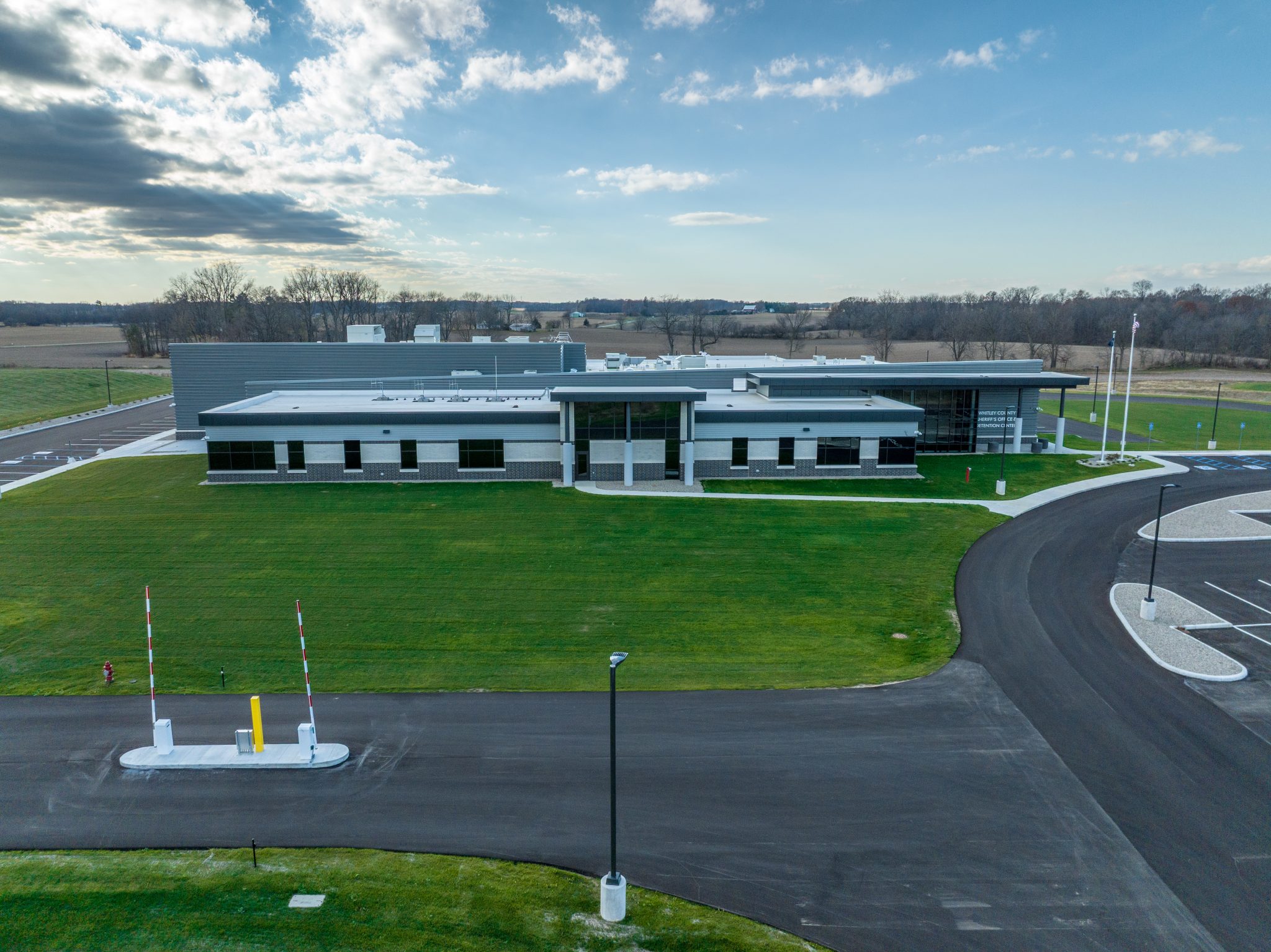
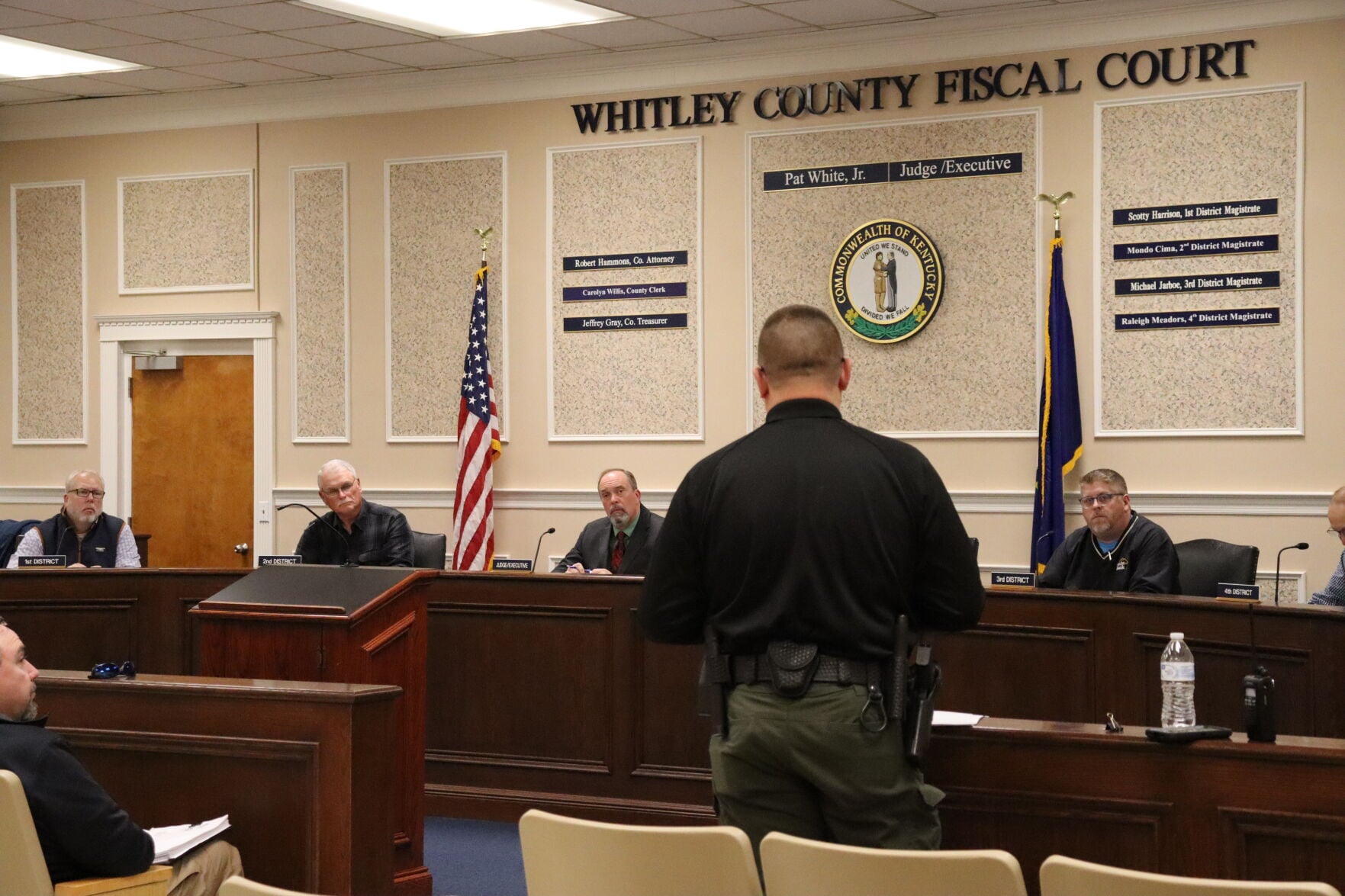
The Whitley County Detention Center, located at 200 Callebs Creek Road in Williamsburg, Kentucky, serves as the primary secure correctional facility for the county. Managed by the Whitley County Fiscal Court, this facility holds indivi...
The Whitley County Detention Center, located at 200 Callebs Creek Road in Williamsburg, Kentucky, serves as the primary secure correctional facility for the county. Managed by the Whitley County Fiscal Court, this facility holds individuals awaiting trial or serving sentences for misdemeanor and felony offenses within the jurisdiction, adhering to all Kentucky Department of Corrections operational standards for 2026.
Contents
Understanding the Role and Jurisdiction of the Facility
The Whitley County Detention Center functions as a critical component of the local criminal justice infrastructure in Southeastern Kentucky. As a county-level facility, it is distinct from state penitentiaries, which are reserved for individuals convicted of more serious crimes and sentenced to long-term incarceration. The center is responsible for maintaining public safety while providing necessary oversight of detainees during the pre-trial phase or for those serving shorter sentences as determined by the Whitley County judicial system.
In 2026, the facility operates under specific regulatory frameworks established by the Commonwealth of Kentucky. These regulations ensure that all inmates are treated in accordance with constitutional mandates, including access to medical care, nutritional sustenance, and legal counsel. The facility is under the leadership of the elected Jailer, who holds the responsibility for the administration, security, and staffing of the detention center.
Essential Information for Visitors and Family Members
Navigating the logistics of visitation and communication with an incarcerated individual requires adherence to strict administrative protocols. Because the facility must balance security requirements with the rights of detainees to maintain family connections, the following guidelines are currently enforced as of 2026.
- Identification Requirements: All visitors must present valid, government-issued photo identification, such as a state driver’s license, passport, or military ID. Minors must be accompanied by a legal guardian and provide a birth certificate if requested.
- Scheduling Procedures: Visitation is often subject to availability and the classification level of the inmate. It is highly recommended to contact the facility’s administrative office at least 48 hours in advance to confirm current scheduling windows.
- Security Protocols: The lobby and visitation areas utilize metal detectors and non-intrusive search methods. Contraband, including electronic devices, bags, and unauthorized food or drinks, is strictly prohibited within the secure perimeter.
- Dress Code: The facility maintains a conservative dress code. Visitors should avoid transparent clothing, sleeveless tops, shorts above the knee, or attire with offensive imagery. Staff retain the authority to deny entry to anyone failing to meet these standards.
Communication Options for Inmates
For those looking to maintain contact with a loved one currently housed in the Whitley County Detention Center, the facility utilizes standardized communication platforms. These systems are designed to monitor and record interactions for safety purposes while ensuring consistent access for detainees.
Voice Communication Inmates are granted access to institutional phones during designated hours. These calls are typically processed through a third-party vendor system that requires family members to set up a prepaid account. Collect calls may be restricted based on the inmate's status and account limitations.
Messaging and Correspondence Paper mail is accepted, though it must adhere to strict security screening processes. All mail is subject to inspection for contraband. Photographs must be printed on plain paper and cannot contain suggestive or prohibited content. Digital messaging may be available through the facility’s approved electronic service provider.
Comparative Overview of Facility Services and Protocols
The following table summarizes the operational status and requirements for standard services provided at the Whitley County Detention Center in 2026.
| Service Category | Standard Requirement | Implementation Notes |
|---|---|---|
| Inmate Search | Official Name/DOB | Access via the Kentucky Online Offender System (KOOS). |
| Bail/Bond Payment | Court-Approved Only | Handled through the Clerk of the Court or licensed bail bondsmen. |
| Money Deposits | Online or Kiosk | Funds can be added to commissary accounts for food and hygiene items. |
| Legal Mail | Attorney Verification | Privileged mail is opened only in the presence of the inmate. |
| Medical Care | On-site Staff | Basic health triage provided; external referrals for emergency care. |
Commissary and Inmate Financial Management
The commissary system allows inmates to purchase supplementary hygiene products, writing materials, and approved snack items that are not provided by the facility. In 2026, the Whitley County Detention Center utilizes a digital account system to manage these funds.
Friends and family members are permitted to deposit funds into an inmate’s account. This can generally be accomplished via the provider’s website or through self-service kiosks located in the facility lobby. It is vital to obtain the correct inmate identification number before initiating a transfer, as errors in this data can delay the availability of funds to the detainee.
Frequently Asked Questions
How do I locate an inmate currently held in the facility? You can use the Kentucky Online Offender System (KOOS) to perform a public search. Ensure you have the full legal name and date of birth of the individual to ensure the search results are accurate.
Can I drop off clothing or personal items for an inmate? Generally, no. The facility provides all necessary clothing and hygiene items. Unauthorized packages are typically rejected or discarded for security reasons. Exceptions are occasionally made for court-required clothing, which must be coordinated through the detainee's legal counsel.
What is the process for bailing an inmate out? The amount and conditions of bail are set by the judge at the initial arraignment. Once the bond is set, payment must be processed through the circuit court clerk’s office or a certified bonding agency, which then notifies the detention center to initiate the release process.
Are video visitation sessions available? Yes, the facility has integrated remote video visitation options to reduce the need for physical travel. These sessions must be scheduled through the designated service vendor and are subject to the same conduct rules as in-person visits.
How do I send a letter to an inmate? Mail must be addressed clearly with the inmate's full name and the facility's mailing address. Ensure the return address is included on the envelope. Do not include glitter, stickers, or perfume, as these items can lead to the mail being confiscated.
Important Considerations Regarding Legal Counsel
If a friend or family member is currently detained, the most critical step is ensuring they have adequate legal representation. Public defenders are assigned to those who meet the financial criteria, while others may choose to hire private counsel. Attorneys have specific visitation rights that differ from standard visitor protocols, allowing them to discuss case strategy in private, secure rooms. Always ensure that the attorney of record is provided with the correct inmate housing information to facilitate efficient coordination with the facility administration.
For further inquiries regarding specific policies or to address urgent matters, contact the Whitley County Detention Center directly through official administrative channels. Being proactive and respectful of facility guidelines will ensure the smoothest possible experience for all parties involved during the period of incarceration.
Image Gallery