Mastering Off Roading Tire Pressure: The Ultimate Guide to Traction and Safety
Lowering your off roading tire pressure increases your tire's footprint, enhancing traction, absorbing impacts, and protecting vehicle suspension over rough terrain. Street-pressure tires bounce, slip, and puncture easily on rocks and...
Lowering your off roading tire pressure increases your tire's footprint, enhancing traction, absorbing impacts, and protecting vehicle suspension over rough terrain. Street-pressure tires bounce, slip, and puncture easily on rocks and sand, whereas deflated tires mold to obstacles, greatly improving grip and ride quality.
Contents
Understanding the Physics of Off Roading Tire Pressure
When driving on paved roads, high tire pressure—typically between 32 and 35 PSI for standard passenger vehicles—is necessary to minimize rolling resistance, maximize fuel economy, and ensure stable handling at highway speeds. However, asphalt dynamics do not apply in the dirt, mud, sand, or rock. When you reduce your tire pressure, you fundamentally alter how the rubber interacts with uneven surfaces.
Lowering tire pressure allows the sidewall of the tire to flex, creating a larger contact patch, commonly referred to as the "footprint." A larger footprint distributes the weight of the vehicle over a greater surface area. This distribution drastically reduces ground pressure per square inch, preventing the tires from sinking into soft mediums like sand or deep mud. Furthermore, a deflated tire acts as an additional shock absorber. Instead of transferring sharp impacts from rocks and roots directly to the suspension components, frame, and occupants, the tire carcass wraps around the obstacle. This compliance prevents jolting, protects delicate suspension parts, and maintains forward momentum where a stiff, fully inflated tire would spin or bounce off line.
Determining the Right PSI for Different Terrains
There is no single universal tire pressure that works for every off-road situation. The correct PSI depends heavily on your vehicle weight, tire construction, rim width, and the specific terrain you intend to conquer. Standard street pressure is entirely inadequate, but dropping too low risks catastrophic failure, such as unseating the tire bead from the wheel.
Different environments demand specific ranges of tire pressure adjustment. Understanding these baselines prevents mechanical damage and stuck vehicles while optimizing your vehicle's capability.
Sand and Dunes
Sand requires the lowest operating pressures because you need maximum flotation. As you drive over loose sand, tires act like paddles if they dig down. By dropping pressures down to 12 to 18 PSI, you lengthen the tire footprint, essentially creating a wide track that allows the vehicle to float over the top of the sand rather than plowing through it.
Rocks and Trails
Navigating rock gardens requires a balance between traction and sidewall protection. Standard off-road tires on traditional wheels are typically aired down to 15 to 20 PSI for rocky terrain. This allows the tread blocks to mold around sharp rocks, maximizing friction. If you drop much lower without specialized equipment, you risk pinching the sidewall against the wheel rim or burping air out of the bead.
Mud and Ruts
Mud demands wheel spin to clean out the tread voids, but it also requires a deep bite to reach firmer soil underneath. Pressures between 18 and 22 PSI usually strike the right balance, keeping the tire firm enough to slice through sloppy top layers while still offering enough flex to clean the tread blocks.
| Terrain Type | Recommended PSI Range | Primary Benefit | Main Risk |
|---|---|---|---|
| Sand / Dunes | 12 – 18 PSI | Maximum flotation and footprint | De-beading on sharp turns |
| Rocks / Trails | 15 – 20 PSI | Conformance to obstacles, grip | Pinch flats, sidewall damage |
| Mud / Slop | 18 – 22 PSI | Tread cleaning and bite | Loss of momentum if too low |
| Gravel / Dirt Roads | 25 – 30 PSI | Puncture resistance, stability | Slipping, harsh ride |
Essential Equipment for Airing Down and Up
Managing your tire pressure on the trail requires specific tools. Relying on guesswork or trailside gas station compressors is a recipe for frustration and potential stranding. Preparing your toolkit beforehand ensures you can adapt to changing trail conditions safely.
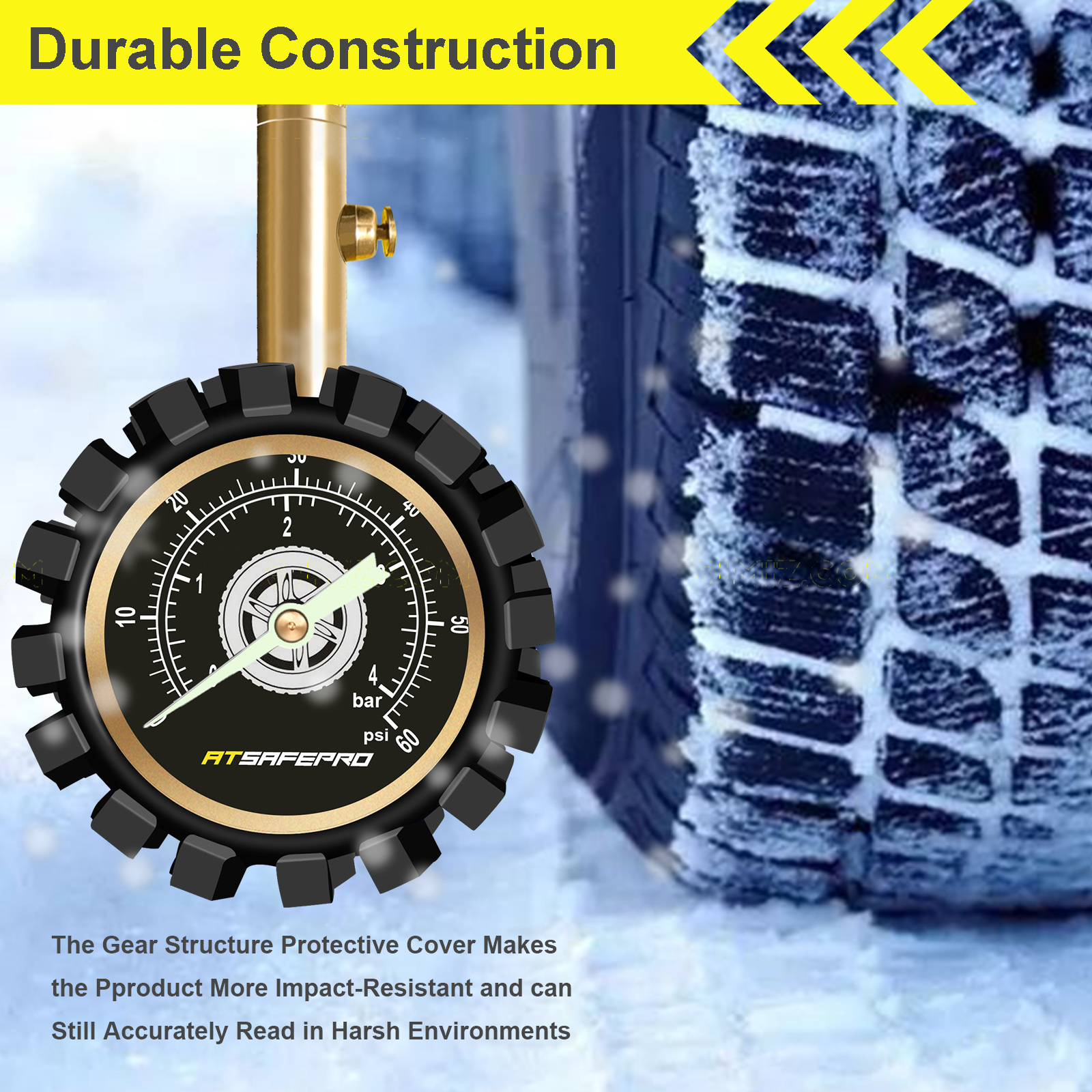
- Tire Pressure Gauge: A reliable, accurate analog or digital gauge is non-negotiable. Look for a gauge with a bleeding valve that lets you release air and check pressure simultaneously.
- Deflators: Manual pin-style deflators or automatic brass screw-on deflators save immense time. Automatic deflators stop at a preset PSI, allowing you to walk away while they do the work.
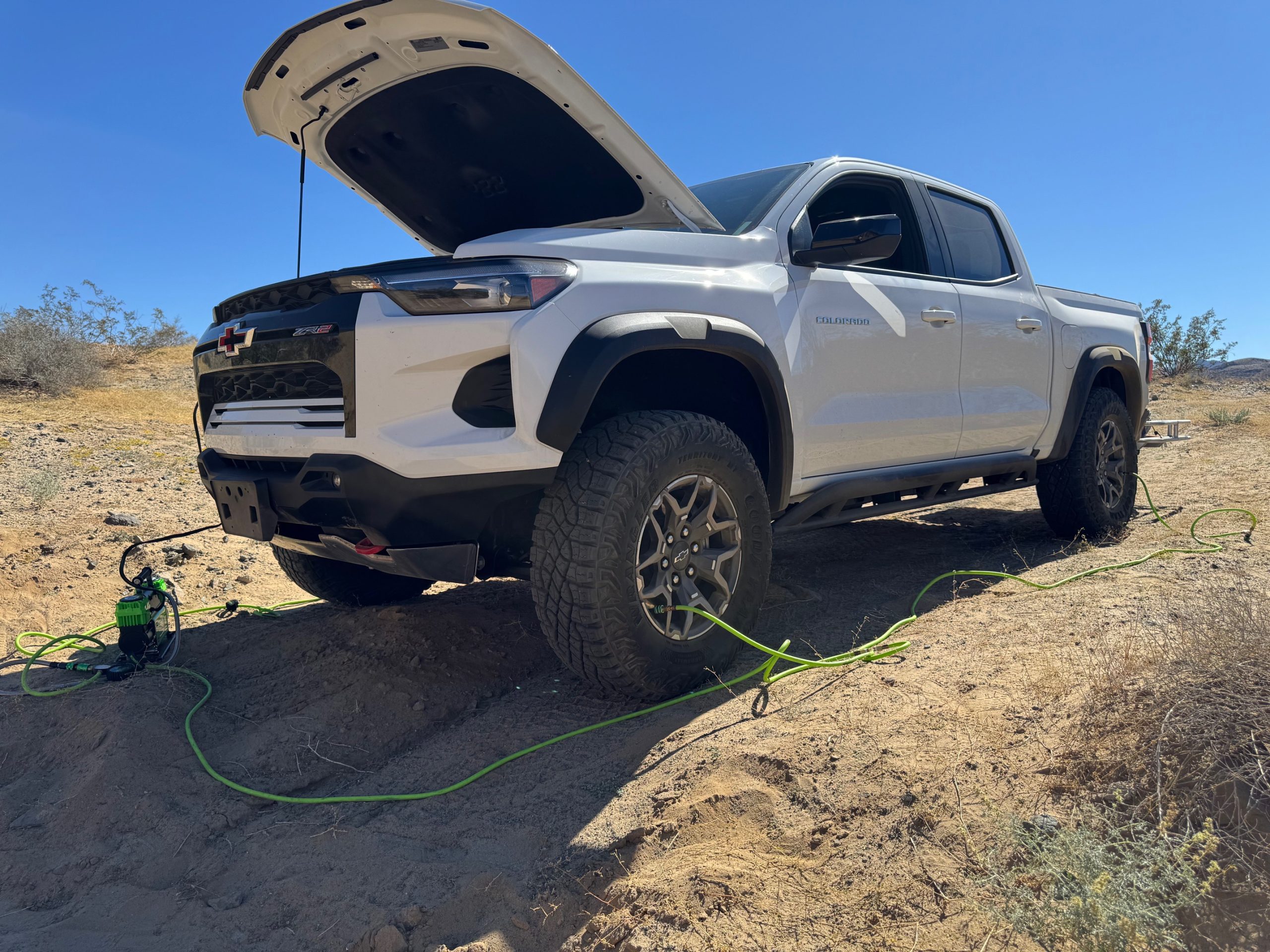
- Portable Air Compressor: Airing down is easy, but driving home at 15 PSI ruins your tires and handles dangerously on the highway. A heavy-duty, 12V direct-to-battery air compressor is mandatory to reinflate your tires before returning to pavement.
- Tire Repair Kit: Lowering pressure increases the chance of picking up a stray branch or nail in the tread. A plug kit and a set of long-nose pliers allow you to fix punctures trailside.
The Risks and Limitations of Low Tire Pressure
While airing down offers undeniable performance advantages, it introduces serious mechanical risks that every driver must manage. Ignoring these limitations can lead to stranded vehicles, expensive wheel damage, and dangerous handling characteristics.
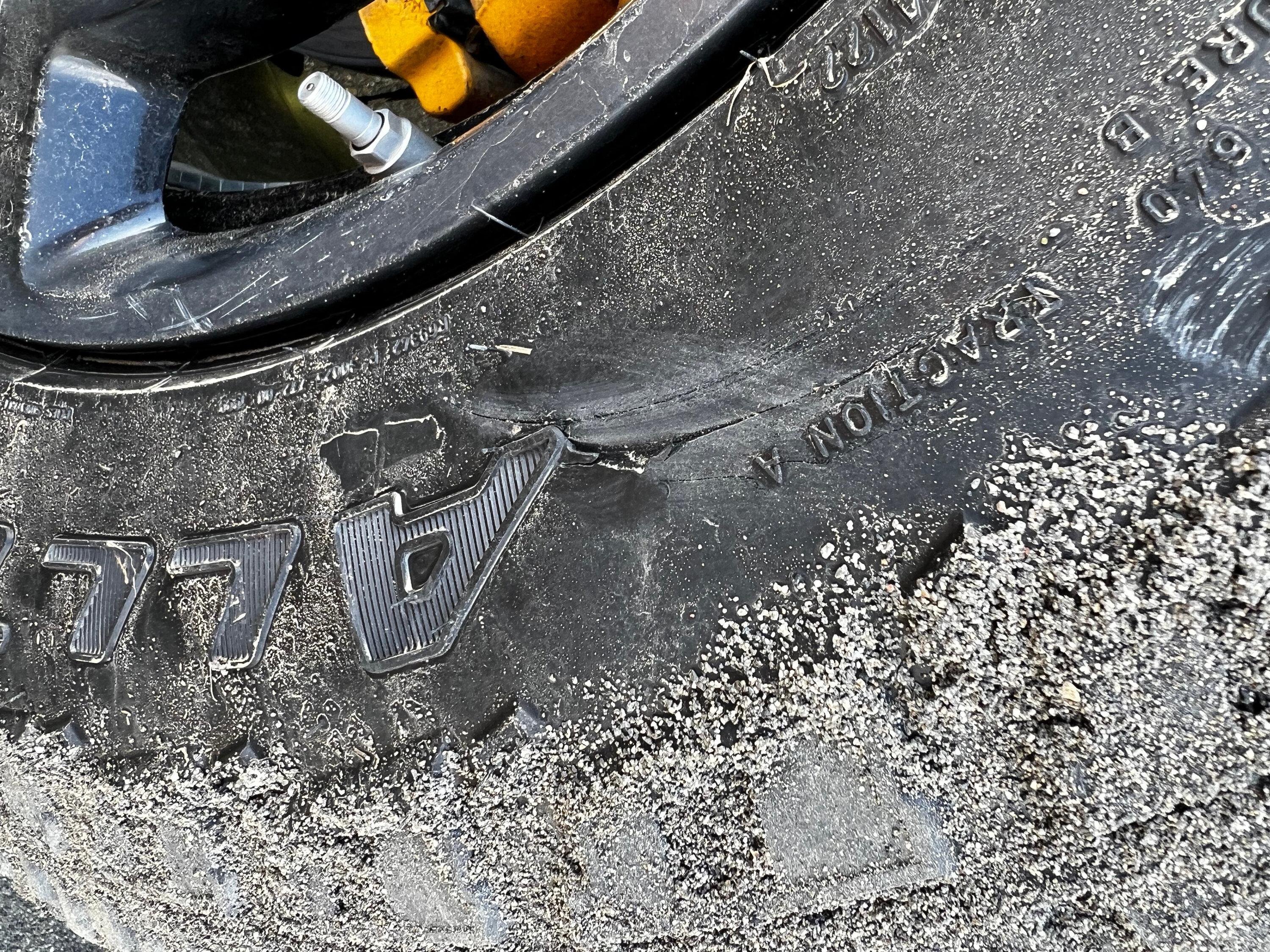
The most immediate danger of low tire pressure is unseating the tire bead—the edge of the tire that seals against the metal wheel rim. When a tire is running at 15 PSI, a hard lateral impact against a rock or a sharp turn under heavy throttle can force the tire bead away from the rim. Once the bead breaks, the remaining air escapes instantly, unseating the tire entirely and filling the cavity with dirt and debris.
Another critical risk is internal tire damage known as a pinch flat. If you drop your pressure too low for the vehicle's weight and hit a sharp rock at speed, the tire compresses completely, pinching the rubber sidewall between the rock and the hard edge of the wheel. This creates a catastrophic blowout or an unpatchable slash in the sidewall. Furthermore, low-pressure tires generate excessive internal heat at high speeds due to extreme sidewall flexing. Driving over 35 MPH on severely deflated tires can cause tread separation and tire failure.
Step-by-Step Guide to Airing Down Safely
Executing a proper tire pressure adjustment preserves your equipment and sets you up for a successful outing. Follow this sequential workflow before hitting the dirt.
- Park on Level Ground: Ensure your vehicle is parked securely in a flat area with the transmission in park and the emergency brake engaged before touching any valve stems.
- Calculate Your Target PSI: Determine your target pressure based on vehicle weight, tire load rating, and the specific terrain ahead. As a rule of thumb, do not drop below 50% of your street pressure without beadlock wheels.
- Remove Valve Caps: Take off all four valve caps and place them securely in your pocket or center console so they are not lost in the dirt or sand.
- Attach Deflators or Gauges: Use your chosen deflation method. Monitor the gauge closely if using manual pins, or let automatic deflators do their cycle.
- Verify All Four Corners: Check every tire with your handheld gauge to ensure uniform pressure across all four corners. Uneven pressure causes handling imbalances and unpredictable braking.
- Stow Gear and Proceed: Secure your air compressor, deflators, and tools in the cargo area before moving forward onto the trail.
Frequently Asked Questions
What happens if I drive on the highway with low tire pressure?
Driving at highway speeds with off-road tire pressures causes extreme sidewall flexing, generating rapid internal heat. This heat can lead to structural tread separation, sudden tire blowouts, and severely degraded handling and braking performance. Always reinflate your tires to manufacturer street specifications before returning to paved roads.
Do I need beadlock wheels to air down?
No, standard street wheels and tires can be safely aired down to about 15 to 18 PSI for most light-to-moderate off-road conditions. Beadlock wheels—which physically clamp the outer tire bead to the wheel—are necessary only when dropping below 12 PSI for extreme rock crawling or deep sand competition where lateral forces are severe.
How do I know my minimum safe tire pressure?
A good baseline test for non-beadlock wheels is the "sidewall bulge" method. At your target pressure, the sidewall should exhibit a noticeable, controlled bulge where it meets the ground, but the tire should never look like it is collapsing under the rim. Consulting your tire manufacturer's load and inflation tables provides precise mathematical minimums for your specific tire size and vehicle weight.
Can I air down tires with TPMS sensors?
Yes, modern Tire Pressure Monitoring Systems (TPMS) will illuminate a warning light on your dashboard when pressures drop below factory thresholds. This is normal and expected when airing down. Once you reinflate your tires back to street pressure upon returning to pavement, the sensors will automatically reset after a short period of driving.
Should I air down all four tires equally?
In most standard four-wheel-drive applications, all four tires should be kept at the exact same pressure. However, some drivers running heavily loaded expedition rigs with rear-heavy weight distributions may run slightly higher pressure in the rear tires to maintain load capacity and prevent excessive squatting.
Final Recommendations for Trail Success
Mastering off roading tire pressure transforms your vehicle's capability, turning impassable obstacles into manageable terrain while protecting your suspension from premature wear. Always pack a reliable dual-cylinder 12V air compressor, a trustworthy pressure gauge, and a heavy-duty tire repair kit. Take the time to air down before the trail gets rough, respect the physical limits of your tire sidewalls, and never drive above 35 PSI speeds on deflated rubber. When your day on the trail concludes, find a safe, level spot to reinflate completely before re-entering public highways.
Image Gallery