Comprehensive Guide to the NY UV Index: Understanding Solar Radiation in New York for 2026
The New York UV index measures the intensity of ultraviolet radiation from the sun across the state, scaling from 0 to 11+. Because New York experiences distinct seasonal shifts and high-altitude or reflective surface variations, daily...
The New York UV index measures the intensity of ultraviolet radiation from the sun across the state, scaling from 0 to 11+. Because New York experiences distinct seasonal shifts and high-altitude or reflective surface variations, daily UV monitoring is essential for preventing skin damage, eye strain, and long-term health risks.
Contents
Understanding the UV Index Scale and Meteorological Factors in New York
The Ultraviolet Index (UVI) is an international standard measurement of the strength of sunburn-producing ultraviolet radiation at a particular place and time. Developed by the World Health Organization (WHO), the United Nations Environment Programme, and the World Meteorological Organization, the scale communicates the risk of overexposure so individuals can take protective measures. In New York, the index fluctuates dramatically based on latitude, seasonal tilt, and local geography.
During the peak summer months of June, July, and August, major metropolitan areas like New York City, Albany, and Buffalo frequently register UV index values between 8 and 10, categorized as "Very High" to "Extreme." Conversely, during winter months, the index often hovers near 0 or 1, though snow reflection can amplify radiation levels unexpectedly.
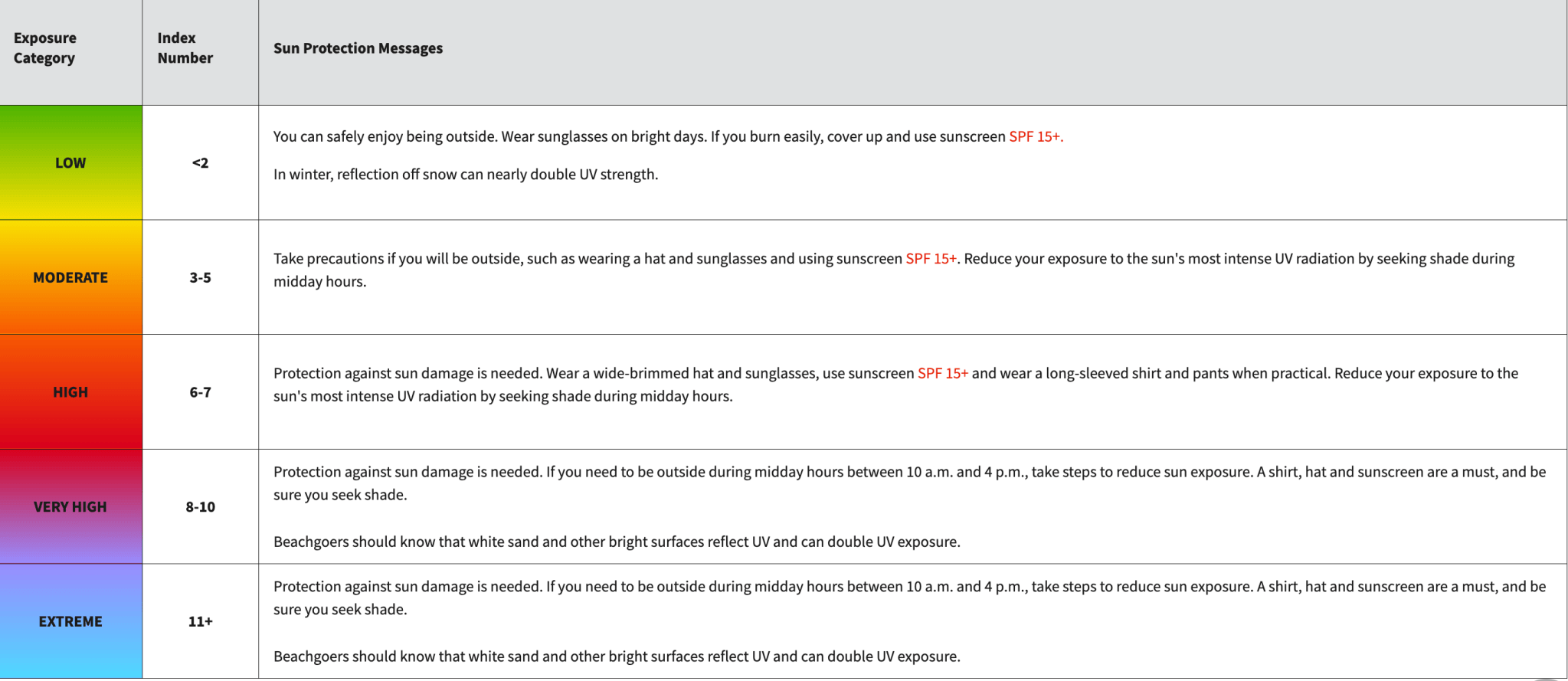
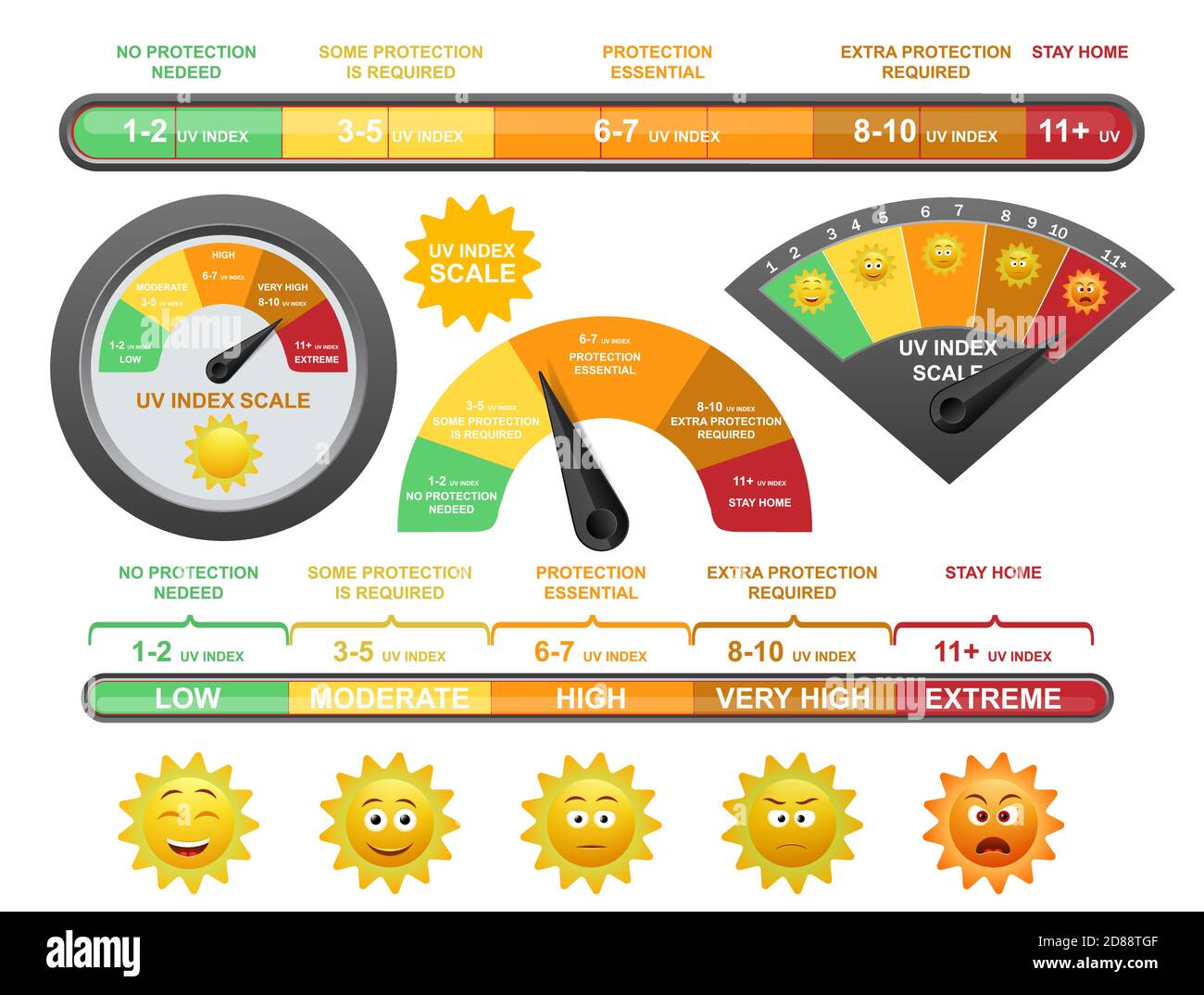
Understanding the standard exposure categories helps residents and visitors gauge immediate environmental threats:
- Low (0 to 2): Minimal danger from normal sun exposure. Sunglasses are recommended on bright days; snow reflection can double UV strength.
- Moderate (3 to 5): Moderate risk of harm from unprotected sun exposure. Stay in shade near midday, wear SPF 30+ sunscreen, and don a wide-brimmed hat.
- High (6 to 7): High risk of harm. Protection against skin and eye damage is essential. Reduce time in the sun between 10 a.m. and 4 p.m.
- Very High (8 to 10): Very high risk of harm. Skin and eyes can burn rapidly. Extra precautions are required; avoid direct sun exposure during peak hours.
- Extreme (11+): Extreme risk of harm. Take all precautions because skin and eyes can burn in minutes. Avoid all unnecessary sun exposure.
Seasonal Fluctuations and Geographic Variations Across New York State
New York’s diverse landscape—ranging from the coastal beaches of Long Island and the urban canyons of Manhattan to the peaks of the Adirondacks and the agricultural expanses of Western New York—creates varied microclimates for solar radiation. Altitude plays a notable role; for every 1,000 feet of elevation gain, UV radiation increases by approximately 2% due to thinner atmospheric filtering. This makes high-elevation hiking destinations like the High Peaks Region in the Adirondacks hotspots for intense solar exposure, even on cooler days.
Furthermore, environmental surfaces significantly alter UV exposure through reflection. Water reflects about 5% to 10% of UV radiation, sand reflects up to 25%, and fresh snow reflects up to 80%. Skiers in regions like Hunter Mountain or Whiteface Mountain face severe UV hazards during winter and early spring because solar radiation hits them from both above and below.
Geographic Exposure Factors in New York State
Coastal and Beach Zones: Long Island beaches experience high UV reflection from white sand and ocean water, compounding direct overhead radiation during peak summer weekends.
Urban Environments: The concrete and glass canyons of New York City create complex reflection patterns, bouncing UV rays between buildings and increasing ambient exposure for pedestrians.
Mountainous Regions: The Catskills and Adirondacks present elevated UV threats due to higher altitudes and intense snowpack reflectivity during late winter and spring seasons.
Health Impacts of Ultraviolet Radiation
Prolonged and unprotected exposure to ultraviolet radiation causes acute and chronic health complications. Dermatologists and public health organizations categorize UV radiation into three types: UVA, UVB, and UVC. Fortunately, the ozone layer absorbs harmful UVC rays completely. However, UVA and UVB rays reach the Earth's surface in New York and pose distinct biological challenges.
UVA rays penetrate deep into the dermis, accelerating skin aging, causing wrinkles, and contributing significantly to the development of skin cancers, including melanoma. UVB rays primarily affect the epidermis, causing painful sunburns and playing a primary role in the development of basal cell carcinoma and squamous cell carcinoma.
Protecting ocular health is equally critical. Cumulative UV exposure contributes to the development of cataracts, pterygium (growth on the clear membrane covering the eye), and photokeratitis (sunburn of the cornea). Utilizing sunglasses that offer 100% UV-400 protection is non-negotiable for outdoor workers, athletes, and daily commuters across the state.
Sun Protection Strategies and Daily Protocols
Mitigating the risks associated with high UV index readings requires a multi-layered defensive strategy. Relying on sunscreen alone is insufficient; experts recommend combining physical barriers, behavioral adjustments, and chemical protection.
Step-by-Step Daily Sun Safety Protocol
- Check the Local Forecast: Review the daily UV index forecast every morning via the National Weather Service, local meteorological reports, or environmental apps.
- Time Outdoor Activities: Schedule outdoor workouts, gardening, or recreational outings before 10 a.m. or after 4 p.m. when the sun's zenith angle is lower.
- Apply Broad-Spectrum Sunscreen: Apply a generous amount of broad-spectrum sunscreen with an SPF of 30 or higher to all exposed skin 20 minutes before going outside. Reapply every two hours, or immediately after swimming or heavy sweating.
- Wear UV-Protective Apparel: Choose tightly woven fabrics, long-sleeved shirts, and pants labeled with an Ultraviolet Protection Factor (UPF) rating of 50+ when possible.
- Secure Eye and Head Protection: Put on polarized sunglasses featuring 100% UV-A and UV-B absorption, paired with a wide-brimmed hat that shades the face, ears, and back of the neck.
Comparing Sun Protection Measures
To maximize safety, understanding the efficacy and practical application of various protective measures is vital. The table below outlines standard sun protection options available to New York residents.
| Protection Method | Primary Function | Efficacy Level | Recommended Usage |
|---|---|---|---|
| Broad-Spectrum SPF 30+ | Blocks/absorbs UVA and UVB rays chemically or physically. | High (when applied correctly) | Every exposed area; reapply every 2 hours. |
| UPF 50+ Clothing | Physically blocks UV radiation from penetrating fabric. | Very High | Daily outdoor work, hiking, and prolonged exposure. |
| UV-Blocking Sunglasses | Protects cornea, retina, and lens from UV damage. | Essential | Worn during all daylight hours outdoors. |
| Wide-Brimmed Hats | Shades face, ears, and neck from direct overhead rays. | High | Outdoor recreation, walking, and gardening. |
| Natural Shade (Trees/Umbrellas) | Reduces direct solar exposure significantly. | Moderate to High | Rest breaks during peak hours (10 a.m. to 4 p.m.). |
Common Mistakes and Misconceptions About UV Exposure
Many individuals misjudge environmental cues regarding solar radiation, leading to preventable skin damage and health complications. Clarifying these misconceptions ensures safer outdoor practices throughout New York.
- "It's cloudy, so I don't need sunscreen." Up to 80% of solar UV radiation passes through light clouds and fog. Overcast days in New York frequently trick people into skipping protection, resulting in severe burns.
- "Cooler temperatures mean lower UV danger." Temperature is determined by air masses and wind, not solar radiation intensity. Spring ski trips or crisp autumn hikes often yield high UV indexes despite chilly ambient air.
- "Darker skin tones do not burn or require protection." While melanin provides natural photoprotection, individuals with all skin types experience UV-induced cellular damage, photoaging, and skin cancer risks. Everyone benefits from daily SPF use.
- "Sunscreen applied once in the morning lasts all day." Chemical filters degrade over time when exposed to sunlight, and physical barriers rub off or wash away via sweat. Reapplication is mandatory for continuous defense.
Practical Recommendations for Outdoor Workers and Recreation Enthusiasts
New York hosts millions of active residents, from construction workers and landscapers to hikers in the Catskills and beachgoers in the Hamptons. Employers and individuals must prioritize occupational safety standards outlined by organizations like the Occupational Safety and Health Administration (OSHA).
If you spend prolonged hours outdoors, establish a routine of scheduling shaded breaks, keeping high-SPF sunscreen in your toolkit, and monitoring localized weather alerts. By respecting the power of the New York UV index, residents can safely enjoy the state's vast natural and urban landscapes year-round without compromising their long-term health.
Image Gallery