SRJ Jail Guide: Inmate Locator, Bail, Visiting, and Facility Rules
To locate an inmate, post bail, or arrange visitation at SRJ—most commonly referring to Santa Rita Jail in Alameda County, California—you must use the Alameda County Sheriff’s Office Inmate Locator or call the facility directly at (925...
To locate an inmate, post bail, or arrange visitation at SRJ—most commonly referring to Santa Rita Jail in Alameda County, California—you must use the Alameda County Sheriff’s Office Inmate Locator or call the facility directly at (925) 551-6500. Note: If you are searching for the Southern Regional Jail in West Virginia, custody records are instead managed through the West Virginia Division of Corrections and Rehabilitation.
Contents
Understanding SRJ: Facility Overview and Jurisdictions
The acronym "SRJ" primarily denotes the Santa Rita Jail, located in Dublin, California. Operating under the jurisdiction of the Alameda County Sheriff's Office (ACSO), it serves as the primary detention facility for the entire county, holding individuals awaiting trial, transfer, or serving county jail sentences.
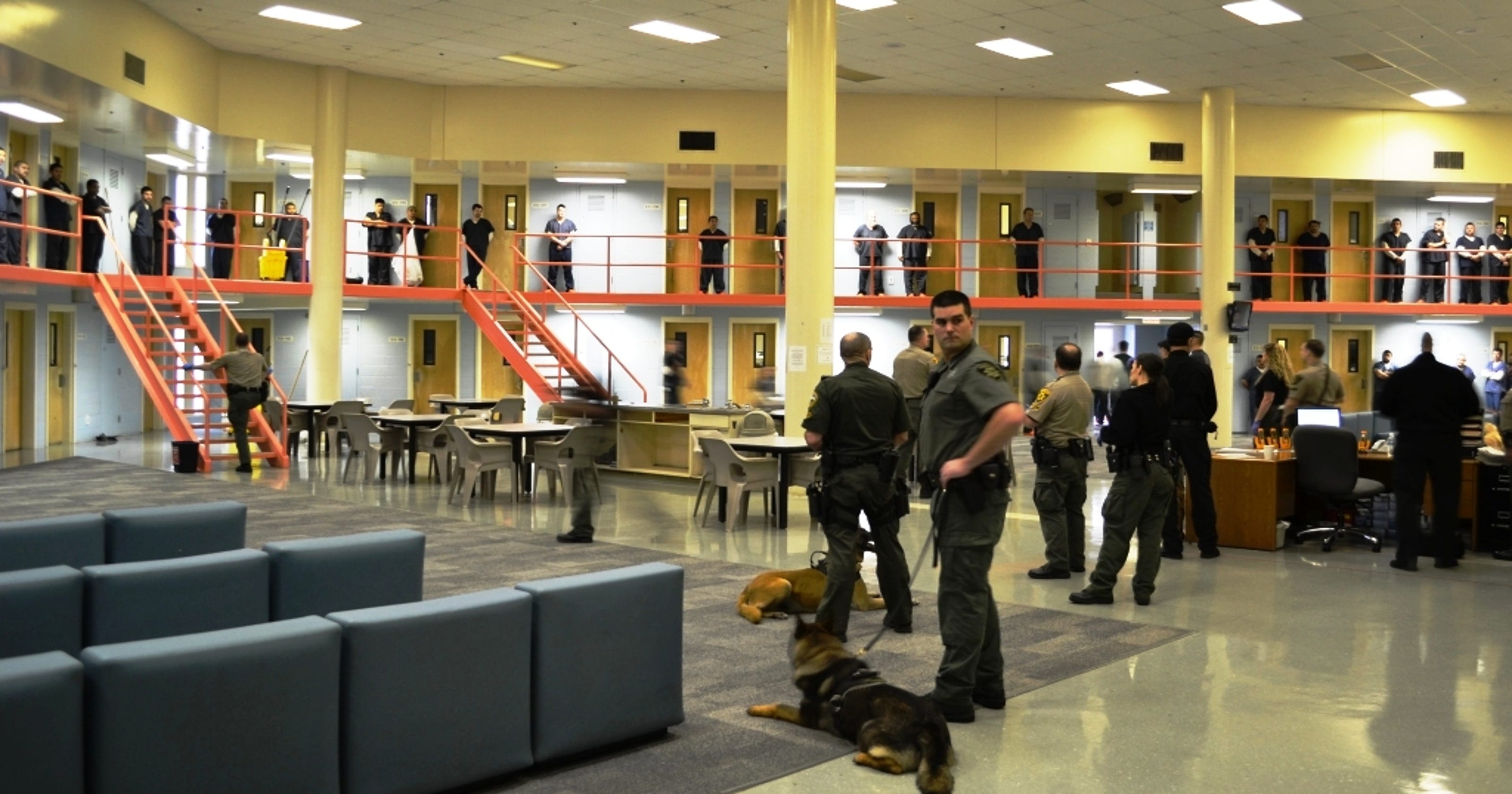
Santa Rita Jail is recognized as a mega-facility covering more than 113 acres. It operates a modern "podular" design consisting of distinct housing units (Pods) radiating from a central security spine. This structural configuration allows correctional staff to maintain direct and indirect supervision over diverse inmate classifications ranging from minimum-security individuals to high-profile administrative segregation units.
In secondary regional contexts, particularly across Appalachia, "SRJ" refers to the Southern Regional Jail and Correctional Facility in Beaver, Raleigh County, West Virginia. While both institutions share the initialism, their governing procedures, inmate trust systems, legal jurisdictions, and technological vendors differ substantially. This guide focuses on the policies, processes, and logistical realities of the Alameda County Santa Rita Jail, while outlining critical distinctions for families navigating the justice system.
Locating an Inmate at Santa Rita Jail
When an arrest occurs within Alameda County—whether conducted by the Oakland Police Department, Berkeley Police Department, California Highway Patrol, or county sheriff deputies—the arrestee is typically transported directly to Santa Rita Jail for intake and booking.
Locating an individual processed at the facility requires navigating specific public records databases:
1. Online Inmate Locator Tool
The Alameda County Sheriff's Office maintains a digital portal accessible via its public records portal. To initiate an accurate search, have the following information prepared:
- Complete legal first and last name (avoid nicknames or aliases).
- Date of birth (crucial for distinguishing between individuals with common surnames).
- Person File Number (PFN) or Booking Number, if already assigned.
The database displays current housing assignment, booking date, projected release date (if sentenced), pending charges, arresting agency, and bail amounts associated with each specific count.
2. Automated Phone Inquiry
If internet access is unavailable or an inmate has been booked within the last two to four hours, online databases may not yet reflect their active housing record. Relatives and legal counsel can contact the Santa Rita Jail Records Division:
- Main Facility Phone: (925) 551-6500
- Automated Custody Information Line: (925) 551-6570
3. Statewide and National Victim Notification (VINE)
Victims of crime and concerned relatives can register through the California VINE (Victim Information and Notification Everyday) system. Once registered by offender name or booking number, the system issues automated text, phone, or email alerts upon any change in custody status, housing unit relocation, bail qualification, or immediate release.
Booking, Intake, and Bail Procedures
The intake cycle at Santa Rita Jail is a multi-step administrative and clinical process that routinely takes between 4 and 12 hours depending on facility intake volume, medical clearance requirements, and staffing levels.
Intake Sequence: Arrest & Transport -> Triage / Medical Screening -> Personal Property Intake -> Fingerprinting & Live Scan -> Warrant Checks -> Housing Classification / Bail Setting
Step 1: Clinical Triage and Medical ScreeningEvery individual entering SRJ undergoes an initial evaluation by facility medical staff to identify acute physical injuries, psychiatric emergencies, chronic pharmaceutical requirements, substance withdrawal risks, or contagious illnesses.
Step 2: Property Inventory and Live ScanPersonal effects, including legal identification, currency, jewelry, and cell phones, are cataloged into an institutional property voucher. The arrestee undergoes biometric Live Scan fingerprinting to cross-check county, state (California Department of Justice), and federal (FBI) warrant repositories.
Step 3: Bail Determination and Court Appearance WindowsBail is determined according to the Alameda County Uniform Bail Schedule unless the offense involves non-bailable charges, domestic violence holds, or active probation/parole violations. If bail is not posted, the individual must be presented before a judge at the appropriate Alameda County Superior Court branch within 48 court hours of arrest, excluding weekends and official judicial holidays.
Methods for Posting Bail at Santa Rita Jail
Bail can be satisfied 24 hours a day, 7 days a week at the Santa Rita Jail Cashier’s Window located in the main public lobby:
- Cash Bail (Full Amount): The entire scheduled bail sum can be posted via cash, certified cashier’s check, or money order drawn on a recognized financial institution and made payable to the Alameda County Superior Court. The principal amount is refunded upon the final disposition of the case, provided the defendant attends every scheduled appearance.
- Surety Bail Bonds: Families commonly engage a licensed California bail bond agent. A non-refundable premium (legally capped at up to 10% under state regulations, with lower rates often available for union members, military veterans, or defendants represented by retained counsel) is paid to the agency, which guarantees the full bond amount to the court.
- Own Recognizance (OR) & Pretrial Services Releases: Low-level, non-violent misdemeanor charges may qualify for accelerated Pretrial Services interview assessments, enabling release without monetary bail pending court arraignment.
Santa Rita Jail Facility Specifications and Contact Directory
| Detail / Operational Area | Santa Rita Jail (Alameda County, CA) | Southern Regional Jail (Raleigh County, WV) |
|---|---|---|
| Physical Address | 5325 Broder Blvd, Dublin, CA 94568 | 1200 Airport Rd, Beaver, WV 25813 |
| Governing Agency | Alameda County Sheriff's Office (ACSO) | West Virginia Division of Corrections (WVDCR) |
| Inmate Phone System Provider | ViaPath Technologies (formerly GTL / GettingOut) | ICSolutions / Viapath Networks |
| Bail Payment Methods | Cashier Window: Cash, Cashier's Check, Surety Bond | Cash, Certified Funds, Approved Bond Agents |
| Main Public Phone | (925) 551-6500 | (304) 256-6726 |
| Online Inmate Search System | Alameda County Sheriff Odyssey Public Portal | West Virginia WVDCR Offender Search |
| Commissary Deposit Vendor | TouchPay Direct / Inmate Canteen System | Access Corrections / Secure Deposits |
| Visiting Model | Video Visits & Scheduled In-Person Visits | Scheduled Video & Monitored In-Person Visits |
Visitation Guidelines and Scheduling Protocols
Visitations at Santa Rita Jail are strictly governed by administrative rules. Failure to adhere to scheduling deadlines, identification requirements, or dress codes results in immediate cancellation or permanent suspension of visiting privileges.
Scheduling an Inmate Visit
- Advance Reservation Required: Walk-in visits are not accepted. Visits must be booked online through the ACSO Visitor Scheduling System or via designated terminals at the jail at least 24 hours prior to the requested appointment, with reservations opening up to seven days in advance.
- Identification Standards: All adult visitors (aged 18 and older) must present valid, government-issued photo identification. Acceptable IDs include:
- State Driver’s License or Real ID card.
- United States or foreign passport with photograph.
- U.S. Military Identification Card.
- Valid Alien Registration / Permanent Resident card.
- Minor Visitors: Individuals under 18 must be accompanied at all times by a parent or designated legal guardian. A certified birth certificate must be shown for minor children at check-in.
Dress Code and Behavioral Regulations
The facility enforces an uncompromising dress code policy for all public visitors:
- No clothing resembling inmate uniforms (solid orange, lime green, khaki uniforms, or solid yellow).
- No sheer, low-cut, strapless, or midriff-exposing shirts.
- Skirts, dresses, and shorts must extend to within two inches above the knee.
- No gang-affiliated emblems, apparel featuring firearms, vulgar imagery, or illicit drug iconography.
- Personal belongings, including cell phones, smartwatches, handbags, car keys, and weapons of any kind, are strictly forbidden beyond the lobby checkpoint. Visitors must secure these items in facility lockers or in their parked vehicles.
Security Checkpoint AdvisoryAll visitors are subject to electronic screening, including walk-through metal detectors and random canine inspections. Any individual attempting to smuggle narcotics, cellular devices, or contraband into Santa Rita Jail is subject to immediate arrest and felony prosecution under California Penal Code Section 4573.
Inmate Communication: Calls, Messaging, and Mail Rules
Maintaining communication with an incarcerated family member or legal client requires strict adherence to approved technological platforms and postal handling protocols.
1. Inmate Telephone Calls and Video Messaging
Inmates at Santa Rita Jail cannot receive inbound telephone calls. Outbound calls are managed through institutional contracts with ViaPath Technologies (GettingOut system):
- Calls can be made collect or funded via an advance-pay account established by the recipient.
- All calls—with the absolute exception of verified, registered legal counsel phone lines—are monitored and digitally recorded. Any statement discussing active case facts, witness communications, or details of the arrest can and will be extracted by prosecuting attorneys and presented as evidence in court.
- Three-way calls, call-forwarding, and automated patching are strictly detected and terminated by automated telecommunication filters.
2. Postal Mail Regulations
All incoming personal mail is inspected for contraband, liquid chemical treatments, and safety hazards before delivery:
- Mailing Format: Use standard white envelopes written in blue or black ballpoint ink.
- Prohibited Items: Mail containing perfume, lipstick marks, glitter, stickers, glue, markers, staples, paper clips, Polaroid photographs, or sexually explicit material will be rejected and returned to sender or destroyed.
- Books and Publications: Books, educational journals, and legal texts must be softcover (paperback only) and shipped directly from an authorized publisher or licensed distributor (such as Amazon or Barnes & Noble). Hardcover books are rejected without exception.
Standard Mailing Address Format:
Inmate Full Legal Name, PFN / Booking Number Santa Rita Jail 5325 Broder Boulevard Dublin, CA 94568
3. Legal and Privileged Mail
Privileged correspondence from attorneys, judicial officers, or state oversight agencies must clearly bear the attorney's State Bar Number and an explicit designation of "Confidential Legal Mail." These envelopes are opened and inspected for physical contraband strictly in the physical presence of the inmate, without being read by correctional deputies.
Sending Money to an Inmate's Commissary Account
Funds deposited into an inmate's account allow them to purchase supplemental food items, hygiene supplies, over-the-counter medications, writing materials, and telecommunication credits from the institutional commissary.
Deposits can be completed via three authorized mechanisms:
- Lobby Kiosks: TouchPay kiosks located within the Santa Rita Jail public lobby accept cash (exact change only), credit cards, and debit cards. Deposits made via lobby kiosks generally clear within 30 to 60 minutes.
- Online Portal Deposits: Friends and family can deposit funds electronically through the official vendor portal managed for Alameda County. Transaction fees vary depending on the deposit balance and processing tier.
- U.S. Postal Money Order: Money orders must be made payable directly to the inmate's full legal name along with their PFN. Personal checks, company drafts, and cash sent through the postal mail are strictly rejected.
Note that if an inmate enters custody with outstanding court restitution fines or medical co-pays, an administrative percentage (typically up to 50%) of incoming commissary deposits may be automatically deducted to satisfy lawful debts pursuant to state and local regulations.
Frequently Asked Questions
How do I find out an inmate’s release date from Santa Rita Jail?
You can verify an inmate’s release date by checking the Alameda County Sheriff's Office online Inmate Locator portal or calling the Records Division at (925) 551-6500 with their full legal name and date of birth. If an individual is serving an active misdemeanor sentence, their release date will be calculated based on standard county work credits and good-time deductions. If the individual is held on felony charges awaiting trial, no definitive release date will be populated until a judicial sentencing order or bail disposition is finalized.
What happens to an inmate's personal property upon intake?
All personal items, jewelry, wallets, and legal identification are inventoried and secured in the jail property room, while any cash is deposited into an institutional trust account. Upon discharge, the property is returned to the individual. Inmates may also sign an official property release authorization form to designate a verified family member or legal representative to retrieve personal property, excluding items held as criminal evidence by the arresting department.
Can an attorney visit an inmate at Santa Rita Jail outside of public hours?
Yes, licensed attorneys and their certified legal representatives can conduct professional visits 24 hours a day, 7 days a week at the facility. Attorneys must present an active State Bar card and matching government photo identification at the main security control window. Legal visitations occur in private, unmonitored attorney-client consultation booths to protect statutory attorney-client privilege.
How do I arrange for an inmate to receive prescription medication?
Family members cannot drop off home-stored prescription pill bottles directly at the facility; all pharmaceuticals must be reviewed, verified, and dispensed through the Santa Rita Jail medical staff. You should contact the Santa Rita Jail Health Services Division immediately with the inmate’s legal name, primary care physician details, pharmacy contact, and exact prescription dosages. The facility medical director will verify the prescription with the prescribing provider and issue therapeutically equivalent medications through the jail pharmacy.
Why was an inmate transferred from a local police station to Santa Rita Jail?
Local police departments within Alameda County operate only temporary holding cells intended for brief holding periods of up to 48 hours prior to arraignment. Because municipal police stations lack the infrastructure for prolonged detention, healthcare delivery, long-term food services, and secure transport to county court divisions, all arrestees held beyond the initial citation window are transferred to Santa Rita Jail as the primary county detention center.
Legal Rights, Custody Inquiries, and Next Steps
Navigating an arrest, booking, and custody stay at Santa Rita Jail requires rapid, well-informed action. If someone you know has been detained at SRJ, your first priority is to locate their booking number and verified charges through the Alameda County Sheriff's Office portal, verify whether bail is an option, and secure legal counsel before court arraignment. For complex cases involving multiple warrants, medical emergencies, or transfer proceedings, retaining a criminal defense attorney licensed in California ensures that the detainee’s constitutional rights are protected throughout intake, bail negotiations, and pretrial proceedings.
Image Gallery