Finding Annual Worth with Net Present Value: A Practical Cost Breakdown
Finding annual worth with net present value (NPV) is a financial engineering method that converts a lump-sum project value into a recurring, equivalent yearly cash flow. This approach allows businesses to standardize investment compari...
Finding annual worth with net present value (NPV) is a financial engineering method that converts a lump-sum project value into a recurring, equivalent yearly cash flow. This approach allows businesses to standardize investment comparisons by spreading total project costs and returns over a specific lifecycle, making long-term capital budgeting decisions easier to analyze.
Contents
The Relationship Between Net Present Value and Annual Worth
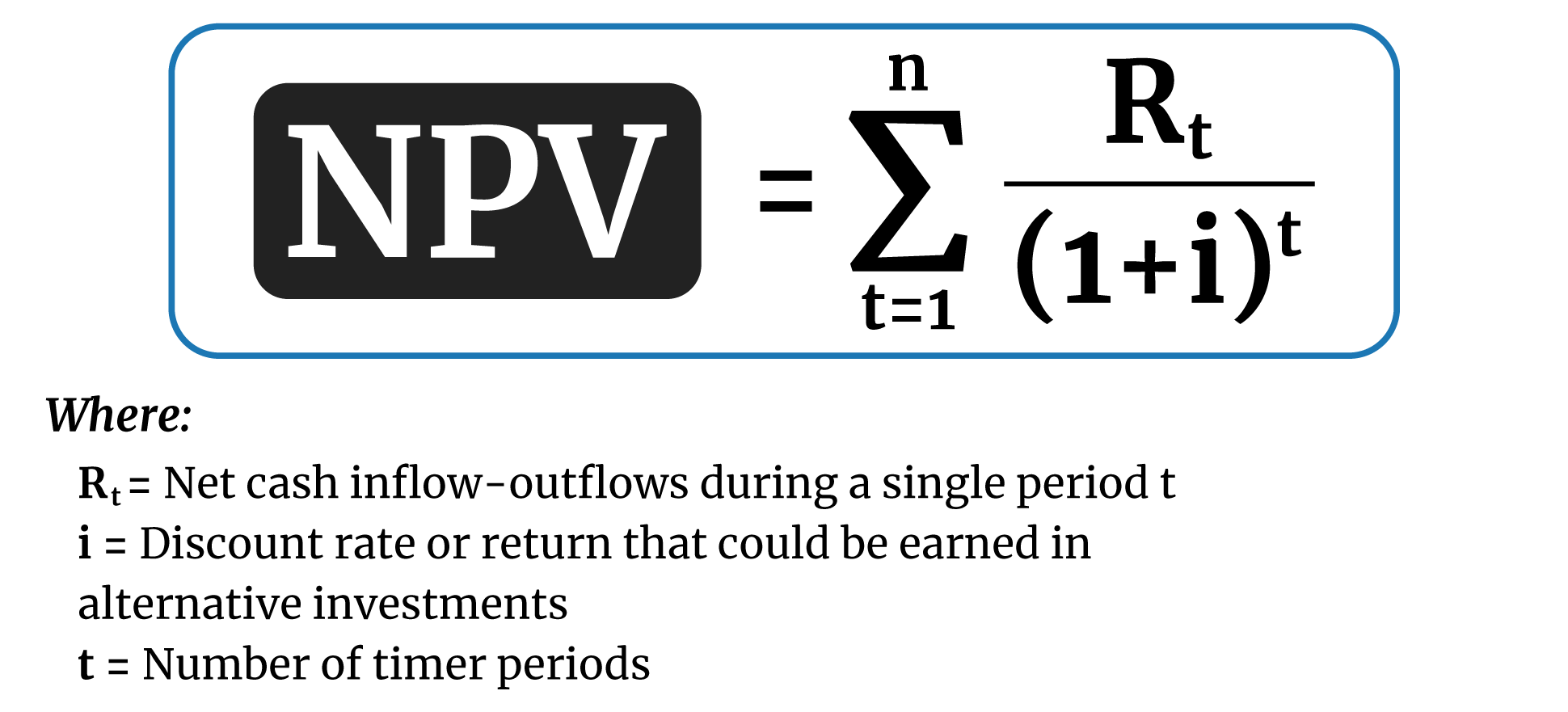
To understand the transition from Net Present Value (NPV) to Annual Worth (AW), it is essential to recognize that both metrics are simply different lenses through which we view the same financial reality. NPV calculates the sum of all future cash flows discounted to the present day using a specific interest rate, often referred to as the Weighted Average Cost of Capital (WACC) or the hurdle rate.
If NPV is positive, the project is theoretically profitable. However, NPV represents a "big picture" snapshot at a single point in time. Annual Worth, by contrast, transforms that single value into a uniform series of payments over the duration of the project. This is particularly useful when comparing assets with different service lives, as it normalizes the "cost per year" of ownership and operation.
The Mathematical Foundation: Capital Recovery
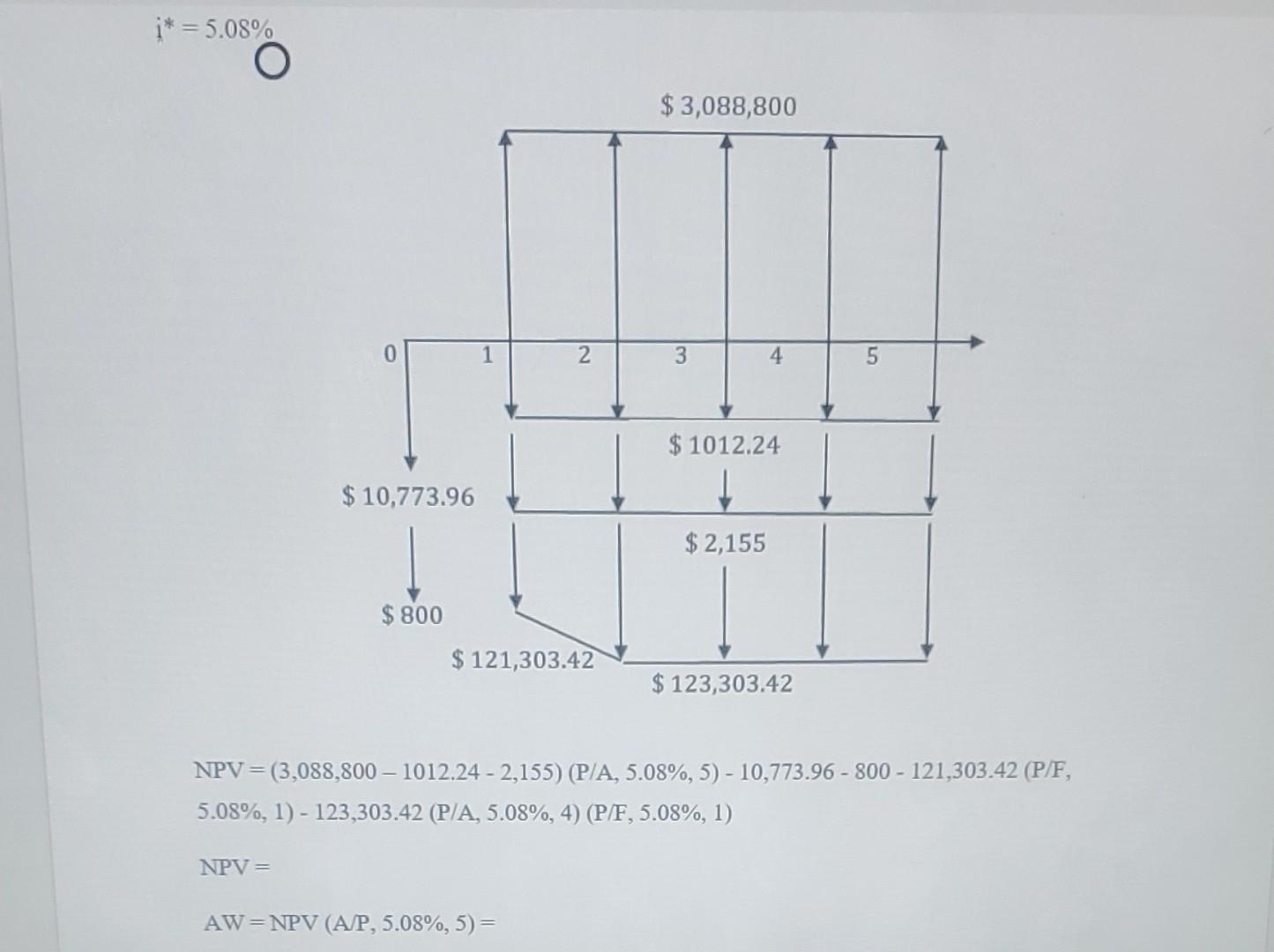
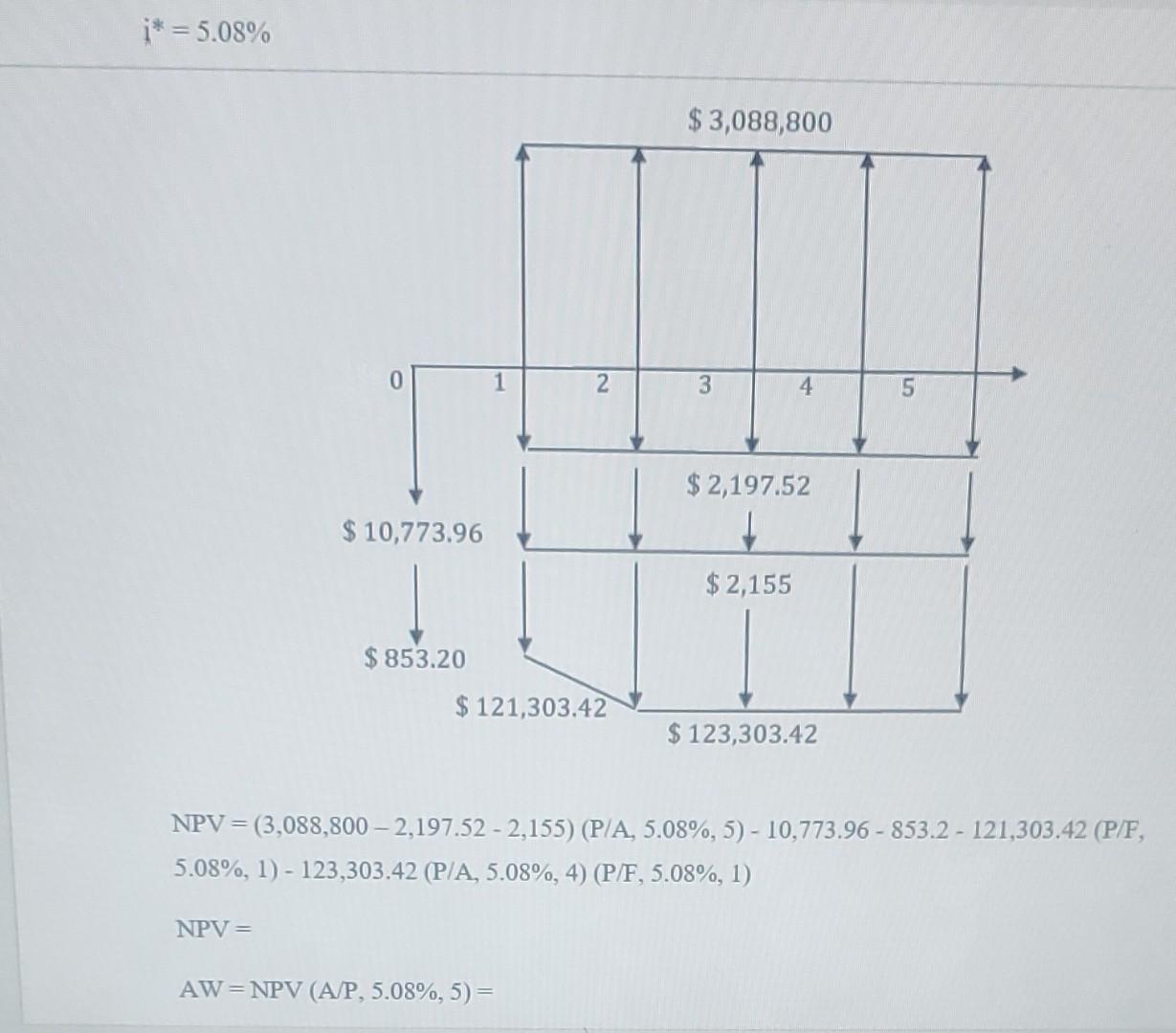
The core of finding annual worth lies in the concept of Capital Recovery. When you invest in an asset—such as heavy machinery, software infrastructure, or a real estate development—you are making a capital expenditure that must be justified. The formula to find the Annual Worth is:
AW = NPV × [i(1+i)^n] / [(1+i)^n - 1]
In this equation:
- i represents the interest rate or discount rate per period.
- n represents the number of compounding periods (typically years).
The bracketed portion of the equation is known as the Capital Recovery Factor (CRF). By multiplying your NPV by this factor, you distribute the total present value into equal yearly increments. This effectively tells a manager exactly how much revenue the project must generate annually, above and beyond its operating costs, to justify the initial capital outlay.
Practical Steps for Conducting a Cost Breakdown
To effectively perform an annual worth analysis, you must follow a structured approach to ensure your data inputs are accurate. Without precise inputs, the conversion from NPV will result in misleading financial projections.
- Establish the Time Horizon (n): Define the project's life. If you are comparing two pieces of equipment with different lifespans, you must choose a common study period or utilize the Least Common Multiple (LCM) of the lives to ensure a fair comparison.
- Determine the Discount Rate (i): Use your company's hurdle rate or the cost of borrowing capital. Consistency is vital; using different rates for similar projects will invalidate your comparisons.
- Calculate the Initial NPV: Account for all cash outflows (initial purchase price, installation costs, maintenance) and inflows (projected revenue, tax benefits, salvage value at the end of the term).
- Apply the Capital Recovery Factor: Use the formula or a standard financial calculator to derive the Annual Worth.
- Analyze Operational Sensitivity: Test your results against fluctuations in your interest rate. If a 1% change in the discount rate swings your AW from positive to negative, the project may be too risky.
Comparison of Financial Metrics
Choosing the right metric is as important as the calculation itself. The following table highlights how Annual Worth compares to other common investment appraisal tools.
| Metric | Primary Focus | Best Used For |
|---|---|---|
| Net Present Value (NPV) | Total value creation | Determining if a project adds value to the firm. |
| Annual Worth (AW) | Recurring cash flow | Comparing projects with unequal lifespans. |
| Internal Rate of Return (IRR) | Percentage efficiency | Ranking projects based on yield. |
| Payback Period | Liquidity risk | Estimating how fast capital is returned. |
Why Annual Worth Matters for Long-Term Strategy
The primary advantage of Annual Worth is its intuitive nature. Decision-makers often struggle to interpret a high-level NPV figure, as it lacks context regarding the timeline. Telling a stakeholder that a project has an "NPV of $500,000" is abstract. Telling them that the project generates "$75,000 in net value per year for 10 years" provides a concrete benchmark that can be mapped directly to annual operating budgets.
Furthermore, Annual Worth simplifies the comparison of "Buy vs. Lease" or "Replace vs. Repair" scenarios. When comparing a machine that lasts five years versus one that lasts seven years, NPV requires complex adjustments to normalize the timelines. AW naturally accounts for the "annualized cost of capital" for both, allowing for a direct, "apples-to-apples" comparison of the yearly burden each asset places on the company’s bottom line.
Common Pitfalls and Troubleshooting
While the mathematics of converting NPV to Annual Worth are straightforward, practitioners frequently encounter errors that undermine the analysis:
- Ignoring Salvage Value: Many analysts focus only on the purchase price and operating costs. Failing to include the projected salvage value (the amount you recover when selling the asset at the end of its life) will artificially inflate the annual cost and make a project appear less attractive than it is.
- Inconsistent Discount Rates: Using a "market rate" for one project and a "company internal rate" for another will render the resulting annual worth values useless for comparison. Ensure the same cost of capital is applied across the entire portfolio.
- Omission of Maintenance Escalations: If maintenance costs are expected to rise as the asset ages, simply taking an average cost per year will lead to an incorrect NPV. Ensure you model the cash flows precisely before calculating the AW.
Frequently Asked Questions
Does a higher Annual Worth always mean a better project? Yes, assuming all other variables (like risk and strategic fit) are equal. A higher positive annual worth indicates that the project is generating more surplus value per year after all capital costs are recovered.
What should I do if my NPV is negative but my Annual Worth is positive? This is mathematically impossible if the formulas are applied correctly using the same discount rate. If you find this, re-verify your input values, specifically checking if the cash flows are entered as positive (inflows) and negative (outflows).
How do I handle inflation in these calculations? You should either use a "real" discount rate (which excludes inflation) and constant dollars or a "nominal" discount rate (which includes inflation) and nominal dollars. Do not mix real cash flows with nominal discount rates, as this will lead to a significant miscalculation of the final value.
Can I use Annual Worth for projects with indefinite lifespans? Annual worth is intended for finite time horizons. For projects that continue indefinitely, such as long-term infrastructure, you would use a capitalized cost analysis, which is the limit of the annual worth formula as "n" approaches infinity.
Final Recommendation
To ensure the accuracy of your financial modeling, adopt a standardized spreadsheet template that uses the PMT function in financial software, which is the functional equivalent of the capital recovery formula. Always verify that your initial NPV calculation is robust by performing a sensitivity analysis on your discount rate before converting it to Annual Worth. By standardizing your inputs and maintaining a consistent methodology, you can transform complex long-term investments into clear, year-by-year actionable data.
Image Gallery