Arizona ADC Inmate Search and Mugshot Guide [2026]
To perform a mugshot and inmate search for the Arizona Department of Corrections (ADC), utilize the official Arizona Department of Corrections, Rehabilitation & Reentry (ADCRR) Inmate Datasearch portal. By entering a unique ADC number...
To perform a mugshot and inmate search for the Arizona Department of Corrections (ADC), utilize the official Arizona Department of Corrections, Rehabilitation & Reentry (ADCRR) Inmate Datasearch portal. By entering a unique ADC number or a full name, you can access public records including current facility location, sentencing details, and the most recent identification photographs. This system remains the primary legal resource for verifying the status of incarcerated individuals within the state of Arizona as of 2026.
Contents
Understanding the Arizona Department of Corrections (ADC) Search System
The Arizona Department of Corrections, Rehabilitation & Reentry (ADCRR), frequently referred to by its legacy acronym "ADC," maintains a comprehensive digital repository of all individuals currently or previously incarcerated in the state prison system. In 2026, this database serves as a vital tool for legal professionals, victims' advocates, and family members to track the movement and status of inmates.
The database is designed to provide transparency while adhering to Arizona Revised Statutes (A.R.S.), specifically regarding public records and inmate privacy. Unlike county-level searches, which focus on pre-trial detainees in jail, the ADC search focuses on individuals who have been convicted of a felony and sentenced to state-level incarceration.
The Evolution of Public Access in 2026
In 2026, the digital interface for inmate searches has been streamlined to accommodate mobile users and integrate more robust security features. The ADCRR remains committed to the "Victims' Bill of Rights," ensuring that those affected by crimes have instantaneous access to the custody status of offenders. This includes automated notification systems like VINE (Victim Information and Notification Everyday), which syncs directly with the ADC database.
How to Perform a Mugshot and Inmate Search in Arizona
Navigating the ADC search requires specific parameters to ensure accuracy. Because many inmates share common names, relying solely on a name search can lead to "false positives."
Required Information for a Precise Search
To yield the most accurate results, the following identifiers are recommended:
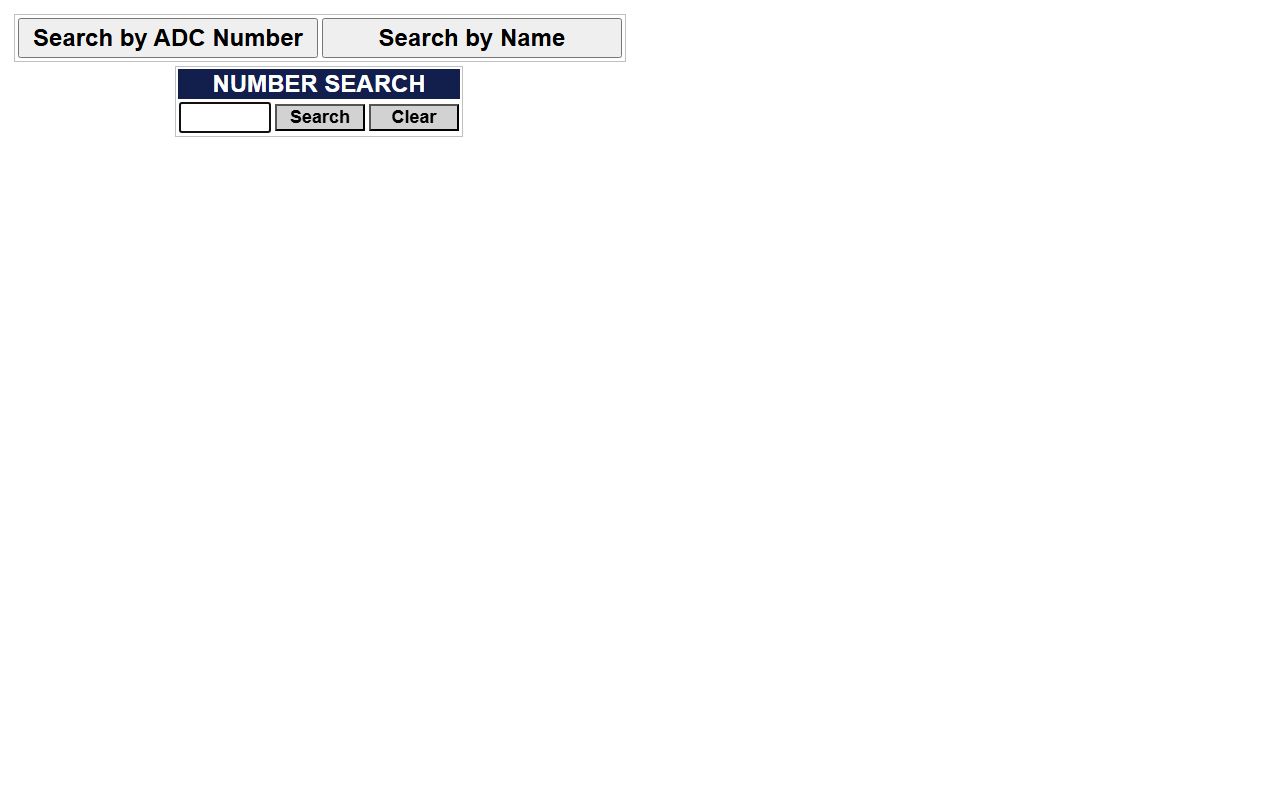
- ADC Number: This is a unique six-digit identifier assigned to every individual upon entry into the state system. It is the most reliable way to locate a record.
- Full Legal Name: If the ADC number is unknown, use the full legal first and last name.
- Gender and Status: Filtering by "Active," "Inactive," or "Absconded" helps narrow down the search results, especially for historical records.
Step-by-Step Search Process
- Access the Official Portal: Navigate to the ADCRR official website and locate the "Inmate Datasearch" section.
- Input Search Parameters: Enter the ADC number or the last name followed by the first initial or full name.
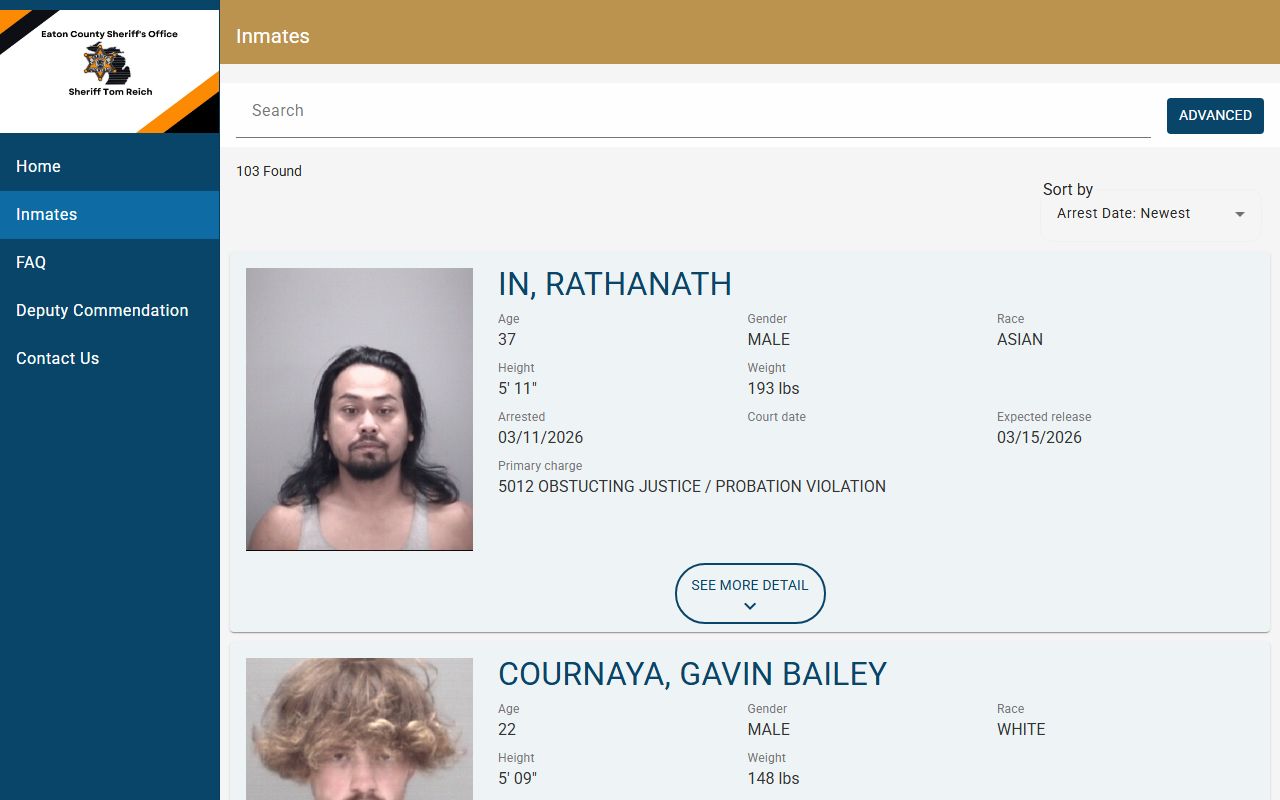
- Review the Results List: The system will display a list of matches. Note the physical description (height, weight, eye color) to verify the identity before clicking the profile.
- View Inmate Profile: Clicking the ADC number opens the full public record, which includes the mugshot, current housing unit, and a list of convictions.
Interpreting ADC Inmate Record Results
Once a record is accessed, the data can be dense and highly technical. Understanding the terminology used by the ADCRR is essential for an accurate interpretation of an inmate’s current legal standing.
Mugshots and Visual Identification
The "mugshot" displayed in the ADC database is typically the most recent photo taken during the inmate's last intake or "re-classification" process. In 2026, ADCRR photos are high-resolution to assist in public safety and identification. If an inmate has been in the system for many years, the database may include historical photos to show physical changes over time.
Sentencing and Release Information
The profile provides a breakdown of the "Sentence Information" section, which includes:
- Commitment Date: The date the inmate was officially handed over to the ADC.
- Sentence End Date: The projected date the inmate will complete their court-ordered term.
- Earned Release Credit (ERC): Arizona law allows some inmates to earn time off their sentences for good behavior or participation in work programs.
- Parole/Community Supervision Eligibility: The earliest date an inmate may be considered for release into a supervised program.
Expert Note on Data Accuracy
While the ADC database is updated every 24 hours, there can be a lag between a court order and the digital update. For the most critical legal decisions, always cross-reference ADC data with the sentencing court's clerk of records to ensure the most current "Minute Entry" is reflected.
Comparison of Search Methods in Arizona
Depending on the stage of the legal process, the ADC search might not be the only tool you need. The following table compares the official ADC search with other common public record resources available in 2026.
| Feature | ADCRR (State Search) | County Sheriff (e.g., MCSO) | Third-Party Search Sites |
|---|---|---|---|
| Population | Convicted Felons (Prison) | Pre-trial Detainees (Jail) | Aggregated National Data |
| Mugshot Availability | Always Included (Official) | Included (Booking Photo) | Variable / Often Outdated |
| Update Frequency | Daily | Real-time / Hourly | Weekly or Monthly |
| Cost | Free (Public Record) | Free (Public Record) | Subscription/Fee Based |
| Legal Admissibility | High (Primary Source) | High (Primary Source) | Low (Secondary Source) |
| Sentencing Info | Detailed Breakdown | Minimal (Charges Only) | Summary Only |
Legal and Ethical Use of Mugshots in 2026
The use of mugshots from the ADC inmate search is governed by both state law and ethical guidelines. While these photos are public records, their use is restricted in specific contexts to prevent harassment or extortion.
Privacy and "Mugshot Extortion" Laws
Arizona has strengthened laws regarding the commercial use of mugshots. It is illegal for private websites to charge a fee to remove a mugshot that was obtained through a public records request. In 2026, the ADCRR monitors for bulk scraping of its database to protect the integrity of the information and ensure that corrected or expunged records are properly reflected across the web.
Rights of the Incarcerated
Even though an individual is incarcerated, they retain certain rights regarding the use of their likeness for commercial gain. Public record access is intended for transparency, safety, and legal verification—not for entertainment or profit-driven exploitation.
Practical Troubleshooting for Common Search Issues
Users often encounter difficulties when an inmate does not appear in the search results. This is rarely a system "glitch" and usually relates to the status of the individual.
- Federal vs. State: If a person was arrested by federal agents (FBI, DEA) for a federal crime, they will be held in a Federal Bureau of Prisons (BOP) facility, not an ADC facility. Use the BOP Inmate Locator instead.
- Recent Transfers: If an inmate was just sentenced, it can take 7–14 days for them to move from county jail to a "Reception and Evaluation" (R&E) center within the ADC system. They will not appear in the ADC search until this intake is processed.
- Name Variations: Search using only the first three letters of the last name to account for spelling errors in the original court filing.
- Private Facilities: Arizona utilizes several private prisons (e.g., CoreCivic or GEO Group). While these inmates are housed in private buildings, they are still under ADC jurisdiction and should appear in the official ADC search.
Frequently Asked Questions
How can I find an inmate's mugshot if they were recently arrested?
If the arrest happened within the last 48 to 72 hours, the individual is likely still in county custody. You should check the specific County Sheriff’s Office website (such as Maricopa, Pima, or Pinal County) rather than the state ADC database. The ADC database only reflects those already sentenced to prison.
Why does an inmate show "Absconded" on their ADC profile?
An "Absconded" status indicates that the individual was on parole or community supervision and has failed to report to their parole officer or has fled the jurisdiction. This status triggers an active warrant for their arrest, and their mugshot is often highlighted for public safety.
Is there a fee to download mugshots from the ADC website?
No. Under Arizona public record laws, accessing the ADCRR Inmate Datasearch and viewing or downloading mugshots for personal or legal use is free of charge. Be wary of any third-party site that requests payment for "official" Arizona inmate photos.
Can I see an inmate's disciplinary record through the search?
The standard public search provides a "Parole Class" and "Classification" level, but detailed disciplinary reports (internal "tickets") are generally not included in the public-facing summary. These may require a specific public records request or subpoena if needed for legal proceedings.
How do I find the physical address of an ADC facility?
The search result will list a specific complex (e.g., ASPC-Florence or ASPC-Lewis). Once you identify the complex and unit, you can navigate to the "Locations" section of the ADCRR website to find the specific mailing and visiting address for that unit.
Summary of Actionable Steps
When conducting a mugshot ADC inmate search in 2026, always prioritize official government channels to ensure data integrity.
- Verify Jurisidiction: Confirm the person is in state prison, not county jail or federal prison.
- Use the ADC Number: If available, use the 6-digit ID for an instant, accurate match.
- Document the Data: Save the "Projected Release Date" and the "Unit Location" for future contact.
- Monitor for Changes: Use notification services if you are a victim or a legal representative to stay informed of transfers or status changes.
By following these protocols, you ensure that you are accessing the most reliable, legally compliant information available regarding Arizona's inmate population.
Image Gallery