Why Rare Jordan 1s Matter to Collectors: Heritage, Scarcity, and Investment Value
Rare Jordan 1 sneakers matter to collectors because they represent the intersection of sports history, cultural rebellion, and high-yield financial assets. These shoes serve as tangible artifacts of Michael Jordan’s legacy, utilizing e...
Rare Jordan 1 sneakers matter to collectors because they represent the intersection of sports history, cultural rebellion, and high-yield financial assets. These shoes serve as tangible artifacts of Michael Jordan’s legacy, utilizing engineered scarcity and iconic design to maintain a status that transcends traditional footwear, functioning as a premier alternative investment in 2026.
Contents
The Historical Foundation: More Than Just a Sneaker
To understand why the Air Jordan 1 (AJ1) remains the pinnacle of sneaker collecting, one must look back to its 1985 debut. Designed by Peter Moore, the AJ1 was not just a basketball shoe; it was a disruptor. At a time when NBA shoes were predominantly white, the "Bred" (Black and Red) colorway challenged the league's "uniformity of dress" rule.
The narrative of the "Banned" sneaker, while historically linked more closely to the Nike Air Ship, was marketing genius that Nike leveraged to position the Jordan 1 as the shoe of a rebel. For a collector, owning an original 1985 pair is akin to owning a piece of sports lore. The silhouette carries the weight of Michael Jordan’s Rookie of the Year season and his 63-point performance against the Celtics in the 1986 playoffs. In 2026, these early iterations are viewed with the same reverence as fine art or vintage automobiles, where the patina of aged leather and the specific "Wings" logo placement signify a specific era of athletic excellence.
The Scarcity Hierarchy: Defining Rarity in 2026
Not all Jordan 1s are created equal. The hierarchy of rarity is what drives the obsession among serious collectors. This hierarchy is generally divided into four distinct tiers, each offering a different level of prestige and entry price.
1. Original (OG) 1985 Releases
These are the holy grails. High-quality 1985 pairs in "Deadstock" (DS) condition—meaning they have never been worn—are exceedingly rare. Collectors value the specific shape of the 1985 mold, which features a higher collar and a flatter toebox compared to modern retros. The materials used in 1985, particularly the thick-cut leather, have aged in a way that modern synthetic blends cannot replicate.
2. Player Exclusives (PEs) and Samples
These versions were never intended for public retail. They were produced specifically for Michael Jordan, his family, or designated brand ambassadors. PEs often feature unique colorways, personal branding, or "PE" numbering inside the collar. Because the production numbers are often in the single digits, these command the highest premiums at auction houses like Sotheby’s and Christie's.
3. Tier-0 Collaborations
The modern era of AJ1 collecting is defined by collaborations. Partnerships with entities like Off-White (Virgil Abloh), Travis Scott, fragment design (Hiroshi Fujiwara), and luxury houses like Dior have redefined what a sneaker can be. These releases are strictly limited, often distributed through raffle systems that leave millions of hopeful buyers empty-handed. The Dior x Air Jordan 1, for example, merged Italian craftsmanship with street culture, setting a new benchmark for retail pricing and resale value.
4. Regional and Storytelling Retros
Nike often releases colorways exclusive to certain cities (e.g., Paris or Tokyo) or versions that tell a specific story, such as the "Shattered Backboard" (commemorating an exhibition game in Italy). These pairs matter because they reward deep knowledge of Jordan’s history, allowing collectors to curate collections based on specific themes rather than just hype.
The Jordan 1 as a Financial Asset Class
By 2026, the sneaker resale market has matured into a sophisticated ecosystem. Rare Jordan 1s are no longer just hobbies; they are diversified assets. The "Jordan 1 Index" often outperforms traditional stock market benchmarks during periods of economic volatility.
Market Dynamics and Liquidity
The liquidity of a rare Jordan 1 is remarkably high. Platforms such as StockX, GOAT, and specialized boutique shops provide real-time pricing data and authentication services. This transparency allows collectors to treat their shoes as a "liquid" asset. If a collector owns a pair of 2017 Off-White "The Ten" Jordan 1s, they can convert that asset into cash within 24 to 48 hours at a globally recognized market price.
Long-Term Appreciation
History has shown that original colorways—Chicago, Bred, Royal, and Shadow—tend to appreciate over 5-to-10-year cycles. As older pairs deteriorate or disappear into private "vault" collections, the remaining supply of high-grade examples shrinks, driving prices upward. For investors, the AJ1 offers a hedge against inflation, backed by a brand that has maintained cultural dominance for over four decades.
Comparative Value: Rare Jordan 1 Categories
The following table illustrates the differences in value drivers across the primary categories of rare Jordan 1s as of the 2026 market environment.
| Category | Primary Value Driver | Typical Rarity | Market Status (2026) |
|---|---|---|---|
| 1985 OG Chicago | Historical Significance | Extremely Low | Blue-Chip Investment |
| Player Exclusives (PE) | Personal MJ Provenance | Ultra-Low (Custom) | Museum/Auction Grade |
| Dior x AJ1 High | Luxury Crossover | 8,500 Pairs | High-Fashion Asset |
| Travis Scott High OG | Cultural Hype/Design | Limited Retail | High Volatility/High Demand |
| 85' Retro Series | Silhouette Accuracy | Moderate | Stable Growth |
Technical Depth: Why Construction Matters
To a novice, one Jordan 1 might look like any other. To a technical collector, the differences are monumental. The "technical depth" of a rare pair involves several factors:
- The Last (The Mold): The "1985 cut" is the most coveted. It features a specific slope from the heel to the ankle and a narrow toebox. Nike’s efforts to recreate this in the "85' Neutral Grey" and "85' Georgetown" retros have been major events for collectors who demand archival accuracy.
- Leather Quality: Rare pairs often utilize full-grain leathers that develop a unique "creasing" pattern. Lower-tier retros often use "shink" or synthetic-coated leathers that peel over time. Collectors look for "buttery" textures and natural grains.
- The Wings Logo: On 1985 pairs, the logo was embossed with a specific depth and ink type. Replicas often fail to match the precise "Air Jordan" font kerning or the debossing pressure.
- Sole Composition: Over decades, the rubber midsoles of rare pairs can undergo "oxidation" or "hydrolysis." Collectors must manage the storage environment (humidity and temperature control) to prevent the rubber from hardening or the glue from failing.
The Cultural Connection: Hip-Hop and Fashion
The Air Jordan 1 is the bridge between the hardwood and the runway. Its simple, paneled design makes it an ideal "canvas" for artists and designers. In the 1980s, it was adopted by the skateboarding community for its durability and ankle support. In the 1990s and 2000s, it became a staple of hip-hop culture, symbolized by artists like Jay-Z and Kanye West.
In 2026, the AJ1 remains the most versatile shoe in a wardrobe. It can be paired with high-end tailoring or casual streetwear. This versatility ensures that demand is not limited to sports fans; it includes fashionistas, celebrities, and lifestyle influencers. This broad demand base is what prevents the "bubble" from bursting; as long as the AJ1 is considered "cool" in the fashion world, rare pairs will retain their value.
Common Pitfalls for Collectors
While rare Jordan 1s are valuable, the market is fraught with risks. Collectors must navigate several challenges to protect their investments:
- Counterfeits: The rise of "super-fakes" has made visual inspection difficult. Collectors now rely on UV light tests, weight measurements, and even scent (the specific smell of Nike factory glue) to verify authenticity.
- Storage Issues: Improper storage can lead to "yellowing" of the outsoles or "cracking" of the ankle collars. Vacuum sealing is debated, as some argue it starves the leather of necessary moisture, while others use it to prevent oxidation.
- Market Saturation: While rare pairs matter, Nike occasionally over-produces "lookalike" colorways (often called "Mids" or non-OG Highs), which can temporarily dilute the brand's prestige.
Frequently Asked Questions
Are 1985 Jordan 1s still wearable in 2026?
Technically, yes, but it is risky. Unlike the Air Jordan 3 or 4, which use polyurethane midsoles that crumble over time, the Air Jordan 1 uses a solid rubber cupsole. This makes the AJ1 one of the most "wearable" vintage shoes. However, the internal foam "Air" unit may have hardened, and the glue may be brittle, leading to sole separation. Most collectors of 1985 pairs treat them as display pieces rather than daily footwear.
Why is the "Chicago" colorway more valuable than others?
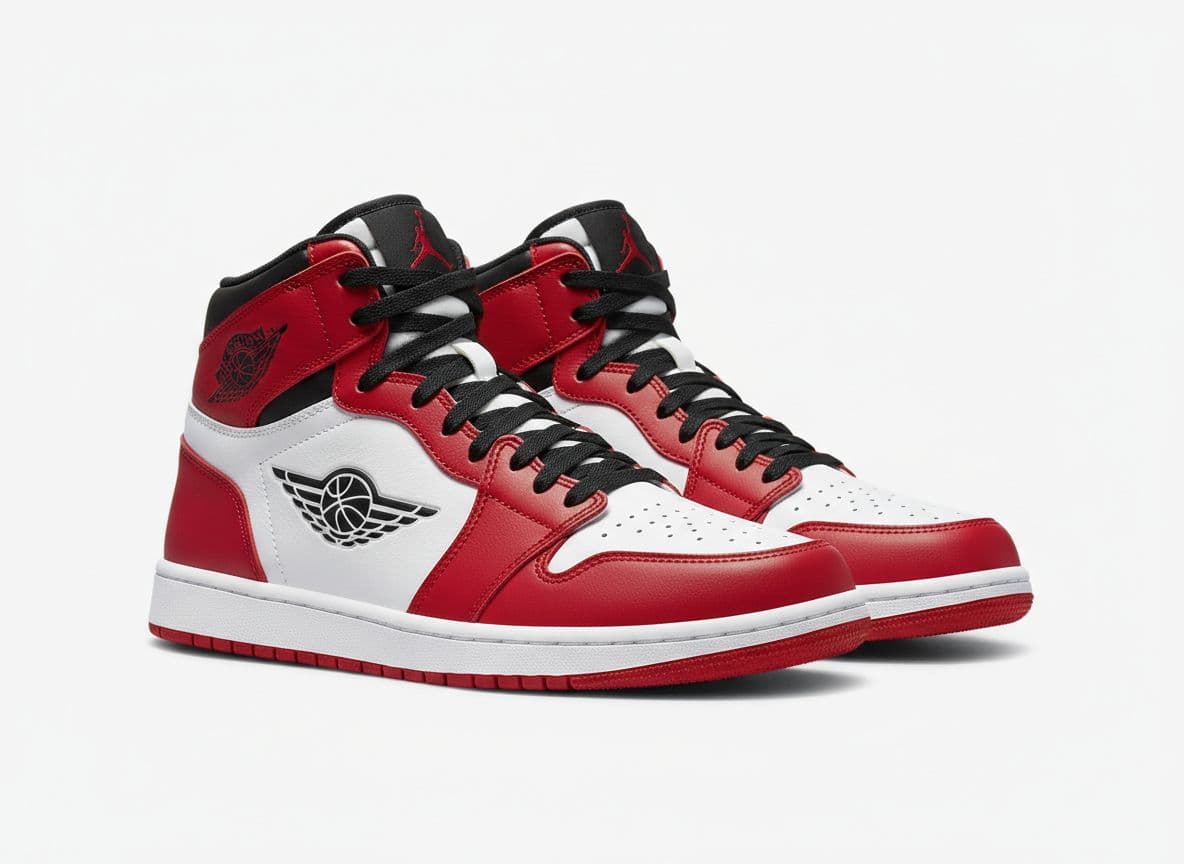
The "Chicago" (White/Red/Black) is the definitive Michael Jordan shoe. It is the colorway he wore most frequently during his breakout rookie season. It represents the "DNA" of the brand. While other colors like "Fragments" or "Travis Scotts" might have higher short-term hype, the Chicago remains the "gold standard" that anchors the entire Jordan 1 market.
How do I start collecting rare Jordan 1s without a massive budget?
Aspiring collectors should look toward "sleepers"—pairs that are limited but currently undervalued. Focus on "OG High" retros with high-quality materials, such as the "A Ma Maniére" collaborations or the "85' Cut" series. Avoid "Mids" if the goal is long-term value retention, as the collector market almost exclusively favors the "High" silhouette.
Does the box and accessories really matter for value?
Absolutely. For a rare Jordan 1 to be considered "investment grade," it must have the original box, tissue paper, and any extra laces or hangtags. A pair missing its original box (referred to as "rep box" or "no box") can see a value reduction of 20% to 40%. The condition of the box itself—no crushed corners or torn lids—is also a factor in professional grading.
Final Recommendation for Collectors
If you are looking to enter the world of rare Jordan 1s in 2026, prioritize provenance and condition. While it is tempting to chase the newest viral collaboration, the most resilient value lies in the "Original 1985" colorways and "Tier-0" collaborations with established designers. Always utilize a reputable third-party authentication service and consider the long-term storage requirements of natural leather and rubber. Collecting these shoes is a marathon, not a sprint; those who focus on the historical and technical significance of the AJ1 will find both personal satisfaction and financial reward.
Image Gallery