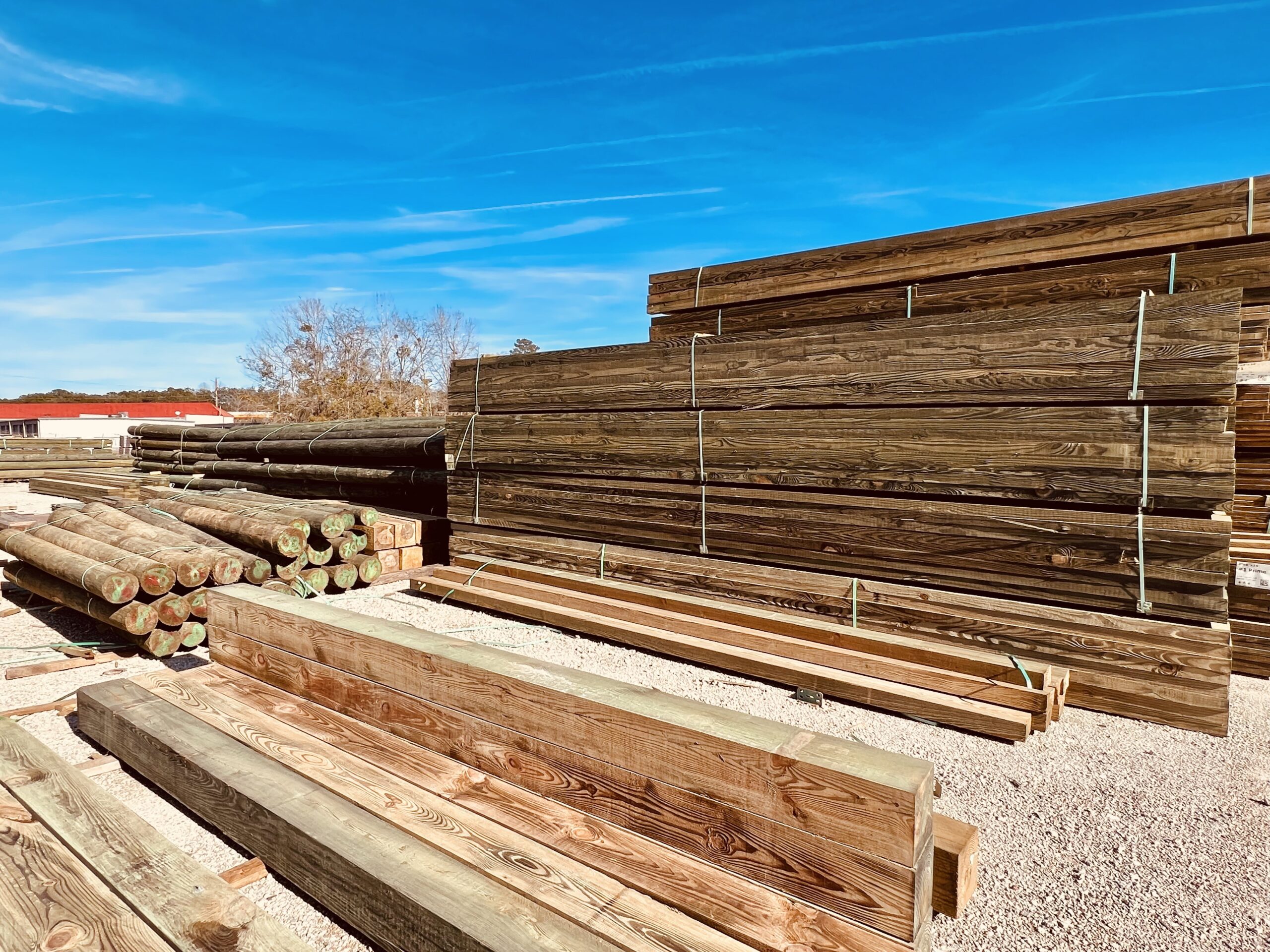
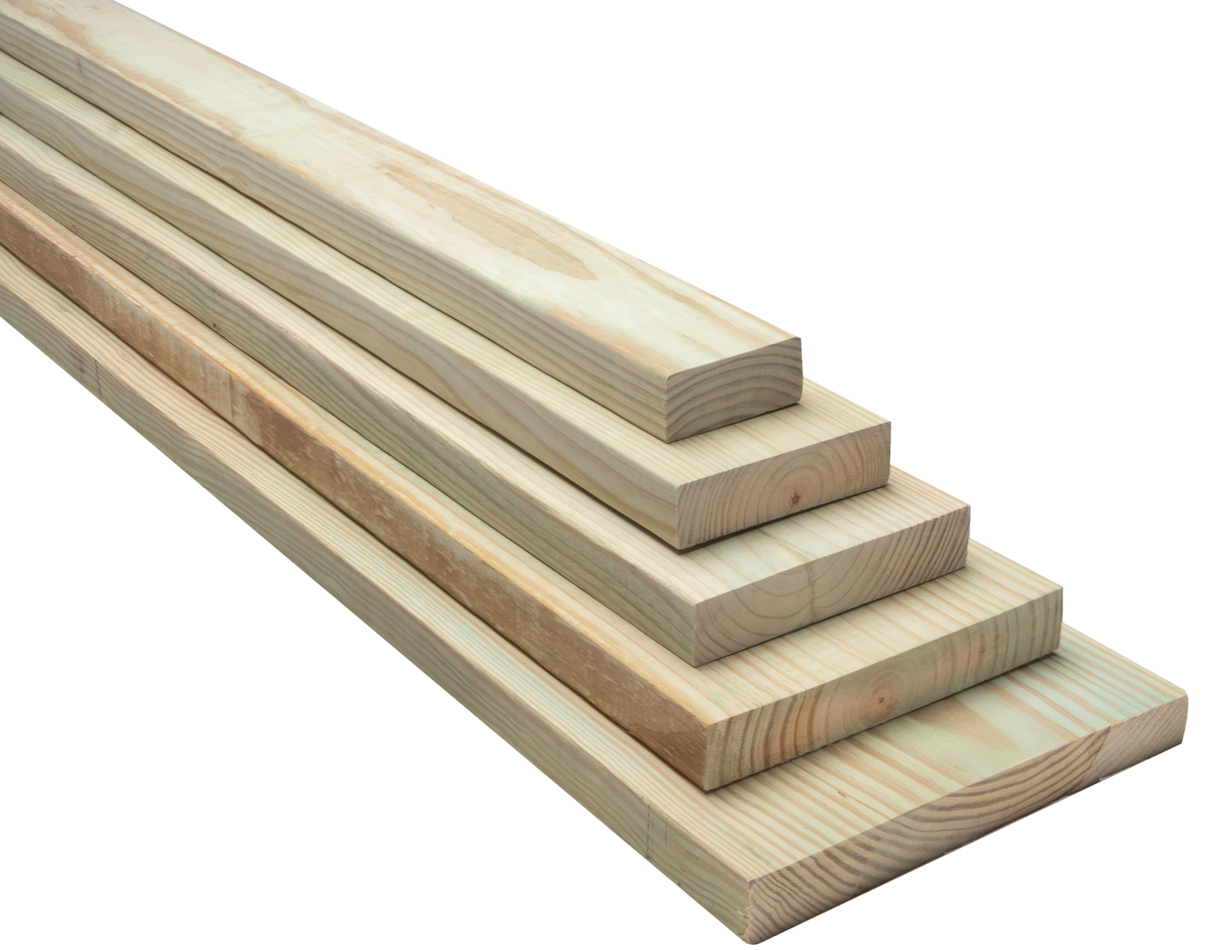
Comprehensive Guide to AC2 Treated Lumber: Specifications, Applications, and Durability
AC2 treated lumber represents a modern standard in preserved wood technology, utilizing advanced micronized copper azole formulations to protect outdoor structures from fungal decay and termite infestation while maintaining a more natu...
AC2 treated lumber represents a modern standard in preserved wood technology, utilizing advanced micronized copper azole formulations to protect outdoor structures from fungal decay and termite infestation while maintaining a more natural wood appearance. Contractors, builders, and DIY homeowners rely on this material for decks, fencing, and landscaping projects requiring long-term outdoor durability and compliance with strict environmental standards.
Contents
Understanding AC2 Treated Lumber Technology
Modern wood preservation has evolved significantly from the heavy chemical treatments of past decades. AC2 treated lumber relies on a water-based preservative system known as Alkaline Copper Quat (ACQ), refined through micronized technology. Instead of dissolving copper into a liquid solution entirely, the copper is milled into sub-microscopic particles suspended in water and forced deep into the wood cells under extreme pressure.
This technological advancement delivers several distinct structural and aesthetic advantages over traditional CCA (chromated copper arsenate) lumber, which was largely phased out for residential use. The micronized copper particles create a cleaner surface finish, allow the wood to accept stains and paints much more readily, and significantly reduce the dull, unnatural green hue often associated with older pressure-treated timber.
Core Preservative Mechanism: The primary active ingredients in AC2 treatment are micronized copper (which acts as a powerful fungicide) and tebuconazole (which acts as an organic biocide targeting wood-destroying insects). Together, they protect the cellulose and lignin matrix of the wood from biological degradation without relying on heavy aromatic solvents.
Key Technical Specifications and Retention Levels
When selecting pressure-treated lumber for a specific application, understanding retention levels—measured in pounds of preservative per cubic foot of wood (pcf)—is critical for ensuring structural integrity and longevity. AC2 treated wood is rated according to American Wood Protection Association (AWPA) standards, which dictate how the wood will perform in various ground-contact and above-ground exposures.
- Above Ground (UC3B): Typically features a lower chemical retention level, engineered for components like deck surface boards, railing systems, and fence pickets that shed water effectively and are not in direct contact with soil.
- Ground Contact (UC4A): Features a higher retention level designed for posts, joists, beams, and structural members that touch the ground or are used in difficult-to-drain, high-moisture environments where decay risk is elevated.
- Heavy Duty Ground Contact (UC4B/UC4C): Reserved for demanding structural applications such as permanent wood foundations, agricultural poles, and heavy retaining walls.
| Use Category (AWPA Standard) | Typical Application | Minimum Retention (pcf) | Expected Exterior Lifespan |
|---|---|---|---|
| UC3B (Above Ground) | Deck boards, handrails, pergolas | 0.06 - 0.10 | 15 - 25 Years |
| UC4A (Ground Contact) | Deck posts, joists, fence posts | 0.15 - 0.23 | 30 - 40+ Years |
| UC4B (Freshwater Contact) | Bulkheads, agricultural structures | 0.31 - 0.40 | 40+ Years |
Practical Applications for Outdoor Construction
AC2 treated lumber is versatile enough to support almost any exterior building requirement. However, matching the correct grade and treatment level to the specific application is essential to prevent premature structural failure or code violations.
Deck Building and Framing
For residential deck construction, builders typically use AC2 lumber for the entire structural skeleton, including ledger boards, posts, beams, and joists. Because joists and posts trap moisture where they intersect with hardware and other framing members, utilizing Ground Contact (UC4A) rated AC2 lumber for all framing is heavily recommended by building codes and modern industry best practices, even for components that do not technically touch the ground.
Landscaping and Retaining Walls
Garden beds, raised vegetable planters, edging, and low retaining walls frequently utilize AC2 treated timber. The micronized copper formulation makes it safe for various outdoor environments when handled and installed according to manufacturer guidelines. When building raised beds, lining the interior with a heavy-duty geotextile fabric provides an additional physical barrier between the treated wood and the soil.
Comparing AC2 Treated Lumber with Alternative Outdoor Materials
Choosing the right material for an exterior project involves balancing upfront costs, long-term maintenance requirements, aesthetic preferences, and environmental considerations.
- AC2 Treated Wood vs. Standard Pressure-Treated Wood: Standard treatments often leave a heavy, oily residue and a stark green metallic tint. AC2 utilizes micronized particles for a more natural wood tone and a cleaner, paintable surface.
- AC2 Treated Wood vs. Redwood and Cedar: Natural cedars and redwoods offer inherent decay resistance and rich colors without chemical treatments, but they carry a substantially higher price tag and require regular sealing to prevent graying and weathering.
- AC2 Treated Wood vs. Composite Decking: Composite materials require minimal maintenance and never need staining, but they have a higher initial material cost, can become exceptionally hot under direct sunlight, and lack the authentic structural rigidity of real wood framing.
| Feature / Factor | AC2 Treated Lumber | Natural Cedar | Composite Decking |
|---|---|---|---|
| Upfront Cost | Low to Moderate | High | Premium / Very High |
| Maintenance | Periodic staining/sealing | Annual cleaning and sealing | Occasional washing |
| Insect & Decay Resistance | Excellent (Treated) | Moderate (Natural oils) | High (Synthetic core) |
| Structural Strength | High load-bearing capacity | Moderate | Varies (Requires wood/metal subframe) |
| Environmental Profile | Certified sustainable sourcing | Renewable harvest | Recycled plastic/wood blends |
Best Practices for Installation and Hardware Selection
Working with AC2 treated lumber requires specific installation techniques to maximize the lifespan of the structure and prevent fastener corrosion. Because the copper in modern pressure-treated wood is chemically active, standard low-grade steel nails and screws will react rapidly, leading to structural stains and catastrophic fastener failure.
- Fastener Selection: Always use hot-dip galvanized fasteners that comply with ASTM A153 specifications, or approved silicon bronze and stainless steel (Type 304 or 316) screws and bolts.
- Hardware Compatibility: Ensure all joist hangers, post caps, and metal connectors bear a heavy zinc coating or G185 galvanization rating specifically certified for use with treated lumber.
- End-Cut Preservation: Whenever cutting, drilling, or notching AC2 lumber on the job site, apply a brush-on end-cut preservative containing copper naphthenate to seal exposed untreated interior wood fibers.
- Moisture Management: Allow the lumber to dry adequately if it feels saturated from the treating process before applying solid-color stains or oil-based sealants. Test dryness by sprinkling water droplets on the wood; if the water beads up, the wood is too wet to seal.
Troubleshooting Common Issues and Maintenance Mistakes
Even top-tier building materials can exhibit distress if maintenance routines are neglected or installation errors occur. Recognizing early warning signs prevents minor aesthetic flaws from escalating into structural liabilities.
- Surface Cracking and Checking: As treated wood cycles through wet and dry weather, natural checking (surface cracks along the grain) occurs. This is normal and rarely compromises structural integrity unless cracks exceed structural engineering limits.
- Fastener Corrosion Streaks: If black streaks or rust stains appear around screws, it indicates that incorrect fasteners were used. Immediately replace these fasteners with approved structural stainless steel or hot-dip galvanized alternatives.
- Mold and Mildew Growth: Shaded or damp decks accumulate organic debris that fosters mold. Annual cleaning with a specialized oxygen bleach deck wash removes organic buildup without harming the wood fibers or surrounding landscaping.
Frequently Asked Questions
Can AC2 treated lumber be painted or stained immediately after purchase?
Most freshly treated lumber arrives saturated with water from the pressure-treatment process and cannot be painted or stained right away. You should allow the wood to dry for several weeks—until water droplets soak into the grain rather than beading up—before applying any exterior finish.
Is AC2 treated lumber safe for raised garden beds?
Yes, AC2 treated lumber is manufactured under strict environmental standards and is widely used for landscaping and raised beds. For optimal safety in edible gardens, lining the interior walls with a heavy polyethylene or geotextile membrane prevents direct contact between the soil and the wood.
What kind of screws should I use with AC2 treated lumber?
You must use fasteners rated for pressure-treated wood, such as hot-dip galvanized screws complying with ASTM A153 or code-approved exterior structural screws featuring proprietary corrosion-resistant coatings. Never use standard bright steel or drywall screws, as they will corrode rapidly.
How long does AC2 treated wood last outdoors?
When properly installed above ground with adequate ventilation, AC2 treated lumber easily lasts 20 to 25 years. Ground-contact applications properly maintained with high-grade fasteners frequently achieve structural lifespans exceeding 30 to 40 years.
Does AC2 treated lumber warp or twist over time?
Like all kiln-dried or pressure-treated dimensional lumber, AC2 wood can warp or twist if boards are stored improperly in the sun or left unfastened. To minimize movement, stack lumber flat, keep it shaded on the job site, and fasten framing members securely as soon as possible during construction.
For professional assistance with structural material takeoffs, local building code compliance checks, or custom deck engineering, consult with a licensed local contractor or visit your regional building supply yard to explore the complete AC2 lumber inventory available for your project.
Image Gallery