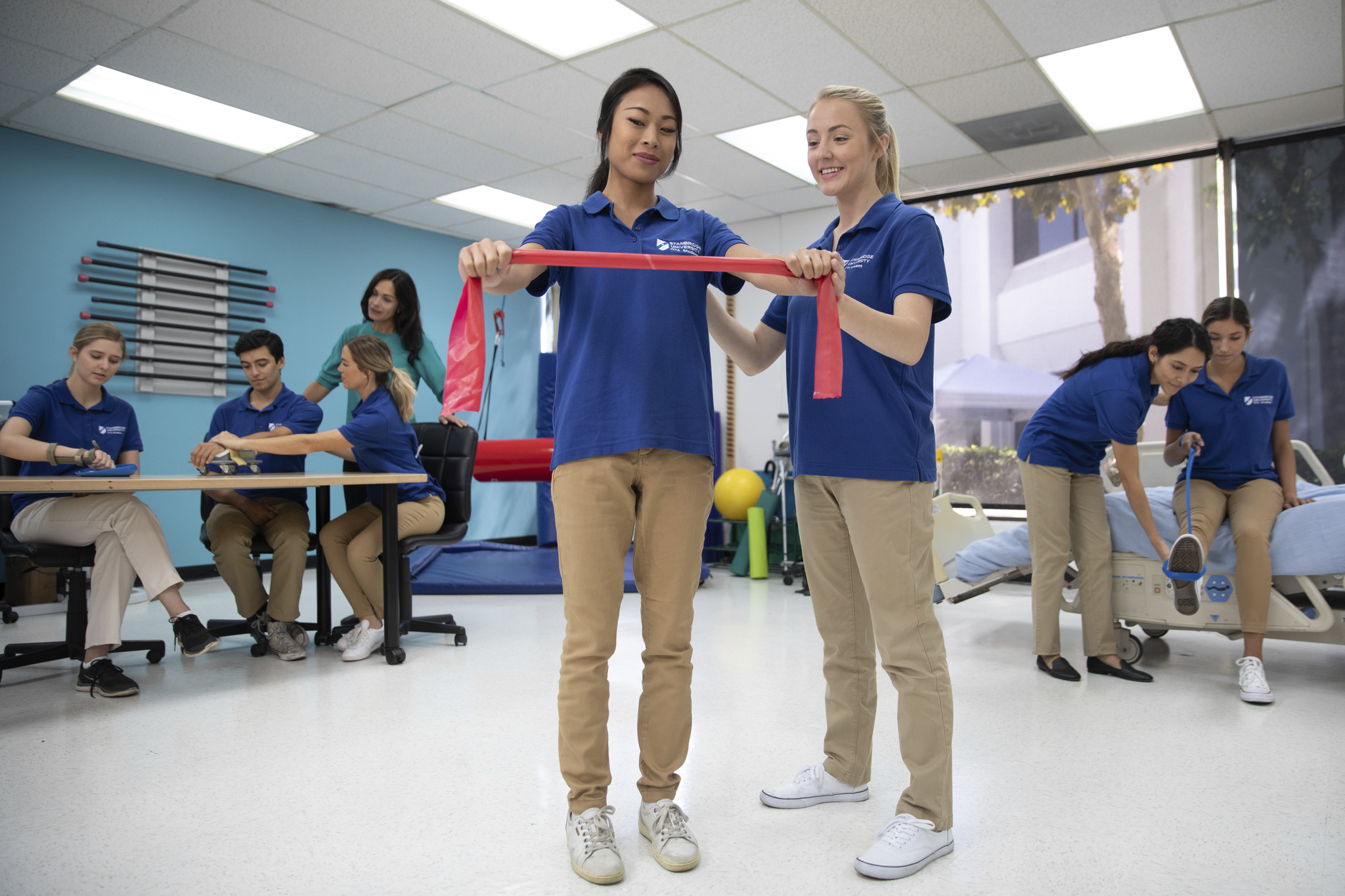
How to Choose an Occupational Therapy Assistant Program in Arkansas
Choosing an occupational therapy assistant (OTA) program in Arkansas requires verifying the school’s ACOTE accreditation, comparing NBCOT exam pass rates, and calculating the total cost of tuition and clinical fees. Prospective student...
Choosing an occupational therapy assistant (OTA) program in Arkansas requires verifying the school’s ACOTE accreditation, comparing NBCOT exam pass rates, and calculating the total cost of tuition and clinical fees. Prospective students should prioritize programs that offer diverse fieldwork placements and maintain a strong reputation with the Arkansas State Medical Board for licensure.
Contents
The path to becoming a Licensed Occupational Therapy Assistant (OTA/L) in Arkansas is a strategic blend of academic rigor and hands-on clinical training. As of 2026, the demand for rehabilitative services in the Natural State continues to grow, driven by an aging population and a robust healthcare infrastructure in hubs like Little Rock, Fayetteville, and Jonesboro. However, not all programs are created equal. Selecting the right institution is the most critical step in ensuring you are eligible for national certification and state licensure.
The Foundation of Your Search: ACOTE Accreditation
The single most important factor when evaluating an OTA program is its accreditation status. In the United States, and specifically for licensure in Arkansas, you must graduate from a program accredited by the Accreditation Council for Occupational Therapy Education (ACOTE).
Accreditation is a peer-review process that ensures the curriculum meets the high standards required for entry-level practice. If you graduate from a non-accredited program, you will be ineligible to sit for the national certification exam administered by the National Board for Certification in Occupational Therapy (NBCOT). Without NBCOT certification, the Arkansas State Medical Board will not grant you a license to practice.
When researching Arkansas schools, you may encounter different accreditation statuses:
- Accredited: The program has met all standards and is in good standing.
- Candidacy Status: This is a new program that has been cleared to admit students but has not yet undergone the full on-site evaluation. While usually safe, there is a minor risk if the program fails its final review.
- Probationary Accreditation: The program has deficiencies that must be corrected to maintain its status. Proceed with caution and ask the program director about their plan for correction.
Evaluating Program Success via NBCOT Pass Rates
A program’s primary goal is to prepare you for the NBCOT exam. One of the most transparent ways to measure a school’s effectiveness is to review its three-year average pass rate. Arkansas programs are required to report these statistics publicly, often on their departmental website.
In 2026, a high-quality program should ideally maintain a pass rate of 90% or higher. A lower pass rate may indicate that the curriculum is not properly aligned with the national exam or that the program’s admission standards are not adequately vetting candidates for the rigor of the coursework. You can verify these numbers directly through the NBCOT School Performance Data.
Analyzing Costs and Financial Aid in Arkansas
The cost of OTA education in Arkansas varies significantly between community colleges and four-year universities. Most OTA programs result in an Associate of Applied Science (A.A.S.) degree, which typically takes two years (five semesters, including clinicals) to complete.
Tuition and Fees
Arkansas residents often benefit from lower tuition rates at state-funded institutions. However, you must look beyond the "per credit hour" cost. OTA programs involve significant laboratory fees, specialized equipment costs, and expenses related to clinical rotations (fieldwork).
When calculating your budget, include:
- Differential Tuition: Some healthcare programs charge a higher rate than general education courses.
- Clinical Requirements: Costs for background checks, drug screenings, immunizations, and CPR certification.
- Travel and Housing: During Level II fieldwork, you may be assigned to a facility several hours away from home, necessitating temporary housing or increased fuel costs.
Financial Support
For 2026, students should explore the Arkansas Future Grant (ArFuture), which is designed to increase the state's workforce in high-demand fields like healthcare. This grant can cover tuition and fees for qualifying certificate and associate degree programs for students who meet residency and service requirements.
Comparing Top OTA Programs in Arkansas
Arkansas hosts several reputable OTA programs spread across different regions. Comparing them side-by-side helps identify which fits your geographic and financial constraints.
| Institution | Location | Degree Offered | Notable Feature |
|---|---|---|---|
| University of Arkansas Pulaski Technical College | North Little Rock | A.A.S. | Close proximity to major medical centers like UAMS. |
| Arkansas Tech University - Ozark Campus | Ozark | A.A.S. | Known for high student retention and rural health focus. |
| Black River Technical College | Pocahontas | A.A.S. | Offers a specialized lab environment for geriatric care. |
| South Arkansas College (SouthArk) | El Dorado | A.A.S. | Strong community partnerships for diverse fieldwork. |
| Northwest Arkansas Community College | Bentonville | A.A.S. | Serves the rapidly growing NWA corridor. |
Admission Requirements and Competitive Entry
Admission into Arkansas OTA programs is almost always competitive. Most programs utilize a "point system" to rank applicants based on their academic performance and preparedness.
Prerequisites
You will likely need to complete 15–25 credit hours of general education before being admitted to the technical phase of the program. Key courses usually include:
- Anatomy and Physiology I & II (with labs)
- General Psychology and Developmental Psychology
- Medical Terminology
- English Composition and Public Speaking
Observation Hours
Many programs require applicants to shadow a licensed Occupational Therapist (OT) or OTA. In 2026, the standard requirement is often 20 to 40 hours across at least two different settings (e.g., a pediatric clinic and a skilled nursing facility). This ensures that you have a realistic understanding of the profession before committing to the degree.
The Quality of Clinical Fieldwork
Fieldwork is the bridge between classroom learning and professional practice. OTA education includes two levels of fieldwork:
- Level I Fieldwork: Short-term placements (often one week or integrated days) where you observe and participate in basic tasks.
- Level II Fieldwork: Two separate eight-week, full-time rotations where you work under the supervision of a clinical instructor to deliver patient care.
When choosing a program, ask the Academic Fieldwork Coordinator (AFWC) where their students are typically placed. A program with a wide network of sites—ranging from school systems and outpatient clinics to acute care hospitals—will provide a more well-rounded education. If you are interested in a specific niche, such as hand therapy or burns, check if the program has established relationships with specialty facilities like Arkansas Children’s Hospital.
Campus Culture and Instructional Delivery
While the technical skills are standardized, the "feel" of a program can vary. Because OTA cohorts are usually small (20–30 students), you will spend a significant amount of time with the same group of peers and faculty.
Consider the following:
- Student-to-Teacher Ratio: Smaller ratios allow for better hands-on instruction during lab sessions where you learn transfers, splinting, and therapeutic exercises.
- Hybrid vs. In-Person: Some Arkansas programs may offer hybrid options for lecture-based courses, but lab work and clinicals will always require physical presence.
- Faculty Expertise: Look for faculty who are still active in the field or who hold specialty certifications (e.g., in pediatrics or neuro-rehabilitation).
Understanding Arkansas Licensure Requirements
Graduating and passing the NBCOT is not the final step. To work in the state, you must apply for a license through the Arkansas State Medical Board.
The licensure process in 2026 typically involves:
- Submission of an official transcript from your accredited program.
- Evidence of a passing score on the NBCOT exam.
- A criminal background check (state and federal).
- Payment of licensing fees (usually around $100–$200 initially).
It is vital to choose a program that assists students with the transition from graduation to licensure, providing guidance on the application timeline to ensure you can begin working as soon as possible after the NBCOT results are released.
Common Mistakes to Avoid
- Ignoring the Commute: Some programs require you to be on campus four or five days a week for labs. If you live in Fayetteville and choose a program in El Dorado without a relocation plan, the logistics may lead to burnout.
- Focusing Only on Tuition: A "cheaper" program that has low pass rates could cost you more in the long run if you have to retake the NBCOT or spend months in remedial study.
- Waiting Too Late for Prerequisites: Many Arkansas OTA programs only admit one cohort per year (often starting in the summer or fall). If you miss one prerequisite, you might have to wait a full calendar year to apply again.
Frequently Asked Questions
Can I complete an OTA program in Arkansas entirely online?
No. While some Arkansas institutions offer hybrid models where lectures are delivered online, the ACOTE requires a specific number of hands-on lab hours and clinical fieldwork hours that must be completed in person. Occupational therapy is a tactile profession that cannot be mastered through a screen alone.
How long does it take to become an OTA in Arkansas?
Typically, it takes two to two-and-a-half years. This includes approximately one year of prerequisite general education courses followed by 12 to 18 months of core OTA technical coursework and clinical rotations.
What is the average salary for an OTA in Arkansas in 2026?
While salaries vary by region, an entry-level OTA in Arkansas can expect to earn between $52,000 and $65,000 annually. Those working in home health or skilled nursing facilities often see higher compensation than those in school settings or outpatient pediatrics.
What happens if the program I choose loses its accreditation?
If a program loses its ACOTE accreditation while you are enrolled, there is usually a "teach-out" plan that allows current students to finish and remain eligible for the NBCOT. However, this is a stressful process. It is best to review the program’s recent ACOTE accreditation actions before enrolling.
Do I need a bachelor's degree to be an OTA in Arkansas?
No. The entry-level requirement for an occupational therapy assistant is an associate degree (A.A.S.). While some "bridge" programs exist for OTAs to become Occupational Therapists (OTRs), which requires a master's or doctorate, the associate degree is the standard for assistant-level practice.
Final Recommendation
To make the best choice, schedule a visit to at least two of the campuses listed above. Speak with current students about the faculty’s responsiveness and the quality of the lab equipment. Your choice should ultimately balance proven outcomes (pass rates) with financial feasibility. Once you have identified your top choice, focus on excelling in your Anatomy and Physiology prerequisites, as these grades are often the heaviest weighted factor in the Arkansas OTA admissions process.
Image Gallery