How to Install Solar Heating: A Comprehensive 2026 Guide to Systems and Implementation
To install solar heating, you must first assess your property’s solar potential and choose between an active or passive system. The process involves mounting solar thermal collectors, connecting them to a heat exchanger or storage tank...
To install solar heating, you must first assess your property’s solar potential and choose between an active or passive system. The process involves mounting solar thermal collectors, connecting them to a heat exchanger or storage tank via specialized plumbing, and integrating the system with your existing backup water or space heater.
Contents
Solar heating remains one of the most efficient ways to decarbonize a home. Unlike solar photovoltaics (PV) which convert sunlight into electricity, solar thermal systems capture infrared radiation to directly heat a fluid or air. In 2026, as energy prices stabilize at higher tiers and carbon-reduction mandates become more stringent for residential properties, solar thermal technology has evolved to offer higher stagnation resistance and better integration with smart home ecosystems. Whether you are looking to heat domestic water, provide radiant floor heating, or warm a swimming pool, understanding the technical requirements is the first step toward energy independence.
Initial Assessment and System Selection
Before purchasing hardware, a thorough site assessment is mandatory. The efficiency of a solar heating system is primarily dictated by the solar fraction, which is the portion of the total heating load provided by the solar system.
Evaluating Solar Irradiance and Orientation
In the northern hemisphere, collectors should ideally face true south. While a deviation of up to 45 degrees east or west is manageable, it typically results in a 10% to 15% drop in efficiency. In 2026, most installers use LiDAR-based shading analysis tools to determine the precise impact of nearby trees or buildings. You require a roof area that remains unshaded between 9:00 AM and 3:00 PM, the peak hours for thermal gain.
Calculating Load Requirements
A common mistake is oversizing the system. For a standard household of four, a 50-to-80-gallon storage tank and roughly 40 to 60 square feet of collector area are generally sufficient for domestic hot water. If the goal is space heating, the collector area must be significantly larger, often requiring 15% to 30% of the home's total floor area in collector coverage, depending on insulation quality.
Choosing Between Flat-Plate and Evacuated Tube Collectors
- Flat-Plate Collectors: These consist of an insulated, weatherproof box containing a dark absorber plate under a glass cover. They are durable, cost-effective, and ideal for standard domestic hot water needs in moderate climates.
- Evacuated Tube Collectors: These feature parallel rows of transparent glass tubes. Each tube contains a glass outer tube and an inner metal absorber tube attached to a fin. The vacuum between the tubes minimizes heat loss. These are significantly more efficient in cold climates or overcast conditions, making them the preferred choice for 2026 high-performance builds.
Understanding System Architectures
The internal logic of your solar heating system depends heavily on your local climate, specifically whether you experience freezing temperatures.
Direct vs. Indirect Systems
In a direct system (open-loop), the actual potable water circulates through the collectors and into the tank. These are simple and inexpensive but are only suitable for climates where freezing never occurs.
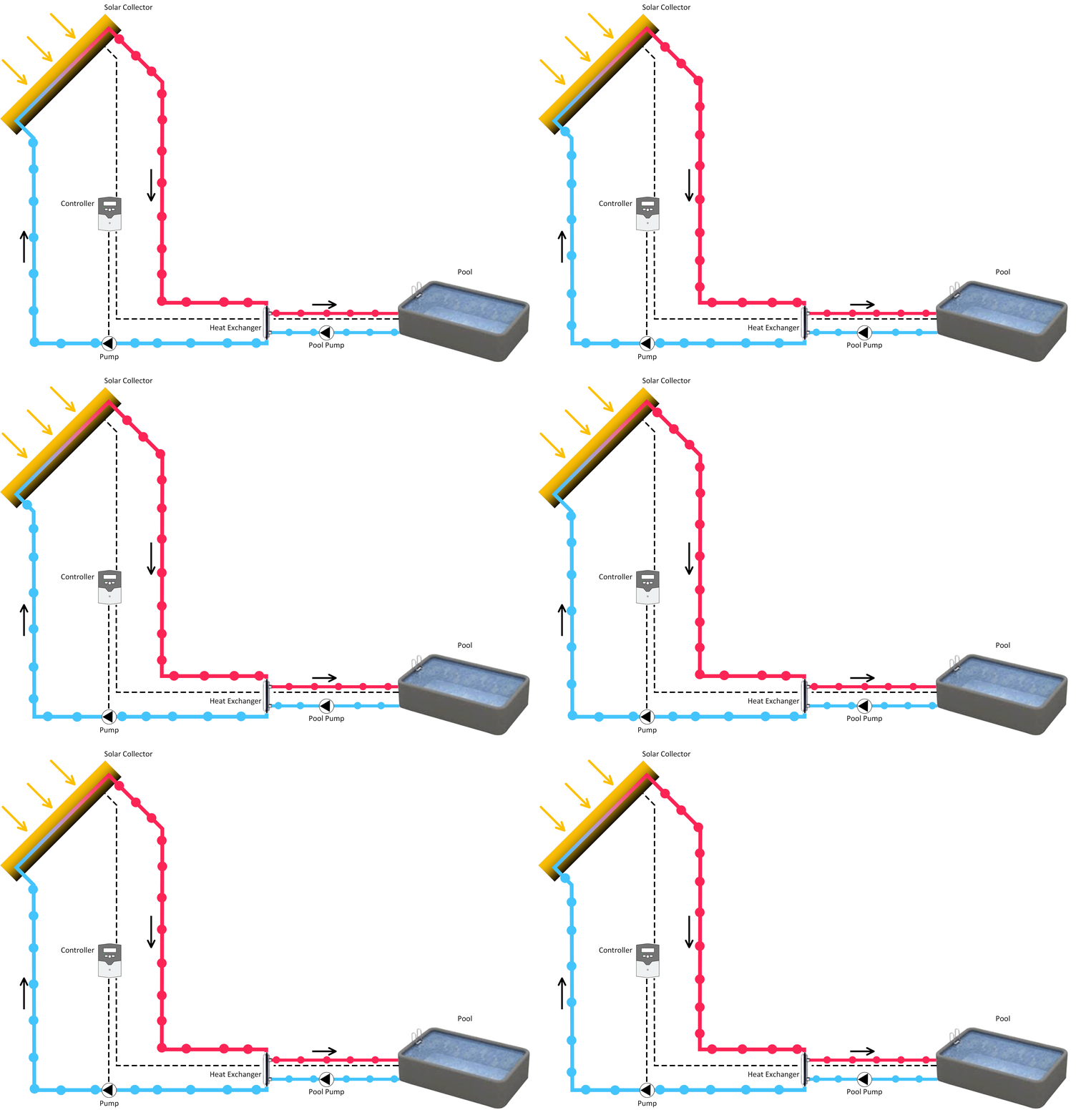
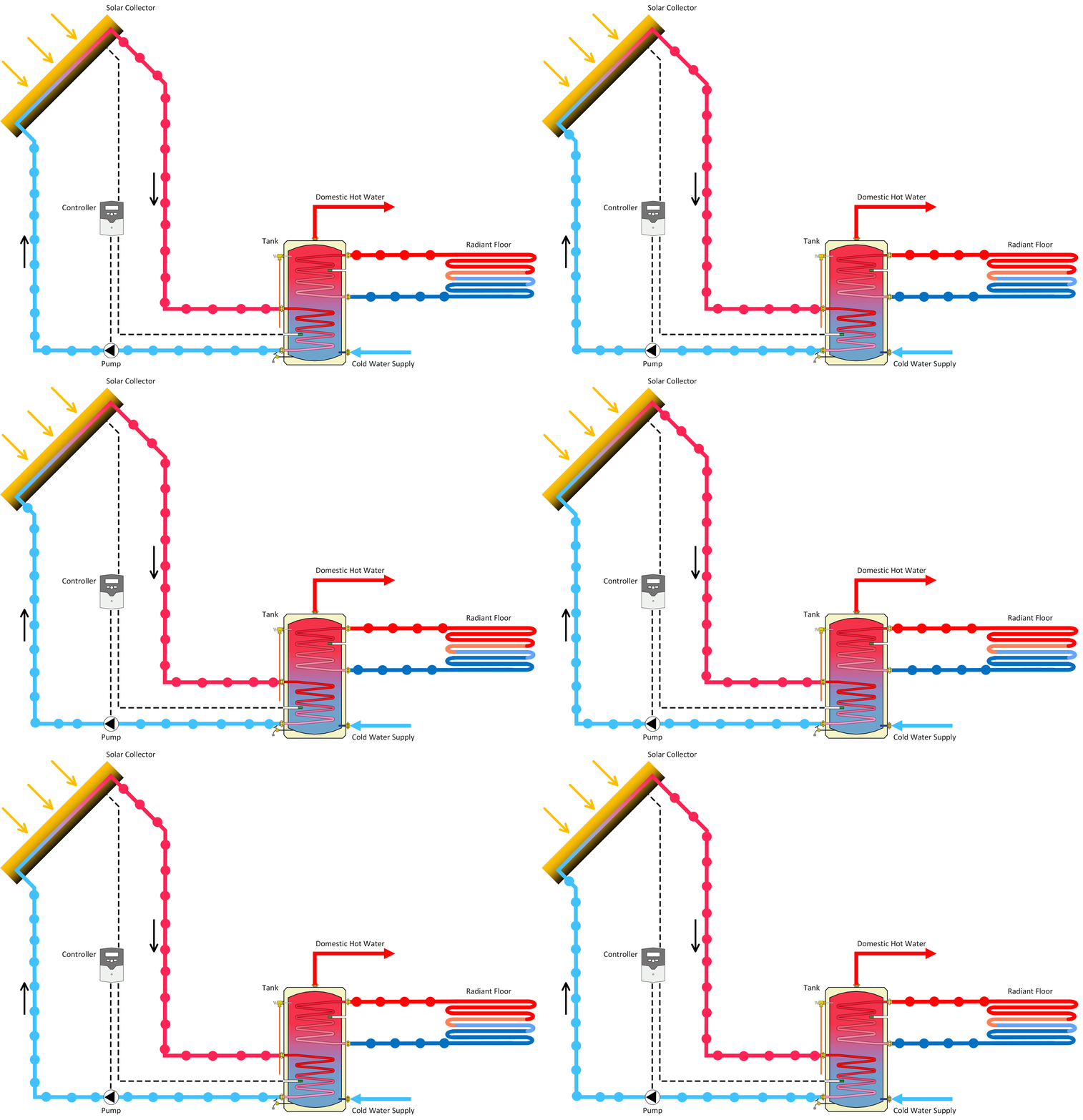
In an indirect system (closed-loop), a heat-transfer fluid (usually a food-grade propylene glycol mixture) circulates through the collectors. This fluid passes through a heat exchanger, which transfers the heat to the water in your storage tank. As of 2026, indirect systems are the industry standard for most of North America and Europe because they provide crucial freeze protection and prevent mineral buildup within the collector tubes.
Active vs. Passive Systems
Active systems use electric pumps and controllers to circulate the fluid. This allows for the storage tank to be located anywhere in the home (usually the basement or utility room). Passive systems, such as Thermosyphon systems, rely on the natural principle that warm water rises. These require the storage tank to be mounted above the collectors, usually on the roof, which can pose structural weight challenges.
The Installation Process: Step-by-Step
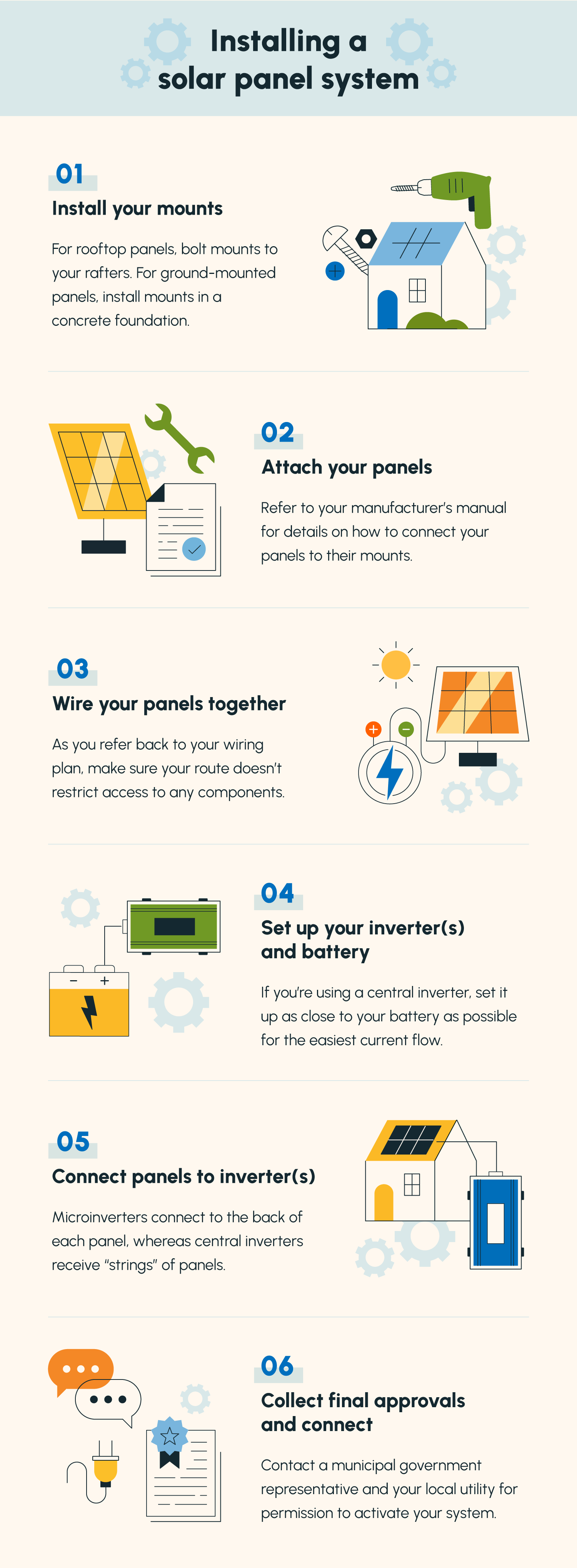
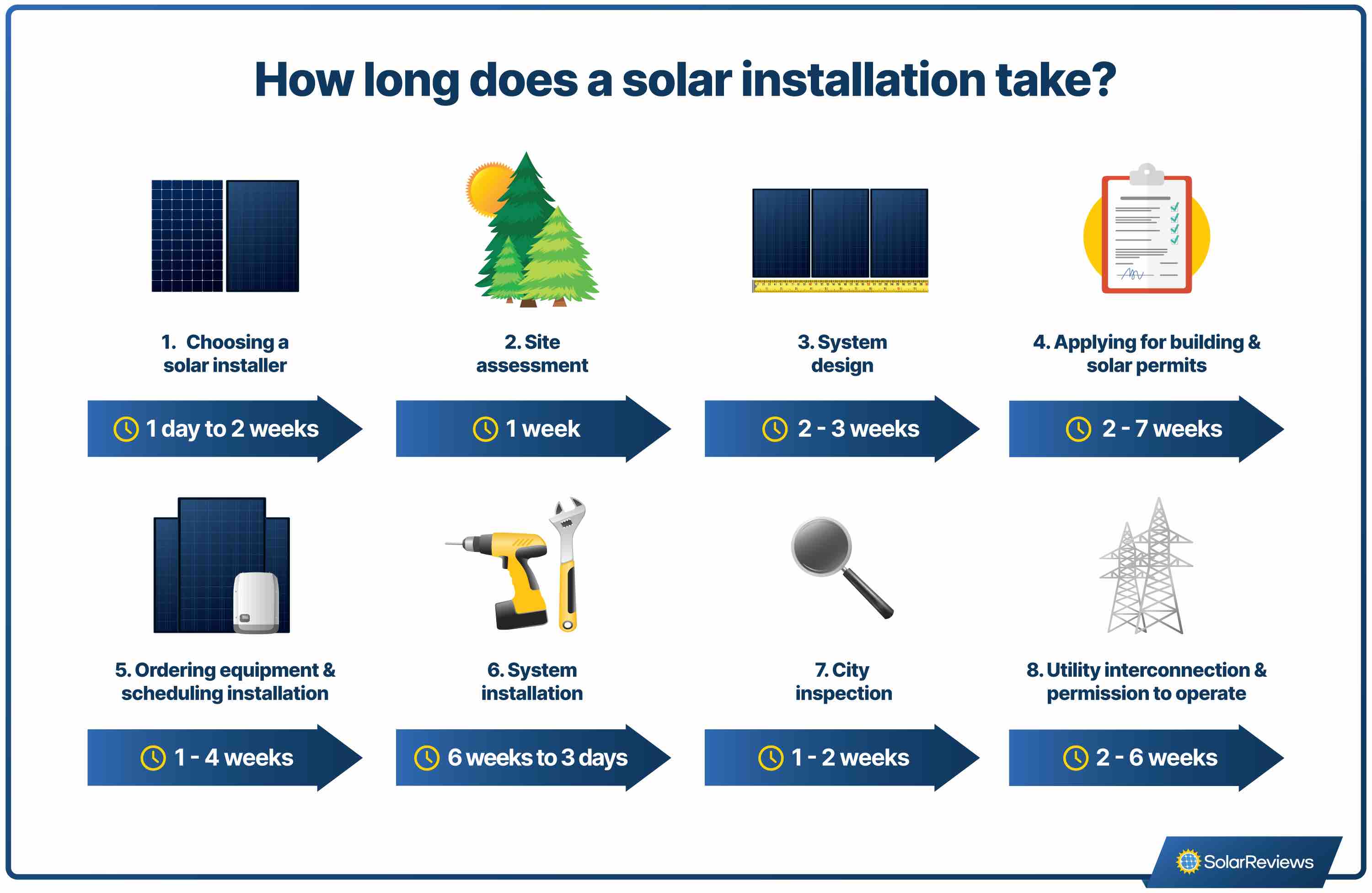
Installing solar heating is a multi-disciplinary task involving roofing, plumbing, and basic electrical work. While a motivated DIYer can handle portions of the work, professional commissioning is recommended to validate warranties and ensure safety.
1. Mounting the Collectors
The collectors must be securely fastened to the roof rafters, not just the sheathing. Use stainless steel standoffs and high-quality flashing to prevent roof leaks. The tilt angle is critical: for year-round hot water, the tilt should equal your latitude. For winter-optimized space heating, the tilt should be your latitude plus 15 degrees.
2. Plumbing the Loop
Use copper or stainless steel piping for the solar loop. Avoid PEX or PVC near the collectors, as stagnation temperatures (when the pump stops but the sun is shining) can exceed 350°F (177°C), which will melt standard plastic piping. All exterior piping must be insulated with high-temperature closed-cell foam insulation, usually protected by a UV-resistant wrap or aluminum jacketing.
3. Installing the Storage Tank and Heat Exchanger
In an indirect system, the solar storage tank often acts as a "pre-heat" tank. Cold water enters the solar tank, is warmed by the heat exchanger, and then feeds into your primary conventional water heater. This ensures that even on cloudy days, your home has a reliable hot water supply, while the solar system reduces the workload of the primary heater.
4. Controller and Pump Station Setup
The "brain" of the system is the differential controller. This device uses two sensors: one at the top of the collector and one at the bottom of the storage tank. The pump is only activated when the collector temperature is significantly higher (usually by 10-20°F) than the tank temperature. Modern 2026 controllers feature Wi-Fi connectivity, allowing homeowners to monitor BTU production and system pressure via smartphone apps.
Technical Specifications and Comparison
Choosing the right technology requires a balance of upfront cost and long-term thermal yield. The following table compares the primary solar heating configurations available in 2026.
| System Feature | Flat-Plate (Active/Indirect) | Evacuated Tube (Active/Indirect) | Thermosyphon (Passive/Direct) |
|---|---|---|---|
| Typical Efficiency | 70% - 80% (Sunny) | 85% - 95% (Varied) | 60% - 70% (Sunny) |
| Climate Suitability | Mild to Moderate | Cold / High Latitude | Tropical / Freeze-Free |
| Maintenance Need | Low (Fluid Check) | Moderate (Tube Replacement) | Very Low |
| Structural Load | Moderate | High (Wind Loading) | Very High (Water Weight) |
| 2026 Est. Cost | $4,500 - $7,000 | $6,000 - $9,500 | $2,500 - $4,000 |
| Primary Use | Domestic Hot Water | Space Heating / DHW | Low-Cost Domestic Water |
Operational Limitations and Maintenance
Even the best-installed solar heating system requires periodic oversight. In 2026, automated "drainback" systems have become more popular to solve the two biggest issues: freezing and overheating.
Preventing Stagnation and Overheating
If the storage tank reaches its maximum temperature and the sun is still shining, the fluid in the collectors can boil. This degrades the glycol and increases system pressure. A drainback system solves this by allowing the fluid to drain into a reservoir whenever the pump is off, leaving the collectors empty and safe from both freezing and boiling.
Routine Maintenance Tasks
- Fluid pH Testing: Every 2–3 years, the propylene glycol should be tested. If it becomes acidic, it can corrode the copper pipes.
- Pressure Check: A drop in pressure usually indicates a leak in the closed loop.
- Anode Rod Replacement: Like a standard water heater, solar tanks have sacrificial anode rods to prevent tank corrosion. These should be inspected every 3 years.
- Sensor Calibration: Ensure the thermistors are providing accurate readings to the controller to prevent unnecessary pump cycling.
Financial Considerations for 2026
The economics of solar heating have shifted. While solar PV often gets more attention, solar thermal is roughly three to four times more efficient at converting solar energy into usable heat than a PV-to-Electric Heat Pump path.
In many jurisdictions, the 2026 Investment Tax Credit (ITC) or equivalent regional renewable energy grants cover up to 30% of the installation costs. Furthermore, homes with solar thermal systems often see an immediate reduction in natural gas or electricity consumption for water heating by 50% to 80%. When integrated into a radiant floor system, the "payback period" for a solar thermal installation currently averages between 6 and 9 years, depending on local utility rates and the chosen technology.
For more information on residential energy standards, consult the U.S. Department of Energy or the Solar Energy Industries Association.
Frequently Asked Questions
Can I use solar heating for my radiators?
Yes, but it requires a larger collector array and a thermal buffer tank. Standard high-temperature radiators (160°F+) are harder to feed with solar than low-temperature systems like radiant floor heating or oversized "low-temp" radiators.
Does solar heating work in the winter?
Yes. Solar thermal systems rely on light, not ambient heat. Evacuated tube collectors are particularly effective in winter because the vacuum layer acts as an insulator, allowing the collector to reach high temperatures even when outside air is well below freezing.
What is the lifespan of a solar heating system?
A well-maintained solar thermal system typically lasts 20 to 25 years. The collectors themselves are very durable; the components most likely to need replacement earlier are the circulation pump (10–15 years) and the differential controller.
Do I need a backup heater?
Absolutely. Solar heating is a supplemental system. You will still need a conventional gas, electric, or heat pump water heater to provide hot water during extended periods of heavy rain, snow, or high demand.
How much roof space do I need?
For a standard domestic hot water system, you will need approximately 40 to 60 square feet. This is roughly the size of two large flat-plate collectors. If you are adding space heating, you may need 150 square feet or more.
Final Recommendation
When planning to install solar heating, prioritize system balance. Over-investing in collectors without sufficient storage capacity leads to overheating while under-sizing the system results in negligible savings. For most homeowners in 2026, the ideal configuration is an active indirect system using evacuated tubes, paired with a smart controller. This setup provides the best resilience against fluctuating weather patterns and ensures a consistent return on investment. Always verify that your installer is certified by the North American Board of Certified Energy Practitioners (NABCEP) or an equivalent regional body to ensure the system meets current safety and performance standards.
Image Gallery