Understanding the Group Life Insurance Policy Administration System: A Technical Overview
A group life insurance policy administration system is the centralized digital architecture that enables insurers and employers to manage the full lifecycle of employee coverage. It automates critical workflows including enrollment, pr...
A group life insurance policy administration system is the centralized digital architecture that enables insurers and employers to manage the full lifecycle of employee coverage. It automates critical workflows including enrollment, premium calculation, eligibility verification, claims processing, and regulatory reporting, ensuring that high-volume group benefits remain accurate, compliant, and fiscally sound.
Contents
The Role of Policy Administration Systems in Group Benefits
In the context of group life insurance, policy administration represents the backbone of the relationship between the insurance carrier, the plan sponsor (typically an employer), and the insured employees. Unlike individual policies, which are often static, group plans are dynamic; they must account for constant fluctuations in workforce composition, such as new hires, terminations, salary adjustments, and changes in family status.
A specialized administration system is designed to handle this complexity at scale. Without such a system, the administrative burden on HR departments and insurance carriers would be untenable. These platforms serve as a single source of truth, integrating with payroll systems, human resources information systems (HRIS), and actuarial software to ensure that coverage data is synchronized across the entire ecosystem.
Core Components and Functional Architecture
To understand how these systems function, it is necessary to examine the primary modules that comprise the typical administration stack. While individual vendor solutions vary, most enterprise-level systems built for 2026 standards rely on a modular architecture:
- Eligibility and Enrollment Engine: This is the primary gateway for data ingestion. It handles the "rules of the road," determining whether a new employee meets the waiting period requirements, is actively at work, or qualifies for specific coverage tiers based on contract terms.
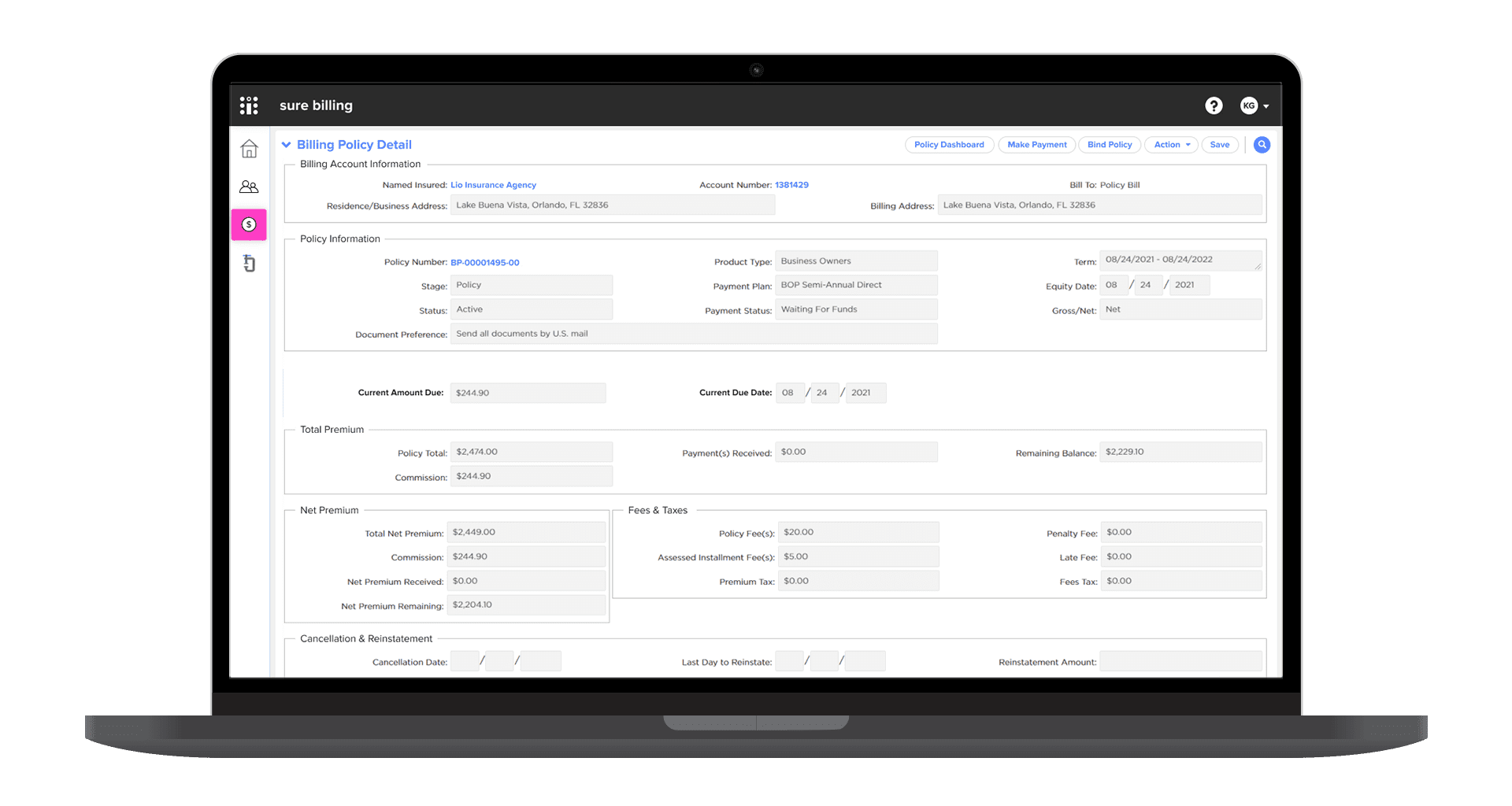
- Premium Billing and Collection Module: Group insurance often involves complex billing structures, including employer-paid, employee-paid (voluntary), and contributory plans. This module calculates premiums based on age-banded rates or salary-based formulas and generates invoices for the plan sponsor.
- Underwriting and Evidence of Insurability (EOI) Workflow: When an employee opts for coverage above the "guaranteed issue" amount, the system triggers an EOI request. It manages the digital collection of health information and tracks the status of the underwriting decision, automatically updating the coverage status upon approval.
- Claims Processing Interface: This module manages the intake of death claims or accelerated benefit requests. It verifies the policyholder’s active status at the time of the event, checks for beneficiary designations, and facilitates the payout process.
Operational Prerequisites and Data Integrity
The effectiveness of a policy administration system is entirely dependent on the quality of data input. Organizations must prioritize "data hygiene" to ensure that the system functions correctly.
- Standardized Interfaces: Most systems require integration via APIs (Application Programming Interfaces) or secure file transfers (EDI 834 files are the industry standard for benefit enrollment). These interfaces must be configured to map payroll codes directly to insurance plan codes.
- Compliance Rulesets: Administrators must ensure that the system is configured to reflect the current legal environment, including ERISA (Employee Retirement Income Security Act) requirements in the United States or local equivalent regulations in other jurisdictions.
- Governance Controls: Access to the administration system must be strictly controlled through role-based access control (RBAC). This prevents unauthorized changes to beneficiary information or salary data, which are critical for calculating potential claim payouts.
Comparison of Administrative Delivery Models
| Model | Primary User | Control Level | Technical Requirement |
|---|---|---|---|
| Carrier-Native Systems | Insurance Carrier | High (Standardized) | Low (Out-of-the-box) |
| Third-Party TPA Platforms | Benefits Administrator | Very High (Custom) | High (Integrations) |
| SaaS Benefit Exchanges | Employer / Broker | Medium (Configurable) | Moderate (Cloud-based) |
| Custom Enterprise Stacks | Large Insurance Firm | Maximum | Extreme (Legacy Dev) |
Managing Lifecycle Events: From Enrollment to Termination
The "policy lifecycle" within these systems is not a linear path but a series of recursive events. When an employee is hired, the system triggers an enrollment period. If the employee selects life insurance, the system confirms eligibility and calculates the initial premium.
When the employee undergoes a "Life Event"—such as marriage, divorce, or the birth of a child—the system must handle "Change of Status" requests. For instance, an employee may wish to increase their supplemental life coverage. The administration system must check the plan rules: Does this increase require EOI? Is the employee within the 30-day window allowed by the plan? Automating these logic gates is the primary value proposition of the system, reducing the margin for human error that often leads to disputed claims.
Troubleshooting Common Administrative Failures
Even the most robust systems encounter failures, typically originating from data synchronization errors between the HRIS and the carrier. Common issues include:
- Ghost Enrollments: These occur when a terminated employee remains active in the carrier’s system because the payroll department failed to transmit a termination signal to the insurance portal. This leads to erroneous premium billing.
- Discrepancies in Coverage Tiers: Often, salary-based coverage updates fail to trigger because the payroll system does not provide the "annual salary" field with the necessary frequency.
- Beneficiary Data Decay: Beneficiary information is often static for years. If a system does not provide a digital "check-in" feature for employees to review their designations annually, claims processing can be significantly delayed during an already difficult time for the beneficiary.
Practical Steps for System Implementation and Maintenance
For those tasked with managing or implementing a group life insurance administration system, consider the following roadmap:
- Define Requirements Early: Map out every coverage type and eligibility rule before configuring the software. Do not attempt to "force-fit" complex plan designs into a rigid system.
- Conduct Quarterly Audits: Even with automated systems, perform a reconciliation report comparing the "Active Lives" count in the payroll system against the "Billable Lives" count in the insurance system.
- Invest in User Experience (UX): If the portal is difficult for employees to navigate, they will not maintain their beneficiary information. A clean, intuitive employee-facing interface directly impacts the data quality of the backend system.
- Prioritize Security: Given that these systems contain sensitive PII (Personally Identifiable Information) and health data, ensure that all data in transit and at rest is encrypted according to 2026 cybersecurity standards.
Frequently Asked Questions
What is an EDI 834 file in the context of policy administration? An EDI 834 is a standardized electronic format used for transferring benefit enrollment information. It allows the employer’s system to "speak" to the insurance carrier’s system, automatically adding, changing, or terminating coverage for employees without manual data entry.
How does the system calculate premiums for age-banded life insurance? The system uses the employee’s birth date to place them into the correct "band" (e.g., 30-34, 35-39). As the employee moves into a new age band, the system automatically adjusts the premium rate at the next policy renewal or the start of the new plan year.
What happens if the policy administration system goes offline? Most systems have redundant cloud hosting to prevent downtime. However, for critical tasks like claims processing, carriers maintain "business continuity plans," which may include manual processing protocols until the system is restored.
Can an employer use multiple administration systems for different insurance carriers? Yes, though it increases complexity. Many employers utilize a "Benefits Administration" (BenAdmin) platform that acts as a central hub, pushing data to multiple different insurance carrier portals simultaneously.
Why is Evidence of Insurability (EOI) required? EOI is required to protect the insurer from "adverse selection." It ensures that individuals who know they have significant health risks cannot sign up for massive amounts of coverage without the insurer having the opportunity to review their medical history.
Recommendation for Success
To maximize the value of your group life insurance policy administration system, treat it as a living asset rather than a static expense. Establish a formal quarterly reconciliation process between your HR payroll data and your insurance billing statements. This simple discipline prevents the accumulation of "ghost" coverage, ensures accurate beneficiary records, and significantly accelerates the speed at which claims can be paid, ultimately providing better service to your covered employees.
Image Gallery