Laufersweiler Sievers Funeral Home: Cremation Services, Obituary Search, and Planning Guide
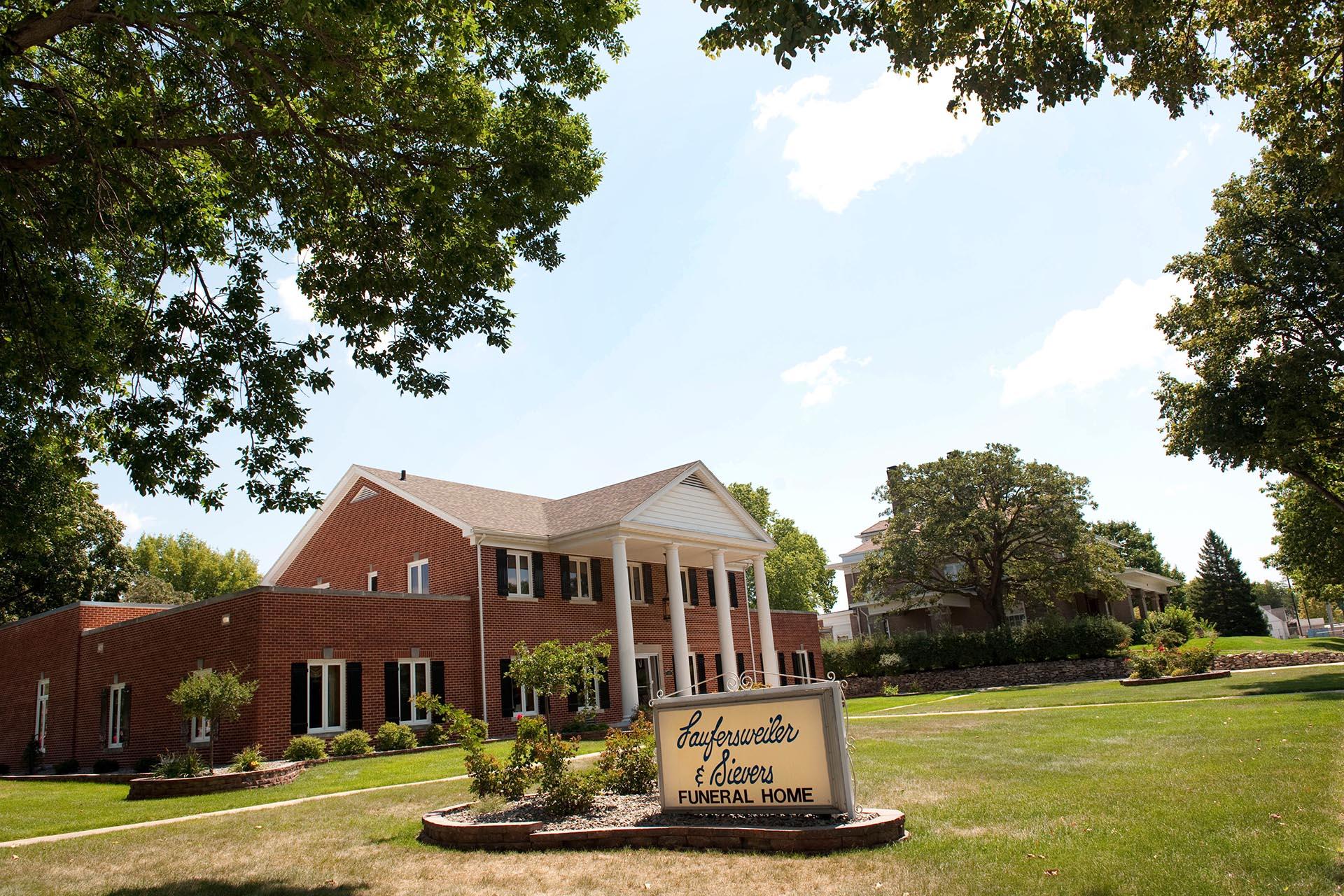
Laufersweiler-Sievers Funeral Home in Fort Dodge, Iowa, provides comprehensive end-of-life care, including traditional burial, direct cremation, memorial services, and online obituary publishing. Families can access recent obituaries,...
Laufersweiler-Sievers Funeral Home in Fort Dodge, Iowa, provides comprehensive end-of-life care, including traditional burial, direct cremation, memorial services, and online obituary publishing. Families can access recent obituaries, send condolences, arrange personalized tributes, or manage pre-planning through their long-standing Webster County facility located at 307 South 12th Street.
Contents
End-of-Life Care and Family Support in Fort Dodge
Serving Fort Dodge and the broader Webster County community, Laufersweiler-Sievers Funeral Home offers compassionate, structured deathcare services tailored to diverse religious, secular, and personal traditions. When a death occurs, families face numerous immediate decisions involving logistical, legal, and ceremonial arrangements. Professional guidance ensures that state statutory requirements, such as vital statistics recording and transit permit issuance under Iowa Department of Health and Human Services guidelines, are handled accurately alongside personal tributes.
Funeral directors at the facility coordinate every stage of the process, from initial transport from local healthcare facilities like UnityPoint Health – Trinity Regional Medical Center to the final committal at area cemeteries or cremation processing. Understanding the distinction between available service formats helps families select an arrangement that honors their loved one while adhering to personal preferences and financial considerations.
Accessing and Managing Obituaries
Obituaries serve a dual purpose: notifying the community of a death and upcoming service times, while creating a permanent historical record of an individual's life, family lineage, and achievements. Accessing or publishing an obituary through Laufersweiler-Sievers Funeral Home involves specific digital and administrative procedures.
Searching Online Obituary Archives
To locate current or archived obituary notices:
- Direct Web Access: Navigating the official funeral home portal provides access to real-time service schedules, visitation hours, and digital guestbooks where community members can post memories or send virtual tributes.
- Search Filters: Archives can typically be filtered by full name, date of passing, or publication year to locate records for genealogy research or past memorial details.
- Interactive Features: Online notices often link directly to floral tribute orders, local charity donation pages requested by the family, and live-stream links for remote service attendance.
Preparing an Obituary Notice
When drafting an obituary with the assistance of a funeral director, families should gather standard information to ensure accuracy:
- Full Legal Name and Name Variants: Include maiden names, common nicknames, or suffixes.
- Dates and Places: Exact dates of birth and passing, along with primary places of residence throughout life.
- Surviving and Predeceased Family: Names of spouse, children, grandchildren, siblings, and parents, maintained in standard genealogical order.
- Service Details: Exact times, dates, and physical addresses for visitations, religious services, rosaries, or grave-side committals.
- Memorial Designations: Clear instructions for memorial funds, non-profit contributions, or community organizations in lieu of flowers.
Cremation and Burial Service Options
Selecting between traditional earth burial and cremation dictates the sequence of events, legal documentation needed, and total cost structure. Laufersweiler-Sievers Funeral Home accommodates a spectrum of choices, ensuring respect and precise chain-of-custody handling at every step.
Note: ASCII art and code block formats are prohibited. All data is formatted via clean standard Markdown tables below.
| Service Option | Core Components Included | Typical Scope & Logistics | Facility & Equipment Needs |
|---|---|---|---|
| Traditional Funeral & Burial | Professional staff setup, embalming, dressing, public visitation/viewing, chapel or church ceremony, hearse transport, graveside committal. | Multi-day schedule; requires casket, burial vault, and cemetery plot coordination within Webster County or surrounding areas. | Full utilization of viewing rooms, chapel, hearse, and coordination with cemetery ground crews. |
| Full Service Cremation | Embalming, public viewing using a rental casket, formal funeral or church service, followed by cremation processing. | Identical to traditional funeral ceremonies up to the point of committal; final disposition occurs via cremation rather than burial. | Viewing facilities, ceremonial casket rental, and cremation authorization processing. |
| Cremation with Memorial Service | Direct cremation executed first; public or private memorial gathering held subsequently with the urn present. | Flexible timing; service can occur days or weeks after passing; eliminates embalming requirements. | Gathering space or chapel usage without active embalming or viewing requirements. |
| Direct Cremation | Transport from place of death, basic professional services, mandatory waiting period management, administrative filings, and standard cremation container. | No public viewing or formal ceremony at the funeral home; simplest legal disposition path. | Processing facilities, filing of death certificates, and return of cremated remains to designated family representative. |
Iowa Legal Framework and Pre-Need Planning
End-of-life planning in Iowa operates under clear legal guidelines designed to protect consumers and ensure administrative compliance. Pre-planning allows individuals to specify their preferences for burial or cremation, choose specific caskets or urns, and prepay for services to lock in pricing against inflation.
Iowa Pre-Need Regulations Under Iowa Code Chapter 523A, funds paid for pre-need funeral contracts must be held in regulated trust accounts or backed by specialized life insurance policies. This guarantees that funds remain secure and accessible when needed, regardless of time elapsed.
Essential Steps for Pre-Arrangement
- Documenting Preferences: Record specific desires regarding disposition (cremation vs. burial), service location, music choices, and clergy involvement.
- Selecting Funeral Merchandise: Pre-select caskets, vault lines, urns, or keepsake jewelry to eliminate decision-making pressure for surviving relatives.
- Financial Structuring: Establish guaranteed or non-guaranteed pre-need contracts using trust-funded or insurance-funded structures compliant with Iowa Department of Insurance and Financial Services regulations.
- Medicaid Spend-Down Compliance: Pre-funded funeral trusts can be structured as irrevocable contracts, allowing individuals qualifying for Medicaid or Title XIX assistance in Iowa to set aside funds for funeral costs without exceeding asset limits.
Step-by-Step Action Guide: What to Do When a Death Occurs
Navigating the hours immediately following a death requires sequential actions depending on the location and circumstances of passing.
Phase 1: Initial Notifications
- In a Hospital or Care Facility: Staff members contact the designated attending physician and local authorities, then notify the funeral home upon family request.
- At Home Under Hospice Care: Contact the attending hospice nurse directly. The nurse verifies the passing, contacts the physician, and coordinates transport timing with Laufersweiler-Sievers Funeral Home.
- Unattended or Unexpected Death: Call emergency services (911) immediately. Local law enforcement and the Webster County Medical Examiner must evaluate the scene before the body can be released to a funeral home.
Phase 2: The Arrangement Conference
Within 24 to 48 hours of transport, family members meet with a licensed funeral director to finalize choices:
- Bring essential identity documents for the deceased, including Social Security number, military discharge papers (Form DD-214 if applicable), and legal identification.
- Complete the vital statistics worksheet required for the Iowa Electronic Death Registration System (EDRS).
- Review and approve obituary text, service schedules, and pallbearer lists.
- Select merchandise such as caskets, memorial folders, vault units, or cremation urns.
Phase 3: Post-Service Administrative Wrap-Up
- Death Certificates: Certified copies are issued through the Iowa Department of Health and Human Services or the Webster County Recorder’s Office. These are required for closing bank accounts, transferring real estate, and processing life insurance claims.
- Social Security Notification: The funeral home automatically submits Form SSA-721 to notify the Social Security Administration of the passing.
- Veterans Benefits: If eligible, staff assist families in applying for VA burial allowances, presidential memorial certificates, and U.S. flag presentation ceremonies.
Facility Location and Operational Logistics
Laufersweiler-Sievers Funeral Home is situated in central Fort Dodge, providing accessible parking, handicap-accessible entryways, and adaptable interior spaces for small family gatherings or large public visitations.
- Physical Address: 307 South 12th Street, Fort Dodge, IA 50501
- Geographic Relevance: Serves Fort Dodge, Webster City, Humboldt, Manson, Dakota City, and surrounding Webster County townships.
- Coordination Capabilities: Direct coordination with local faith communities, veterans organizations (such as VFW Post 1856 and American Legion Center), and municipal cemeteries including North Lawn Cemetery, Corpus Christi Cemetery, and Saint Joseph Cemetery.
Frequently Asked Questions
How can I locate current obituaries published by Laufersweiler-Sievers Funeral Home?
Current notices are published directly on the official Laufersweiler-Sievers website, detailing service schedules, visitation hours, and online guestbooks. Local community newspapers, such as The Messenger in Fort Dodge, also print condensed or full notices based on family requests.
What is required to arrange cremation in Webster County, Iowa?
Iowa law requires a signed cremation authorization form from the legal next-of-kin, alongside a completed death certificate signed by an attending physician or medical examiner. Additionally, Iowa mandates a state-regulated waiting period before cremation can take place.
Can existing pre-need funeral plans be transferred to Laufersweiler-Sievers?
Yes, pre-need funeral contracts established at other funeral homes are generally transferable under Iowa law. Families can request an administrative transfer of the trust or insurance policy directly to Laufersweiler-Sievers Funeral Home without forfeiting accumulated value.
What documents are needed to secure military honors for a deceased veteran?
To arrange military honors, including the folding and presentation of the American flag and Taps played at committal, families must provide the deceased veteran's military discharge document (Form DD-214 or equivalent separation papers).
How many certified copies of the death certificate should a family request?
Most families require between 3 to 10 certified copies depending on the complexity of the estate. Institutions requiring original certified copies typically include life insurance companies, financial institutions holding sole-name accounts, real estate title transfer offices, and pension administrators.
Planning a funeral service or navigating the loss of a loved one requires clear information and dependable professional guidance. Laufersweiler-Sievers Funeral Home provides dedicated support for traditional burials, modern cremation options, and pre-need planning across Fort Dodge and Webster County. Contact their staff directly to discuss specific service arrangements, request assistance with obituary submissions, or begin pre-planning services tailored to your family's needs.
Image Gallery