How to Choose the Right Turkey Vacuum Seal Bags
To choose the right turkey vacuum seal bags, you must first identify your sealer type (suction or chamber), as this determines whether you need textured or smooth bags. Next, select a size—typically 11x16 inches or larger—that accommod...
To choose the right turkey vacuum seal bags, you must first identify your sealer type (suction or chamber), as this determines whether you need textured or smooth bags. Next, select a size—typically 11x16 inches or larger—that accommodates the bird’s volume, and prioritize 4-mil to 5-mil thickness to prevent bone punctures during long-term freezer storage.
Contents
In 2026, the technology behind food preservation has become more specialized, offering a wider array of materials designed to prevent freezer burn and oxidation. When dealing with a large, irregularly shaped, and bone-in protein like a turkey, standard kitchen bags often fall short. Choosing the wrong bag can lead to seal failure, which results in the loss of expensive meat to dehydration and microbial growth. This guide breaks down the technical specifications and practical requirements for selecting the optimal vacuum seal bags for whole turkeys, quarters, or crowns.
Understanding Your Vacuum Sealer Compatibility
The most common mistake when purchasing vacuum seal bags is mismatching the bag texture with the machine's vacuum mechanism. As of 2026, the market remains divided between two primary technologies: external suction sealers and chamber vacuum sealers.
Suction (Edge) Sealers
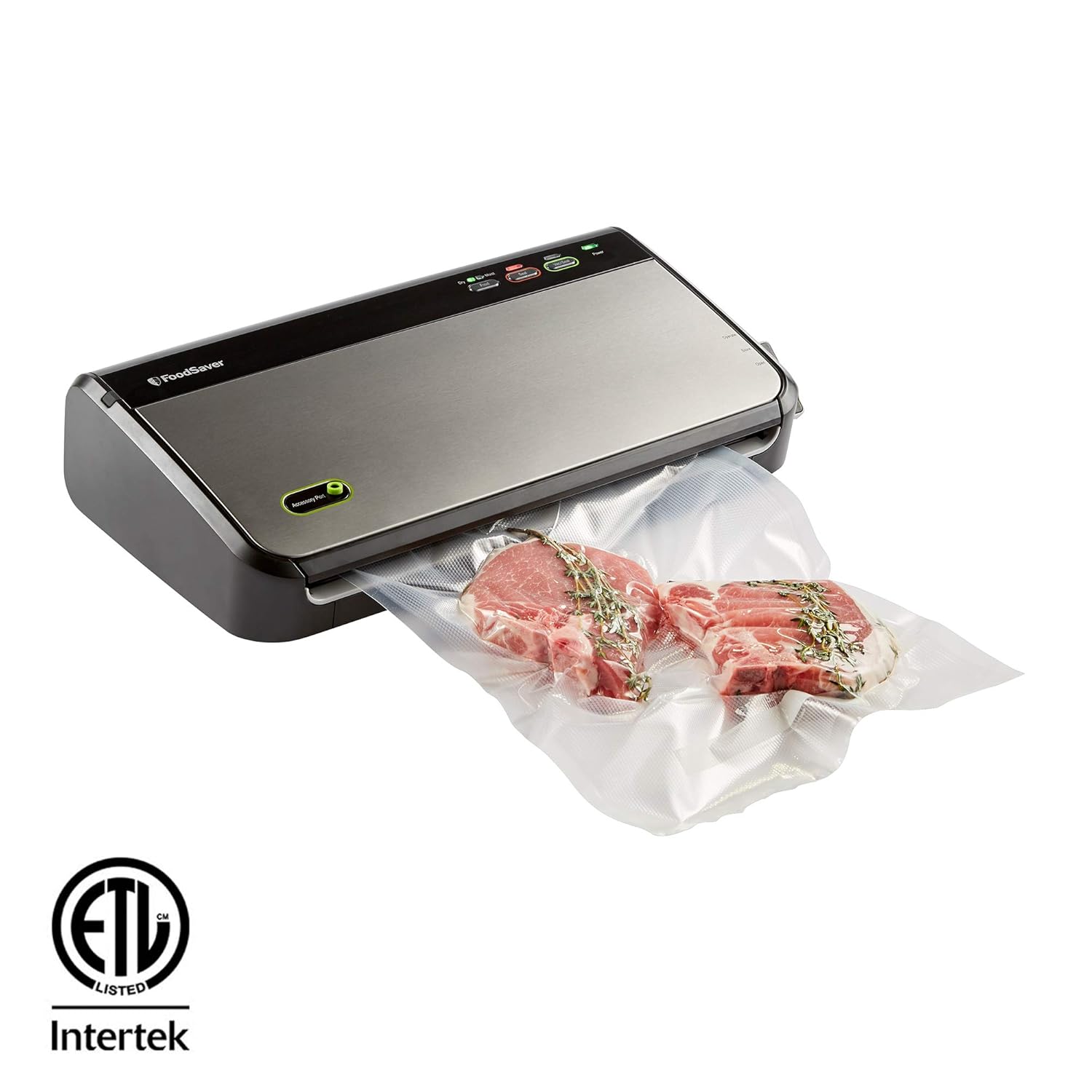
Suction sealers, such as those produced by FoodSaver or Weston, require embossed or textured bags. These bags have micro-channels on one or both sides that allow the air to be drawn out of the bag while the opening is clamped shut. Without these channels, the two smooth layers of plastic would press together and create a seal before all the air is evacuated, leaving oxygen pockets around the turkey. If you own an external suction sealer, you must look for "embossed" or "channeled" bags.
Chamber Vacuum Sealers
Chamber sealers work by equalizing the pressure inside the entire chamber, meaning they do not require textured channels to pull air out. Consequently, they use smooth bags. These are significantly less expensive than embossed bags and are often available in much larger dimensions, which is ideal for whole-turkey preservation. Using an embossed bag in a chamber sealer is technically possible but unnecessary and more expensive. Conversely, using a smooth bag in a suction sealer will fail every time.
Sizing and Dimensions for Whole Turkeys
A standard "gallon-size" bag is almost never sufficient for a whole turkey. Even a small 10-pound bird has a girth that exceeds the capacity of standard 11-inch wide bags. For whole-bird preservation, you must consider both the width of the sealer bar and the volume of the bag.
The 15-Inch Width Requirement
Most high-end suction sealers now offer 15-inch wide sealing bars. If you are sealing a whole turkey, you should look for 15-inch wide rolls or pre-cut bags. This width allows the bird to sit comfortably without stretching the plastic too thin, which can lead to stress fractures in the material. If your sealer only handles 11-inch widths, you will likely need to break the turkey down into halves or quarters.
Calculating Necessary Length
When using rolls to custom-size your bags, the rule of thumb in 2026 remains the same: add at least 5 to 6 inches of "headspace" beyond the length of the turkey. This extra material is necessary for two reasons:
- Machine Clearance: The sealer needs enough flat plastic to reach the heat bar without being tugged by the weight of the bird.
- Liquid Migration: Turkeys often contain residual moisture or brine. The extra headspace provides a "buffer zone" where moisture can travel during the vacuum process without reaching and ruining the heat seal.
Material Composition and Thickness (Mils)
The "mil" is a measurement of thickness (1/1000th of an inch), and it is the single most important factor for preventing punctures. Turkeys have sharp points—specifically the wing tips, the breast bone, and the leg bones—that can easily pierce a standard 3-mil bag once the vacuum pressure is applied.
4-Mil and 5-Mil "Heavy Duty" Options
For bone-in poultry, experts recommend a minimum of 4-mil thickness. In 2026, many manufacturers have introduced 5-mil "extreme" bags specifically for hunters and bulk-buy enthusiasts. These thicker bags provide a more robust oxygen barrier and are much more resistant to the abrasive "shifting" that occurs in a crowded freezer.
Co-Extruded Layers
Beyond thickness, check the construction of the plastic. High-quality turkey bags are usually 7-layer or 9-layer co-extruded. This means multiple layers of polyethylene (for the moisture barrier and heat seal) and nylon (for strength and the oxygen barrier) are bonded together. This multi-layer construction ensures that even if the outer layer is scuffed, the internal oxygen barrier remains intact.
The Role of Gusseted Bags
One of the most significant advancements for large-item sealing is the gusseted vacuum bag. Standard vacuum bags are flat (two-dimensional), which causes them to "tent" or pull tightly over the high points of a turkey breast, creating large air gaps in the cavities.
Gusseted bags feature folded sides that expand into a three-dimensional shape. This allows the bag to conform much more closely to the contours of a whole turkey.
- Reduced Stress: Because the bag naturally expands, there is less tension on the plastic, reducing the risk of "pinhole" leaks.
- Efficient Storage: By removing the air more effectively from the cavity areas, the overall package is more compact, saving valuable freezer space.
Comparison of Turkey-Appropriate Vacuum Bag Types
| Bag Type | Recommended Sealer | Best Use Case | Pros | Cons |
|---|---|---|---|---|
| Standard Embossed (3-mil) | Suction | Turkey Breasts/Quarters | Inexpensive, widely available | High risk of bone punctures |
| Heavy-Duty Embossed (4+ mil) | Suction | Whole Turkeys (Small/Med) | Puncture resistant, long-term | More expensive than standard |
| Smooth Chamber Bags | Chamber | Whole Turkeys (Large) | Lowest cost per bag, very strong | Requires expensive machinery |
| Gusseted Bags | Suction or Chamber | Whole Turkeys / Irregular Shapes | Best fit, eliminates air pockets | Harder to find in all sizes |
| Sous Vide Rated | Either | Brined/Pre-seasoned Turkeys | High temp resistant (up to 212°F) | May have thinner oxygen barriers |
Food Safety, BPA, and Temperature Ratings
When choosing a bag, safety is as important as durability. Since turkey is often brined or seasoned before sealing, the plastic will be in direct contact with fats and acids for months.
- BPA and Phthalate-Free: Ensure the bags are certified free of bisphenol A and phthalates. In 2026, this is a standard for reputable brands, but it is still worth verifying on the packaging.
- Temperature Stability: If you plan to use the "bag-in" method for defrosting in warm water or if you intend to cook the turkey via sous vide, the bag must be rated for high temperatures. Look for bags specifically labeled as "Boil-Safe" or "Sous Vide Ready." Standard bags can delaminate or leach chemicals when exposed to heat above 160°F (71°C).
- Oxygen Transmission Rate (OTR): For a turkey intended to stay in the freezer for 12 months or longer, a low OTR is vital. Nylon-heavy bags provide the best protection against the "off-flavors" caused by fat oxidation.
Common Mistakes to Avoid
- Buying "Oven Bags" by Accident: Many retailers stock heat-resistant Mylar oven bags near vacuum sealers. These are designed for roasting, not vacuum sealing. They will not hold a vacuum and will melt if used with a heat sealer.
- Overloading the Bag: If the turkey is too large for the bag, you will see "wrinkles" in the seal area. Even a microscopic wrinkle acts as a straw, allowing air to slowly leak back into the bag over several weeks.
- Ignoring Bone Guard: If you must use a thinner (3-mil) bag, use a "bone guard" strip or a piece of folded parchment paper over the sharpest parts of the turkey before sealing. This adds a layer of physical protection between the bone and the plastic.
Frequently Asked Questions
Can I use a vacuum bag for a frozen turkey?
Yes, you can vacuum seal a turkey that is already frozen. In fact, this is often easier because the bird is "set" in its shape and won't release juices that could interfere with the seal. However, ensure the bird is free of any sharp ice crystals that could puncture the plastic during the vacuum process.
How long will a turkey last in a high-quality vacuum bag?
In 2026, with a proper 4-mil bag and a high-vacuum seal, a turkey can remain high-quality in a deep freezer (0°F or lower) for 2 to 3 years. Without vacuum sealing, freezer burn typically sets in within 6 to 9 months. The vacuum seal removes the oxygen that allows fats to become rancid and prevents the sublimation of water molecules that causes dry, woody meat.
Do I need a special bag for a brined turkey?
If you are sealing a turkey that has been wet-brined, you need a bag with a liquid block or extra headspace. Suction sealers struggle with liquids; if the brine is sucked into the seal area, the bag will not fuse. Using a "Moisture Block" bag, which has a built-in absorbent strip, can help ensure a secure seal even if some liquid escapes.
Are "Extra-Large" rolls better than pre-cut bags?
Rolls offer more flexibility, which is beneficial for turkeys because their sizes vary significantly. With a roll, you can ensure you have the exact 5-6 inches of headspace needed. Pre-cut bags are more convenient but often lead to waste if they are slightly too big, or failure if they are slightly too small.
Can I reuse a turkey vacuum seal bag?
Generally, it is not recommended to reuse bags that held raw poultry due to the risk of cross-contamination and the difficulty of sanitizing the textured channels. Furthermore, the heat-seal process shrinks the plastic, making a second seal less reliable. For a high-stakes item like a whole turkey, always use a fresh, high-quality bag.
Practical Recommendation
For the best results in 2026, purchase 15-inch wide, 4-mil or 5-mil gusseted rolls. This combination provides the physical space needed for a large bird, the three-dimensional expansion to eliminate air pockets, and the structural integrity to prevent punctures. Before sealing, always double-check the seal for any wrinkles and store the bird in the coldest part of your freezer to ensure maximum shelf life.
Image Gallery