Essential Guide to the Iconic Characters from Charlie Brown and the Peanuts Universe
The beloved characters from Charles M. Schulz's comic strip "Peanuts"—led by Charlie Brown, Snoopy, and a memorable cast of neighborhood children—form one of the most enduring cultural touchstones in entertainment history, captivating...
The beloved characters from Charles M. Schulz's comic strip "Peanuts"—led by Charlie Brown, Snoopy, and a memorable cast of neighborhood children—form one of the most enduring cultural touchstones in entertainment history, captivating audiences across generations with their poignant blend of childhood philosophy, gentle humor, and relatable vulnerability.
Contents
The Cultural Legacy of Charles M. Schulz and the Peanuts Gang
Understanding the enduring appeal of the Peanuts universe requires looking back at how Charles M. Schulz revolutionized comic strips starting in October 1950. Unlike many contemporary strips that relied on slapstick or adult cynicism, Peanuts anchored its narrative voice in the genuine interior lives of children. The characters from Charlie Brown represented a radical departure from traditional depictions of childhood in media; they were philosophical, prone to existential doubt, and intimately familiar with disappointment.
Schulz famously refused to draw adult characters on screen or write dialogue for them, ensuring that the entire universe remained strictly bound to the perspective of children. This creative choice allowed the strip to tackle complex themes—including unrequited affection, commercialism, athletic failure, and philosophical anxiety—while maintaining a deceptively simple aesthetic. Today, the intellectual property remains a global phenomenon managed by Peanuts Worldwide, influencing modern animation, fashion, and pop culture.
Core Personalities and Their Psychological Blueprints
At the heart of the strip is a distinct ensemble of characters, each embodying specific behavioral traits and archetypes that make the dynamic endlessly engaging.
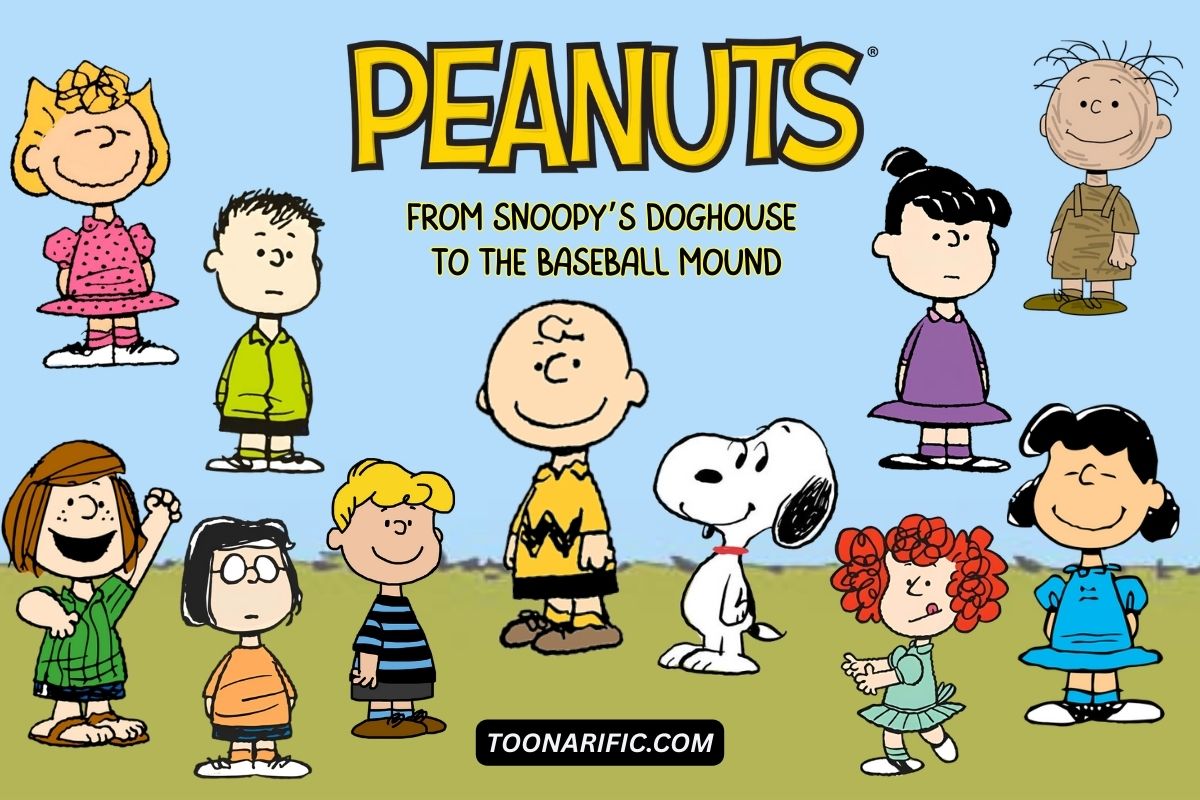
- Charlie Brown: The titular everyman and perennial underdog. Recognized by his iconic zigzag-patterned yellow shirt, Charlie Brown is defined by his unwavering perseverance in the face of inevitable failure. Whether attempting to fly a kite that inevitably gets eaten by a tree, managing a baseball team that loses every game, or mustering the courage to speak to the Little Red-Haired Girl, he symbolizes the human condition of trying again despite the odds.
- Snoopy: Charlie Brown’s imaginative pet beagle. Far from an ordinary dog, Snoopy lives a rich fantasy life atop his doghouse, writing novels, serving as a World War I Flying Ace fighting the Red Baron, and adopting various personas like Joe Cool. His dynamic with Charlie Brown balances affectionate loyalty with bemused detachment.
- Woodstock: Snoopy’s loyal, bird best friend. Communicating primarily through tiny vertical tick marks that only Snoopy can translate, Woodstock is small in stature but fierce in spirit, frequently participating in Snoopy's elaborate flights of fancy.
- Lucy van Pelt: The quintessential bossy, pragmatic, and cynical neighborhood psychologist. Operating her psychiatric booth for five cents, Lucy dispenses blunt, often harsh advice. She is perhaps best known for pulling the football away just as Charlie Brown runs up to kick it, an act driven by stubborn pragmatism rather than malice.
- Linus van Pelt: Lucy's younger brother and the intellectual philosopher of the group. Linus is inseparable from his blue security blanket and maintains an unwavering, albeit lonely, faith in the Great Pumpkin, who he believes will rise from the pumpkin patch on Halloween night.
- Schroeder: The Beethoven-obsessed musical prodigy who spends his days playing complex classical sonatas on a toy piano, completely unfazed by Lucy's unrequited romantic pursuits.
Comprehensive Comparison of Primary Peanuts Characters
To better understand how these classic figures interact within the narrative structure of the strip, the following table breaks down their defining traits, signature props, and primary narrative roles.
| Character Name | Signature Trait / Archetype | Iconic Prop or Setting | Primary Narrative Function |
|---|---|---|---|
| Charlie Brown | The Perpetual Underdog | Zigzag Shirt, Kite-Eating Tree | Represents resilience, vulnerability, and the universal experience of facing defeat. |
| Snoopy | The Imaginative Dreamer | Red Doghouse, Aviator Scarf | Provides escapist humor, fantasy subplots, and counter-balance to suburban reality. |
| Lucy van Pelt | The Bossy Pragmatist | Psychiatric Booth (5 Cents) | Drives comedic conflict, delivers blunt observations, and tests Charlie Brown's patience. |
| Linus van Pelt | The Intellectual Pacifist | Security Blanket, Pumpkin Patch | Offers philosophical depth, theological wonder, and gentle emotional grounding. |
| Schroeder | The Dedicated Artisan | Toy Piano, Bust of Beethoven | Represents artistic single-mindedness and resistance to social pressures. |
| Sally Brown | The Philosophical Realist | School Desk, Coat Hanger | Questions societal rules with innocent logic and exasperated pragmatism. |
Secondary Characters Who Expanded the Neighborhood
As the strip evolved over decades, Schulz introduced a robust supporting cast that added new comedic and dramatic dimensions to the neighborhood.
Sally Brown, Charlie Brown’s younger sister, entered the strip in 1959 and quickly carved out a niche with her unique spin on school life, theological confusion, and deep-seated laziness regarding homework. Pig-Pen, permanently enveloped in a personal cloud of dust, challenged conventional notions of cleanliness and societal expectations, famously noting that his dust was ancient history.
Marcie and Peppermint Patty introduced a distinct dynamic. Peppermint Patty, an athletic tomboy who struggles academically and falls asleep at her desk, relies on her studious, soft-spoken friend Marcie—who invariably addresses her as "Sir"—to navigate the complexities of school life and sports. Meanwhile, Franklin, introduced in 1968, brought a calm, well-adjusted presence to the neighborhood, participating in school and play with the rest of the gang.
The Evolution of Peanuts in Animation and Pop Culture
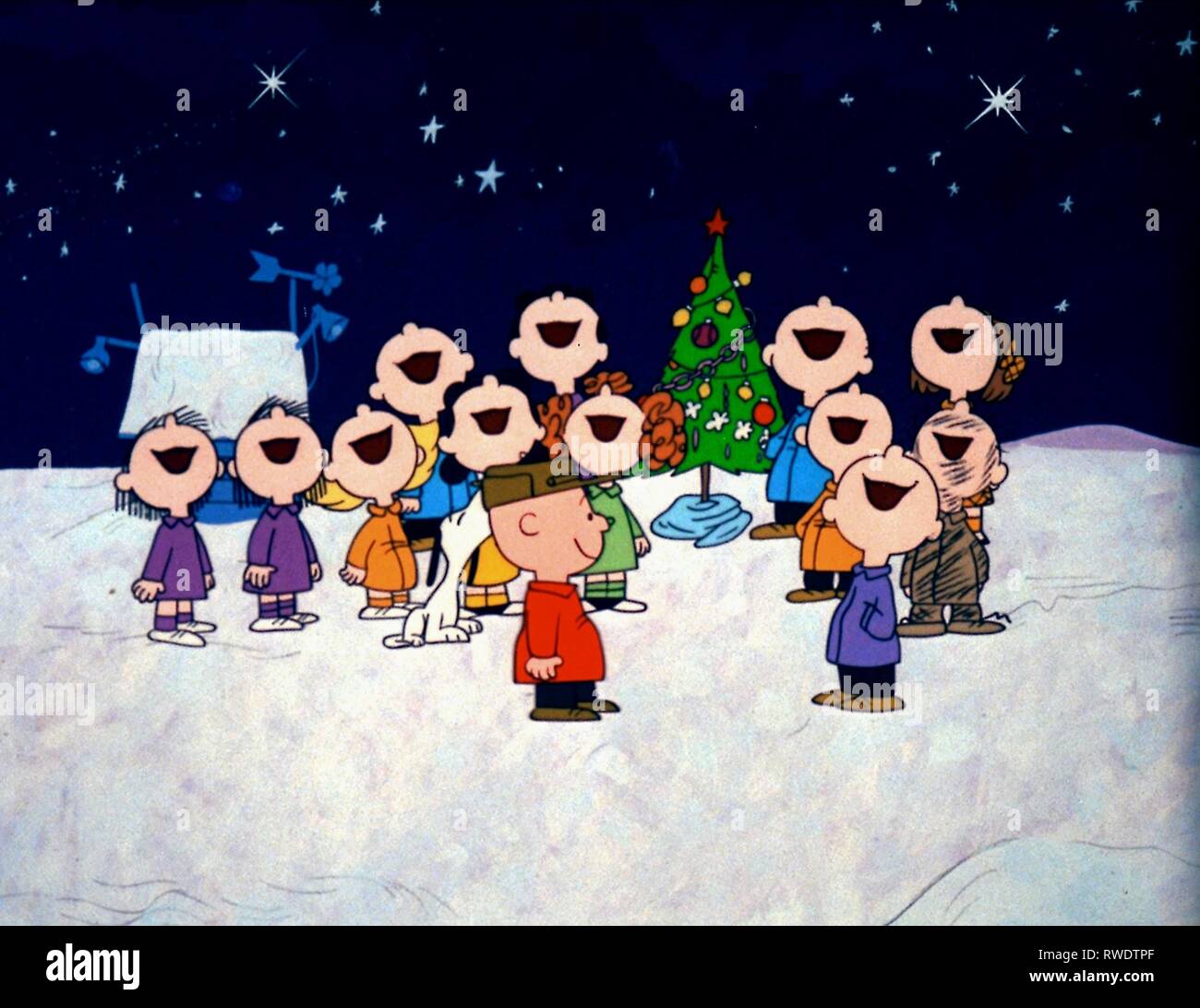
The transition of these characters from print to television and film cemented their status in global popular culture. The landmark 1965 animated special, A Charlie Brown Christmas, directed by Bill Melendez and featuring an iconic jazz score by Vince Guaraldi, proved that audiences craved authentic storytelling that did not talk down to children. The special famously addressed the commercialization of the holidays alongside themes of loneliness and existential questioning.
Subsequent specials, including It's the Great Pumpkin, Charlie Brown and A Charlie Brown Thanksgiving, expanded the visual identity and sonic landscape of the franchise. The distinct sound of adult voices transformed into muted trombone wah-wahs ("bleah, bleah, bleah") became a universally recognized creative signature, keeping the focus entirely on the worldview of the child characters.
Frequently Asked Questions About the Peanuts Gang
Who is the main character of Peanuts?
Charlie Brown is the central protagonist of the Peanuts universe. Although his beagle Snoopy often shares equal or greater cultural visibility, the narrative core revolves around Charlie Brown's daily trials, friendships, and attempts to find dignity in failure.
Why does Lucy always pull the football away from Charlie Brown?
Lucy pulls the football away because she believes Charlie Brown will never learn to trust her past actions, viewing the repeated prank as a logical exercise in human nature. This running gag serves as a metaphor for recurring disappointment and misplaced optimism.
What is the significance of Linus's security blanket?
Linus's blanket represents the universal psychological need for comfort and emotional security in an unpredictable world. Charles M. Schulz introduced the trope to mainstream popular culture, noting that childhood attachments to transitional objects are completely natural.
Does Charlie Brown ever successfully kick the football?
In the comic strip continuity, Charlie Brown never successfully kicks the football from Lucy. However, animated adaptations and retrospective media occasionally play with audience expectations regarding his athletic fortunes.
Who is the Little Red-Haired Girl?
The Little Red-Haired Girl is Charlie Brown's idealized, unattainable romantic interest who represents the anxiety of unrequited love and self-doubt. While she rarely speaks or appears in the early strips, her presence looms large over Charlie Brown's social aspirations.
Conclusion and Engagement
Exploring the rich tapestry of characters from Charlie Brown reveals why the Peanuts universe remains as fresh and resonant today as it was decades ago. Whether you are revisiting classic comic collections, enjoying holiday television specials, or introducing the gang to a new generation of readers, Charles M. Schulz’s timeless creations continue to offer comfort, wisdom, and laughter. Dive back into the neighborhood today by exploring original comic archives or sharing your favorite Peanuts moments with fellow fans.
Image Gallery