Comprehensive Guide: What the Omega Extended Car Warranty Covers in 2026
An Omega extended car warranty, technically known as a vehicle service contract, provides financial protection against mechanical breakdowns after a manufacturer's warranty expires. Omega Auto Care offers three primary tiers: New Exclu...
An Omega extended car warranty, technically known as a vehicle service contract, provides financial protection against mechanical breakdowns after a manufacturer's warranty expires. Omega Auto Care offers three primary tiers: New Exclusive (exclusionary coverage), Used Stated (component-specific coverage), and Powertrain (essential systems). These plans cover parts, labor, and provide ancillary benefits like roadside assistance.
Contents
The landscape of vehicle ownership in 2026 emphasizes longevity, as the average age of vehicles on the road continues to climb. With modern vehicles integrating complex sensors, advanced driver-assistance systems (ADAS), and sophisticated infotainment units, the cost of out-of-pocket repairs has reached historic highs. Omega Auto Care remains a prominent provider in the vehicle service contract (VSC) market, functioning as both the administrator and the obligor for many of its plans. This dual role often simplifies the claims process for consumers.
To understand exactly what an Omega plan covers, one must distinguish between the different "levels" of protection. These plans are designed to accommodate varying vehicle ages, mileages, and budget constraints.
The Hierarchy of Omega Auto Care Coverage Plans
Omega classifies its coverage into three distinct categories. Each level dictates which mechanical and electrical components are eligible for repair or replacement when a failure occurs.
1. New Exclusive Coverage (Exclusionary)
The New Exclusive plan is the most comprehensive offering from Omega. It is often referred to as "bumper-to-bumper" coverage, though that is a marketing term rather than a legal one. In technical terms, this is an exclusionary policy.
In an exclusionary policy, the contract does not list what is covered; instead, it covers every mechanical and electrical part of the vehicle except for a specific list of excluded items. If a part is not explicitly listed under the "What is Not Covered" section, it is protected.
Commonly covered items in the New Exclusive plan include:
- Advanced electronics (GPS, backup cameras, parking sensors).
- High-tech safety systems (lane departure warnings, adaptive cruise control).
- All major engine, transmission, and drive axle components.
- Heating and cooling systems (compressors, condensers, heater cores).
- Braking systems (including ABS modules and master cylinders).
- Steering and suspension components.
2. Used Stated Component Coverage
For vehicles that no longer qualify for the New Exclusive tier due to age or mileage, the Used Stated plan provides a middle ground. This is a stated-component policy, meaning only the items explicitly listed in the contract are covered.
This plan is ideal for mid-life vehicles (typically 5 to 10 years old) where the owner wants protection against the most common failures without the higher premium of an exclusionary plan. Coverage usually includes:
- Engine & Transmission: Full coverage for internal lubricated parts.
- Electrical System: Alternator, starter motor, and power window motors.
- Air Conditioning: The primary mechanical components of the climate control system.
- Fuel System: Fuel pumps and fuel injection sensors.
- Steering & Suspension: Power steering pumps and ball joints.
3. Powertrain and Powertrain Plus
The Powertrain plan is the entry-level tier, focusing strictly on the "big ticket" items that keep a car moving. The Powertrain Plus variant often adds coverage for the air conditioning and basic electrical components.
These plans are typically reserved for high-mileage vehicles. While they do not cover "luxury" electronics or minor sensors, they protect owners from catastrophic financial loss resulting from a blown engine or a failed transmission.
Detailed Breakdown of Covered Systems
To appreciate the value of an Omega contract in 2026, it is helpful to look at the specific systems that frequently require professional intervention.
Engine and Drive Systems
All Omega plans cover the core of the vehicle. This includes the cylinder block, heads, and all internal lubricated parts such as pistons, connecting rods, camshafts, and valves. It also extends to the oil pump, water pump, and fuel pump. In 2026, turbochargers and superchargers—which are increasingly standard even in base-model vehicles—are typically covered if they were factory-installed.
Transmission and Transfer Case
The transmission is often the most expensive component to replace after the engine. Omega covers both automatic and manual transmissions, including the torque converter, vacuum modulator, and internal electronic control units. For vehicles with All-Wheel Drive (AWD) or 4WD, the transfer case and its internal components are also protected.
Advanced Electrical and Infotainment
As vehicles have evolved into "computers on wheels," the cost of electrical repairs has surged. Under the New Exclusive plan, Omega covers the Electronic Control Modules (ECMs), wiring harnesses, and the complex touchscreens that control vehicle functions. This is a critical area of coverage, as a single failed infotainment module can cost upwards of $2,500 in 2026.
Comparison of Omega Plan Features
The following table summarizes the primary differences between the tiers to help vehicle owners determine which level of protection aligns with their needs.
| Feature / System | New Exclusive | Used Stated | Powertrain Plus |
|---|---|---|---|
| Type of Contract | Exclusionary | Stated Component | Stated Component |
| Engine & Transmission | Yes | Yes | Yes |
| Drive Axle & Transfer Case | Yes | Yes | Yes |
| Air Conditioning/Heating | Yes | Yes | Yes |
| Electrical (Alternator/Starter) | Yes | Yes | Yes |
| Advanced Electronics (ADAS) | Yes | No | No |
| Brakes (Non-wear items) | Yes | Yes | No |
| Fuel System | Yes | Yes | No |
| Roadside Assistance | Included | Included | Included |
Essential Ancillary Benefits
Beyond the mechanical repairs, Omega includes several "quality of life" benefits that activate the moment a vehicle breaks down. These are designed to minimize the disruption to the driver’s schedule and finances.
- Roadside Assistance: This usually includes battery jump-starts, lockout services, flat tire changes, and fuel delivery. In 2026, many plans also include assistance for Electric Vehicles (EVs) that have run out of charge.
- Towing Services: If the vehicle cannot be driven safely, Omega covers towing expenses to the nearest licensed repair facility, up to a specified dollar limit per occurrence.
- Rental Car Reimbursement: Repairs can take days, especially if parts are backordered. Omega provides a daily allowance for a rental vehicle while the covered car is in the shop.
- Trip Interruption: If a breakdown occurs far from home (usually more than 100 miles), Omega may reimburse the owner for lodging and meals while waiting for repairs.
What is Not Covered? (Exclusions)
No vehicle service contract covers everything. It is vital for consumers to understand the standard exclusions to avoid surprises during a claim.
- Routine Maintenance: Oil changes, tire rotations, brake pads, spark plugs, and filters are the owner's responsibility.
- Wear and Tear Items: Components designed to wear out, such as wiper blades, light bulbs, upholstery, and trim pieces, are generally excluded.
- Pre-existing Conditions: Any mechanical issue that existed before the contract was purchased or during the initial waiting period will not be covered.
- Damage from Negligence: If a driver ignores a dashboard warning light or fails to maintain proper fluid levels, resulting in an engine seizure, the claim will likely be denied.
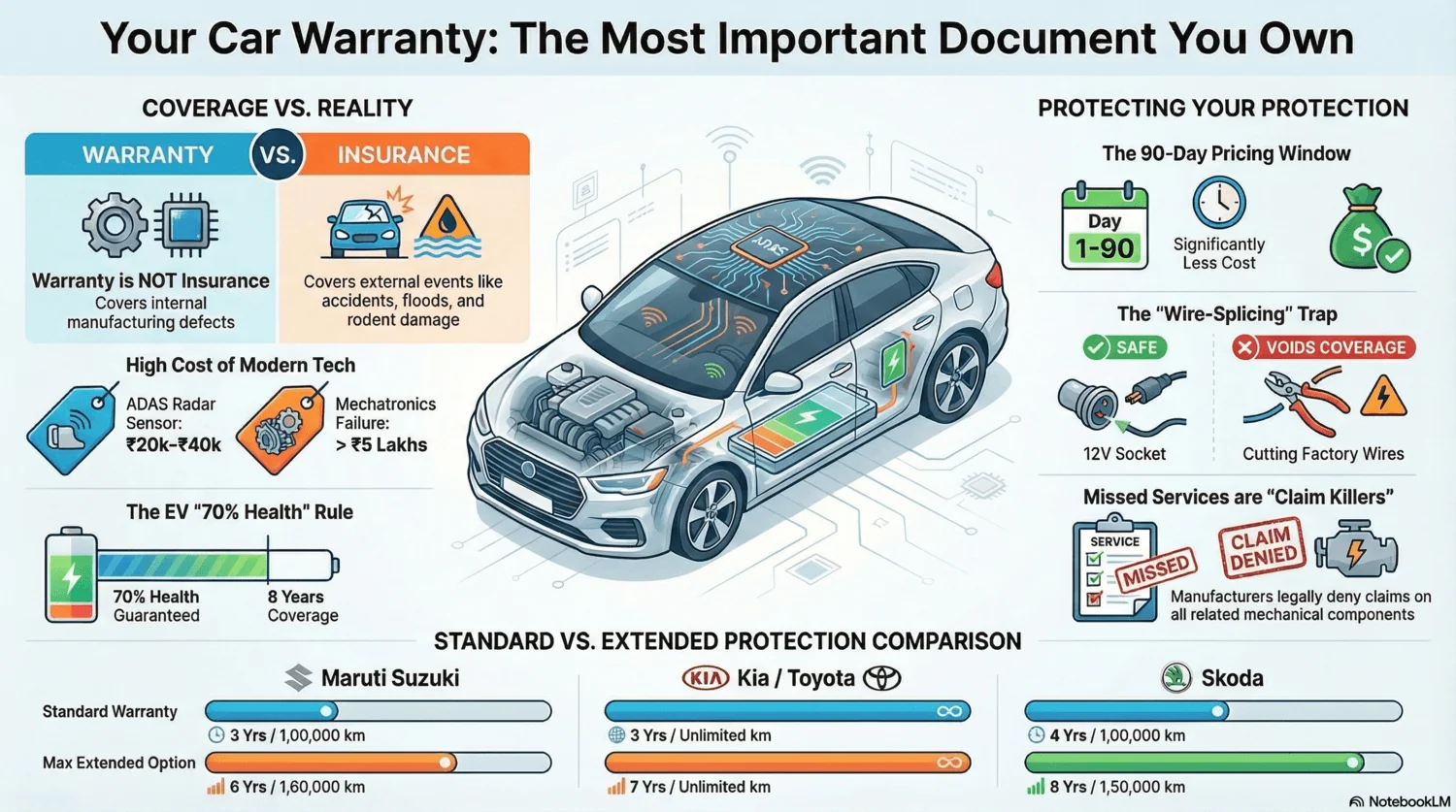
- Environmental or External Damage: Repairs necessitated by accidents, fire, theft, flood, or "acts of God" are the domain of auto insurance, not an extended warranty.
Maintenance Requirements to Maintain Coverage
To keep an Omega warranty valid in 2026, owners must adhere to a strict maintenance schedule. Omega requires that the vehicle be serviced according to the manufacturer’s recommendations.
Documentation is key. Owners must keep detailed receipts for every oil change and inspection. These receipts must show the date, the vehicle’s mileage, and the Vehicle Identification Number (VIN). If a mechanical failure occurs and the owner cannot prove the vehicle was properly maintained, Omega reserves the right to deny the claim. Many modern owners use digital maintenance logs, which are widely accepted as long as they are verified by a licensed repair facility.
The Claims Process: How Coverage is Applied
Understanding how to use the coverage is just as important as knowing what is covered. In 2026, the process is largely digitized.
- Prevent Further Damage: If the "Check Engine" or "Oil" light comes on, the driver must pull over immediately. Continuing to drive a failing vehicle can void the warranty.
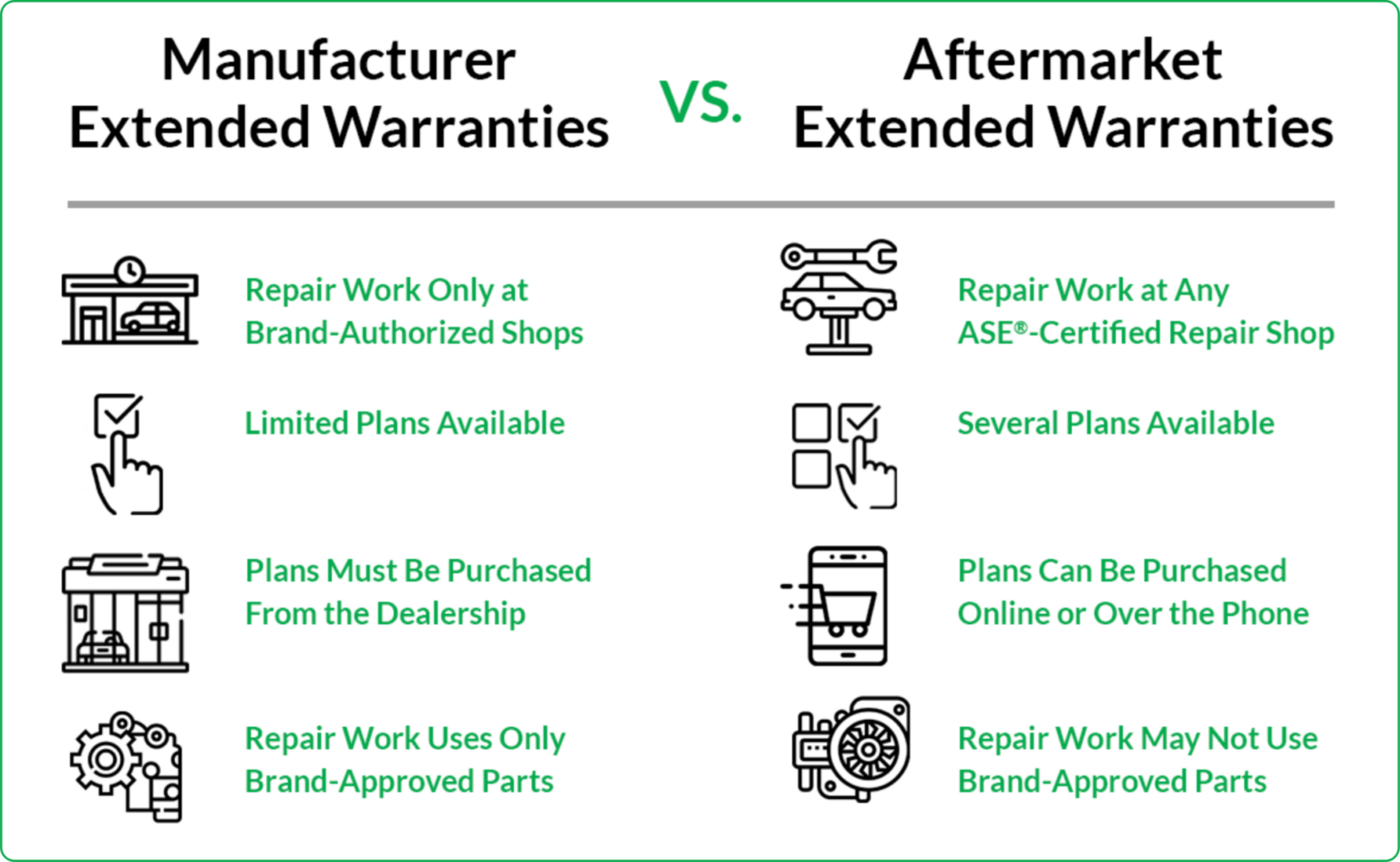
- Choose a Repair Shop: Omega allows repairs at any ASE-certified facility in the United States or Canada. This includes both independent mechanics and dealership service centers.
- Obtain Authorization: This is the most critical step. The mechanic must contact Omega Auto Care with a diagnosis before any work begins. Omega will review the claim, verify coverage, and issue an authorization number.
- Payment: In most cases, Omega pays the repair shop directly via credit card for the authorized amount, minus any deductible the owner chose at the time of purchase.
Frequently Asked Questions
Can I transfer my Omega warranty if I sell my car?
Yes, Omega plans are generally transferable to a subsequent private owner. This can significantly increase the resale value of a vehicle in 2026, as it provides the buyer with peace of mind regarding the vehicle's mechanical integrity. A small transfer fee and specific paperwork are usually required within a set timeframe after the sale.
Is there a waiting period before coverage begins?
Most Omega contracts include a waiting period, typically 30 days and 1,000 miles from the date of purchase. This is a standard industry practice designed to prevent owners from purchasing a policy to fix a pre-existing problem that hasn't been disclosed.
Where can I get my vehicle repaired under an Omega plan?
You are not restricted to the dealership where you bought the car. You can take your vehicle to any repair facility that employs ASE-certified technicians. This includes major chains and local independent shops across the U.S. and Canada.
Does Omega cover repairs for Electric Vehicles (EVs)?
By 2026, Omega has expanded its "New Exclusive" and "Used Stated" plans to include specific EV components like electric drive motors and thermal management systems. However, the high-voltage battery pack is often treated as a separate entity and may have different coverage limits or require a specific EV rider.
What happens if I am unhappy with the service?
Omega plans typically come with a 30-day money-back guarantee. If you cancel within the first 30 days and have not filed a claim, you are usually entitled to a full refund. After 30 days, refunds are typically prorated based on the time remaining and the mileage used, minus a cancellation fee.
Practical Recommendation for 2026 Car Owners
When considering an Omega extended car warranty, the most effective strategy is to review the "Exclusions" section of the contract first. While marketing brochures highlight what is covered, the legal contract defines the limits of that protection. For owners of modern vehicles with high-tech dashboards and driver-assist features, the New Exclusive plan is almost always the better value, as the cost of repairing a single sensor can often exceed the price of the entire contract. Always ensure you have a digital or physical folder dedicated to maintenance receipts to ensure that when a claim is filed, there are no administrative hurdles to getting your vehicle back on the road.
Image Gallery