Do You Still Have to Pay for Life Insurance After You Retire from a Company?
When you retire from a company, employer-sponsored group life insurance typically ends unless you take active steps to maintain it. If you choose to keep the coverage by converting or porting your policy, you will have to pay the premi...
When you retire from a company, employer-sponsored group life insurance typically ends unless you take active steps to maintain it. If you choose to keep the coverage by converting or porting your policy, you will have to pay the premiums out of pocket, usually at higher individual rates. However, if you hold a private policy outside work, retirement does not alter your contract terms.
Contents
What Happens to Employer-Provided Life Insurance Upon Retirement?
For the vast majority of workers, group life insurance provided by an employer is a conditional benefit tied directly to active employment status. When your employment officially terminates due to retirement, the group policy coverage sponsored by your employer generally lapses automatically on your last working day or at the end of that calendar month.
Because employer group policies are subsidized as employee benefits, companies rarely continue paying premiums for former staff members once they enter retirement. However, the exact outcome depends on the structure of your workplace coverage, any legacy agreements, and whether you own separate private coverage.
1. Basic Group Term Life Insurance
Standard basic group term life coverage—often provided at little to no cost during your career as a multiple of your annual salary (such as 1x or 2x salary)—ceases when active payroll status ends. If you do nothing prior to your retirement date, this coverage simply expires, leaving you with no group death benefit protection.
2. Employer-Funded Retiree Life Benefits
In limited cases, certain legacy corporate benefits, union contracts, or government entity plans offer a modest post-retirement life insurance benefit. These plans may provide a small paid-up policy (such as $5,000 to $25,000) fully or partially funded by the employer to assist with final expenses. Because these arrangements have largely been phased out across modern corporate benefit structures, you must check your specific Summary Plan Description (SPD) to verify if your employer offers any continuing post-retirement subsidy.
3. Individual Life Insurance Policies Owned Outside Work
If you purchased an individual term or permanent life insurance policy independently from an insurance company outside of your employer, your retirement from your job has no impact on that contract. Your policy remains active, and your payment obligations remain unchanged according to your original contract terms. If your private policy is a paid-up permanent policy, no further premiums are due; if it is a standard individual term or whole life policy, you must continue making payments directly to the insurer to maintain coverage.
Options for Continuing Workplace Life Insurance into Retirement
If you rely on your workplace policy and wish to maintain life insurance protection after leaving your job, insurance regulations and group policy terms generally provide specific pathways to retain coverage. However, continuing workplace coverage requires transferring the policy into your name and assuming full financial responsibility for premium payments.
Option 1: Policy Conversion (Group Term to Individual Permanent Insurance)
Under most state insurance laws, employer group term life contracts include a contractual conversion privilege. This feature allows you to convert your group term coverage into an individual permanent policy (typically whole life or universal life) without undergoing a medical exam or answering health questions.
- No Medical Underwriting: Conversion is a vital safety net if you have developed health conditions during your career that would make buying a new policy on the open market prohibitively expensive or impossible.
- Strict Timelines: Insurance companies strictly enforce a conversion window, typically 31 days from your official termination or retirement date. If you fail to submit conversion paperwork and your initial premium within this period, you permanently lose the right to convert without evidence of insurability.
- Cost Structure: While you cannot be denied coverage due to health issues, conversion rates are calculated based on your "attained age" (your age at the time of conversion) and the higher cost structure of permanent life insurance. Consequently, converted premiums are substantially higher than what you or your employer paid for group term insurance.
Option 2: Policy Portability (Continuing Group Term Coverage)
Some group life insurance policies include a portability option, allowing retiring or departing employees to "port" (take with them) their existing group term coverage as an individual term policy.
- Lower Initial Cost Than Conversion: Because ported policies remain term insurance rather than permanent policies, monthly premiums are generally lower than converted permanent plans.
- Underwriting Requirements: Unlike conversion, portability may require basic health questions or evidence of insurability depending on the insurer's guidelines.
- Age Limits and Decreasing Benefits: Ported group term policies often feature age caps (such as terminating automatically at age 70 or 75) or escalating premium structures that increase every five years based on age brackets.
Option 3: Purchasing a New Individual Policy on the Open Market
If you are in relatively good health upon retirement, continuing your employer plan via conversion or portability is not always the most economical choice. Shopping for a brand-new individual policy on the private market allows you to select coverage tailored precisely to your retirement needs.
- Underwritten Individual Term: Healthy retirees can often secure an individual 10-year or 15-year term policy at lower rates than a converted permanent policy.
- Final Expense / Guaranteed Issue Policies: For retirees seeking only a small death benefit ($10,000 to $25,000) to cover burial costs without medical exams, final expense policies offer simplified underwriting, though rates per thousand dollars of coverage are relatively high.
Comparison of Post-Retirement Life Insurance Options
Evaluating whether to pay for continued workplace coverage or transition to a private plan depends on your health, budget, and coverage duration requirements.
| Option | Premium Cost | Medical Exam Required? | Coverage Duration | Best Suited For |
|---|---|---|---|---|
| Group Policy Conversion | High (Permanent policy rates based on current age) | No | Permanent (Lifetime) | Retirees with pre-existing health conditions needing lifelong coverage |
| Group Policy Portability | Moderate (Increases in 5-year age brackets) | Depends on policy rules | Temporary (Often caps at age 70–75) | Healthy retirees needing short-term coverage for remaining debts |
| New Private Term Policy | Moderate to High (Based on health class) | Yes (Standard underwriting) | Fixed Term (e.g., 10–20 years) | Healthy retirees needing structured coverage for a specific financial window |
| Final Expense Insurance | High per dollar of coverage | No or Minimal (Simplified) | Permanent (Lifetime) | Retirees wanting modest, guaranteed coverage strictly for funeral costs |
| Retiree Paid-Up Benefit | Free to Low Cost (Employer subsidized) | No | Permanent (Lifetime) | Employees fortunate enough to have legacy corporate retiree benefits |
Do You Actually Need Life Insurance After You Retire?
A critical question facing retirees is not just how to pay for life insurance, but whether continuing to pay for a policy is necessary at all. Life insurance is primarily designed to replace lost income during working years and protect financial dependents from abrupt loss of earnings. Once you enter retirement, your financial profile changes.
Reasons You Might Still Need Life Insurance in Retirement
- Income Replacement for a Surviving Spouse: If your retirement income relies heavily on a single-life pension, Social Security benefits that drop significantly upon the first spouse's death, or annuity payments without survivor benefits, life insurance can replace that lost income for the surviving partner.
- Outstanding Debt Obligations: If you enter retirement carrying significant mortgage balances, personal loans, or co-signed debts, maintaining a policy ensures these liabilities do not burden your surviving family members.
- Estate Liquidity and Taxes: For high-net-worth retirees holding illiquid assets (such as real estate or private businesses), life insurance provides immediate cash to pay estate taxes, legal costs, or equalize inheritances among heirs.
- Special Needs Dependents: If you care for an adult child or family member with special needs who will require lifelong financial support, a permanent life insurance policy funding a special needs trust is vital.
When You Can Safely Drop Life Insurance
Many retirees reach a state of being "self-insured." You may no longer require life insurance if:
- Your children are financially independent adults.
- Your home mortgage and major debts are fully paid off.
- Your accumulated retirement savings, investments, pensions, and joint survivor benefits are sufficient to support your surviving spouse comfortably.
- Your estate has sufficient liquid cash to handle immediate final expenses.
In these situations, paying ongoing premiums for converted or private life insurance may divert valuable cash flow away from your day-to-day retirement living expenses.
Cost Factors and Budgeting for Life Insurance in Retirement
If you determine that maintaining life insurance is necessary, budgeting accurately for premium payments requires understanding how insurance companies price policies for older adults.
Key Factors Influencing Retirement Premiums
- Attained Age: Premiums increase exponentially as you age due to higher mortality risk. Converting a group policy at age 65 costs substantially more per month than buying a policy in your 30s or 40s. Additionally, if you select a portable term policy with age-banded pricing, your rates will step up automatically every five years.
- Policy Structure: Converting to a permanent policy (such as whole life) builds cash value and provides guaranteed lifetime coverage, but the monthly cost can be five to ten times higher than term coverage.
- Health Status: If you opt for standard underwriting on a new private policy, your current health, medical history, and prescription records will directly dictate your rate class.
- Loss of Employer Subsidies: During your career, your employer often absorbed 50% to 100% of basic group term life premiums and negotiated group rates for voluntary coverage. When transitioning to an individual converted or ported policy, you bear 100% of the cost plus administrative fees, making the true out-of-pocket change noticeable in a fixed retirement budget.
Step-by-Step Action Plan Before You Leave Your Employer
To avoid losing coverage options or overpaying for unnecessary insurance, follow this checklist before leaving your employer:
- Request Your Summary Plan Description (SPD): Contact your Human Resources or employee benefits department at least 60 to 90 days before your retirement date. Review the official plan document regarding policy conversion and portability rules.
- Identify the Conversion Window: Note the exact deadline (typically 31 days from your official termination date) for exercising conversion rights. Missing this window eliminates the guaranteed conversion right without underwriting.
- Gather Personal Health Information: If you are in good health, request quotes for independent individual term and permanent policies from private insurers to establish a cost baseline against your employer's conversion rates.
- Conduct a Post-Retirement Needs Analysis: Calculate your surviving spouse's income needs, remaining debts, and estimated funeral costs to determine the precise dollar amount of coverage required, rather than blindly continuing your full salary-based coverage amount.
- Submit Election Forms Promptly: If converting or porting, submit your application forms and initial premium payment directly to the insurance carrier well before the 31-day grace period expires.
Frequently Asked Questions
Does my company pay for my life insurance after I retire?
In almost all cases, no. Employers generally terminate group life insurance contributions when an employee retires. While some legacy pension plans or union contracts retain small paid-up retiree death benefits, most modern retirees must pay 100% of the premium out of pocket if they choose to convert or port their workplace coverage.
What happens if I miss the 31-day window to convert my employer policy?
If you miss the standard 31-day conversion window following retirement, you forfeit your contractual right to convert group term insurance into an individual policy without medical underwriting. To obtain coverage after this window, you must apply for a new individual policy on the open market, which requires completing health questionnaires and potentially undergoing a medical exam.
Is group life insurance conversion expensive for retirees?
Yes, converted policies are generally expensive. Conversion transitions your group term policy into an individual permanent policy (such as whole life) priced at your current age ("attained age"). Because permanent policies build cash value and guarantee lifelong coverage, the monthly premiums are significantly higher than active employee group term rates.
Can I keep my supplemental employee life insurance when I retire?
Yes, most voluntary or supplemental life insurance policies purchased through an employer offer conversion or portability features similar to basic coverage. You must actively elect to convert or port the supplemental coverage within the carrier's specified timeframe and pay the full premium directly to the insurer.
Do permanent life insurance premiums ever stop in retirement?
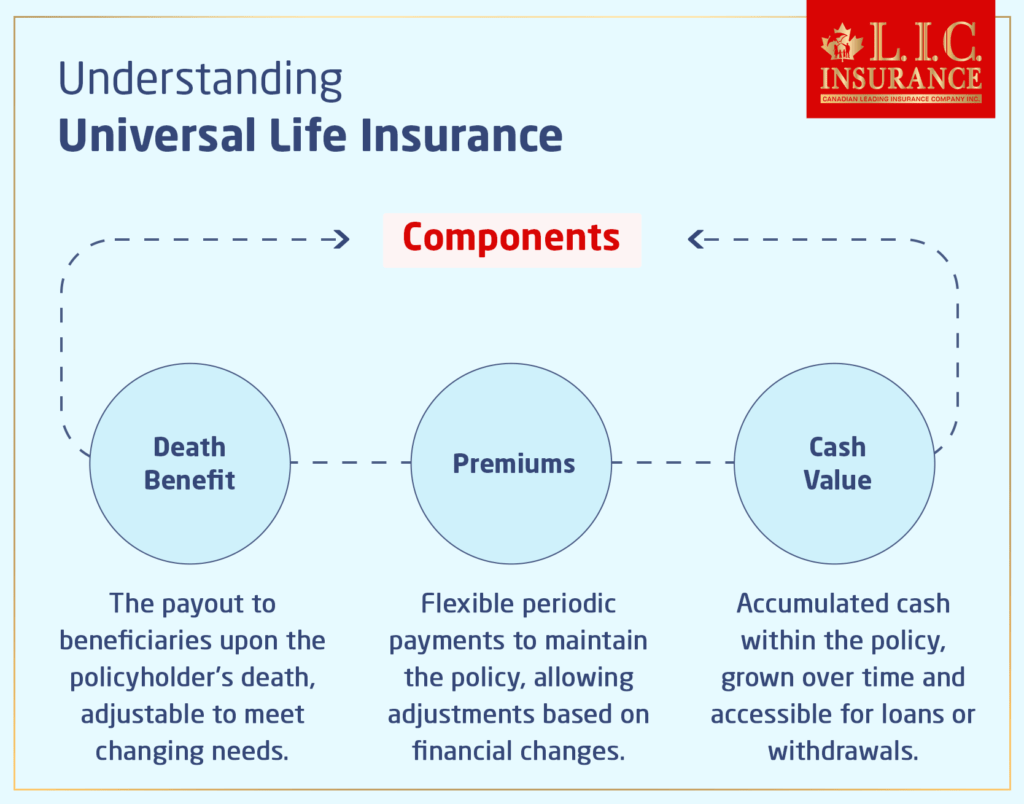
It depends on the policy structure. Traditional whole life policies require continuous premium payments until a specified age (often age 100 or 120), unless you hold a "paid-up" policy structured with accelerated premiums (e.g., 10-pay or paid-up at age 65). Universal life policies allow premium flexibility as long as the cash value remains sufficient to cover internal monthly policy charges.
Practical Guidance: Making the Right Decision for Your Retirement
Deciding whether to continue paying for life insurance after retiring from a company comes down to evaluating your financial liabilities against your post-retirement budget. If you have dependents who rely on your pension income, an unpaid mortgage, or unresolved financial obligations, paying for converted or individual coverage provides essential protection. However, if you have reached financial independence with adequate savings and low debt, dropping life insurance coverage altogether allows you to direct those funds toward enjoying your retirement years.
Disclaimer: This article is for educational purposes and does not constitute financial, legal, or professional insurance advice. Consult a licensed life insurance agent or certified financial planner to evaluate your specific policy options and financial needs prior to retirement.
Image Gallery