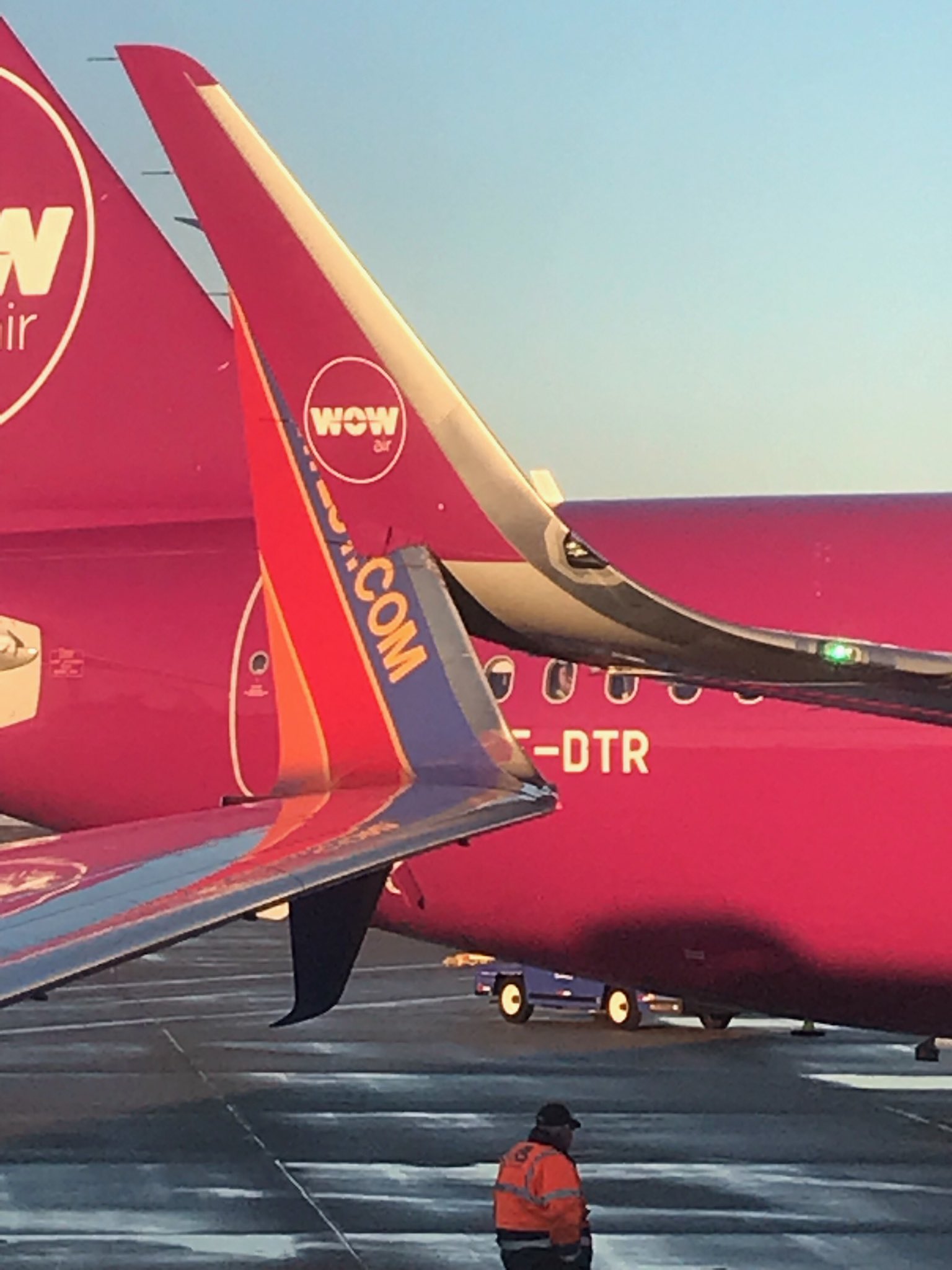
WOW air Net Worth Overview: The Collapse of an Icelandic Low-Cost Carrier
The concept of "net worth" for WOW air is fundamentally defined by its insolvency rather than asset accumulation. By the time the Icelandic low-cost carrier ceased operations in March 2019, its net worth was negative, characterized by...
The concept of "net worth" for WOW air is fundamentally defined by its insolvency rather than asset accumulation. By the time the Icelandic low-cost carrier ceased operations in March 2019, its net worth was negative, characterized by massive debt obligations, depleted liquidity, and a failed search for institutional capital or acquisition, leaving no residual equity for shareholders or public valuation.
Contents
Understanding the Financial Status of WOW air
When analyzing the net worth of a corporate entity like WOW air, it is essential to distinguish between a functional, going-concern business and a liquidated estate. WOW air, founded by entrepreneur Skúli Mogensen in 2011, operated as a low-cost, long-haul airline that sought to bridge the gap between Europe and North America via a hub-and-spoke model in Reykjavik.
Throughout its lifespan, the airline’s "worth" was consistently tied to its rapid expansion strategy and passenger volume rather than long-term profitability. By late 2018 and early 2019, the airline’s financial health had deteriorated to a state of technical insolvency. Net worth, in accounting terms, is Assets minus Liabilities. As the airline’s liabilities—which included unpaid fuel costs, airport fees, and aircraft lease obligations—surpassed the fair market value of its remaining assets, its net worth effectively reached zero and moved into negative territory.
The Trajectory of Operational Collapse
To comprehend why the company holds no net worth today, one must examine the specific conditions that led to its collapse. In 2018, WOW air attempted to pivot its business model, moving away from high-density, low-margin flights toward a more premium service offering to bolster revenue. However, the airline was simultaneously suffering from rising fuel prices and a weakened Icelandic króna, which compounded the pressure on its cash reserves.
Several high-profile attempts to salvage the business occurred before the final shuttering on March 28, 2019. Notable negotiations included:
- Icelandair Group: In late 2018, Icelandair attempted to acquire WOW air. However, after due diligence, the merger was called off, indicating that Icelandair found the liabilities of WOW air to be too significant to assume.
- Indigo Partners: The private equity firm known for investing in low-cost carriers like Wizz Air and Frontier Airlines entered negotiations to provide a cash infusion. These talks ultimately collapsed in early 2019, serving as the final indicator that the airline’s balance sheet was beyond traditional rescue.
Key Factors in the Erosion of Corporate Value
The erosion of the company’s value was not an overnight occurrence but a structural decline. Several factors contributed to the total loss of the firm’s net worth:
- Over-Leveraged Fleet: WOW air operated a fleet of wide-body and narrow-body aircraft largely through operational leases. When cash flow dried up, the company could not meet these lease payments, leading to the repossession of aircraft by lessors, which immediately stripped the company of its primary revenue-generating assets.
- High Burn Rate: The airline expanded its routes aggressively, stretching its liquidity thin across too many markets. The fixed costs associated with maintaining international slots, airport presence, and crew training created a "burn rate" that exceeded income during the off-peak winter months.
- Lack of Capital Reserves: Unlike legacy carriers, low-cost startups often lack the massive capital buffers required to absorb sudden market shocks, such as the volatility in jet fuel prices that plagued the airline industry in 2018.
Table: Financial Comparison of Airline Distress Factors
| Feature | WOW air Status (2018-2019) | Industry Standard (Healthy) |
|---|---|---|
| Cash Reserves | Depleted/Negative | 15-20% of annual revenue |
| Debt-to-Equity Ratio | Highly Leveraged/Distressed | Balanced/Conservative |
| Asset Ownership | Primarily Leased | Mix of Leased and Owned |
| Market Position | Rapid Expansion | Sustainable Growth |
The Liquidation Process and Creditor Hierarchy
Once operations ceased in March 2019, the focus shifted from corporate "net worth" to the liquidation of assets for the benefit of creditors. Under Icelandic law, the bankruptcy proceedings prioritized secured creditors, such as banks and aircraft lessors, over unsecured creditors, which included passengers who held tickets for future flights and suppliers.
The bankruptcy process confirmed that there was no "leftover" value. The remnants of the brand and its intellectual property were subsequently purchased by different entities, including USAerospace Partners, but these transactions represented the sale of assets out of the bankruptcy estate rather than an infusion of value into the original WOW air corporation. For the original shareholders, the net worth of their investment in the airline was effectively wiped out.
Legal and Financial Liability Limitations
It is critical for those researching this topic to recognize that the net worth of an airline is a snapshot of its balance sheet at a specific moment in time. Because WOW air is a defunct entity, it does not currently produce financial statements or annual reports. Any data regarding its former worth is historical and should be treated as such.
Financial assessments of such entities are subject to legal scrutiny during bankruptcy proceedings. If you are investigating this for financial research, legal claims, or investment analysis, rely exclusively on official court filings from the District Court of Reykjavik or disclosures from the appointed liquidators. Personal financial advice should never be based on the historical performance of failed corporations; if you are currently involved in legal or financial matters related to the airline's collapse, consult a qualified corporate attorney or a bankruptcy specialist.
Frequently Asked Questions
What happened to the money invested in WOW air? When WOW air declared bankruptcy, the company’s debts exceeded its assets. Consequently, creditors were paid in order of priority, and equity holders (shareholders) were left with nothing. The value of the company was negated by its liabilities.
Is there any way to value the "brand" of WOW air today? While the name "WOW air" was sold to investors after the bankruptcy, the brand value is distinct from the corporation’s historical net worth. The current usage or non-usage of the brand by third-party investors does not reflect the original company’s financial worth.
Why could a major airline like Icelandair not save it? Icelandair’s decision not to proceed with the acquisition was a result of the extensive, unmanageable liabilities uncovered during the due diligence process. The cost of assuming the debt outweighed the potential market share gains.
How does an airline’s net worth impact passengers? When an airline loses its net worth and enters liquidation, passengers are often the last in line to be reimbursed. In the case of WOW air, thousands of passengers faced challenges recovering the cost of their tickets, as they were categorized as unsecured creditors in the bankruptcy process.
Can investors still buy stock in WOW air? No. Because the company is liquidated and defunct, its shares are worthless and are no longer traded on any stock exchange. Any offer suggesting otherwise is fraudulent.
Next Steps for Research
For those interested in further investigating the collapse of the airline or the broader implications for the aviation industry, the most reliable path is to review the administrative reports filed by the appointed bankruptcy estate administrators. These documents provide the most granular view of the company’s final financial position. Avoid relying on speculative blog posts or outdated news articles from 2019 that may contain unverified estimates of the company's worth. Focus your attention on official Icelandic regulatory updates regarding the final closure of the bankruptcy estate to ensure you are working with confirmed historical facts.
Image Gallery