How Long to Cook Steamed Shrimp: The Ultimate Guide for 2026
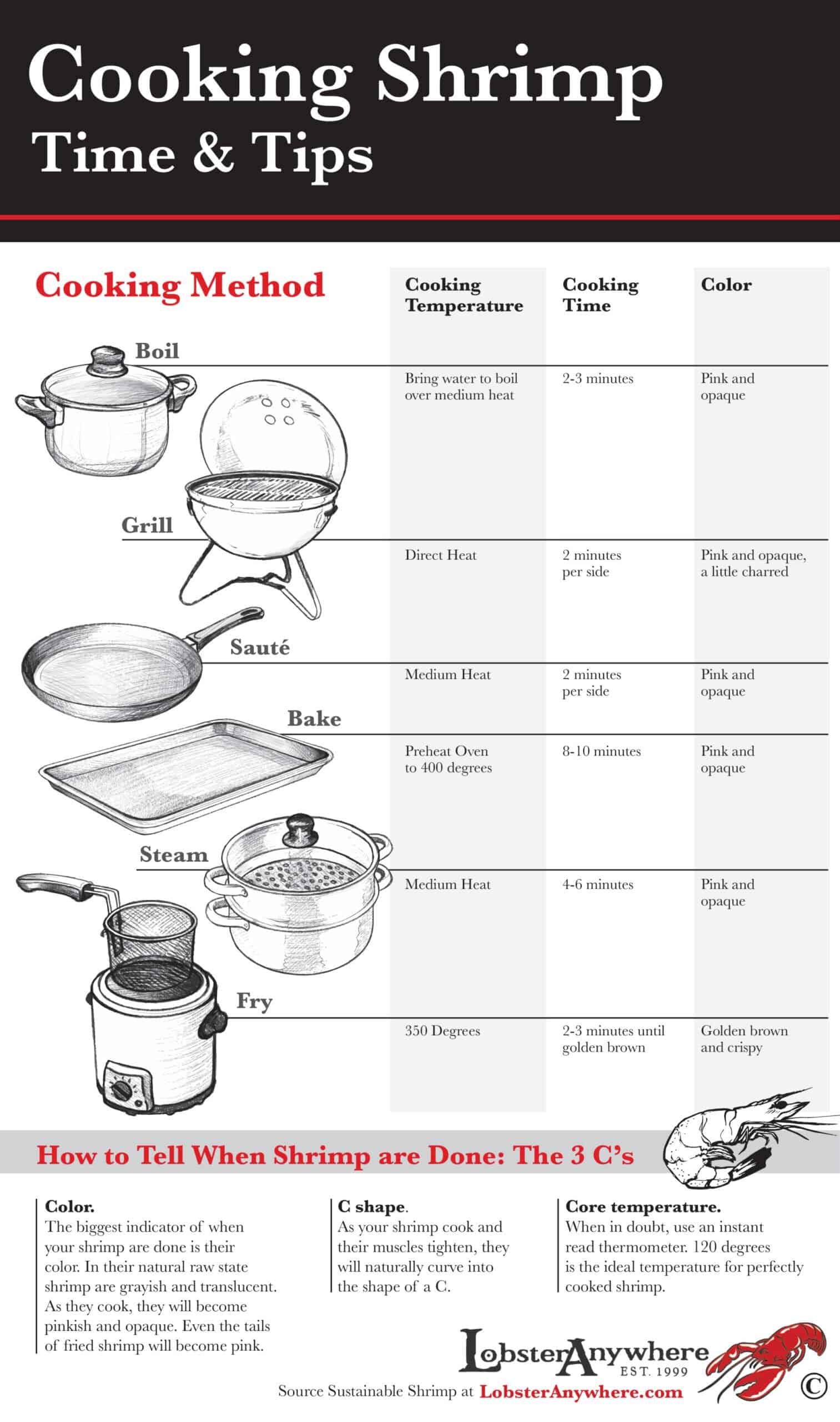
To achieve the perfect texture, steamed shrimp typically requires 2 to 5 minutes of cooking time. The exact duration depends primarily on the size of the shrimp, whether they are shelled or shell-on, and the intensity of the steam. Shr...
To achieve the perfect texture, steamed shrimp typically requires 2 to 5 minutes of cooking time. The exact duration depends primarily on the size of the shrimp, whether they are shelled or shell-on, and the intensity of the steam. Shrimp are finished when they turn opaque and form a gentle "C" shape.
Contents
Steaming is widely considered the superior method for preparing shrimp in 2026 because it preserves the delicate proteins and moisture more effectively than boiling. Unlike boiling, which can leach flavor into the water, steaming surrounds the seafood with high-temperature vapor, cooking it evenly and gently. However, because shrimp are small and low in fat, the window between perfectly succulent and unpleasantly rubbery is measured in seconds.
Understanding Shrimp Sizes and Timing
The most critical factor in determining how long to cook steamed shrimp is the "count," which refers to how many shrimp make up one pound. A higher count means smaller shrimp, which require less time under steam. In 2026, standard commercial sizing remains consistent, but artisanal and sustainably farmed varieties may vary slightly in density.
When you purchase shrimp, the package usually displays numbers like 21/25 or 31/40. These represent the number of individual shrimp per pound. Larger shrimp (lower numbers) have more thermal mass and require more time for the heat to penetrate the center. Conversely, small salad shrimp can overcook almost instantly if left unattended.
| Shrimp Size (Count per Pound) | Classification | Steaming Time (Minutes) | Visual Cues |
|---|---|---|---|
| 51/60 | Small | 2 minutes | Opaque, light pink |
| 31/40 | Medium | 2 – 3 minutes | Firm, gentle curve |
| 21/25 | Large | 3 – 4 minutes | Vibrant orange-pink |
| 16/20 | Extra Large/Jumbo | 4 – 5 minutes | Tightening "C" shape |
| Under 10 | Colossal | 5 – 7 minutes | Opaque throughout center |
These times assume you are starting with a pot that is already producing a steady flow of steam. If you place the shrimp in a cold pot and then turn on the heat, you risk uneven cooking and a mushy texture as the proteins break down slowly.
The Physics of Steaming vs. Boiling
Understanding why steaming is preferred in 2026 requires a look at the physics of heat transfer. When you boil shrimp, they are submerged in 212°F (100°C) water. This leads to a rapid exchange of energy, but it also subjects the shrimp to mechanical agitation, which can damage the delicate flesh. Furthermore, osmosis causes some of the shrimp's natural sugars and salts to migrate into the boiling water, diluting the flavor.
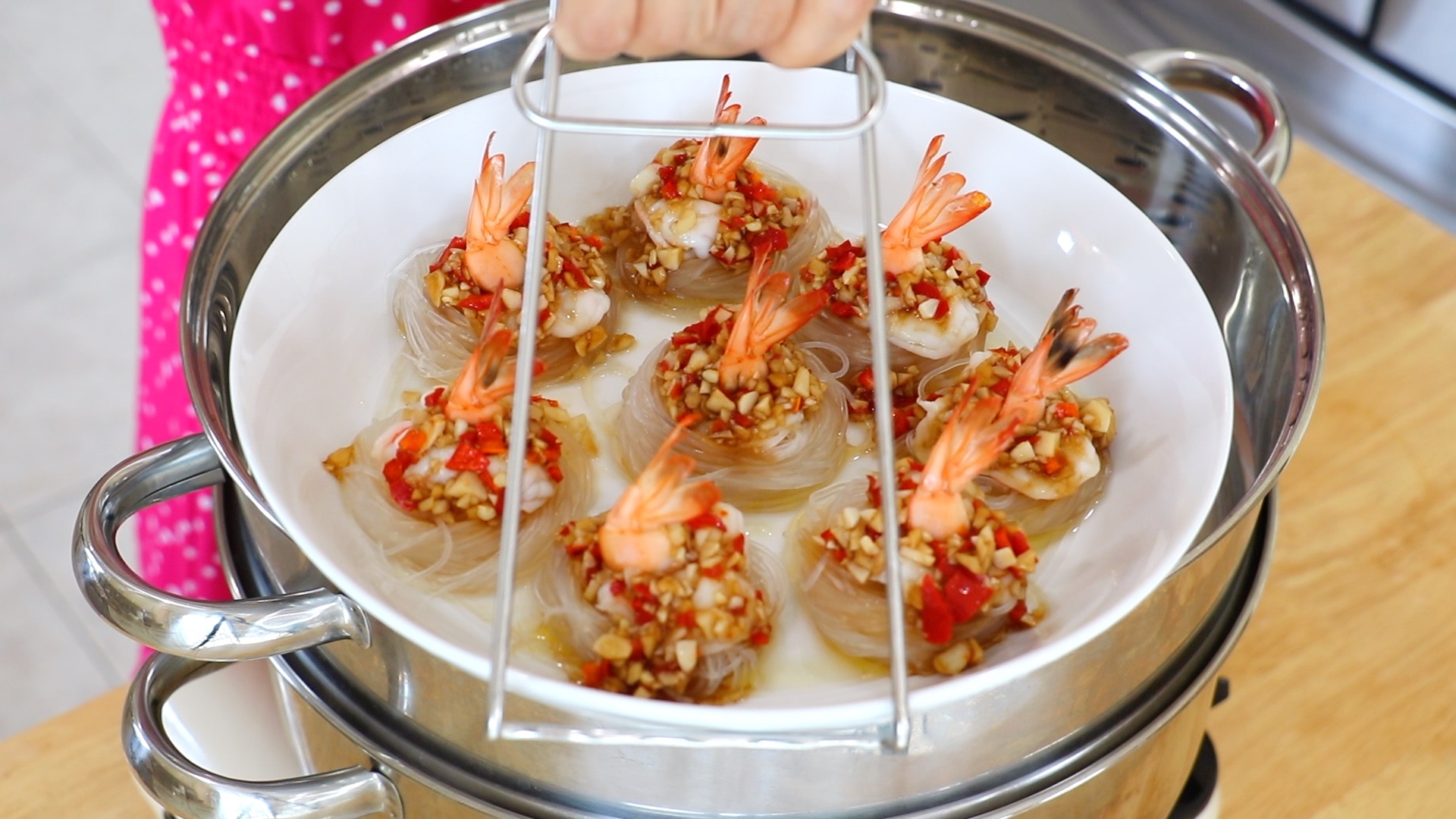
Steaming uses the latent heat of vaporization. As steam condenses on the cold surface of the shrimp, it releases a significant amount of energy, cooking the food rapidly. Because the shrimp are not submerged, they retain their structural integrity and concentrated flavor profile. This method is particularly beneficial for shell-on shrimp, where the shell acts as a mini-steamer, trapping juices against the meat.
Essential Preparation Steps
Before the timer starts, the preparation of the shrimp significantly impacts the final result. In 2026, many home cooks prioritize "easy-peel" varieties, which are deveined but retain the shell.
Thawing Protocols
Never steam shrimp directly from the freezer. Frozen shrimp contain ice crystals within the muscle fibers. If steamed while frozen, the exterior will become rubbery before the interior reaches a safe temperature. The best method is to thaw them in the refrigerator overnight. For a quicker option, place the shrimp in a sealed bag and submerge it in cold running water for 15 to 20 minutes. Avoid using warm water, as this can initiate the cooking process prematurely and encourage bacterial growth.
Shell-on vs. Peeled
Steaming shrimp with the shells on is highly recommended for maximum flavor. The shell contains chitin and various amino acids that contribute to that classic "seafood" aroma. Additionally, the shell provides a buffer against the intense heat of the steam, making it slightly harder to overcook them. If you prefer to steam peeled shrimp for convenience, reduce the estimated cooking time by approximately 30 to 45 seconds.
The Role of Aromatics
Water is the standard steaming liquid, but it is not the only option. To infuse the shrimp with subtle flavors, you can use a mixture of water and apple cider vinegar, beer (a staple of Mid-Atlantic American styles), or water infused with ginger and scallions (common in East Asian styles). As the liquid boils, the volatile compounds in these aromatics rise with the steam and coat the shrimp.
How to Tell When Steamed Shrimp are Done
Relying solely on a timer can be risky because stove BTU outputs and steamer basket materials vary. Instead, use these three primary indicators to verify doneness:
1. The Color Shift
Raw shrimp are typically gray or translucent. As they cook, the protein astaxanthin, which is bound to a protein called crustacyanin, is released. This causes the shrimp to turn a vibrant opaque pink or orange. If the shrimp still looks translucent or "glassy" in the thickest part near the head, it needs more time.
2. The Shape Rule (C vs. O)
A common mnemonic used by professional chefs is that "C" is for cooked and "O" is for overcooked. Perfectly steamed shrimp should curl into a gentle "C" shape. If the shrimp has curled so tightly that the tail is touching the head area, forming a closed "O," it is overcooked and will likely be tough or rubbery.
3. Internal Temperature
For those who prefer precision, a digital instant-read thermometer is the most reliable tool. The USDA recommends an internal temperature of 145°F (63°C) for shellfish. However, many culinary experts in 2026 suggest pulling the shrimp at 135°F to 140°F, as carryover heat will continue to cook the shrimp for a minute after they are removed from the steamer.
Common Mistakes to Avoid
Even with the correct timing, certain procedural errors can ruin a batch of steamed shrimp.
- Overcrowding the Steamer Basket: If you pile shrimp too deep in the basket, the steam cannot circulate. The shrimp at the bottom will be overcooked, while those in the middle remain raw. It is better to steam in batches or use a wide, flat steamer.
- Lifting the Lid Constantly: Every time you lift the lid to check the shrimp, you release the accumulated steam and drop the internal temperature of the pot. This extends the cooking time and leads to uneven results. Trust your timer for at least the first two minutes.
- Forgetting the Cold Shock: Unless you are serving the shrimp hot immediately, you should "shock" them in an ice bath. This stops the cooking process instantly. If left in a warm bowl, the residual heat will continue to tighten the proteins, turning a perfect "C" into a rubbery "O."
Steaming Liquids and Seasoning Strategies
In 2026, the trend in seafood seasoning has moved toward layered flavors. Instead of just seasoning the water, many cooks season the shrimp themselves before they enter the steamer.
- Dry Brining: Tossing the shrimp in a small amount of salt and baking soda 15 minutes before steaming can result in a "snappier" texture.
- The Maryland Method: This involves tossing the shrimp in a generous amount of Old Bay or J.O. Spice while they are still wet, then steaming them with a 50/50 mix of water and vinegar.
- The Cantonese Style: Shrimp are steamed with thin slivers of ginger on top, then finished with a drizzle of hot oil and soy sauce after they are removed from the heat.
Regardless of the seasoning style, ensure that the steaming liquid does not actually touch the shrimp. The basket should be elevated at least an inch above the simmering liquid to ensure true steam cooking rather than poaching.
Frequently Asked Questions
Can I steam shrimp from frozen?
While it is technically possible, it is not recommended. Steaming frozen shrimp results in uneven textures where the outside becomes tough and the inside remains cold or mushy. For the best results in 2026, always use the quick-thaw method under cold water before steaming.
Why did my shrimp turn out mushy instead of firm?
Mushy shrimp are usually the result of one of two things: the shrimp were old/previously frozen and thawed poorly, or they were "dead-on-arrival" before processing. Another cause can be steaming at too low a temperature; ensure the water is at a rolling boil and producing vigorous steam before adding the shrimp.
Should I devein the shrimp before steaming?
This is a matter of preference. The "vein" is the shrimp's digestive tract. While it is safe to eat, it can sometimes contain grit. If you are steaming shell-on shrimp, you can use kitchen shears to cut through the back of the shell and remove the vein while leaving the rest of the shell intact.
How long do I steam jumbo shrimp?
Jumbo shrimp (16/20 count) typically require 4 to 5 minutes. Because of their thickness, it is vital to check the thickest part of the curve to ensure it is no longer translucent before removing them from the heat.
Does the type of steamer matter?
Bamboo steamers, stainless steel baskets, and multi-cooker inserts all work well. However, bamboo steamers absorb some excess moisture, which can prevent the shrimp from becoming soggy. Stainless steel conducts heat more rapidly, which may slightly decrease the required cooking time.
Recommended Action for Perfect Results
For the most consistent results in 2026, use the batch-steaming approach. Instead of steaming two pounds of shrimp at once, steam them in one-pound increments. Use a wide stainless steel steamer basket, ensure the water-vinegar-seasoning mix is boiling vigorously, and set a timer for the minimum recommended time based on the count size. Immediately upon reaching a "C" shape and opaque color, transfer the shrimp to a tray to cool or an ice bath to lock in the texture. This attention to detail ensures a restaurant-quality result every time.
Image Gallery