The Impact of Medicare Advantage Ads: Marketing Tactics, Consumer Risks, and Regulatory Oversight
Medicare Advantage advertising heavily influences how millions of American seniors select their healthcare coverage. While these commercials highlight zero-dollar premiums, cash-back benefits, and dental allowances, aggressive marketin...
Medicare Advantage advertising heavily influences how millions of American seniors select their healthcare coverage. While these commercials highlight zero-dollar premiums, cash-back benefits, and dental allowances, aggressive marketing frequently obscures provider network restrictions, prior authorization requirements, and geographic benefit limitations. This disconnect has driven widespread beneficiary confusion, regulatory intervention, and major policy shifts across the healthcare sector.
Contents
The Evolution of Medicare Advantage Marketing
Over the past decade, enrollment in Medicare Advantage (Medicare Part C) has grown to represent more than half of the total Medicare-eligible population. As private health insurance plans compete for lucrative government-subscribed enrollees, advertising budgets have expanded exponentially, particularly during the annual Fall Open Enrollment Period (October 15 through December 7).
The Medicare Advantage marketing landscape relies heavily on Third-Party Marketing Organizations (TPMOs). These independent brokerages, lead-generation firms, and call centers create and distribute television commercials, direct mailers, and digital ads designed to capture beneficiary contact details. Rather than operating under the direct control of a single insurer, many TPMOs collect consumer leads and sell them to agents or enroll seniors over the phone into whichever plan pays the highest commission or matches basic filter criteria.
Celebrity endorsements, urgent call-to-action banners, and high-frequency television campaigns have transformed Medicare enrollment from a clinical, needs-based choice into a consumer marketplace driven by high-pressure sales techniques. While primary insurers maintain internal marketing compliance departments, the decentralized nature of third-party lead generation historically allowed deceptive and misleading promotional tactics to thrive.
Core Advertising Promises vs. Policy Realities
Medicare Advantage advertisements frequently feature specific financial and supplemental incentives designed to stand out against Original Medicare (Part A and Part B). However, there is often a stark contrast between what is shown in a 30-second commercial and how these private insurance plans function in practice.
| Advertised Promises | Operational Realities |
|---|---|
| "$0 Monthly Premiums" | Part B Premium still applies |
| "Money back in Social Security" | Limited geographic availability |
| "Flex Cards" for Groceries/Utilities | Strict eligibility (SSBCI / D-SNP) |
| Free Dental, Vision, & Hearing | High out-of-pocket maximum capsNarrow networks & prior authorization |
"$0 Premium" Claims
One of the most ubiquitous marketing hooks is the promise of a "$0 monthly plan premium." While it is true that many Medicare Advantage plans do not charge an additional monthly premium beyond what the beneficiary pays for Original Medicare, enrollees must still continue paying their standard Medicare Part B monthly premium. A $0 plan premium does not mean free healthcare; beneficiaries remain responsible for co-payments, co-insurance, and meeting plan deductibles when receiving medical care.
Part B Premium Giveback Benefits
Commercials frequently advertise that beneficiaries can get "money put back into your Social Security check every month." This refers to the Part B Premium Reduction benefit (often called a "giveback"). However, this benefit is far from universal. It is generally restricted to specific geographic regions and plan configurations where insurers choose to allocate rebate dollars toward Part B premium reductions rather than extra supplemental benefits like dental or vision coverage.
Supplemental Perks and "Flex Cards"
Advertisements routinely feature plastic "flex cards" loaded with hundreds or thousands of dollars for groceries, utility bills, or over-the-counter health items. In practice, these flexible allowances are typically tied to Special Supplemental Benefits for the Chronically Ill (SSBCI) or Dual-Eligible Special Needs Plans (D-SNPs). To qualify, a beneficiary must meet strict health criteria, low-income qualifications, or specific diagnostic thresholds. The average beneficiary enrolling in a standard Medicare Advantage plan often discovers upon enrollment that they are ineligible for the advertised grocery or cash benefits.
Consumer and Healthcare System Impacts
The prevalence of aggressive Medicare Advantage advertising extends beyond consumer frustration; it exerts significant financial and operational strain on beneficiaries, hospital networks, and federal agencies.
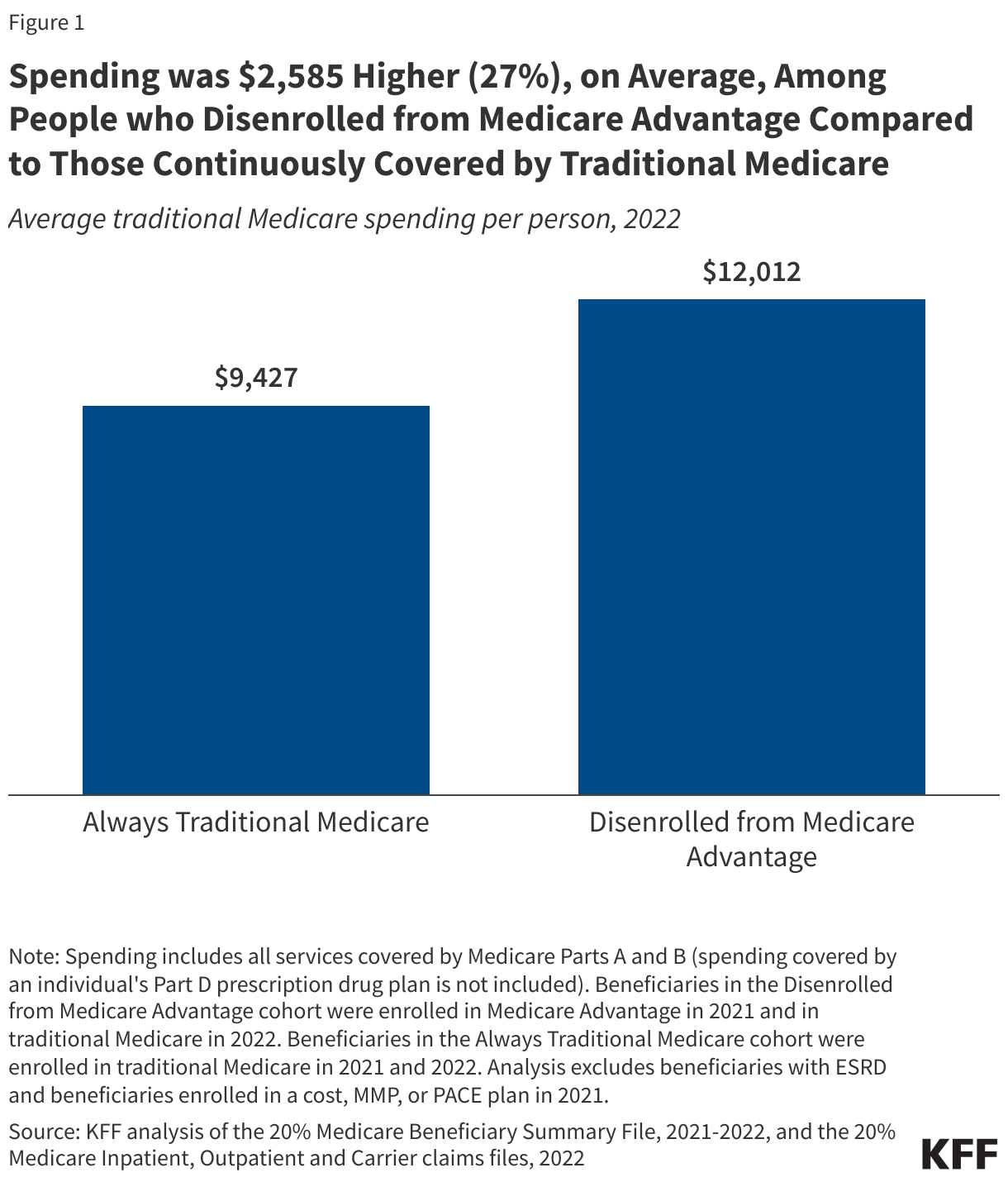
Beneficiary Disenfranchisement and Involuntary Switching
Misleading advertisements have contributed to high rates of unexpected plan switching. Seniors frequently report calling a toll-free number listed on a television commercial to ask a question about a advertised perk, only to be transferred to a licensed agent who sways them into switching plans.
When a beneficiary unwittingly switches plans, the consequences can be immediate and severe:
- Loss of Trusted Physicians: The beneficiary may discover mid-year that their primary care doctor or oncologist is outside the new plan's network.
- Prescription Drug Formulary Disruptions: Essential medications may fall under higher cost-sharing tiers or require step therapy under the new plan.
- Prior Authorization Delays: Unlike Original Medicare, Medicare Advantage plans routinely require prior authorization for specialized procedures, advanced imaging, home healthcare, and skilled nursing stays.
Strain on Healthcare Providers and Hospital Networks
Health systems across the United States face growing administrative burdens associated with Medicare Advantage plans. Managing varying prior authorization rules, navigating high claim denial rates, and negotiating reimbursement terms with multiple private insurers have forced several major hospital networks and rural care facilities to end their network participation agreements with specific Medicare Advantage plans entirely.
When hospitals drop Medicare Advantage contracts, patients enrolled in those plans face out-of-network rates or are forced to travel substantial distances for in-network facility care. Many patients trace their decision to join those specific plans back to television ads that highlighted localized perks while omitting network stability concerns.
Comparison: Advertised Benefits vs. Operational Realities
To better evaluate Medicare Advantage promotional materials, the following table contrasts popular advertising statements with their regulatory and operational limits.
| Advertised Feature | How It Is Promoted in Ads | Actual Operational Limit / Reality |
|---|---|---|
| Plan Premium | "Pay $0 per month for complete healthcare coverage." | Enrollees must continue paying their standard Medicare Part B monthly premium. Out-of-pocket costs still apply for care. |
| Giveback Benefit | "Get up to $148 or more put back into your Social Security check." | Available only in select ZIP codes and specific plans; often reduces other plan benefits like dental or prescription coverage. |
| Grocery / Flex Cards | "Receive a pre-loaded card for groceries, rent, and utility bills." | Restricted primarily to qualifying chronically ill beneficiaries (SSBCI) or dual-eligible (Medicare/Medicaid) beneficiaries. |
| Comprehensive Dental | "Free dental care including crowns, root canals, and implants." | Plans usually set annual benefit maximum caps (e.g., $1,000–$2,000 total per year) and require specific network dentists. |
| Provider Access | "Keep your doctors and access top hospitals." | Coverage is bound to specific HMO or PPO networks. Network participation can change mid-year, requiring out-of-network payment. |
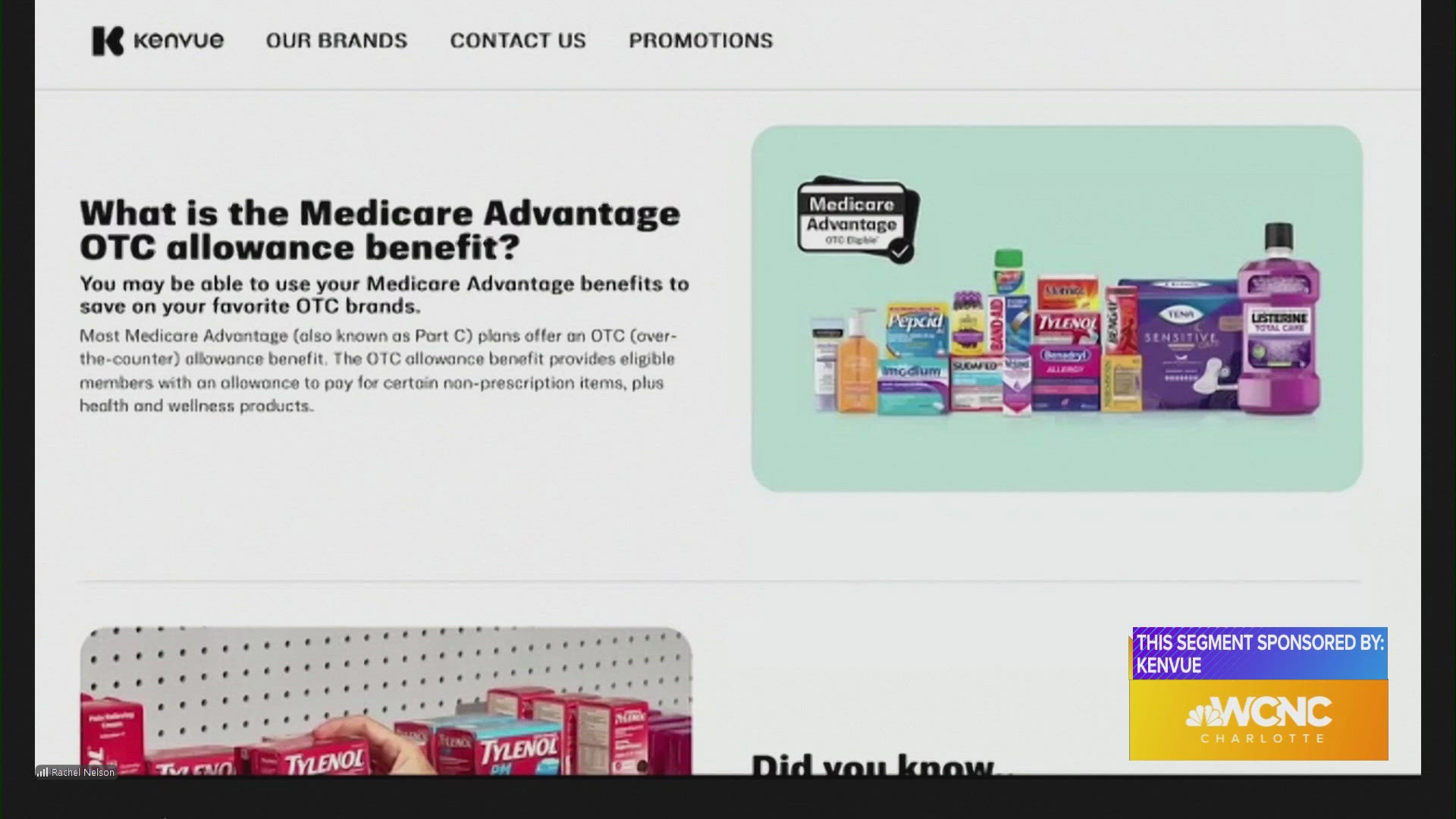
| Over-the-Counter (OTC) | "Hundreds of dollars in free drugstore products every quarter." | Allowance items are strictly restricted to plan-approved catalog items and usually expire at the end of each period without rolling over. |
CMS Regulatory Responses and Marketing Rules
In response to thousands of consumer complaints, investigation reports by the Department of Health and Human Services (HHS) Office of Inspector General (OIG), and congressional inquiries, the Centers for Medicare & Medicaid Services (CMS) introduced strict regulatory controls on Medicare Advantage marketing.
Key regulatory safeguards enforced by CMS include:
1. Mandatory Pre-Review of Television Advertisements
CMS rules require third-party entities and insurance organizations to submit all multi-plan television ads to the agency's Health Plan Management System (HPMS) for review prior to broadcast. Ads that use broad, sweeping statements about available benefits without specifying that coverage depends on location and eligibility are routinely rejected.
2. Restrictions on Brand Names and Official Logos
TPMOs and independent agencies are prohibited from using the official Medicare name, CMS logo, or terms such as "Medicare Option" or "Medicare Center" in a manner that falsely implies government endorsement or official administration.
3. Clear Disclosure Requirements
Advertisements that reference Medicare Advantage plans must explicitly display standardized disclosures. If an ad does not market every available plan in a given area, it must explicitly state: "We do not offer every plan available in your area. Currently we represent [X] organizations which offer [Y] products in your area. Please contact Medicare.gov, 1–800–MEDICARE, or your local State Health Insurance Assistance Program (SHIP) to get information on all of your options."
4. Direct Limits on Agent Compensation and Incentives
To address steering—where brokers favor specific plans based on administrative fees—CMS implemented standardized agent compensation rules. These rules cap commission add-ons and restrict third-party administrative payments that previously rewarded brokers for enrolling beneficiaries into specific target plans.
- CMS Regulatory Marketing Safeguards
- HPMS Ad Pre-Review: Limits misleading multi-plan television ads
- Logo Protections: Prevents fake government seals / confusing names
- Mandatory Disclosures: Forces clear disclosures on plan representation
- Compensation Rules: Caps broker steering bonuses and administrative fee
How Beneficiaries Can Protect Themselves from Deceptive Ads
Navigating Medicare enrollment requires separating promotional claims from verified policy rules. Beneficiaries, family caregivers, and advocates should adopt a systematic verification process during open enrollment.
Step 1: Use Neutral Data Sources
Avoid relying on toll-free numbers listed on commercial television ads or direct mailers. Instead, compare plans directly using the official Plan Finder tool at Medicare.gov or call 1-800-MEDICARE for unbiased details on available plans in your specific ZIP code.
Step 2: Verify Provider Networks Directly
Do not rely on a sales representative's verbal assurance that your doctors "accept Medicare." Ask specifically whether your primary care physicians, specialists, and preferred hospitals are in-network contract providers for the exact Medicare Advantage plan code you are considering. Contact your doctor's billing office directly to confirm network status.
Step 3: Review the Evidence of Coverage (EOC)
Before signing an enrollment form, request and review the plan's Evidence of Coverage (EOC) and Summary of Benefits. Pay close attention to:
- The Maximum Out-of-Pocket (MOOP) limit for the calendar year.
- Prior authorization requirements for specialist visits and inpatient hospital care.
- Deductibles, copays, and coinsurance amounts for ongoing prescription drugs listed on the plan's drug formulary.
Step 4: Consult Local SHIP Advisors
Every state operates a State Health Insurance Assistance Program (SHIP). SHIP counselors provide free, unbiased, one-on-one assistance to help Medicare beneficiaries evaluate plan options without sales pressure or commercial commissions. Independent policy analysis from non-partisan healthcare research groups like the Kaiser Family Foundation (KFF) also offers comprehensive insight into broader Medicare Advantage coverage trends and rule changes.
Frequently Asked Questions
Why do Medicare Advantage ads emphasize $0 premiums so heavily?
Plan sponsors emphasize $0 premiums because monthly premium cost is one of the most visible criteria consumers use to compare plans. However, insurers receive fixed capitation payments directly from the federal government for every beneficiary enrolled. This government funding allows plans to set a zero-dollar additional premium while collecting out-of-pocket copays and deductibles when enrollees receive actual care.
Are flex cards offered in Medicare Advantage ads real?
Yes, flex cards exist, but they are far more limited than commercials suggest. They are typically restricted to Special Supplemental Benefits for the Chronically Ill (SSBCI) or Dual-Eligible Special Needs Plans (D-SNPs). Most standard Medicare Advantage plan enrollees do not qualify for cash-like grocery or utility assistance cards.
What should I do if I was misled into switching plans by an ad?
If you enrolled in a Medicare Advantage plan based on misleading marketing practices, contact 1-800-MEDICARE to file a complaint. CMS maintains a Special Enrollment Period (SEP) for individuals who can demonstrate they received inaccurate or misleading information from an agent, broker, or third-party marketing organization, allowing them to switch back to Original Medicare or select a different plan.
Do CMS marketing restrictions apply to all Medicare Advantage brokers?
Yes. CMS regulations govern Medicare Advantage organizations, prescription drug plan sponsors, and any Third-Party Marketing Organizations (TPMOs) acting on their behalf. Insurance agents and call center representatives must comply with federal marketing guidelines, including call recording mandates, clear disclosure rules, and strict limits on cold-calling.
Practical Recommendation
When reviewing Medicare Advantage marketing materials, treat every commercial, mailer, and online advertisement as a promotional pitch rather than a complete benefit summary. Never complete an enrollment over the phone during an inbound call driven by a television advertisement without independently verifying plan details.
Before changing coverage, evaluate your total annual healthcare expenses—including monthly premiums, medication costs, specialist copays, maximum out-of-pocket limits, and doctor network access. Consult Medicare.gov or contact your local State Health Insurance Assistance Program (SHIP) counselor to ensure that any coverage decision aligns with your long-term health needs rather than short-term advertising promises.
Disclaimer: Healthcare coverage rules, plan options, and regional availability change annually. Beneficiaries should review official program documents or consult a certified, non-commissioned health insurance counselor before making binding enrollment choices.
EDITORIAL CATEGORY METADATA:
Image Gallery