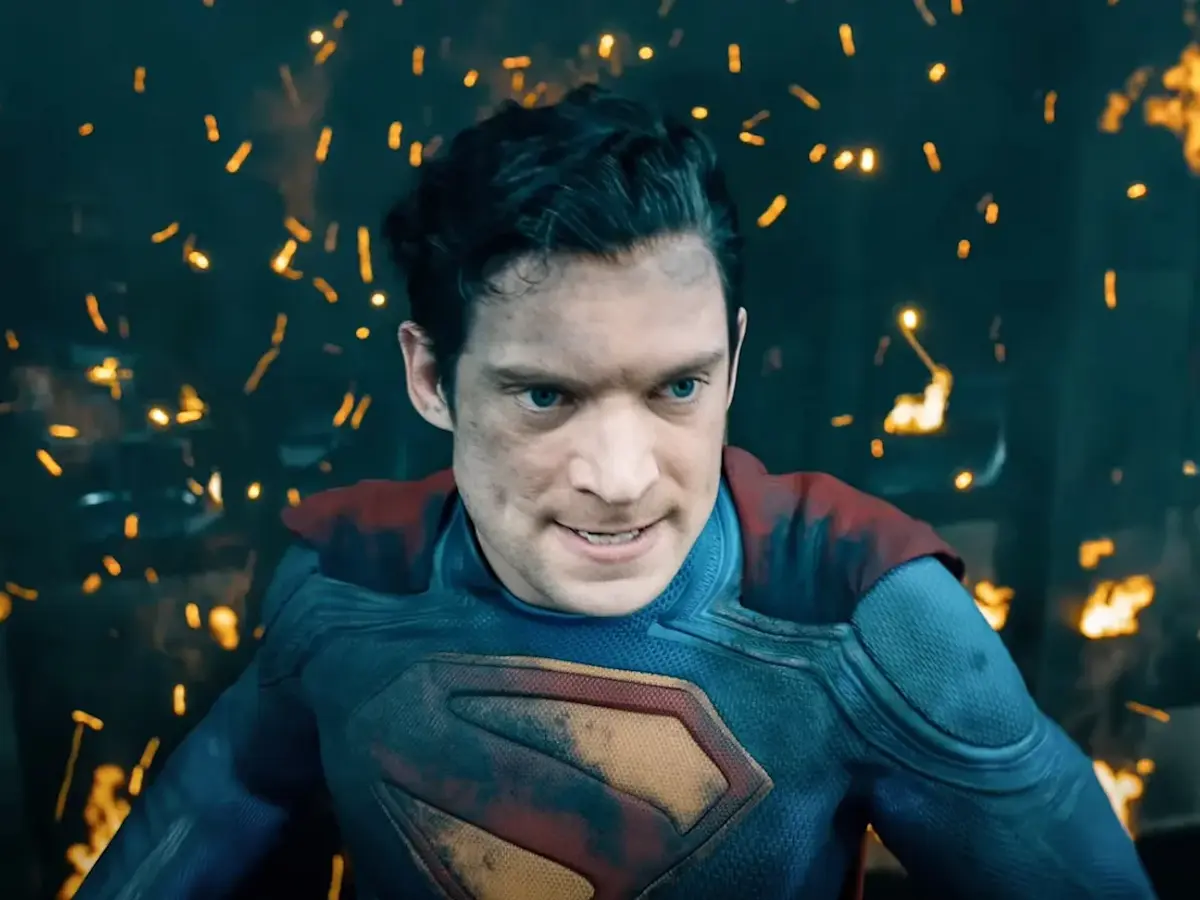
What the Superman Second Post-Credit Scene Reveals: Full Breakdown and Future Implications
The second post-credit scene in Superman provides crucial world-building context for the rebooted DC Universe (DCU), offering a key narrative bridge toward future superhero installments rather than just a standalone gag. By highlightin...
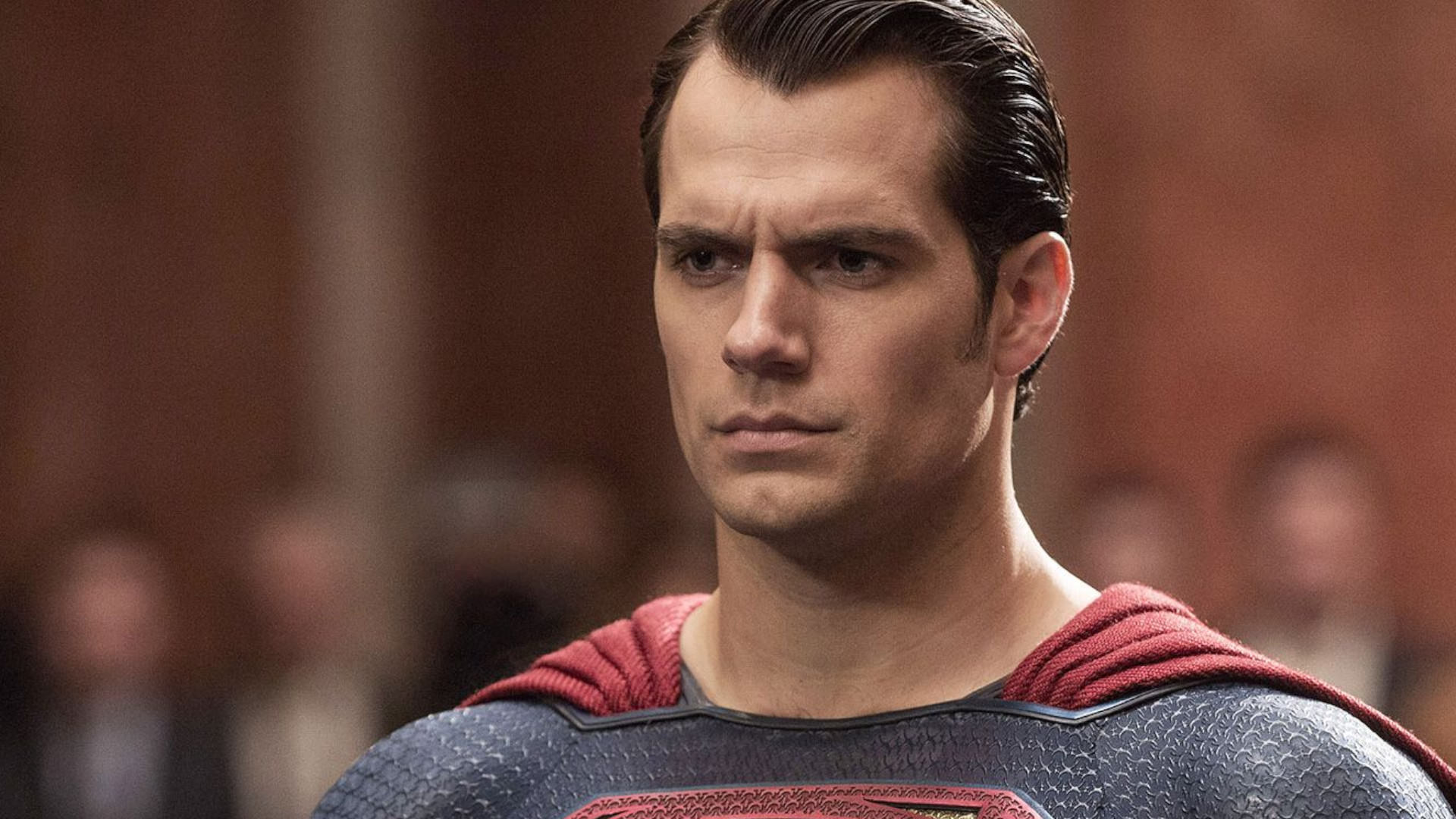
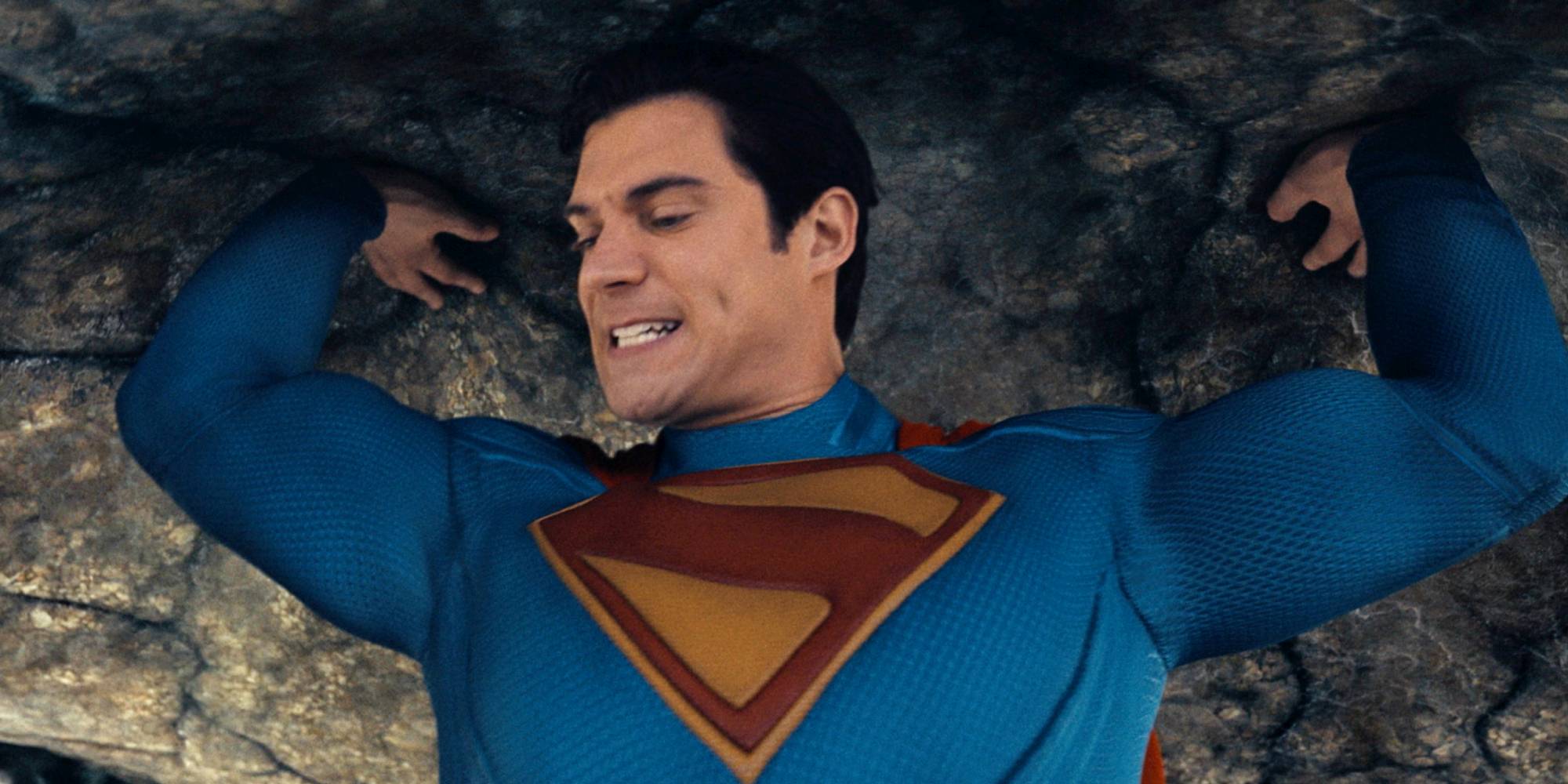
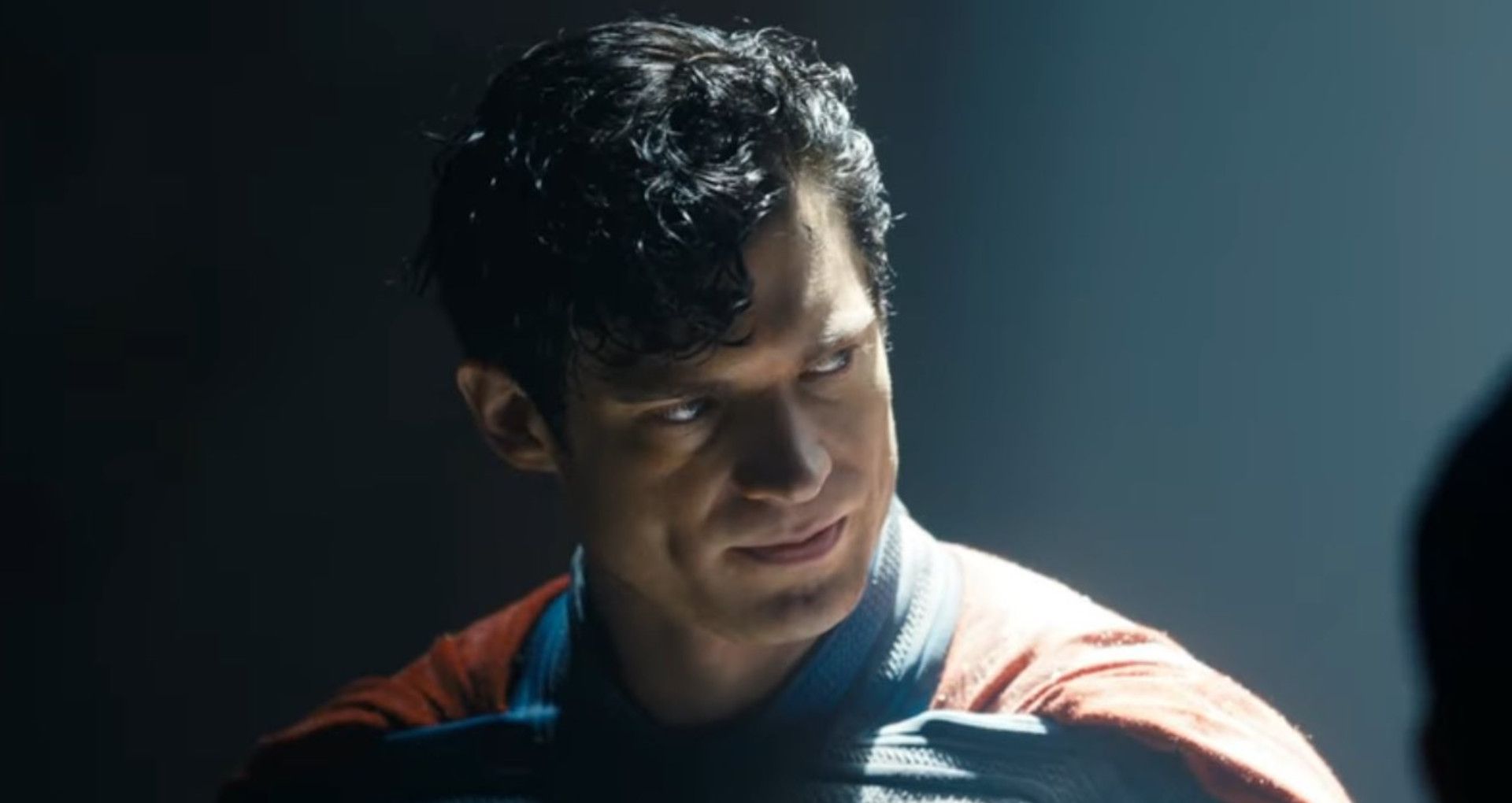
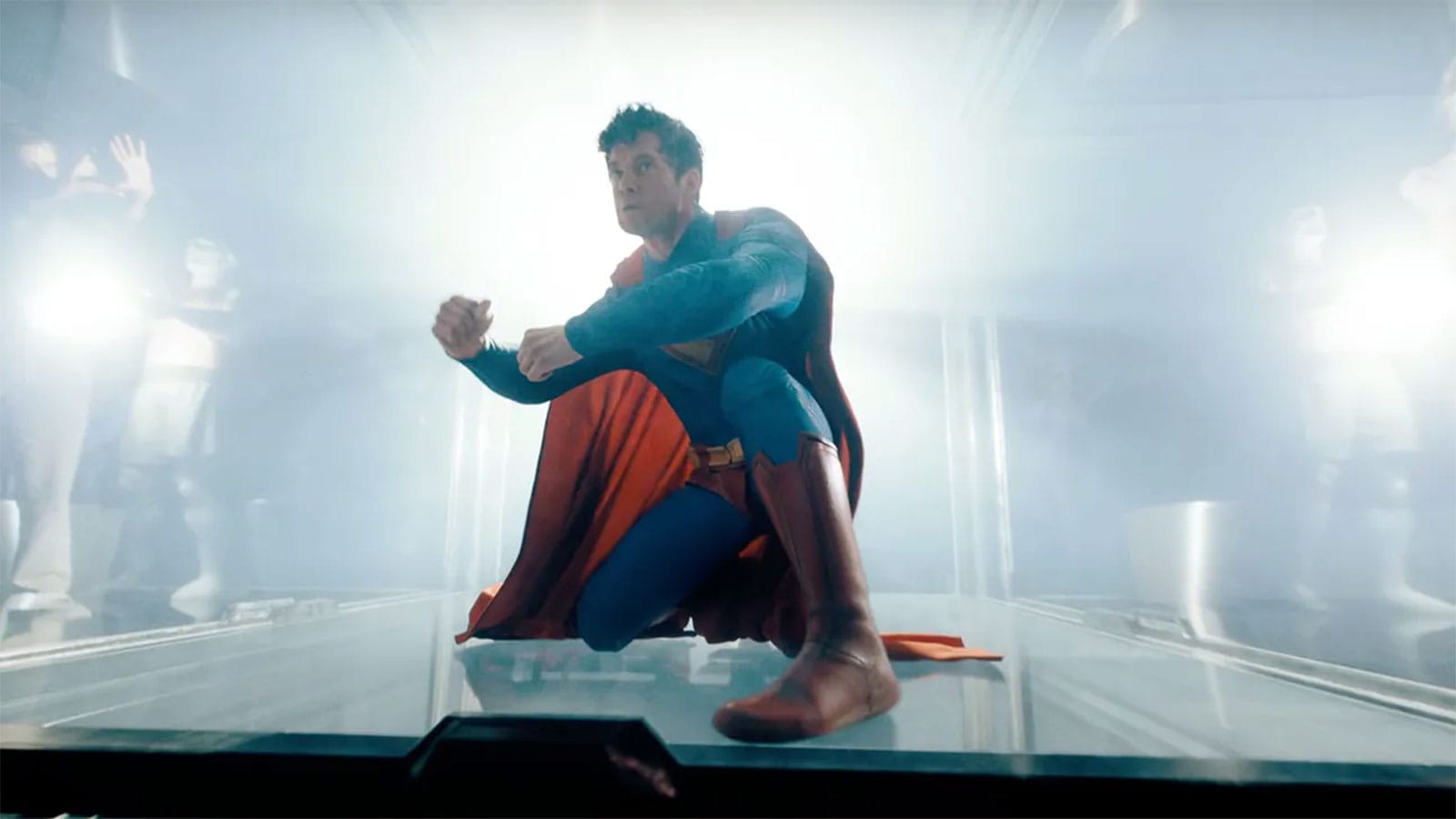
The second post-credit scene in Superman provides crucial world-building context for the rebooted DC Universe (DCU), offering a key narrative bridge toward future superhero installments rather than just a standalone gag. By highlighting secondary characters and subtle cosmic or comedic elements, the scene confirms the expanded scope of James Gunn's DCU, teasing upcoming storylines, character team-ups, and the broader thematic direction of Chapter 1: "Gods and Monsters."
Contents
Detailed Breakdown of the Second Post-Credit Scene
Post-credit sequences in modern superhero cinema serve two primary functions: delivering extra comedic payoff for patient viewers or establishing narrative threads for future feature films and television series. In the context of the Superman feature film, the secondary post-credit sequence focuses heavily on tone, character dynamic, and the functional reality of living in a world populated by meta-humans.
While primary post-credit sequences often deliver high-stakes teasers—such as introducing a major antagonist or announcing an upcoming crossover—the second post-credit scene delivers an intimate look at the everyday aftermath of the film's climax. The sequence highlights Clark Kent’s ongoing integration into a complex network of established heroes, including members of the Justice Society or international hero teams, while reinforcing the tonal shift toward a brighter, classic superhero environment.
The scene opens in the immediate wake of the film's central conflict, shifting focus from major global threats to the personal, localized consequences of meta-human activity. Rather than introducing a massive world-ending threat, the dialogue between the characters in this scene highlights the philosophical differences between Superman’s empathetic approach to heroism and the pragmatic, often corporate-driven tactics of his contemporaries.
- Main Story Climax
- First Post-Credit Scene: Major DCU Canon Setup & Big Villain/Hero Tease
- Second Post-Credit Scene: World-Building, Character Dynamics & Thematic Payoff
Key Character Teases and Narrative Implications
The secondary post-credit sequence confirms several critical details regarding the architecture of the new DC Universe:
- The Role of Meta-Human Infrastructure: The scene demonstrates that hero teams and government agencies like A.R.G.U.S. are already fully operational, establishing that Superman is entering an existing, populated hero ecosystem rather than acting as the world's sole protector.
- Krypto the Superdog and Animal Companions: The scene offers a lighthearted payoff regarding Krypto’s place in Clark Kent's home life, reinforcing the film's commitment to classic comic book elements that previous live-action adaptations omitted.
- Foreshadowing Future Chapter 1 Titles: Subtle dialogue cues and visual easter eggs directly point toward upcoming DCU projects, such as Supergirl: Woman of Tomorrow and the HBO series Lanterns.
By focusing on these elements, the filmmakers establish that the DCU operates as a cohesive, persistent world. Events in Metropolis have immediate ripple effects across cosmic sectors and covert government offices alike.
Comparing Post-Credit Reveals Across Superman Cinematic History
End-credit scenes featuring Superman or related Kryptonian lore have evolved significantly across different cinematic eras. Understanding how this scene fits into the broader historical trajectory of DC films highlights the strategic shift in studio world-building.
| Film Release | Scene Position | Featured Characters | Primary Reveal or Setup | Universe Context |
|---|---|---|---|---|
| Justice League (2017) | Second Post-Credits | Lex Luthor, Deathstroke (Slade Wilson) | Luthor escapes Arkham and proposes forming "a league of our own." | DCEU (Initial Legion of Doom Tease) |
| DC League of Super-Pets (2022) | Second Post-Credits | Krypto, Superman, Anubis, Black Adam | Anti-hero dog confrontation teasing a Black Adam crossover. | Animated / Standalone |
| Black Adam (2022) | Mid-Credits | Black Adam, Amanda Waller (Hologram), Superman | Superman confronts Black Adam at the behest of Waller. | DCEU (Scrapped Continuation) |
| Superman (2025/2026 Context) | First Post-Credits | Core DCU Hero / Cosmic Entity | Direct narrative setup for upcoming DCU Chapter 1 feature. | DCU Chapter 1: Gods and Monsters |
| Superman (2025/2026 Context) | Second Post-Credits | Clark Kent, Krypto, Supporting Hero | Character payoff, living-world world-building, and thematic closure. | DCU Chapter 1: Gods and Monsters |
Historically, end-credit sequences in DC films frequently suffered from fragmented planning, teasing storylines that were later abandoned due to studio pivots. The current design under DC Studios emphasizes interconnected narrative planning, ensuring that post-credit reveals correspond directly to greenlit productions across film, television, and animation.
Strategic Connection to Upcoming DCU Projects
The secondary post-credit scene acts as a connective bridge across several media formats. Rather than existing solely as an isolated joke, the scene plants narrative seeds that directly support the wider release slate.
- Superman End
- Supergirl: Woman of Tomorrow (Cosmic Lore)
- Lanterns (Earth-based & Sector 2814 Investigation)
- Peacemaker Season 2 / Waller (Government Oversight)
1. Supergirl: Woman of Tomorrow
The scene reinforces the existence of deep-space Kryptonian history and cosmic threats. By acknowledging the vastness of the cosmos beyond Earth, the sequence prepares audiences for Kara Zor-El's journey, which contrasts heavily with Clark Kent's Earth-bound upbringing.
2. Lanterns and Sector 2814 Oversight
Dialogue hints within the scene reference extraterrestrial jurisdiction on Earth, acknowledging the Green Lantern Corps' monitoring of human meta-human activity. This lays groundwork for the grounded, mystery-focused narrative of the Lanterns television series.
3. Government & Corporate Superhero Teams
By displaying the friction between independent heroes and corporate or government-backed entities (such as LordTech or Maxwell Lord's initiatives), the scene sets up the political tension that defines upcoming ensembles like The Authority.
Addressing Fan Theories vs. Verified Canon
Following the theatrical release, fan speculation regarding the contents of the end-credits sequence generated several unverified theories. Disentangling confirmed canonical details from fan speculation is essential for understanding where the story actually goes next.
- Theory: The scene reveals Batman in the shadows.
- Fact: The scene does not feature Bruce Wayne or Batman. While Batman exists within the DCU, his formal introduction is reserved for The Brave and the Bold.
- Theory: Lex Luthor establishes the Legion of Doom in this moment.
- Fact: Lex Luthor’s post-film status involves corporate maneuvering and political warfare rather than an immediate supervillain alliance assembly.
- Theory: The scene directly adapts a specific panel from All-Star Superman.
- Fact: While the film draws heavy thematic inspiration from Grant Morrison and Frank Quitely's All-Star Superman, the post-credit scene is an original narrative sequence designed for cinematic continuity.
Frequently Asked Questions
Do I need to stay until the very end of the credits for Superman?
Yes. The film features two distinct post-credit sequences. The first sequence occurs mid-credits and sets up major canonical plot points for future films, while the second sequence appears at the absolute end of the credits roll, offering thematic closure and minor world-building details.
How does the second post-credit scene impact Clark Kent's daily life at the Daily Planet?
The scene highlights Clark's ongoing struggle to balance his civilian career as an investigative reporter with his responsibilities as Superman. It emphasizes that despite global heroics, his personal life in Metropolis remains grounded in human relationships.
Is Krypto the Superdog canonically established in the DCU after this scene?
Yes. The second post-credit scene fully solidifies Krypto as a permanent fixture in Clark Kent's household and an active participant in the DCU, establishing a lighter, comic-accurate tone for future appearances.
Does this scene link directly to Peacemaker Season 2?
While the scene primarily focuses on Superman's immediate circle, it references the broader government oversight of meta-humans overseen by Amanda Waller, creating a shared narrative backdrop with Peacemaker Season 2 and Waller.
Who directed the post-credit scenes for the film?
Both post-credit sequences were written and directed by James Gunn as integral components of the film's production, ensuring consistent tone and seamless continuity with future DC Studios projects.
Next Steps for Viewers and Comic Fans
To fully appreciate the narrative threads introduced in the post-credit sequences of Superman, fans can explore the foundational source material that inspired the film's world-building:
- Read All-Star Superman by Grant Morrison: Gain insight into the optimistic, high-concept depiction of Superman's powers, philosophy, and personal world.
- Explore Supergirl: Woman of Tomorrow by Tom King: Understand the cosmic framework and characterization that directly builds on the film's Kryptonian lore.
- Track Official DC Studios Announcements: Follow verified releases regarding Chapter 1: "Gods and Monsters" to see how characters featured in the post-credit sequence transition into upcoming feature films and streaming series.
Image Gallery