The Anatomy of the 1978 Michael Myers Face: Mask Origins and Technical SFX History
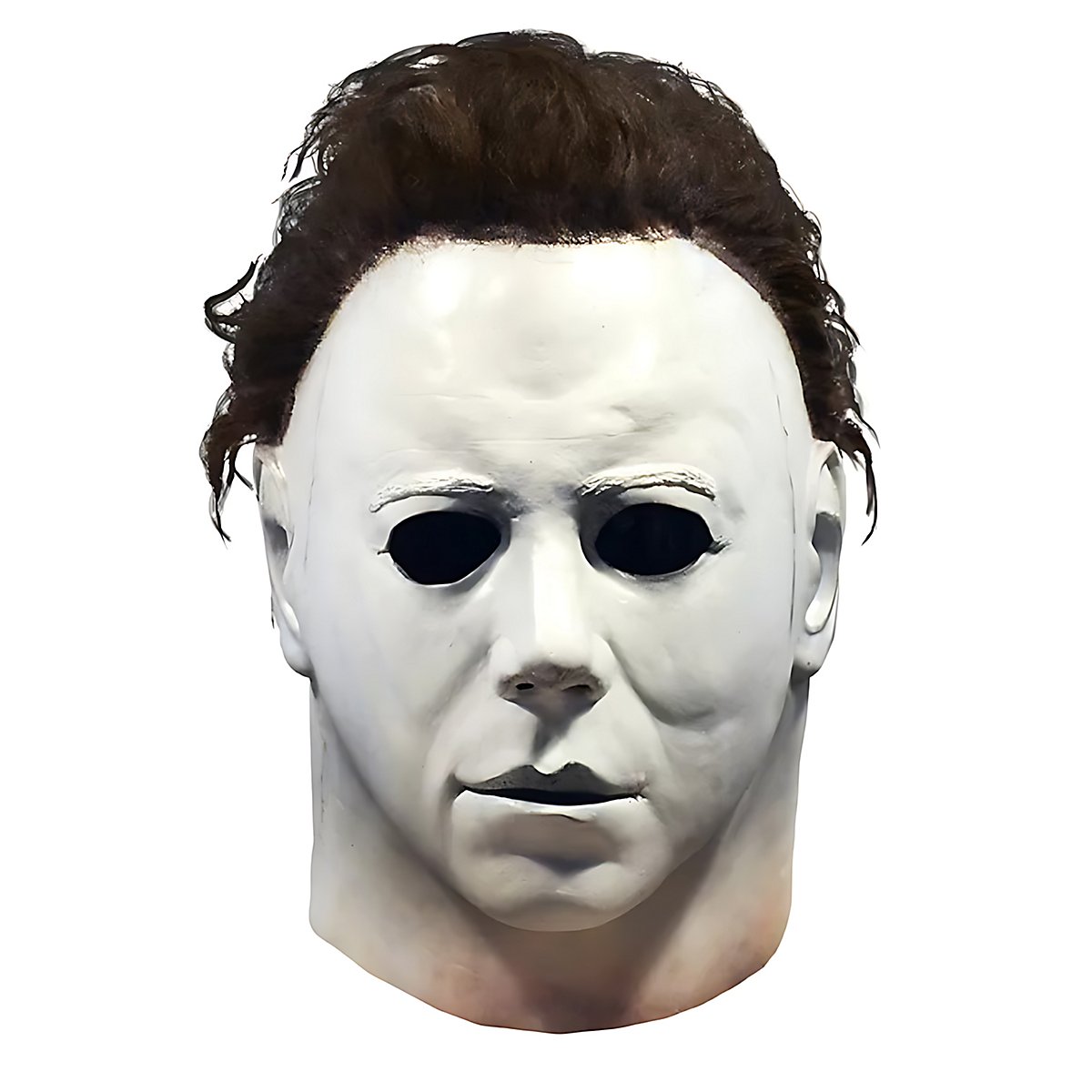
The iconic "face" of Michael Myers in the 1978 horror masterpiece Halloween refers to a 1975 Don Post Studios Captain Kirk mask, which was heavily modified by production designer Tommy Lee Wallace. This specific visage, characterized b...
The iconic "face" of Michael Myers in the 1978 horror masterpiece Halloween refers to a 1975 Don Post Studios Captain Kirk mask, which was heavily modified by production designer Tommy Lee Wallace. This specific visage, characterized by its pale, expressionless features and hollowed eyes, became the definitive image of "The Shape" in cinematic history.
Contents
While the face of Michael Myers is synonymous with the blank, white latex mask, the term also encompasses the three specific actors who portrayed the character in the original film: Nick Castle, Tony Moran, and Will Sandin. As we look at the legacy of this design in 2026, the 1978 mask remains the gold standard for horror aesthetics, influencing special effects artists and prop collectors who utilize modern 3D scanning and archival research to replicate the exact technical specifications of the original 1975 mold.
The Genesis of the Shape: The 1975 Captain Kirk Conversion
The creation of Michael Myers’ face was a matter of practical necessity and limited budget rather than elaborate design. In 1978, independent film production required resourceful solutions. Tommy Lee Wallace, working with director John Carpenter, sought a mask that was devoid of human emotion, a "blank slate" upon which the audience could project their deepest fears.
The selection process famously involved two choices from a local costume shop on Hollywood Boulevard: a Don Post Studios Captain Kirk mask (based on William Shatner’s likeness) and a clown mask. The Kirk mask was chosen for its uncanny, nearly-human-but-not-quite quality. To transform the "face" of a Star Trek hero into the "face" of a nightmare, Wallace performed several specific technical modifications:
- Removal of Sideburns: The molded sideburns were carefully torn or cut away to streamline the jawline.
- Widening the Eye Holes: The original small eye slits were manually cut into larger, more almond-shaped voids. This allowed the shadows to swallow the actor's eyes, creating the "blackest eyes" described by the character Dr. Loomis.
- The Paint Application: Wallace applied white spray paint (specifically Krylon Appliance White) to the latex. This was not a professional-grade finish, which resulted in the subtle textures and "flesh tones" peeking through as the paint began to crack and wear during the 21-day shoot.
- The Hair Transformation: The original brown hair of the Kirk mask was teased out and spray-painted dark brown or black using cheap hair coloring.
Technical Specifications of the 1978 Hero Mask
Understanding the physical properties of the 1978 mask is essential for historians and high-end collectors. In the current 2026 market, "Hero" mask replicas (those aiming for 100% accuracy to the screen-used prop) focus on these precise measurements and materials.
Material Composition and Latex Density The original mask was cast in thin-walled slush-cast latex. Unlike modern high-durability silicones, the 1978 latex was susceptible to "dry rot" and environmental degradation. This thinness allowed the mask to flex and change shape depending on the head size and facial movements of the actor, a phenomenon now referred to in the community as the "Castle Stretch."
Paint and Adhesion Challenges Because the paint used was not intended for flexible latex, the 1978 face possessed a unique matte finish that reflected light in a very specific way. Under the cinematography of Dean Cundey, this "dead" white surface allowed for the high-contrast lighting (chiaroscuro) that defined the film's visual language. Modern 2026 restoration efforts for surviving masks from that era focus heavily on stabilizing this original paint layer.
The Human Faces Behind the Mask
While the mask provided the "face" Michael showed the world, the physical presence of the character was a collaboration between three distinct performers. Each contributed a different physiological aspect to the character's appearance in 1978.
- Nick Castle (The Shape): Castle provided the majority of the movement. His slender frame and specific gait gave the mask its "personality." The way the mask stretched over Castle's face is what most fans consider the "true" look of the 1978 Michael Myers.
- Tony Moran (The Unmasked Michael): For the brief moment when Laurie Strode removes the mask during the balcony struggle, the face we see is that of Tony Moran. This casting was intentional; Carpenter wanted a face that looked "human and vulnerable" to contrast with the monster seen throughout the film.
- Will Sandin (6-Year-Old Michael): The opening POV sequence concludes with the reveal of young Michael’s face. This established the "Michael Myers face" as one of chilling, suburban normalcy before the mask was ever introduced.
Comparative Analysis: 1978 vs. Subsequent Iterations
To appreciate the 1978 design, it must be compared to later versions in the franchise. Many sequels failed to capture the original's "lighting-in-a-bottle" effect due to changes in molds, hair fiber, and actor head shapes.
| Feature | 1978 Original (H1) | 1981 Halloween II (H2) | 1988 Halloween 4 (H4) | 2018/2026 Modern Era |
|---|---|---|---|---|
| Base Mold | 1975 Don Post Kirk | Same mask (aged) | Custom sculpt | Digital scan of 1975 Kirk |
| Paint Finish | Flat Appliance White | Yellowed (Nicotine/Age) | Stark white/Pinkish | Weathered/Cracked |
| Eye Shape | Hand-cut Almond | Stretched wide | Small/Symmetrical | Realistic anatomical |
| Hair Style | Teased dark brown | matted/oily | Slicked back | Receding/Coarse |
| Actor Fit | Loose (The Stretch) | Tight (Warlock Fit) | Stiff/Padded | Form-fitting |
The "Castle Stretch" and Visual Geometry
One of the most debated technical aspects of the 1978 Michael Myers face is the "Castle Stretch." Because the 1975 Kirk mask was a "Large" size mold, it did not fit Nick Castle’s face snugly. This created a vertical elongation.
When Castle wore the mask, his jawline and cheekbones pulled the latex in a way that narrowed the face and slanted the eyes. This accidental geometry is what gives the 1978 face its menacing, hawk-like appearance. In contrast, when stuntman Dick Warlock wore the same mask in the 1981 sequel, his shorter, broader head shape created a wider, "rounded" face, illustrating how the actor’s physical "face" underneath is just as important as the latex above it.
Collecting and Preserving the 1978 Look in 2026
As of 2026, the hobby of Michael Myers mask collecting has reached a pinnacle of technical sophistication. For those seeking to own the "1978 face," there are three primary tiers of acquisition:
- Mass-Market Replicas: Companies like Trick or Treat Studios utilize "master molds" that are often derived from scans of original 1975 Kirk masks. These are the most accessible way for fans to own a piece of the history.
- Independent Artist Conversions: Specialist artists (often called "rehaulers") take mass-market masks and strip them down. They apply screen-accurate hair (usually mohair or camel hair) and use multi-layered painting techniques to mimic the "Krylon over latex" look of 1978.
- Private Commissions (The "Grails"): Top-tier SFX artists create limited-run sculpts based on archival photos from the set of Halloween. These masks are often sold for thousands of dollars in 2026, valued for their adherence to the "Hero" mask's specific imperfections.
Maintenance and Conservation of 1978-Style Latex
For collectors and cosplayers, maintaining the "1978 face" requires strict adherence to archival standards. Latex is a biological material that naturally breaks down over time through a process called oxidation.
- UV Protection: Never display a 1978 replica in direct sunlight. UV rays shatter the molecular bonds of the latex, leading to cracking.
- Temperature Control: Keep masks in a climate-controlled environment. Extreme heat causes the latex to "sweat" oils, while extreme cold makes it brittle.
- Internal Support: Use a foam head or a specialized mask stand. Without internal support, the "face" will collapse under its own weight, permanently distorting the 1978 features.
- Avoid Oils: Human skin oils are acidic. If wearing the mask for cosplay, it is recommended to wear a silk or spandex "balaclava" underneath to prevent sweat from reaching the latex.
The Cinematic Impact of an "Empty" Face
The enduring power of the 1978 Michael Myers face lies in its lack of detail. By stripping away the identity of William Shatner and replacing it with a monochromatic white, the filmmakers created a "non-face." In film theory, this is often discussed as the "Kuleshov Effect" applied to a mask. Because Michael's face doesn't move, the audience interprets his emotions based on the music and the editing. If the music is frantic, the face looks angry; if the scene is quiet, the face looks predatory.
This technical achievement in 1978 proved that in horror, "less is more." The face of Michael Myers isn't a face at all—it is a mirror for the viewer's own fear.
Frequently Asked Questions
Whose face was the Michael Myers mask originally based on?
The mask was originally a 1975 Captain Kirk mask produced by Don Post Studios, which was sculpted based on a life cast of actor William Shatner. The production team for Halloween purchased the mask for about $1.98 and modified it to remove the Shatner likeness.
Why does Michael Myers' face look different in every movie?
While the 1978 original used a modified Kirk mask, subsequent films used different molds, different actors, and different special effects teams. For example, the 1988 mask was a custom sculpt that lacked the original's proportions, while the 2018-2026 films used digital scans to return to the 1978 aesthetic.
Do we ever see Michael Myers' real face in the 1978 movie?
Yes, Michael's face is shown twice. The first is at the beginning of the film as a six-year-old child (played by Will Sandin). The second is during the climax when Laurie Strode pulls off his mask, revealing the adult Michael Myers (played by Tony Moran) for a few seconds.
What kind of paint was used on the 1978 Michael Myers mask?
Tommy Lee Wallace used Krylon Appliance White spray paint. This choice was significant because it didn't bond perfectly with the latex, leading to the subtle "flesh-tone" highlights that fans and 2026 replica artists strive to recreate.
Is the original 1978 Michael Myers mask still in existence?
The "Hero" mask used in the original film is still in existence, though it has aged significantly. It was owned for many years by Mark Roberts, who purchased it from Dick Warlock. In 2026, it is considered one of the most valuable pieces of horror cinema memorabilia in the world.
How can I make my own 1978 Michael Myers mask?
To achieve the 1978 look, start with a high-quality "Kirk" blank. Sand down the sideburns, widen the eye holes with a sharp blade or dremel, apply a thin coat of white latex-based paint, and hand-apply dark brown crepe hair or mohair in a messy, "teased" fashion.
The legacy of the 1978 Michael Myers face continues to dominate the horror genre in 2026. Whether you are a film student analyzing the cinematography of the "The Shape" or a collector seeking the ultimate screen-accurate replica, understanding the technical history and the "happy accidents" of the original production is essential. The 1978 mask remains a testament to the power of low-budget ingenuity and the enduring terror of the blank, white void.
Image Gallery