Why Liability Auto Insurance Rarely Covers Hail Damage and How to Protect Your Vehicle
Liability auto insurance is designed to cover the costs of bodily injury or property damage you cause to others in an accident, but it does not extend to your own vehicle, particularly regarding non-collision events like hail storms. B...
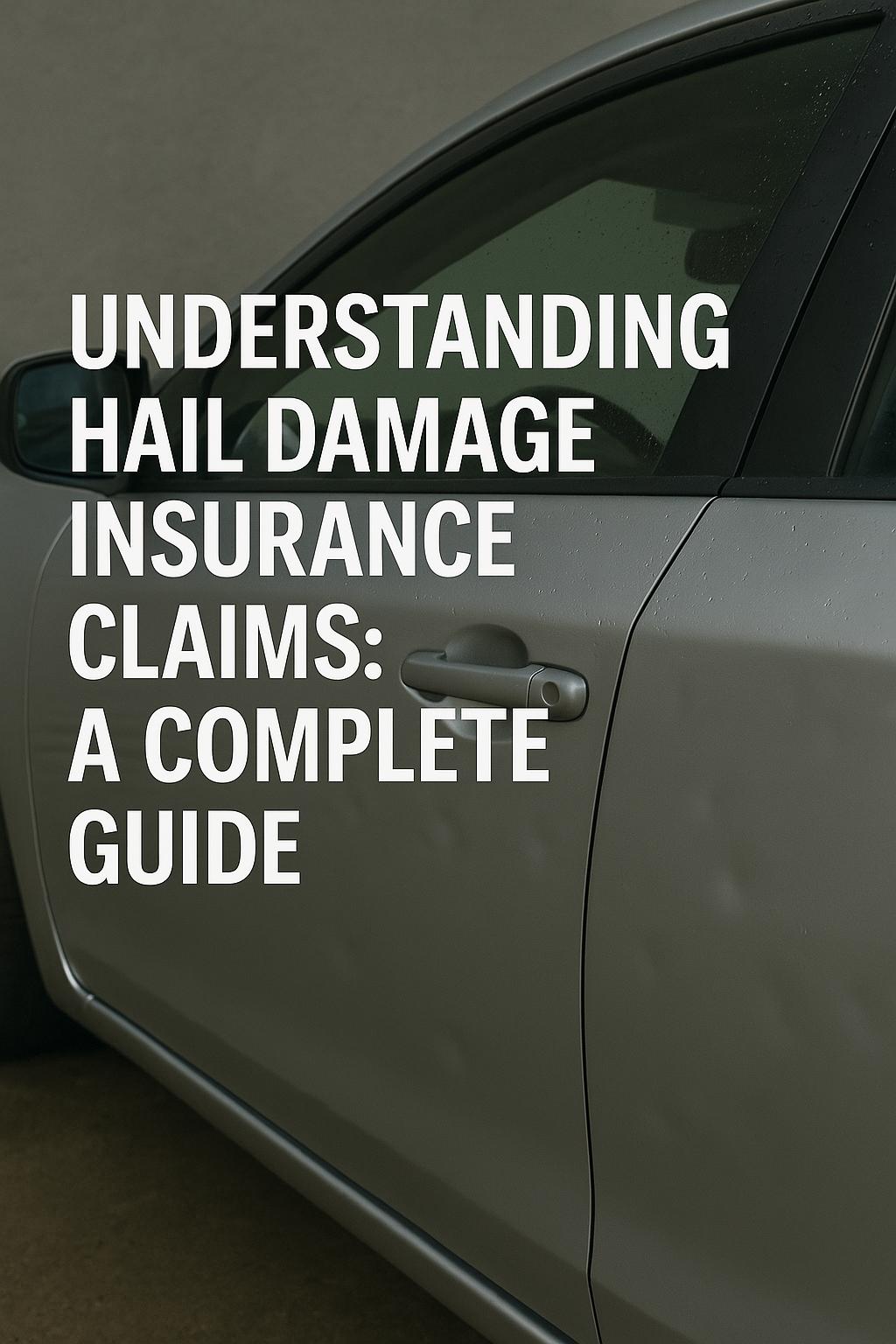
Liability auto insurance is designed to cover the costs of bodily injury or property damage you cause to others in an accident, but it does not extend to your own vehicle, particularly regarding non-collision events like hail storms. Because hail damage is considered an act of nature rather than the result of a traffic accident, it falls entirely outside the scope of liability coverage, leaving the financial burden of repairs on the vehicle owner unless they carry specific physical damage protection.
Contents
Understanding the Scope of Liability Auto Insurance
To understand why hail damage is excluded, one must first define what liability insurance actually covers. In the United States, most states mandate that drivers carry liability coverage. This insurance protects your assets by paying for the damages you legally owe to others when you are found at fault in a collision.
Liability insurance is divided into two primary components:
- Bodily Injury Liability: This pays for the medical expenses, lost wages, and pain and suffering of other people involved in an accident that you caused.
- Property Damage Liability: This covers the costs to repair or replace the other party’s vehicle, fence, building, or other property damaged during an incident you caused.
Crucially, liability coverage is "other-directed." It is a legal shield for your assets, not a maintenance or repair policy for your own property. It does not provide funds for your vehicle’s repairs regardless of the cause of the damage, whether that be a minor fender bender, a hit-and-run by an unidentified driver, or a severe weather event like a hail storm.
Why Hail Damage Is Classified Differently
In the insurance industry, claims are categorized by the nature of the event. Hail damage is classified as a "comprehensive" event, also known as "Other Than Collision" (OTC) coverage. Unlike a collision—which involves hitting another object or vehicle—hail damage is a sudden, accidental environmental occurrence.
When you purchase a policy, insurance carriers view "Liability-Only" policies as minimal protection. These policies explicitly exclude any coverage for the policyholder's vehicle because the premium paid is strictly calculated based on the risk you pose to others. Because the policy does not include a physical damage component, the insurer has no contractual obligation to pay for any damage sustained by your car, regardless of whether that damage came from a meteor falling from the sky or a stone kicked up by a passing lawnmower.
The Role of Comprehensive Coverage
The only way to ensure your vehicle is protected against hail damage is through comprehensive coverage. This is an optional add-on to your auto insurance policy that acts as a financial safety net for events that are beyond your control.
Comprehensive coverage typically covers damage to your vehicle resulting from:
- Weather Events: Hail, wind, floods, tornadoes, and hurricanes.
- Theft and Vandalism: Including broken windows or keyed paint.
- Animal Collisions: Striking a deer or other large animal.
- Falling Objects: Trees, branches, or flying debris.
- Fire or Explosions.
When you opt for comprehensive coverage, you also choose a deductible. This is the amount you agree to pay out-of-pocket before the insurance company covers the remainder of the repair costs. For example, if a severe hail storm causes $3,000 in damage to your hood and roof, and you have a $500 deductible, your insurer would pay $2,500 toward the repair.
Cost-Benefit Analysis: Is Comprehensive Worth It?
Deciding whether to add comprehensive coverage often depends on the market value of your vehicle. If your car is older or has a very low resale value, the cost of the premiums over several years might exceed the potential payout for a hail claim.
Comparison of Coverage Types
| Feature | Liability-Only | Comprehensive (OTC) |
|---|---|---|
| Protects Your Vehicle? | No | Yes |
| Covers Hail Damage? | No | Yes |
| Covers Theft/Vandalism? | No | Yes |
| Required by Law? | Yes (in most states) | Only if financing/leasing |
| Primary Beneficiary | Other parties | You (the policyholder) |
If you own your vehicle outright and it has a low blue-book value, some drivers choose to "self-insure" by skipping comprehensive coverage. However, if your car is relatively new, expensive to repair, or financed through a lender, maintaining comprehensive coverage is usually mandatory and financially prudent.
Steps to Take After Hail Damage
If your car sustains hail damage and you suspect you have comprehensive coverage, follow these steps to manage the claim efficiently:
- Verify Your Coverage: Log into your insurance portal or check your "Declarations Page." Look specifically for "Comprehensive" or "Other Than Collision" listed under the coverage section for your vehicle.
- Document the Damage: Take high-resolution photos and videos of the damage from multiple angles. Do this as soon as possible after the storm while the damage is fresh and visible.
- Check for Other Issues: Sometimes hail is accompanied by wind that can break windows or lift hoods. Ensure you report any related issues to your adjuster.
- Contact Your Insurer: File the claim immediately. Delaying the report can sometimes lead to disputes about whether the damage occurred during that specific storm or over time.
- Get a Professional Estimate: While your insurer will send an adjuster, you may also want to get an independent estimate from a reputable body shop to compare figures.
Common Myths and Misconceptions
There is often confusion regarding how weather-related claims impact insurance premiums. A common fear is that filing a claim for hail damage—which is considered "no-fault"—will cause your insurance rates to skyrocket. While this can vary by state and individual insurance company, most providers classify comprehensive claims differently than at-fault collision claims. Because hail is an act of nature, it is often viewed as a "non-chargeable" accident, meaning your premium may remain stable or see only a minor adjustment.
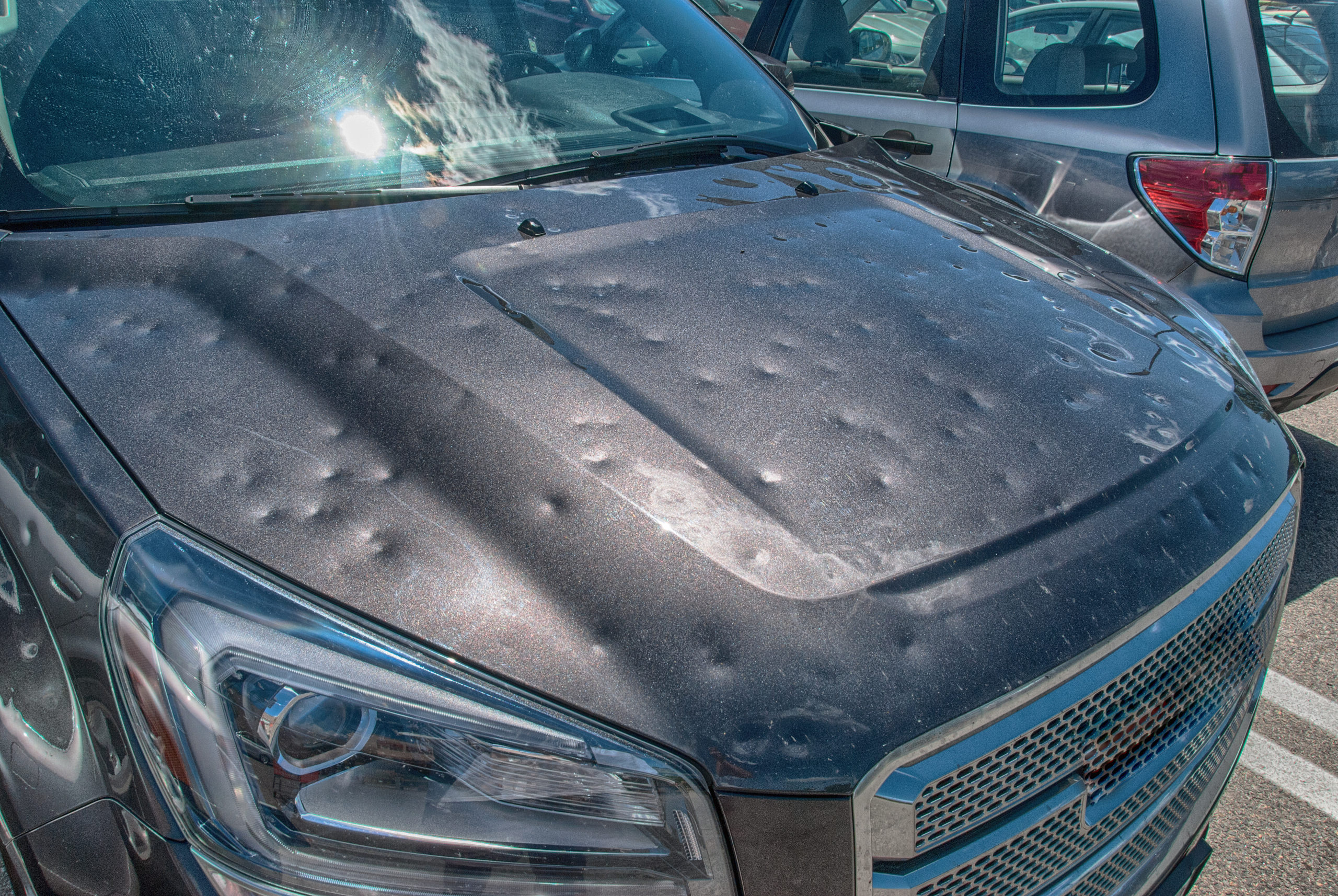
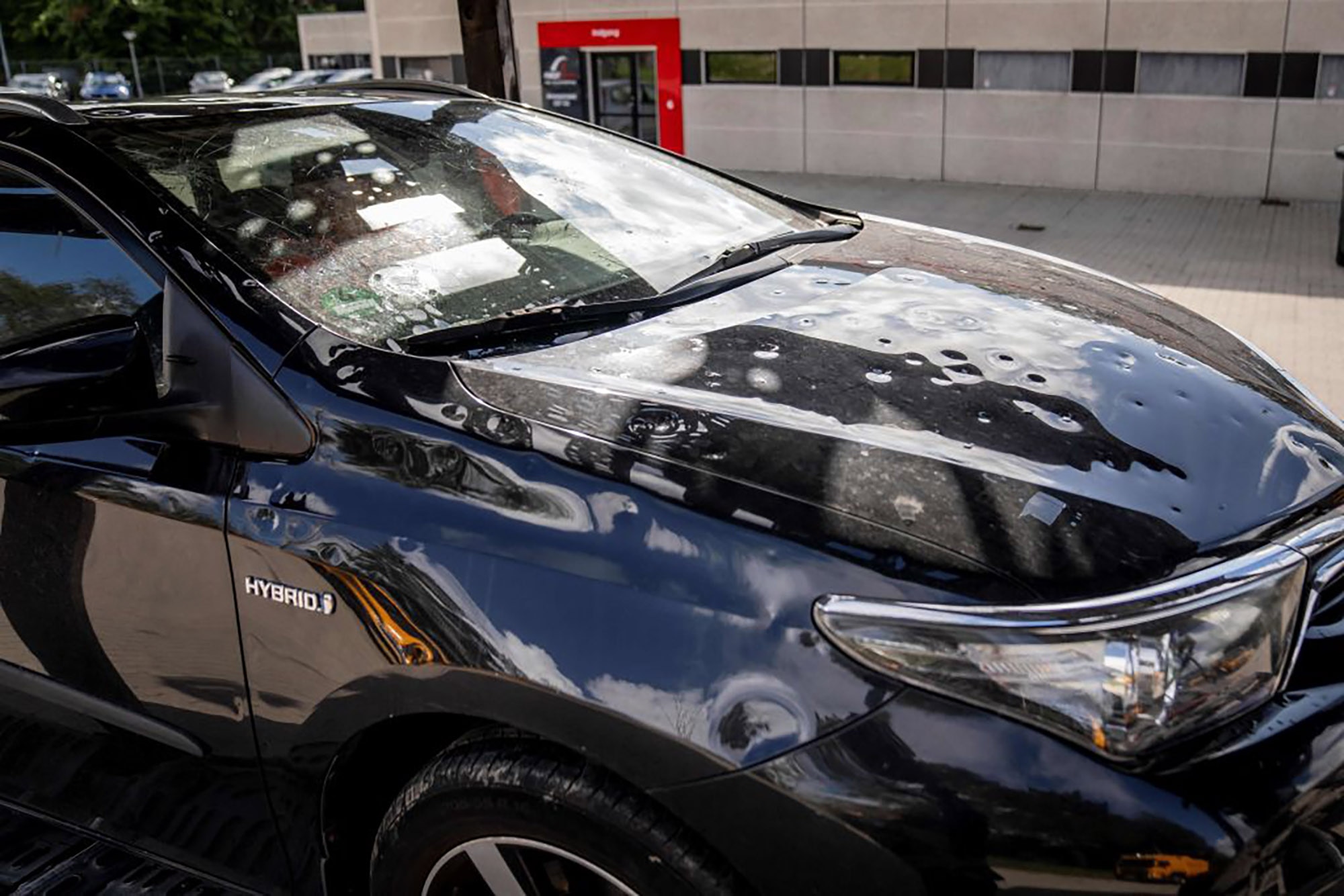
Another misconception is that the insurer will always "total" a car if it has significant hail dents. While hail damage is strictly cosmetic in many cases, it can be expensive to fix due to the labor involved in "Paintless Dent Repair" (PDR). If the cost to repair the dents exceeds a specific percentage of the car's actual cash value (ACV), the insurer may indeed deem it a total loss.
Professional Advice Limitations
The information provided here is for educational purposes as of 2026 and does not constitute formal legal or financial advice. Insurance regulations, statutes, and coverage terms vary significantly by jurisdiction and by individual insurance contracts. Always consult your specific insurance policy document or a licensed insurance agent to understand the precise terms, conditions, and exclusions of your current coverage.
Frequently Asked Questions
Will my liability insurance pay for a dented roof caused by hail?
No. Liability insurance is strictly for damages you cause to others. It does not provide coverage for any damage sustained by your own vehicle, regardless of the cause.
Is hail damage considered a "no-fault" claim?
Yes. Because hail is a weather-related event outside of your control, it is typically treated as a no-fault claim. However, you must have comprehensive coverage on your policy for the insurer to process and pay for the repairs.
Should I drop comprehensive coverage if my car is old?
This is a personal financial decision. If the cost of the premiums over a few years is significant relative to the car's total value, some owners opt to drop it. However, remember that you lose protection against not just hail, but theft, vandalism, and fire as well.
How does the insurance company determine the cost of hail repairs?
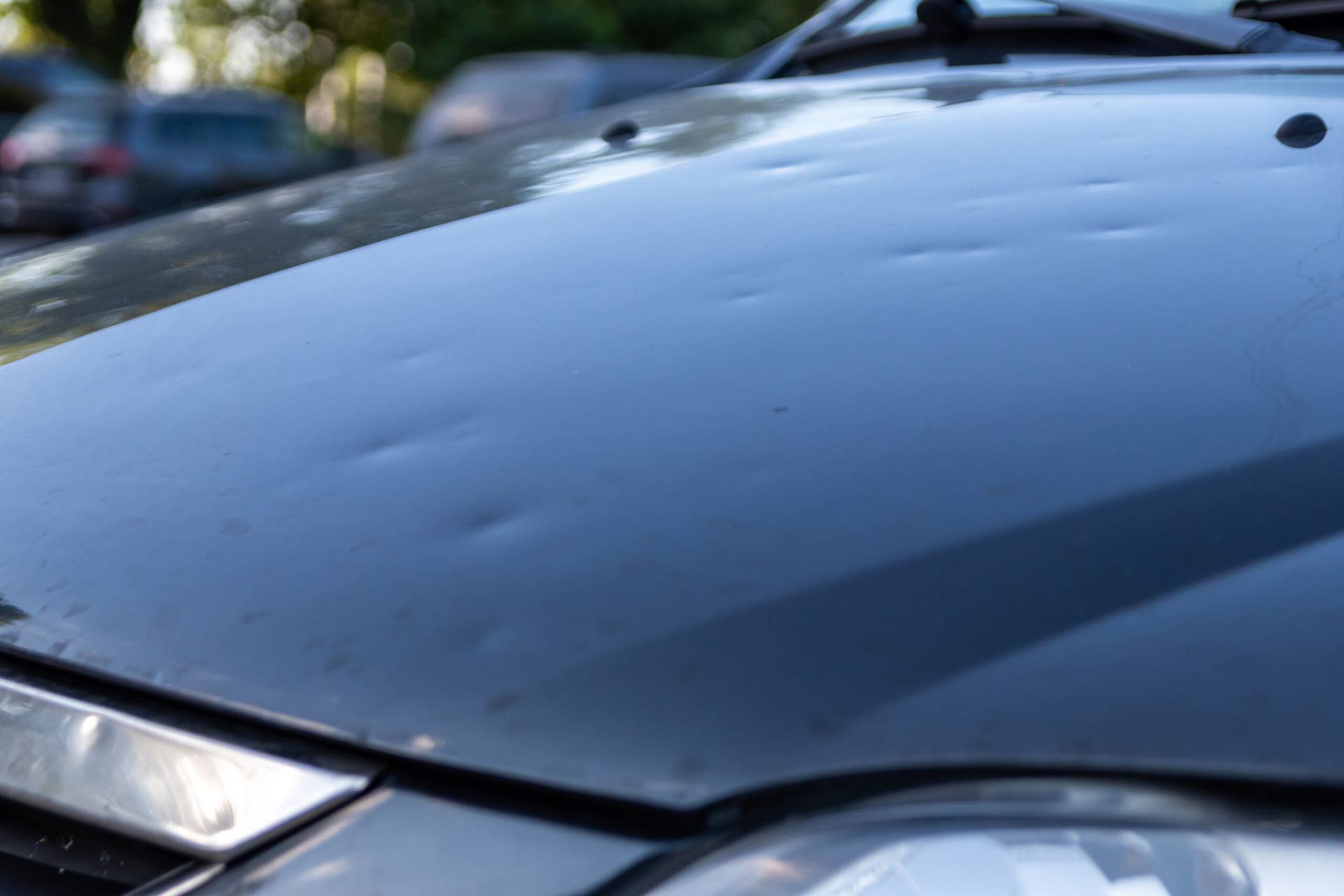
Adjusters look at the density and size of the dents on the body panels. They often use Paintless Dent Repair (PDR) as the standard, which is cheaper than traditional bodywork. If the damage is severe enough to require replacing panels or repainting, the costs will increase.
Can I repair the hail damage myself to save money?
You can technically perform repairs yourself; however, doing so without professional expertise may reduce the vehicle's resale value and will not change your insurance deductible obligations. If you file a claim, the insurer will base their payout on a professional repair estimate.
Does the year of my car affect my hail damage coverage?
Yes. Insurance companies pay out based on the Actual Cash Value (ACV) of your vehicle at the time of the loss. If your car is older, the payout for repairs might be lower, or the vehicle might be more easily deemed a total loss if the repair costs are high.
Next Steps
Review your current auto insurance policy today to confirm if you carry comprehensive coverage. If you live in an area prone to severe weather, check your deductible—ensure it is at a level you can comfortably afford in the event of a significant storm. If you currently only hold a liability-only policy, contact your agent to request a quote for adding comprehensive coverage; it is often more affordable than policyholders expect and provides essential protection against the unpredictable elements of nature.
Image Gallery