Why a Green Brick House is Gaining Attention
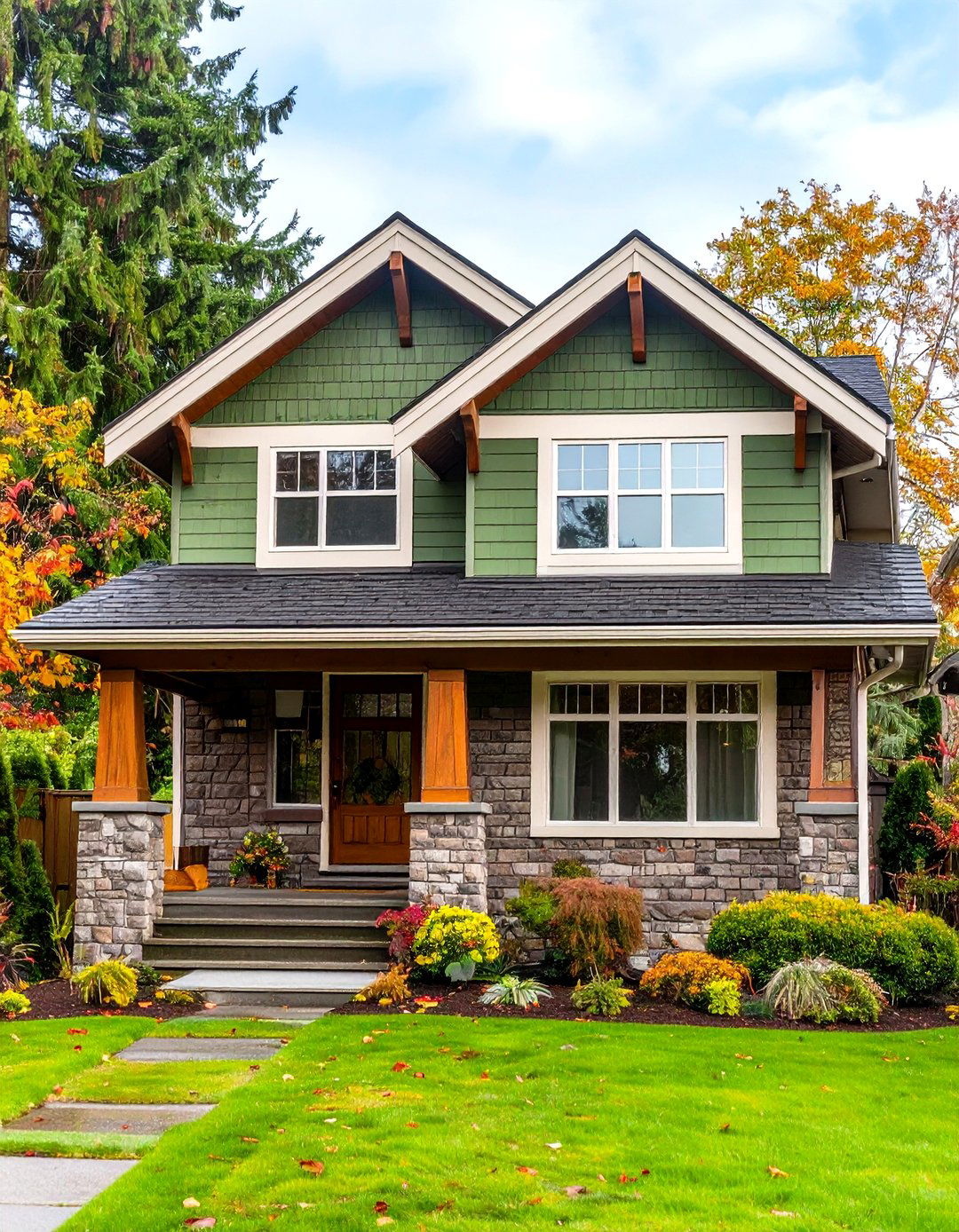
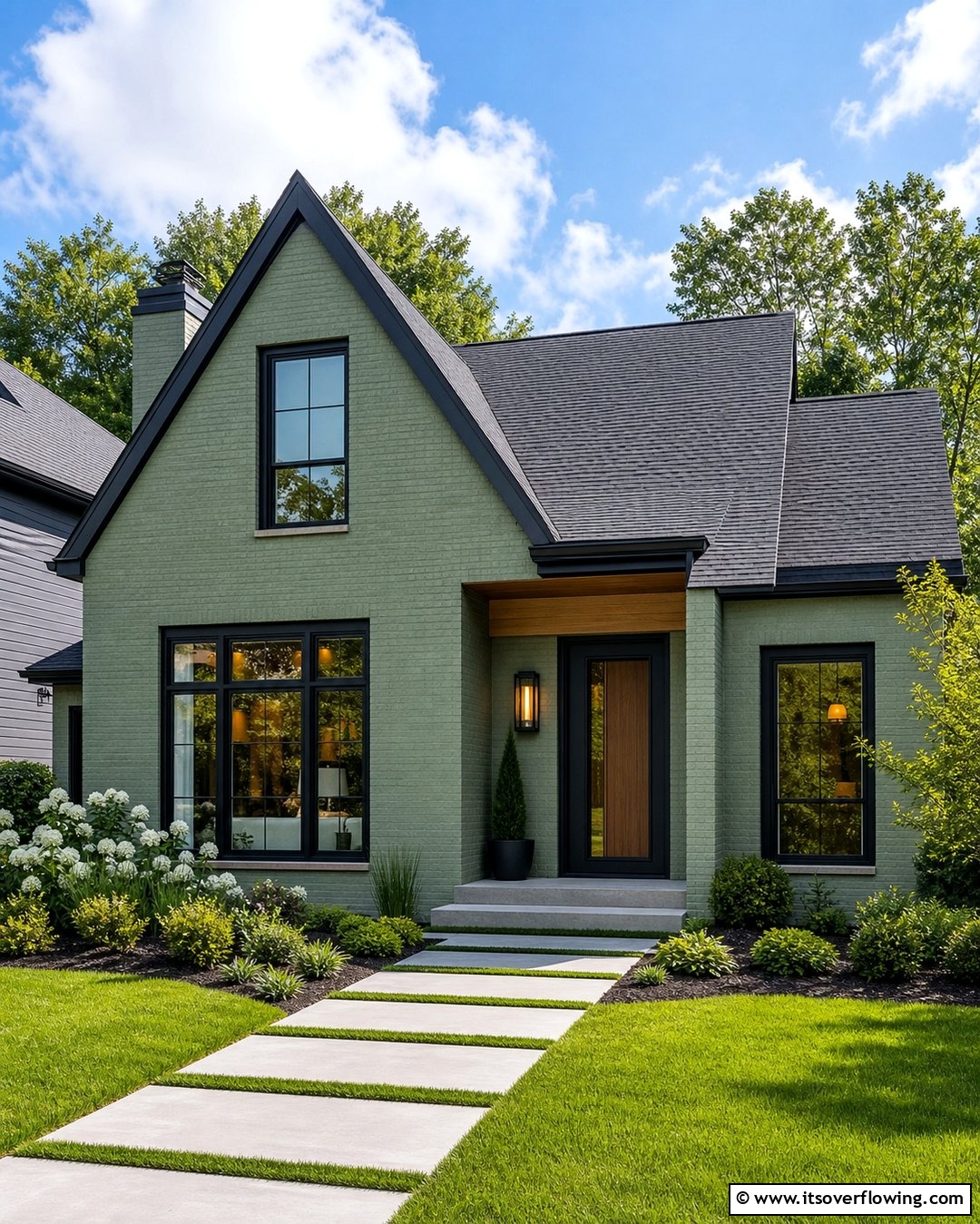
A green brick house is gaining attention because it represents the convergence of biophilic design trends and advanced sustainable construction technology. In 2026, homeowners and architects are prioritizing materials that offer low ca...
A green brick house is gaining attention because it represents the convergence of biophilic design trends and advanced sustainable construction technology. In 2026, homeowners and architects are prioritizing materials that offer low carbon footprints, high thermal mass, and a visual connection to nature, moving beyond traditional red clay or gray concrete aesthetics.
Contents
The Dual Appeal: Aesthetic Expression and Environmental Responsibility
The "green brick" phenomenon is not a singular trend but a dual movement involving both the visual use of green-toned masonry and the technical adoption of ecologically superior building units. On one hand, architectural trends have shifted toward biophilic design—the practice of connecting occupants more closely to nature. Green-hued bricks, whether glazed, lime-washed, or naturally pigmented, allow structures to blend into landscapes rather than dominate them.
On the other hand, the technical definition of a "green" brick refers to its manufacturing process. Traditional kiln-fired bricks are energy-intensive, contributing significantly to global CO2 emissions. The modern green brick—often made from recycled construction waste, bio-based binders, or compressed earth—offers a high-performance alternative. This combination of "visual green" and "ecological green" has made these homes a focal point for luxury developments and sustainable urban planning alike.
The Rise of Biophilic Masonry in 2026
By 2026, the psychological benefits of color in residential architecture have been well-documented. Research into environmental psychology suggests that green tones reduce cortisol levels and improve cognitive function. This has led to a surge in demand for green brick houses, particularly in high-density urban environments where residents crave a connection to the natural world.
Glazed vs. Matte Finishes
Glazed green bricks are frequently used as statement pieces or for entire facades to provide a reflective, living quality to the walls. These bricks change appearance based on the time of day and moisture levels, mimicking the variability of forest canopies. Conversely, matte or textured green bricks offer a more grounded, organic feel, often achieved through mineral pigments integrated directly into the brick body.
Integration with Natural Landscapes
Architects are increasingly using green bricks to "dissolve" the boundaries between the home and the garden. By matching the brick tone to local foliage or mosses, the building envelope appears to be an extension of the site. This approach is particularly popular in modern brutalist and minimalist designs where the material’s texture and color provide the primary ornamentation.
Technological Innovations in Sustainable Brick Production
The attention surrounding green brick houses is heavily driven by the urgent need to decarbonize the construction industry. As building codes in 2026 become more stringent regarding embodied carbon, the materials used to build the "bones" of the house are under intense scrutiny.
Recycled and Low-Carbon Masonry
Products like the K-Briq, made from 90% recycled construction and demolition waste, have moved from experimental phases into mainstream residential use. These bricks do not require firing in a kiln, which eliminates the massive energy consumption typically associated with brick production. Because they can be produced in various colors using recycled pigments, they satisfy both the aesthetic and ecological requirements of the green brick trend.
Bio-Bricks and Carbon-Sequestering Units
Bio-bricks, which use microbial induced calcium carbonate precipitation (MICP) or fungal mycelium, are gaining traction for non-load-bearing and interior walls. These bricks literally "grow" at room temperature and, in some cases, continue to sequester carbon throughout their lifespan. While still more expensive than traditional clay, the falling costs of bio-manufacturing in 2026 have made them a viable option for eco-conscious custom builds.
Thermal Performance and Energy Efficiency
One of the practical reasons a green brick house is gaining attention is its superior thermal performance. Modern masonry systems are designed to maximize the "thermal flywheel" effect, which is crucial for reducing HVAC dependency.
- High Thermal Mass: Bricks absorb solar heat during the daylight hours and release it slowly as the evening cools. This stabilizes indoor temperatures, reducing the "peak load" on cooling systems.
- Air Cavity Systems: Green brick houses often utilize advanced rainscreen or cavity wall systems. These designs provide a layer of air between the brick exterior and the internal insulation, preventing moisture buildup and providing an additional thermal buffer.
- Durability and Longevity: Unlike wood siding or synthetic renders that may require replacement or repainting every 10–15 years, high-quality brick can last for over a century. This extreme longevity is the ultimate "green" metric, as it reduces the lifecycle carbon cost of the structure.
Cost-Benefit Analysis: The 2026 Perspective
While the initial investment in a green brick house may be higher than traditional wood-frame or vinyl-clad alternatives, the long-term financial outlook is increasingly favorable. In 2026, the real estate market places a significant premium on "future-proofed" homes that meet high ESG (Environmental, Social, and Governance) standards.
Market Premium and Resale Value
Homes featuring sustainable masonry are currently seeing a 10% to 15% higher resale value compared to standard builds in the same zip code. This is attributed to the reduced maintenance costs and the increasing rarity of high-quality brick craftsmanship. Furthermore, as carbon taxes on building materials begin to influence insurance and mortgage rates, the lower embodied carbon of green bricks becomes a tangible financial asset.
Maintenance Comparison
| Feature | Traditional Wood/Siding | Traditional Clay Brick | Sustainable "Green" Brick (2026) |
|---|---|---|---|
| Initial Cost (per sq. ft.) | $15 - $25 | $35 - $50 | $45 - $65 |
| Expected Lifespan | 20 - 40 Years | 100+ Years | 80 - 100+ Years |
| Maintenance Requirements | Painting/Sealing every 5 years | Periodic repointing (30 years) | Minimal; self-cleaning glazes available |
| Carbon Footprint | Low (if timber is managed) | High (due to kiln firing) | Very Low (recycled/unfired) |
| Energy Efficiency (R-Value) | Low (requires heavy insulation) | Moderate (High Thermal Mass) | High (Integrated Insulating Cores) |
Implementation Challenges and Solutions
Despite the growing attention, building a green brick house is not without its hurdles. Sourcing and specialized labor remain the two most significant barriers to entry for the average homeowner.
- Specialized Masonry Labor: Installing modern green bricks, especially those with unique geometries or bio-based compositions, requires specialized training. In 2026, there is a shortage of masons skilled in these newer systems, which can drive up labor costs.
- Supply Chain Availability: While standard red bricks are available at any local yard, specific green-toned or eco-certified bricks may need to be shipped from specialized regional manufacturers, potentially offsetting some of the environmental benefits if the transport distance is excessive.
- Zoning and HOA Restrictions: In some suburban developments, Homeowners Associations (HOAs) or historic district commissions may have strict rules regarding exterior colors. A vibrant green brick facade might face more regulatory pushback than a traditional earth tone.
Expert Recommendations for Prospective Builders
If you are considering a green brick house, focus on the "Triple Bottom Line": People, Planet, and Profit. Ensure that your choice of material benefits your well-being through aesthetics, minimizes your environmental footprint, and protects your long-term investment.
- Verify Certifications: Look for EPDs (Environmental Product Declarations) from the manufacturer. This document provides a transparent look at the brick's lifecycle carbon footprint.
- Contextualize Color: Choose a shade of green that complements the local geography. A dark, forest-green brick may look stunning in the Pacific Northwest but may absorb too much heat in the Arizona desert.
- Plan for Logistics: Order your bricks at least 6 months before the foundation is poured. Sustainable materials often have longer lead times because they are produced in smaller, specialized batches.
Frequently Asked Questions
Do green-colored bricks fade over time? Generally, no. High-quality green bricks use mineral pigments that are fired into the clay or integrated into the bio-binder. Glazed green bricks are especially resistant to UV degradation and will maintain their vibrancy for decades. However, lime-washed green bricks are designed to weather naturally, which may lead to a more muted, distressed appearance over several years.
Are green bricks as strong as traditional red bricks? Yes. In 2026, recycled and bio-based bricks are required to meet the same ASTM (American Society for Testing and Materials) standards for compressive strength and water absorption as traditional clay masonry. In many cases, engineered "green" bricks actually exceed the strength of standard bricks due to more precise manufacturing controls.
Is it possible to "green" an existing brick house without rebuilding? While you cannot change the embodied carbon of existing masonry, you can update the aesthetic. Mineral-based silicate paints and lime-washes are available in various green hues. Unlike standard latex paint, these materials are breathable and bond chemically with the brick, preventing moisture trap issues and preserving the structural integrity of the wall.
Why are green brick houses more popular in urban areas? Urban heat island effects make the thermal mass of brick highly valuable for energy savings. Additionally, the visual use of green serves as a "psychological oasis" in concrete-heavy environments, making these properties highly desirable for developers aiming to attract high-end tenants who value both style and sustainability.
How does moisture affect modern eco-bricks? Modern eco-bricks are often treated with hydrophobic coatings or are designed with specific pore structures that allow moisture to escape without compromising the material. Proper installation using a drainage plane and "weep holes" is still essential to ensure the longevity of any brick structure, regardless of its "green" status.
Image Gallery